Quicking a Siberian Husky Nail and What to Do
Cutting a Siberian Husky nail too short damages the sensitive quick, causing pain and bleeding because dark claws obscure blood vessels.

Cutting a Siberian Husky nail too short damages the sensitive quick, causing pain and bleeding because dark claws obscure blood vessels.
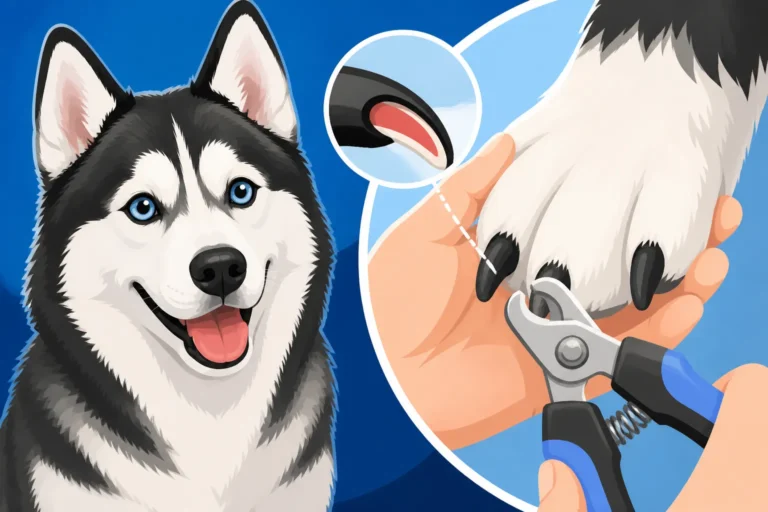
Siberian Husky nail trimming techniques explain how heavy-duty tools cut thick claws and avoid the sensitive quick.

Siberian Husky puppy growth plates are fragile cartilage areas that fuse into solid bone between 12 and 18 months of age.
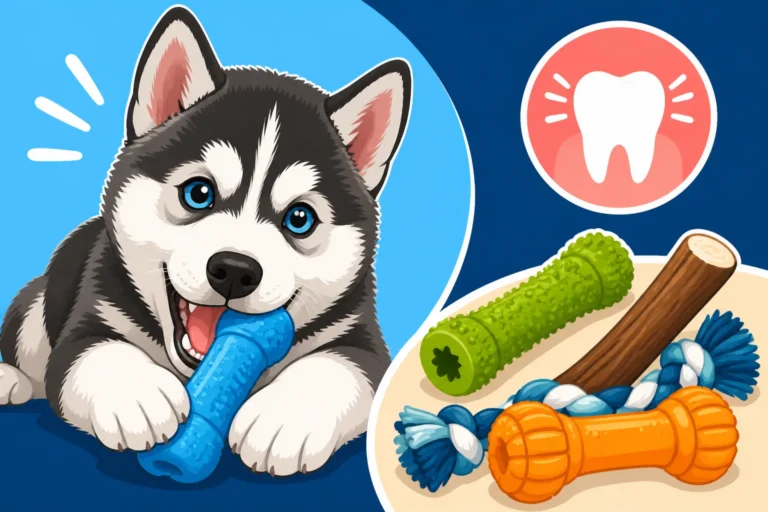
Siberian Husky puppy teething mechanics and safe chew options to stop destructive chewing and protect your home.

Siberian Husky puppies at four weeks old need solid food introduced because mother milk is no longer sufficient.

Siberian Husky puppy metabolism, growth spurts, and unique ancestral traits explain why young dogs occasionally refuse meals.

Siberian Husky dietary transition timing depends on growth plate closure occurring between twelve and eighteen months of age.

Siberian Husky breed classification and growth patterns explain whether these puppies require specialized large breed puppy diets.

Male Siberian Huskies at six months weigh thirty-five to fifty pounds, while females weigh thirty to forty-five pounds.

Siberian Husky puppy feeding schedules depend on age, requiring four daily meals initially and transitioning to three later.