HOA Rules That Reach a Siberian Husky
You've found your dream home – a lovely townhouse, a beautiful condo, or a charming spot in a planned community. Everything seems perfect until you dive into the homeowner's association (HOA) documents, only to discover a tangled web of rules about pets that could threaten your ability to bring your beloved Siberian Husky home, or worse, force you to rehome a cherished family member. This comprehensive guide is here to help you understand the intricacies of HOA pet policies, why they exist, and how to navigate them effectively to ensure a happy, harmonious life with your Husky.
Understanding Why HOAs Have Pet Rules
It’s easy to feel frustrated, even personally targeted, when an HOA throws up barriers to pet ownership. You might think, "My Husky is perfectly behaved, why do these rules even apply to us?" The reality is that HOAs, whether we love them or not, exist to maintain property values, ensure a consistent aesthetic, and uphold a certain quality of life for all residents. From their perspective, pet rules are a necessary tool in achieving these goals, even if they often seem arbitrary or overly restrictive to individual pet owners.
The underlying motivations for pet restrictions often stem from past negative experiences or generalized fears. Perhaps a large dog previously caused significant damage to common areas, or a constantly barking dog drove neighbors to distraction. These incidents, real or perceived, lead to blanket policies designed to prevent future issues. For a breed like the Siberian Husky, with its striking appearance and reputation for being high-energy and vocal, they can sometimes be unfairly pre-judged by these broad regulations. HOAs might worry about property destruction, noise complaints, liability risks, and even the appearance of "dangerous" breeds, regardless of individual temperament. This is a battle often fought on perception rather than reality, which can be particularly disheartening for responsible Husky owners.
The HOA's Role in Community Management
Think of an HOA as a mini-government for your specific community. They're elected by residents (or appointed by developers) to enforce a set of covenants, conditions, and restrictions (CC&Rs) that all homeowners must adhere to. These documents cover everything from paint colors and landscaping to parking and, yes, pet ownership. Their goal is often to create a predictable environment where everyone knows what to expect, and property values are protected from the actions of a few.
However, this collective good can sometimes clash directly with individual freedoms, especially when it comes to something as personal as having a pet. While many HOAs try to strike a balance, some lean heavily on restrictive policies, which can make life challenging for those with breeds like Siberian Huskies. Understanding that their primary driver is often risk mitigation and property value preservation, rather than a personal vendetta against large dogs, can help you approach the situation with a clearer head, even if it doesn't make the rules any less annoying.
Common Concerns Leading to Husky Restrictions
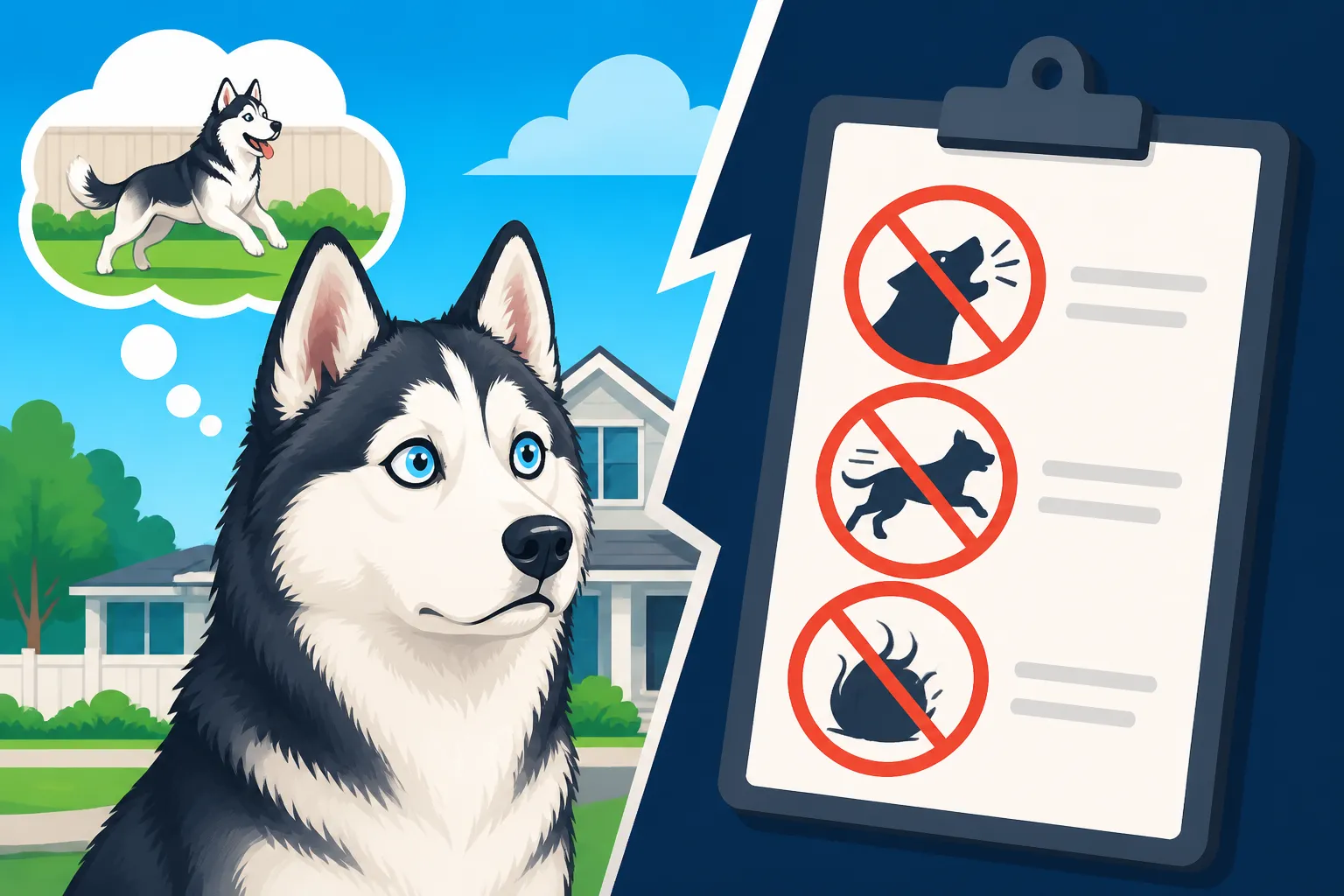
Siberian Huskies, despite their friendly and often clownish nature, can trigger a specific set of concerns for HOAs. Their energetic disposition often translates into a need for robust exercise, and without it, they can become quite destructive, leading to issues like scratched doors, dug-up yards, or chewed-up fixtures – all things that can impact a homeowner's ability to maintain their property or an HOA's common areas. Furthermore, Huskies are renowned for their vocalizations, which include howling and "talking," rather than traditional barking. While endearing to owners, this can be perceived as excessive noise by neighbors unfamiliar with the breed, leading to complaints and potential fines.
Then there's the size and appearance factor. A lean, athletic Siberian Husky might fall into a "large dog" category that triggers weight or breed restrictions, even if their actual weight is moderate. Some HOAs or their insurance carriers might even classify them, unfairly, alongside breeds considered "aggressive" due to their wolf-like appearance, despite the Husky's generally gentle temperament with people. These perceptions, unfortunately, are what drive many of the restrictive policies you might encounter, making your advocacy for your well-behaved companion even more crucial.
Common HOA Pet Restrictions and How They Impact Huskies
The types of pet restrictions you'll encounter in HOA documents vary widely, from outright bans on certain breeds to subtle rules that can still make life difficult for a Siberian Husky owner. Navigating these requires careful reading of the CC&Rs and understanding how they might specifically apply to your furry friend. It's not always a straightforward "yes" or "no" answer, and sometimes, the interpretation is key.
Weight and Size Limits
One of the most common restrictions in HOAs is a weight limit for pets. You might find rules stating "no dogs over 25 pounds" or "maximum weight of 50 pounds." For a breed like the Siberian Husky, which typically ranges from 35-60 pounds for females and 45-60 pounds for males, these limits can be a major hurdle. Even a smaller female Husky might exceed a 40-pound limit.
These limits are often put in place with multi-unit dwellings in mind, stemming from concerns about noise transfer, potential damage to property, or even perceived safety risks in close quarters. While your Husky might be perfectly quiet and gentle, the rule often applies universally. It’s important to note that these rules rarely make exceptions for good behavior or training. If your Husky falls outside the weight limit, you'll need to explore avenues for exceptions or find alternative housing, as simply hoping no one notices is a risky long-term strategy. This is where researching your potential community thoroughly before committing is absolutely paramount.
Breed-Specific Bans and Restrictions
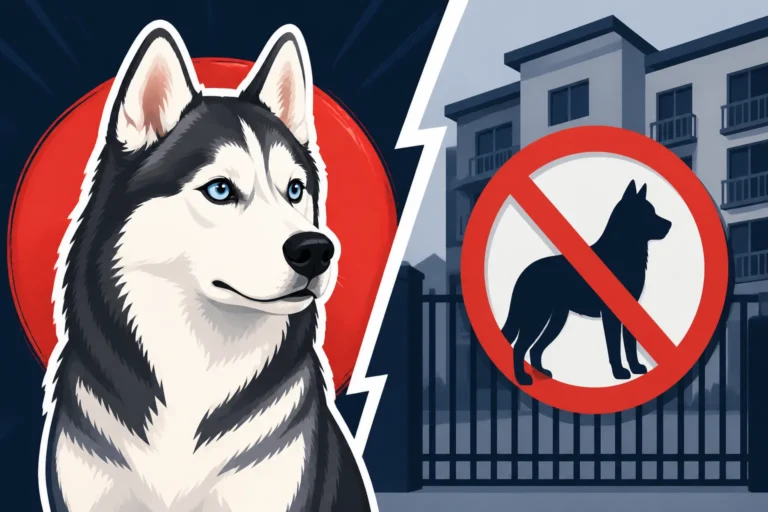
Perhaps the most frustrating type of restriction for many dog owners, especially those with misunderstood breeds, is the breed-specific ban. While Huskies are generally known for their friendly demeanor, some HOAs or their associated insurance providers might include them on a list of "restricted" or "dangerous" breeds. This often happens due to a lack of understanding about the breed's actual temperament or simply because of their resemblance to wolves.
If your HOA has a blanket ban on "Siberian Huskies," then your options are extremely limited unless you can prove your dog is a recognized service animal or emotional support animal (ESA), which comes with its own set of federal protections under the Fair Housing Act. Without such documentation, a breed ban is typically non-negotiable. Even if they're not explicitly banned, some HOAs might impose stricter requirements on breeds they deem "high risk," such as mandatory liability insurance policies (which can also be a challenge to secure for certain breeds, though often not for Huskies). This is why it’s also important to understand Homeowners Carriers and the Siberian Husky before you even start looking at houses in certain HOAs.
Number of Pets and Noise Ordinances
Beyond breed and size, HOAs frequently limit the number of pets per household. You might be allowed one dog, or two, but rarely more without special permission. For a multi-dog household, this could be an immediate deal-breaker. Additionally, noise ordinances are standard in nearly every HOA, and this is where the Siberian Husky's unique vocalizations can become a problem. Huskies are known for their "talking" – an array of howls, yips, and expressive grumbles – which, while charming to their owners, can be quite loud and distinctive.
An HOA noise complaint usually starts with a warning, but repeated violations can lead to fines, and in severe cases, demands that the pet be removed. It’s worth noting that "excessive barking" clauses often apply to howling too. If you know your Husky is particularly vocal, or if you're considering getting a second, be acutely aware of these rules. Managing your Husky's vocalizations through training and mental stimulation is key here. Companies like Chewy offer a range of puzzle toys and long-lasting chews that can help keep your Husky engaged and less likely to howl from boredom or anxiety when you're not home, directly addressing potential Why Your Siberian Husky Howls and Talks issues.
Leash Laws and Common Area Usage
Most HOAs will have strict leash laws that apply to all common areas, such as sidewalks, parks, and clubhouses. This isn't usually a problem for responsible Husky owners, as we know Why a Siberian Husky Cannot Be Trusted Off Leash in most open environments. However, these rules might also extend to how you transport your dog within the community, such as requiring them to be crated or carried in elevators if they're large.
Additionally, some HOAs restrict where pets can relieve themselves, sometimes designating specific "pet relief areas" and prohibiting them from certain landscaped zones or children's play areas. Failure to clean up after your pet is almost universally prohibited and can lead to significant fines. Always carry waste bags and be diligent about immediate cleanup to avoid issues. Some communities even have rules about pet waste disposal within your own yard, requiring daily pickup or certain types of containment, to prevent odors or pests.
Navigating HOA Rules with a Siberian Husky
Finding yourself facing strict HOA pet rules doesn't always mean giving up on your dream home or your cherished Siberian Husky. There are strategies you can employ to navigate these regulations, though success is never guaranteed and often requires patience, thorough documentation, and a willingness to advocate for your dog.
Reviewing the CC&Rs Thoroughly
The very first step, before you even consider moving into an HOA community, is to obtain and meticulously read the complete set of Covenants, Conditions, and Restrictions (CC&Rs), along with any separate pet policies or rules. Don't just skim the section on pets; dig deep. Look for specific language regarding:
- Weight Limits: Is it a hard limit, or are there provisions for exceptions?
- Breed Restrictions: Are Siberian Huskies explicitly named? Is there a general clause about "dangerous breeds" that could be interpreted to include them?
- Number of Pets: How many dogs are allowed?
- Noise Ordinances: What constitutes excessive noise, and what are the penalties?
- Common Area Usage: Are there any areas off-limits to pets?
- Grandfather Clauses: Sometimes, existing pets are exempt from new rules, but this is rare.
If anything is unclear, don't assume. Get clarification in writing from the HOA board or management company. A verbal "it'll probably be fine" isn't worth the paper it's not written on when your dog's future is at stake.
Seeking Exceptions or Accommodations
If your Siberian Husky doesn't fit neatly into the HOA's pet rules, but you're still determined to live there, you might be able to seek an exception or accommodation. This is often an uphill battle, but it's not impossible, especially if you have a well-behaved dog and can present a strong case.
- Formal Request: Submit a formal, written request to the HOA board. Include a detailed description of your Husky, their temperament, training history, and any certifications (e.g., Canine Good Citizen). You might also include letters of recommendation from your veterinarian or trainer vouching for your dog's excellent behavior. Emphasize that your dog is not typical of the concerns they might have (e.g., a quiet Husky, a non-destructive one).
- Liability Insurance: Offer to provide a comprehensive pet liability insurance policy. While many HOAs might have breed restrictions driven by their own master insurance policies, showing you have additional coverage can sometimes allay their fears. This also ties into conversations around What a Siberian Husky Adds to a Premium for your own insurance.
- Demonstrate Responsibility: Highlight all the proactive measures you take. Do you always pick up waste? Do you use a secure crate like those suggested by Chewy when you're out to prevent Siberian Husky Destruction When Left Alone? Do you ensure they get ample exercise so they're tired and less likely to howl? If your Husky is contained safely when you're away, perhaps in one of the more robust Crates a Siberian Husky Cannot Break Out Of, that can be a big selling point.
Remember, the goal is to show the HOA that your Husky is not a liability but a responsible member of the community.
Service Animals and Emotional Support Animals
It's crucial to understand the distinction between service animals and emotional support animals (ESAs) and how they relate to HOA rules. Under federal law (specifically the Fair Housing Act), HOAs generally must provide reasonable accommodation for individuals with disabilities who require a service animal or ESA, even if it violates a "no pets" or breed restriction policy.
- Service Animal: A dog (or miniature horse) specifically trained to perform tasks for an individual with a disability. They are not merely companions.
- Emotional Support Animal (ESA): An animal that provides therapeutic benefits to a person with a mental or emotional disability. ESAs do not require specific training.
For either a service animal or an ESA, you must have legitimate documentation from a qualified professional who is treating your disability. Simply wanting to bypass pet rules is not a valid reason. Misrepresenting a pet as a service or emotional support animal can have serious legal consequences. If you legitimately qualify, this can be a powerful tool, but it's not a loophole for pet owners who simply want to have their Husky.
Before You Buy or Adopt: Due Diligence on HOA Pet Policies
The absolute best defense against future heartache with HOA pet rules is thorough due diligence before you make any commitment to a home or a dog. It's far easier to find a pet-friendly community than it is to change an HOA's mind once you're already living there. This applies whether you're buying a puppy or considering Adopting a Siberian Husky Straight From a Shelter.
Asking the Right Questions Early
When you're looking at properties within an HOA, start asking about pet policies immediately. Don't wait until closing.
- Contact the HOA Management: Request a full copy of the CC&Rs, bylaws, and specific pet rules. This is your right as an interested party.
- Talk to Neighbors: If possible, discreetly speak with current residents who have dogs. Ask them about their experience with the HOA's pet policies. Are they strictly enforced? Have there been issues with dogs of your Husky's size or breed? Sometimes, the written rules are more stringent than the actual enforcement, but don't count on it.
- Look for Visible Cues: Do you see other large dogs in the community? Are there dog parks or designated pet relief areas? These can be good signs, but again, always verify with the written rules.
Answering these questions upfront can save you from a costly and emotionally draining situation down the road. If the rules are prohibitive, it’s best to walk away from that property, even if it feels perfect otherwise.
Understanding the Financial Implications of HOA Pet Rules
Beyond the rules themselves, there can be significant financial implications tied to pet ownership within an HOA. Many communities charge additional fees or deposits for pets, which can add up quickly.
- Pet Deposits: Similar to rental agreements, many HOAs require a one-time pet deposit. This is meant to cover potential damage your pet might cause to common areas or, less commonly, to your unit. These can be substantial, and it's good to know exactly what the terms are for getting it back. This ties into questions like Pet Deposits Asked for a Siberian Husky.
- Monthly Pet Rent: Some HOAs, like landlords, charge a recurring "pet rent" on top of your regular HOA dues. This can be a fixed amount per pet or a percentage of the dues. Over years, this adds a significant cost to your pet ownership. Understanding Monthly Pet Rent on a Siberian Husky is crucial for your long-term budget.
- Fines for Violations: As mentioned, HOAs can levy fines for rule infractions, from not cleaning up waste to noise complaints. These fines can escalate quickly and become a major financial burden.
- Insurance Costs: While not always directly from the HOA, your own homeowners insurance might be affected by having a Siberian Husky, especially if your HOA's master policy has breed exclusions. You might need to seek out specialized coverage, and this can be an added expense. Sometimes, having good pet health insurance from providers like Healthy Paws can give you peace of mind regarding unexpected vet bills, which, while not directly related to HOA fines, speaks to your overall responsible pet ownership.
Always factor these potential costs into your budget before committing to a home in an HOA community, especially with a Siberian Husky. Planning ahead, including considering premium food options from brands like Ollie if your Husky has specific dietary needs that support their overall health and temperament, demonstrates responsible ownership which can sometimes work in your favor during discussions.
The Bottom Line for Siberian Husky Owners
Living with a Siberian Husky in an HOA community can be wonderfully rewarding, but it absolutely requires careful planning and a deep understanding of the rules. These dogs are intelligent, energetic, and sometimes vocal, and their needs must be balanced with the expectations of community living. The key is proactive research and clear communication.
Don't assume your well-behaved Husky will be an exception to any rule; always verify everything in writing. If you face an issue, approach the HOA board respectfully, armed with facts about your dog's training and your commitment to responsible ownership. By doing your homework, asking the right questions, and being a model pet owner, you can greatly increase your chances of a happy, compliant life with your Siberian Husky, no matter where you choose to call home.
Disclaimer
This article is for general informational purposes only and does not constitute professional advice. Laws, prices and regulations vary by location and change over time. Consult a qualified professional for guidance on your specific situation.