Parti-Eyed Siberian Huskies
Parti-eyed Siberian Huskies feature single irises split into two distinct colors, unlike bi-eyed dogs with solid mismatched eyes.
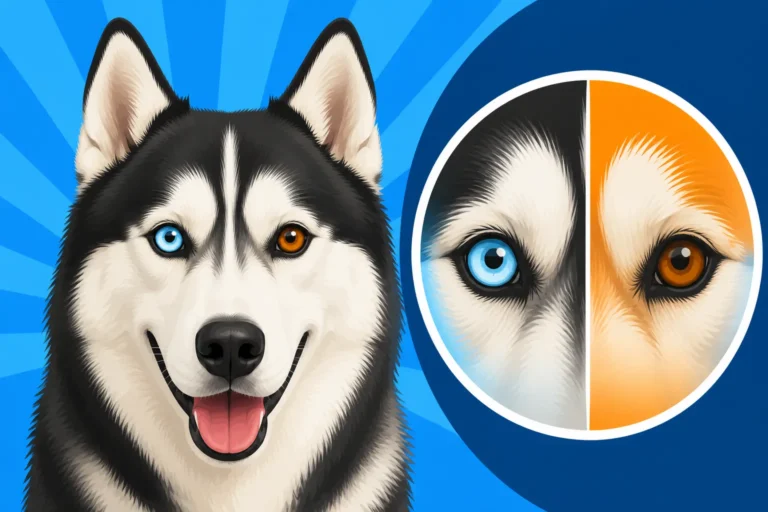
Parti-eyed Siberian Huskies feature single irises split into two distinct colors, unlike bi-eyed dogs with solid mismatched eyes.
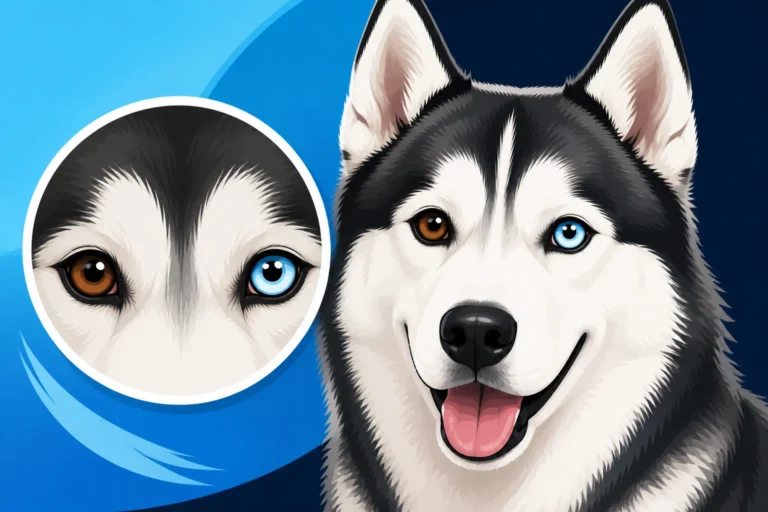
Bi-eyed Siberian Huskies display heterochromia, a genetic trait featuring eyes of two distinctly different colors.
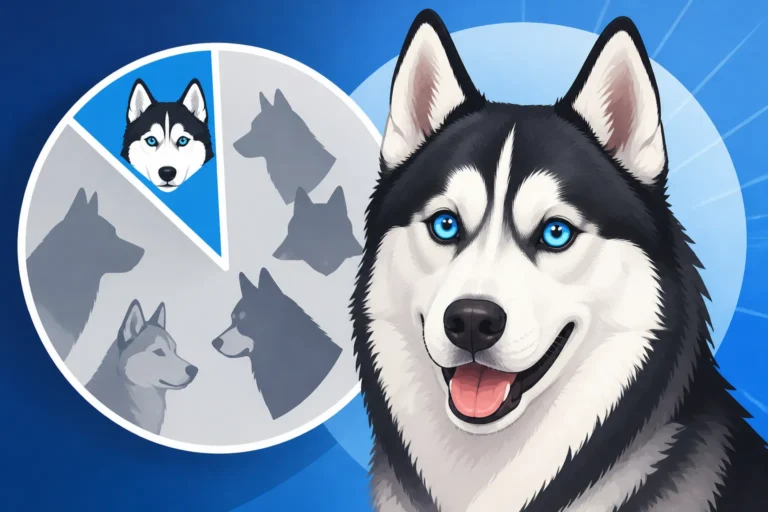
Blue eyes in Siberian Huskies are remarkably common and result from a specific genetic duplication on chromosome 18.
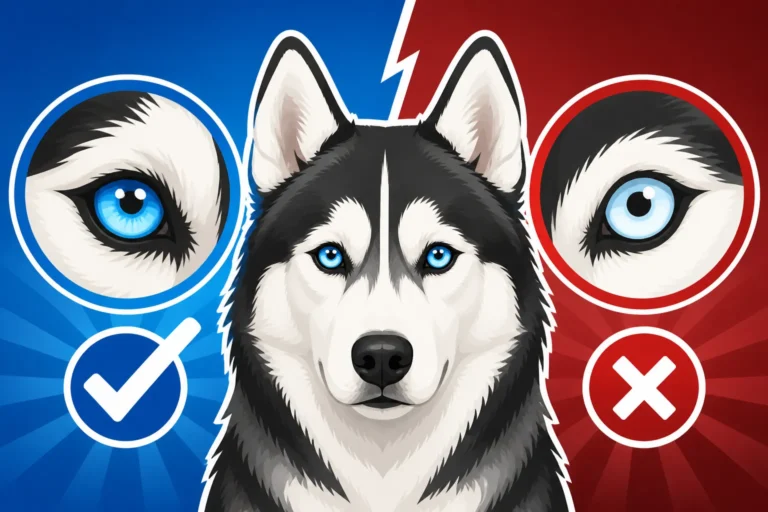
Siberian Husky blue eyes and official breed standards are explained, clearing up common misconceptions about this iconic trait.
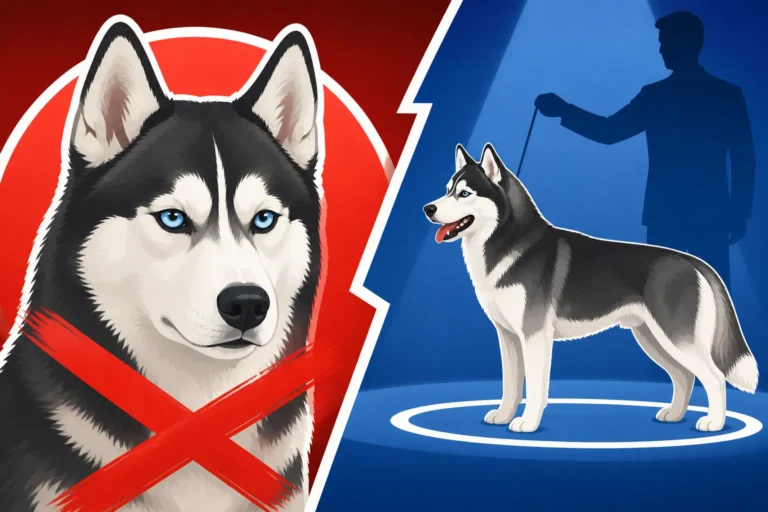
American Kennel Club standards outline specific Siberian Husky disqualifications that remove dogs from show ring competition.
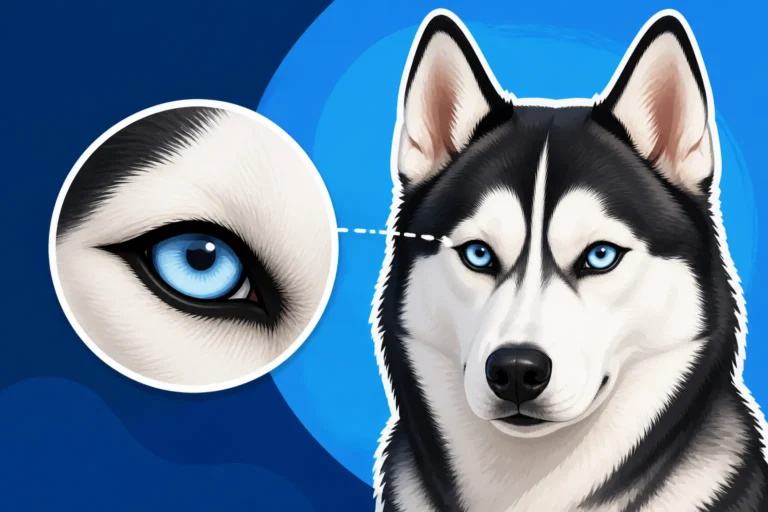
The Siberian Husky almond eye shape explains the specific breed standard, functional anatomy, and historical sled dog heritage.
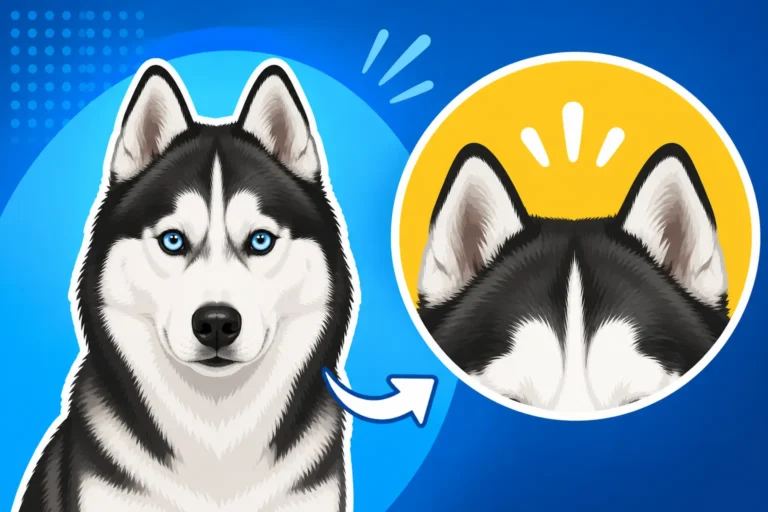
Siberian Husky ears sit close together and upright to provide arctic survival advantages and precise directional hearing.
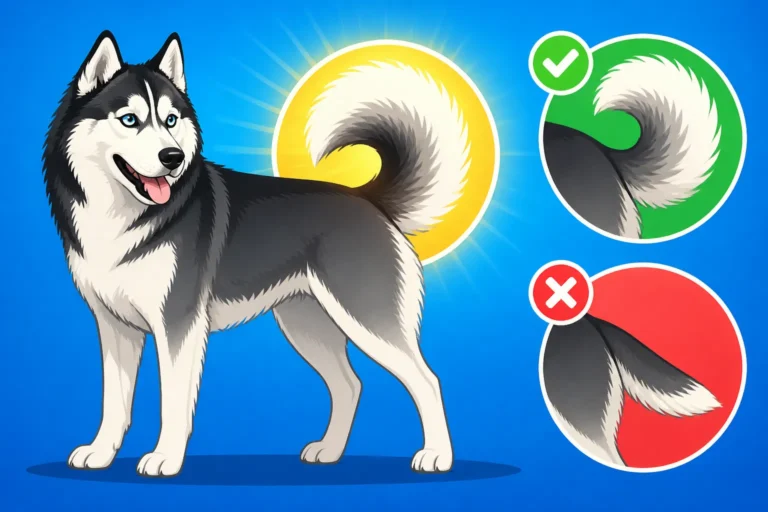
Siberian Husky tail carriage standards explain the sickle curve shape, functional balance, and normal resting positions.
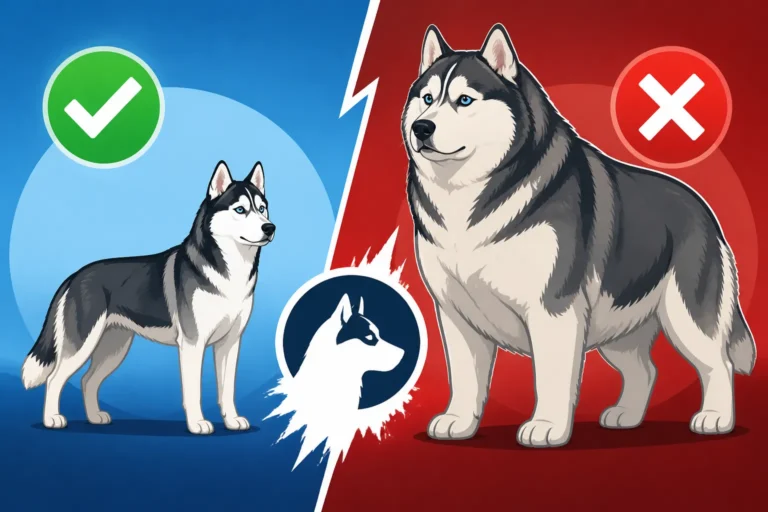
An oversized Siberian Husky violates breed standards because extra weight reduces the speed and endurance needed for arctic travel.

Siberian Huskies exceeding standard AKC height and weight limits experience oversized growth due to genetics and ancestry.