Treats Against a Siberian Husky’s Small Ration
Anyone who shares their life with a Siberian Husky quickly learns a fundamental truth: these dogs are metabolism marvels. Their daily food ration is often surprisingly small for a medium-large dog, which creates a genuine dilemma when you're trying to use treats for training, bonding, or simply showering them with affection. It's incredibly easy to accidentally overfeed a Husky with just a few extra bites, leading to weight gain that can impact their health and athleticism. This guide is here to help you strike that delicate balance, ensuring your beloved Husky enjoys their treats without compromising their lean, efficient physique.
Understanding Your Siberian Husky's Unique Metabolism
Before we dive into treat strategies, it’s crucial to truly grasp why Siberian Huskies have such particular dietary needs. These aren't your average couch potatoes; they are finely tuned athletes, bred for endurance and efficiency in harsh environments.
The Efficiency of the Working Dog Body
Imagine a dog engineered to run for miles in sub-zero temperatures, pulling a sled with minimal caloric intake. That's your Siberian Husky. Their bodies are incredibly efficient at converting food into energy, meaning they don't need the same volume of calories as many other breeds of comparable size. This metabolic frugality is a genetic gift from their Chukchi ancestors, who needed dogs that could work hard on sparse rations. When you compare your Husky to, say, a Labrador Retriever of similar weight, you'll often find the Husky needs significantly less food to maintain a healthy weight. This isn't a sign of pickiness, but rather a testament to their incredible biological efficiency.
Why the Bag's Recommendations Don't Always Apply
This metabolic magic is where many new Husky owners run into trouble. Most commercial dog food bags come with a feeding chart that bases portions on weight. For a Siberian Husky, blindly following these guidelines can quickly lead to an overweight dog. Those charts are often formulated for the "average" dog, not a breed renowned for its super-efficient metabolism. A 50-pound Husky often needs the calorie intake of a 30-pound dog from a less efficient breed. It’s a common frustration to Why a Siberian Husky Eats Less Than a Labrador or other similar-sized breeds, but it's a critical lesson to learn. Always remember to Feeling for a Waist Under a Siberian Husky Coat to monitor their condition and adjust portions accordingly.
The Hidden Dangers of Excess Calories
Because Huskies require relatively few calories to thrive, even a small handful of extra treats can represent a significant percentage of their daily intake. A few high-calorie biscuits here, a couple of generous training rewards there, and suddenly you've added hundreds of calories that weren't accounted for in their main meals. This seemingly innocent generosity can lead to insidious weight creep. Over time, that extra weight puts strain on their joints, exacerbates any potential hip issues (though Huskies tend to have good hips, excess weight is never beneficial), and can contribute to a host of other health problems, just like in humans. Siberian Husky Weight and Joint Health is a real concern, and even an "average" weight gain for another breed could push a Husky into an unhealthy range.
The Indispensable Role of Treats in Husky Life
Despite their efficient metabolisms, treats aren't just an indulgence for a Siberian Husky; they are often a vital tool for communication, training, and enrichment. The key lies in how and what you treat them with.
Building Connection and Reinforcing Good Choices
Siberian Huskies are known for their independent nature, a trait that can sometimes be mistaken for stubbornness. High-value treats are incredibly effective for breaking through that independent streak and motivating them to engage, especially in training. Imagine trying to teach a Husky to come when called without a truly irresistible reward; it can be an uphill battle! Treats become positive reinforcement, creating a clear link between a desired behavior (like a quick recall, or sitting politely when guests arrive) and a satisfying outcome. This isn't about bribery; it's about making good choices deeply rewarding for your dog. For example, if you're working on Building a Siberian Husky Recall Word From Scratch, those tasty morsels are your best friend.
Treats as Tools for Management and Enrichment
Beyond formal training, treats play a huge role in managing daily life with a Husky. Got a long car ride? A chew stick or a stuffed Kong with a smear of peanut butter (accounted for!) can make all the difference. Need to distract them during grooming, like nail trims or brushing through a coat blow? A lick mat with a dab of pumpkin puree can keep them happily occupied. Treats are also fantastic for enrichment, turning mealtime into a mental exercise. Puzzle Feeders a Siberian Husky Cannot Beat filled with part of their meal or a few treats can keep their clever minds engaged and help burn mental energy, which is just as important as physical exercise for a high-drive breed.
The Fine Line Between Motivation and Manipulation
Here's where the small ration comes into play. If your Husky learns that ignoring their kibble bowl will eventually lead to more exciting, tastier treats, you've accidentally taught them to be picky. This is a common scenario: A Siberian Husky That Leaves Food in the Bowl might just be holding out for something better. It's a delicate dance to use treats effectively for motivation without allowing them to dictate their diet. The goal is to use treats strategically for specific behaviors or enrichment, not as a replacement for their balanced, consistent meals. Your Husky should still view their regular food as valuable, even if treats are extra special.
Smart Choices for Husky Treats
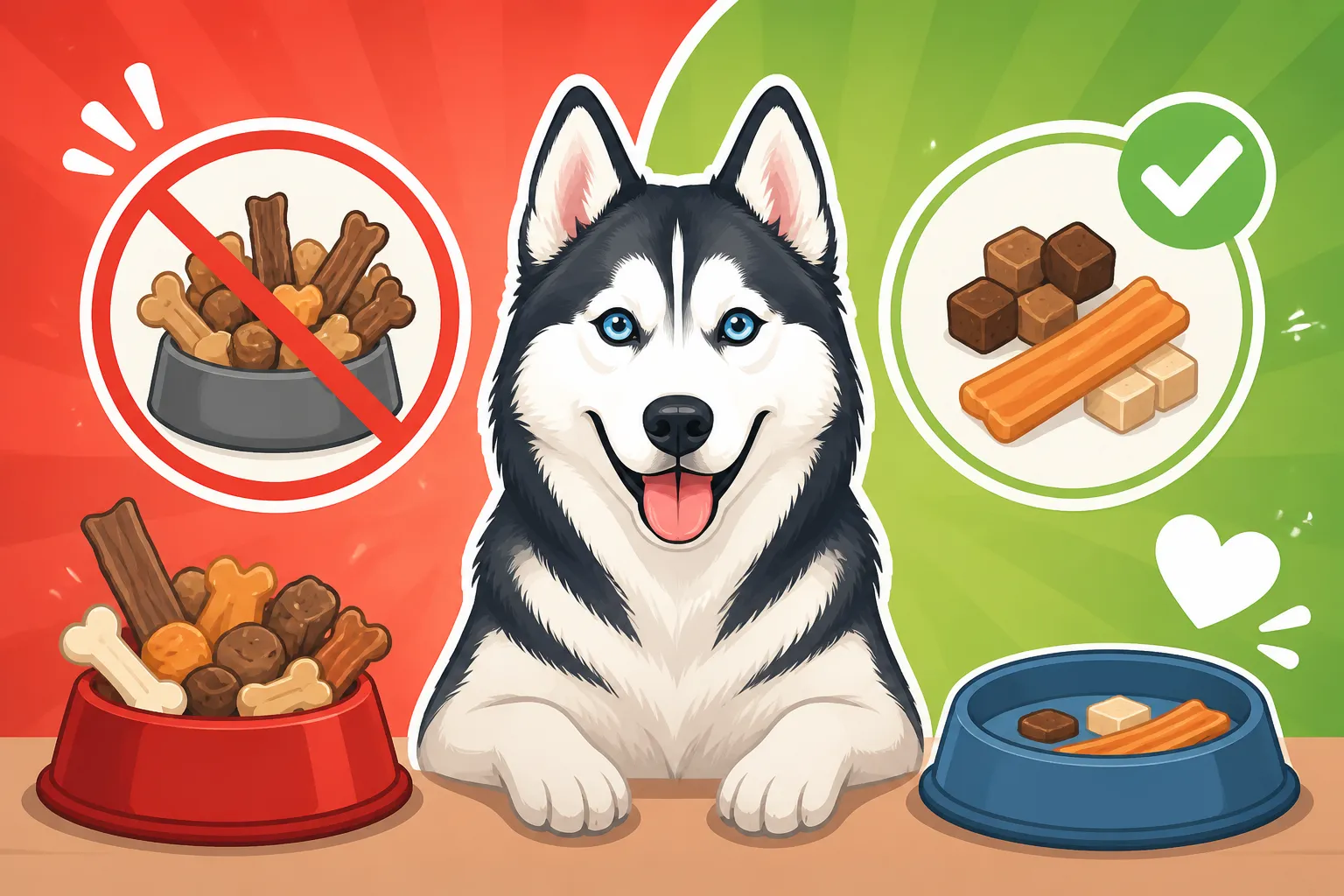
Since every calorie counts for a Husky, selecting the right kind of treat is paramount. Forget the generic biscuit jar and start thinking strategically about nutritional value and calorie density.
Prioritizing Low-Calorie, High-Value Options
For frequent training sessions, especially if you're doing a lot of Starting Long Line Work With a Siberian Husky or practicing recall in a new environment, you need treats that are motivating but won't pack on the pounds. Think small, soft, and easy-to-eat pieces. Many commercial "training treats" are designed for this purpose, often being miniature and lower in calories. Look for treats with whole ingredients and avoid those packed with fillers, artificial colors, or excessive sugar. For instance, brands often found on Chewy or Amazon will specify if treats are suitable for training and low-calorie. Sometimes, even breaking a larger, healthy treat into tiny crumbs can make it last longer and deliver less caloric impact.
Leveraging Single-Ingredient and "Human" Foods
Many Husky owners find success with simple, single-ingredient treats or carefully chosen "human" foods. These offer clear nutritional profiles and often fewer mystery calories. Think:
- Plain, cooked chicken breast: Shredded or diced into pea-sized pieces.
- Small pieces of carrot or green bean: Great for a crunch and very low in calories.
- Pumpkin puree (canned, unsweetened): Fantastic for stuffing Kongs or as a lick mat spread.
- Boiled sweet potato: Cut into small cubes.
- Rice cakes (plain): Broken into small bits for a crunchy, low-calorie reward.
- Blueberries or raspberries: Small, antioxidant-rich, and a novel texture.
These options allow you to control exactly what your Husky is consuming, and they often become Food Rewards a Siberian Husky Will Work For just as eagerly as highly processed alternatives. Always double-check that any human food you offer is safe for dogs.
Navigating the World of Commercial Treats
The pet store aisles are overflowing with options, and it can be overwhelming. When selecting commercial treats, always read the ingredient list and guaranteed analysis carefully. Look for:
- Low-calorie counts: Some brands now market treats specifically as "light" or "training" treats.
- Whole, identifiable ingredients: Avoid ambiguous terms like "meat by-products" as the primary ingredient.
- Appropriate size: Small treats are better for Huskies since you'll often be giving several during a session.
- Limited fillers: Corn, wheat, and soy can sometimes contribute to sensitivities and aren't as nutritionally dense.
Consider brands that focus on natural ingredients, like those you might find on Ollie's website for fresh-prepared options, or reputable brands often found on Amazon that emphasize quality over quantity of ingredients. Dental chews can also be a good option for mental engagement and dental health, but remember they do contain calories and should be factored into the daily intake.
Strategies for Treating Without Overfeeding
Knowing what treats to use is only half the battle; knowing how to use them is the other, equally critical, part. It's all about intentionality and integration.
Mastering Portion Control and Timing
The most effective way to prevent overfeeding with treats is strict portion control. Don't eyeball it; measure. Divide a small handful of treats into even smaller, pea-sized pieces for training. If you're using softer treats like chicken, you can shred them into tiny wisps. For a more independent breed like a Husky, timing is everything. Deliver the treat immediately after the desired behavior, not seconds later. This instantaneous reward strengthens the association. You might even consider using a clicker with a treat to mark the exact moment of success. Remember, a single training session might involve dozens of these tiny rewards, so making them small is crucial for not exceeding their daily caloric needs.
Integrating Treats into Daily Calorie Allocation
One of the smartest strategies for managing treats is to view them as part of your Husky's overall daily calorie intake, not an addition. If your Husky gets 2 cups of food a day, and you plan on using 50 calories worth of treats for training, then those 50 calories should come out of their regular meal. This requires a bit of math, but it's essential for maintaining a healthy weight. When you're Feeding a Siberian Husky on 60 Percent of the Label compared to other breeds, those treat calories add up even faster. You could reduce a quarter of a cup of kibble from their dinner to accommodate a busy training day. This approach ensures you're not inadvertently causing Slimming an Overweight Siberian Husky issues down the line.
Creative Alternatives to Food Rewards
While food treats are incredibly powerful motivators, they shouldn't be your only tool. Huskies, with their high energy and intelligent minds, often respond enthusiastically to other forms of reward.
- Praise and Affection: A happy, enthusiastic "Good dog!" and a vigorous ear rub or chest scratch can be incredibly rewarding, especially if your Husky truly bonds with you. While Whether Praise Alone Motivates a Siberian Husky can be debated, it certainly enhances a food reward.
- Playtime: A quick toss of a favorite squeaky toy, a short game of tug, or a brief chase in the yard can be a fantastic reward for a successful training effort. This taps into their natural play drive.
- Verbal Markers: Using a verbal marker like "Yes!" or a clicker, followed by a non-food reward (like a toy or praise), can still mark the desired behavior effectively.
- Environmental Rewards: Want your Husky to sit politely at the door? The reward is getting to go outside for a walk. Want them to settle in their crate? The reward is a quiet chew toy they enjoy. This taps into their intrinsic desires.
Addressing Common Treat-Related Challenges
Even with the best intentions, managing treats for a Siberian Husky can present unique hurdles. Let's tackle some of the more common frustrations owners face.
When Your Husky Refuses Kibble but Loves Treats
This is a classic Husky maneuver. Your dog snubs their perfectly good bowl of kibble but will practically do backflips for a piece of cheese. This often happens when treats are given too freely or in too large a quantity, inadvertently teaching the Husky that holding out will get them something better. To fix this, first, remove the food bowl after 15-20 minutes if they haven't eaten. Don't offer anything else until the next mealtime. Reduce or temporarily eliminate high-value treats and ensure any treats given are very small and always tied to a specific action. You can also try using a portion of their daily kibble as training treats. This helps to re-establish the value of their regular meal.
Managing Multiple Dog Households and Treat Distribution
If you have multiple dogs, especially if one is a Husky with a smaller ration and another is a larger, hungrier breed, treat time can become complicated. It's easy for the Husky to sneak extra treats or for the other dog to gobble up the Husky's portion. To manage this:
- Separate feeding areas: Give treats in different rooms or crates to ensure each dog gets only what's intended for them.
- Clear cues: Use specific verbal cues for each dog when distributing treats, allowing them to wait patiently for their turn.
- Supervised treat time: Always supervise, especially with longer-lasting chews, to prevent resource guarding or treat theft.
- Calorie awareness: Be extra vigilant about calculating each dog's individual treat allowance to prevent one dog from becoming overweight while the other remains lean.
A structured approach is vital, otherwise, the efficiency of your Husky's metabolism will mean they gain weight faster than their housemate.
The Impact of Treats on Dental Health
While soft training treats are great for quick rewards, they don't do much for dental hygiene. Sticky, sugary treats can even contribute to plaque buildup. It’s important to balance soft treats with options that promote dental health. Harder, crunchy treats or specific dental chews (like Greenies, widely available on Chewy) can help scrape away plaque. However, remember that dental chews also contain calories and should be factored into the daily intake. Regular tooth brushing remains the gold standard for preventing Siberian Husky Dental Disease by Age Five, but strategically chosen treats can play a supporting role. Always ensure any dental chew is appropriately sized for your Husky and won't splinter or pose a choking hazard.
Disclaimer
This article is for general informational purposes only and does not constitute professional advice. Laws, prices and regulations vary by location and change over time. Consult a qualified professional for guidance on your specific situation.