Siberian Huskies That Bolt Through Open Doors
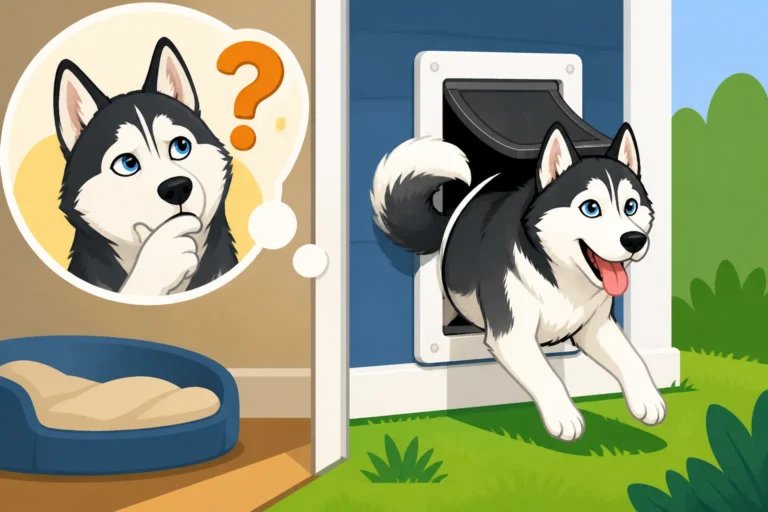
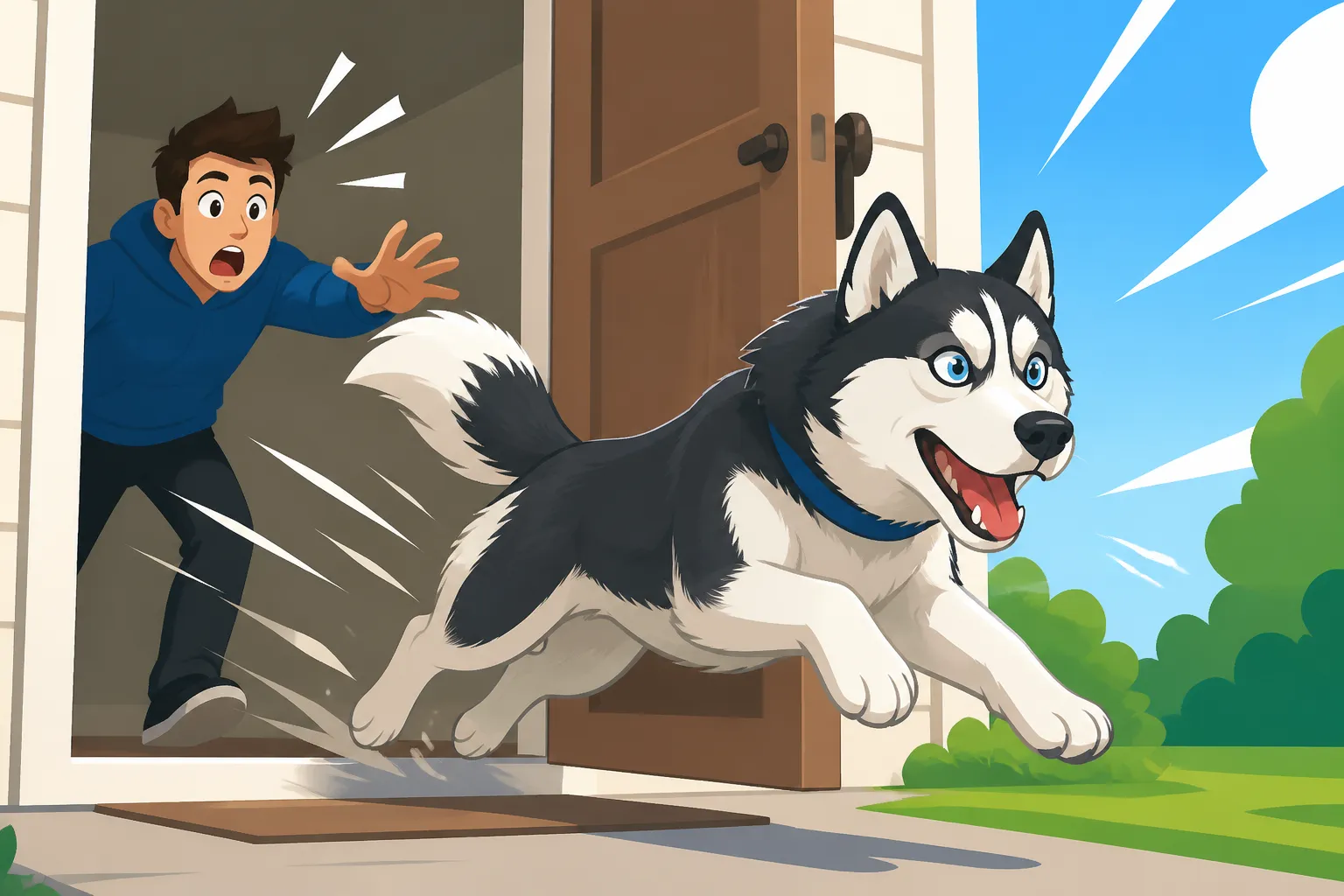
Oh, the sheer panic of an open door and the blur of white and black as your Siberian Husky shoots out of it! If you’ve ever experienced that heart-stopping moment, you know the unique blend of terror, frustration, and a tiny bit of admiration for their sheer speed that comes with owning one of these escape artists. This guide is here to help you understand why your Husky bolts, how to prevent it, and what training strategies can keep your adventurous companion safely by your side.
Understanding the Siberian Husky's Instinct to Bolt
When a Siberian Husky bolts through an open door, it's not usually an act of defiance or a personal affront. It’s a deep-seated instinct kicking in. These dogs were bred for specific purposes, and those instincts run incredibly strong, often overriding any training you've poured your heart and soul into, especially in a moment of surprise.
The Deep-Rooted Roaming Instinct
Imagine generations of dogs, bred to pull sleds for hundreds of miles across vast, open tundras. That's the heritage of your Siberian Husky. Their ancestors, the dogs of the Chukchi people, were literally designed for covering immense distances, efficiently and with incredible endurance. This history isn't just a fun fact; it's etched into their DNA.
When a door cracks open, to a Husky, it's not just a doorway to your backyard or the street; it's a gateway to an adventure, a call to explore the wide, wonderful world they were born to roam. They don't see boundaries the way we do; they see opportunities. It's why they seem to careen off with such joyful abandon, often not even looking back. They aren't trying to abandon you; they're simply fulfilling a primal urge that's been carefully cultivated over centuries. Understanding this helps us approach the problem with empathy, even when we're pulling our hair out. This strong drive is why The Roaming Instinct Bred Into Every Siberian Husky is so crucial to understand.
High Prey Drive as a Motivator
Beyond their desire to roam, Siberians possess a formidable prey drive. This isn't just about chasing squirrels in the park; it's an intense, hardwired response to anything that moves quickly and looks like it could be fair game. A fluttering leaf, a rabbit darting across the lawn, a neighbor's cat strolling by – any of these can instantly switch your Husky from calm house dog to unstoppable predator.
When that door opens, if there's even a hint of movement outside, that prey drive can ignite faster than you can say "stay." The urge to chase becomes all-consuming, making them temporarily deaf to commands and oblivious to the dangers of traffic or getting lost. It’s not that they’re poorly trained; it’s that their instincts are so powerful, they hijack their focus completely. Trying to recall a Husky mid-chase is like trying to stop a freight train with a feather; their genetic programming for pursuit is that strong. This is also why many owners struggle when their Siberian Husky Prey Drive Around Small Animals takes over.
Boredom and Insufficient Exercise
A bored Husky is a destructive Husky, and perhaps more commonly, an escape-prone Husky. These dogs are intelligent, high-energy animals that thrive on activity and mental stimulation. If their physical and mental needs aren't being met, they will absolutely find ways to entertain themselves, and often, that means trying to get out and create their own adventure.
Think about it: if your Husky has been cooped up all day with minimal exercise or mental engagement, that open door represents liberation. They’re not just escaping; they’re seeking fulfillment. A quick walk around the block might be enough for some breeds, but for a Siberian Husky, it's barely a warm-up. They need consistent, vigorous exercise, coupled with brain games and training, to feel content. Without it, an open door isn't just an invitation; it's a flashing neon sign promising excitement. Neglecting their exercise needs is a major contributor to unwanted behaviors, including bolting. To really keep them happy and reduce the urge to escape, you need to provide How Much Exercise a Siberian Husky Really Needs.
Immediate Management: Preventing the Bolt
Understanding why your Husky bolts is the first step, but the next, and most critical, is implementing management strategies to prevent it from happening in the first place. This isn't about training them out of instinct entirely; it's about setting up your environment and routines to keep them safe.
Fortifying Your Exit Points
Every door leading outside is a potential escape hatch for a Siberian Husky. Therefore, your first line of defense is creating multiple barriers and establishing strict protocols. Think of your entryways as airlocks, much like you’d see in a space station.
Consider installing baby gates at the top and bottom of stairs, or even across hallways leading to exterior doors. This creates a physical barrier that gives you an extra moment to secure your Husky before anyone opens the main door. Some owners even install a second screen door or gate just inside their main entry door, creating a literal double barrier. This setup is especially helpful if you have kids or visitors who might not be as vigilant about closing doors immediately. It takes a conscious effort from everyone in the household to commit to these barriers, but it's far easier than chasing a runaway Husky through busy streets.
Leash and Collar Protocols
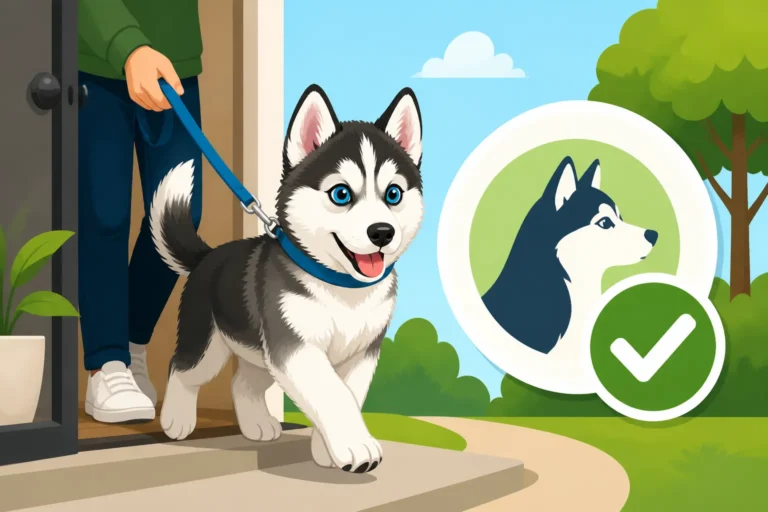
This is non-negotiable for Husky owners: your dog should never be near an exterior door without being on a leash, securely attached to a proper collar or harness. This isn't overly cautious; it's essential. Even if you're just stepping out to grab the mail, the rule applies.
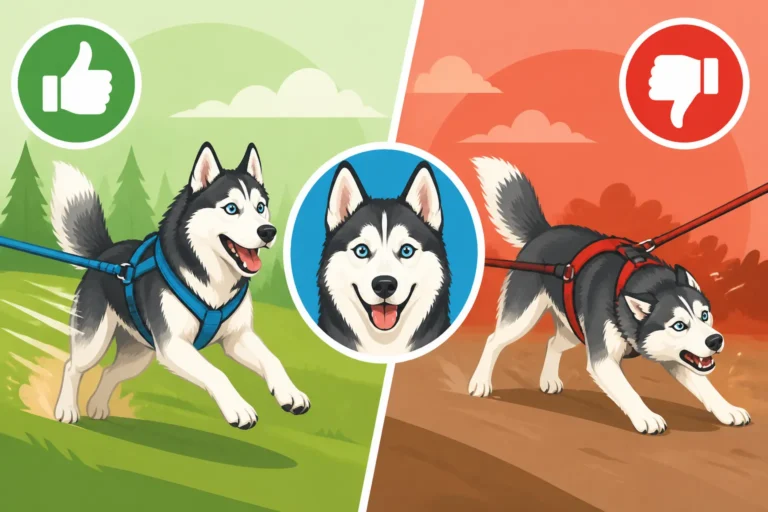
For Huskies, a standard buckle collar can be risky. Their narrow heads and powerful necks make it easy for them to slip out, especially when startled or determined to chase something. Many Husky owners swear by martingale collars, which tighten gently when pulled, preventing escape without choking the dog. Another excellent option is a secure, well-fitted front-clip harness, which makes it harder for them to back out and gives you more control over their pulling. Always double-check that the leash is clipped securely before the door opens, and make it a habit to hold the leash firmly. Don't underestimate their ability to escape; they are Houdinis of the canine world. Learn more about effective collars with Martingale Collars for a Siberian Husky.
Training "Wait" and "Stay" at the Door
While management is key, training specific door manners can greatly reduce the risk of bolting. The "wait" and "stay" commands are invaluable here, teaching your Husky impulse control at those critical thresholds.
Start by teaching "wait" or "stay" away from the door in a low-distraction environment. Use high-value treats – something your Husky really loves, like small pieces of cheese or cooked chicken. Practice having them sit, give the "wait" command, take a step back, and then return to reward. Gradually increase the distance and duration. Once they're reliable, move the training to the doorway. Start by having them "wait" as you approach the door, then touch the doorknob, then slowly open the door a crack, always rewarding for staying put. The goal is for them to understand that a quietly closed door, or even a partially open door, means "wait for my release cue," not "DASH!" This consistency is how you instill Door Manners That Keep a Siberian Husky Inside.
Long-Term Training: Building Impulse Control
Preventing bolts in the immediate moment is vital, but for a truly harmonious life with your Siberian Husky, you need to work on building their underlying impulse control and channeling their natural drives constructively. This takes patience, consistency, and a realistic understanding of the breed.
Consistent Practice of Door Manners
Door dashing is often a deeply ingrained habit, reinforced by the self-reward of freedom and excitement. To break this, you need to create a new, positive habit: calmness and waiting at the door. This means every single person who interacts with your Husky must be on board with the same rules, every single time.
Practice "door drills" regularly, not just when you're actually leaving. Walk up to the door, ask your Husky to "sit" and "wait," open the door slightly, then close it, rewarding them lavishly if they remained calm and in place. Repeat this many times a day, gradually increasing the door opening, eventually stepping through and immediately returning. Never let them rush out first without your release word. If they lunge, simply close the door and restart. The consequence of lunging is that the door closes, and the opportunity to go out is delayed. The reward for waiting calmly is getting to go out (on leash, of course!) or getting a treat. Over time, they'll learn that good things happen when they wait, not when they bolt.
Redirecting Energy with Structured Exercise
A tired Husky is often a well-behaved Husky. Their high energy levels are a core part of their being, and if you don't provide an appropriate outlet, they will create their own, often undesirable, ones. Regular, vigorous, and structured exercise is absolutely critical for reducing their urge to bolt.
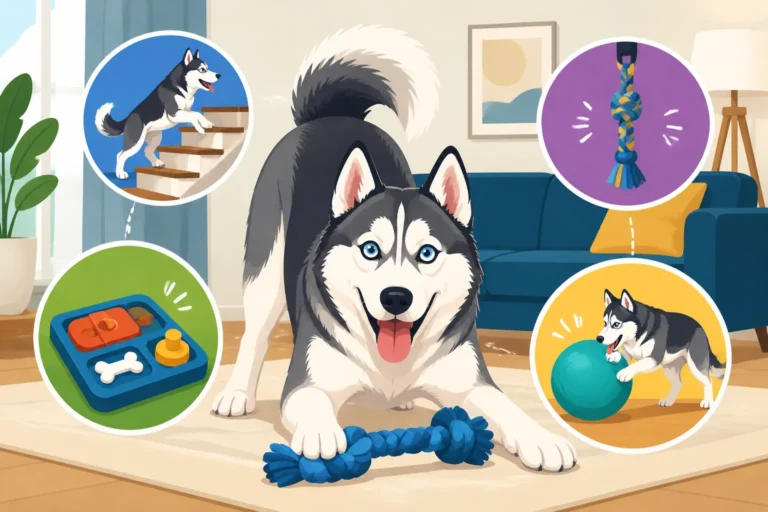
This isn't just about letting them run around the yard. Huskies need to work their bodies and minds. Activities like canicross (running with your dog), bikejoring (cycling with your dog pulling), or long, brisk hikes on varied terrain can be excellent. Mental stimulation is just as important; incorporate puzzle toys, scent work games, or obedience training sessions. A Husky whose physical and mental needs are consistently met is far less likely to feel the desperate urge to escape the moment a door opens. They'll be more inclined to relax and follow your lead because their primal drives have been satisfied. Exploring activities like Canicross and Bikejoring With a Siberian Husky can be a game-changer.
Working on a Strong Recall (Even if it's Just for Emergencies)
Let's be realistic: an off-leash recall for a Siberian Husky, particularly if they're motivated by prey or the thrill of the chase, is a lofty goal for most pet owners. Many veteran Husky owners will tell you that a Siberian Husky can simply never be trusted off leash, full stop. However, building the strongest possible emergency recall is still a vital part of your training toolbox, even if you only plan to use it in truly dire circumstances within a contained area.
Start building your recall in a secure, fenced area, far away from distractions. Use an exciting, unique word or sound (like a whistle) that you only use for recall, and pair it with the highest value treats or toys. Make it a party every time they come. Never use your recall word for anything negative. Practice on a long line (a 30 or 50-foot leash) in a safe, open space. The goal is to make coming back to you the absolute best thing in the world, so good that it might override the temptation of an open door or a distant squirrel for a few crucial seconds. While perfection is elusive, a well-practiced emergency recall could be the difference between a scare and a tragedy. Don't forget to practice Building a Siberian Husky Recall Word From Scratch regularly.
Tools and Resources for Bolting Huskies
Living with a Husky that's prone to bolting requires a multi-faceted approach, combining training, management, and the right equipment. These tools aren't replacements for training but vital layers of safety and support.
Specialized Containment and Safety Gear
Beyond the immediate barriers at your door, there are other tools that can provide peace of mind for a bolting-prone Husky. A secure crate is an invaluable asset. If you need to answer the door, or if workmen are coming in and out of your house, crating your Husky momentarily ensures they won't slip out. Be warned, though, that Huskies are intelligent and persistent; you'll need a crate that they cannot easily bend, break, or escape. Some Huskies can be surprisingly adept at dismantling flimsy crates. You may want to look into specialized heavy-duty options, ensuring you have Crates a Siberian Husky Cannot Break Out Of that can withstand their ingenuity.
Another essential piece of gear, especially for a breed known for its escape artistry, is a GPS tracking collar. While it won't prevent them from bolting, it can be a lifesaver if they do manage to get out, allowing you to locate them quickly. Brands available on platforms like Amazon offer various options, from basic trackers to more advanced systems with activity monitoring. Additionally, ensure your Husky is microchipped and that your contact information is always up-to-date with the chip registry. A visible ID tag on their collar, with your phone number, is also crucial. These layers of identification significantly increase the chances of a safe return if the unthinkable happens. Sadly, stories abound of Siberian Husky Deaths From Trauma and Escape, making these precautions all the more necessary.
| Strategy | Purpose | Key Actions | Recommended Tools |
|---|---|---|---|
| Physical Barriers | Prevent immediate access to exit points | Install baby gates, double doors, airlock systems. Keep doors closed. | Baby gates, secure screen doors |
| Leash & Collar Protocol | Ensure immediate control before door opens | Always leash before door opens. Use secure collars/harnesses. | Martingale collars, front-clip harnesses |
| "Wait" / "Stay" Training | Teach impulse control at thresholds | Consistent practice at doors. Reward calm behavior. | High-value treats, clicker |
| Structured Exercise | Channel energy; reduce boredom-driven escapes | Canicross, bikejoring, long hikes, puzzle toys. | Harness sports gear, puzzle feeders |
| Emergency Recall | Provide a last-ditch attempt at control | Practice in safe, fenced areas with high rewards. | Long lines, high-value treats, whistle |
| Identification & Tracking | Aid in recovery if escape occurs | Microchip, ID tags, GPS tracker. | Microchip, engraved tags, GPS collar |
Seeking Professional Help
If you're struggling to manage your Husky's bolting behavior, or if the problem feels overwhelming, don't hesitate to seek professional help. A certified professional dog trainer or a veterinary behaviorist experienced with northern breeds can offer invaluable guidance. They can assess your specific situation, identify underlying triggers, and help you develop a customized training plan that addresses your Husky's unique personality and drives.
Sometimes, what seems like simple "stubbornness" is actually a complex behavioral pattern that benefits from expert intervention. Online training platforms, like BAXTER & Bella, can also provide structured courses and support for tackling challenging behaviors like door dashing, offering resources and a community to help you stay on track. A good trainer won't promise to eliminate all Husky instincts, but they can teach you effective communication and management strategies that lead to a safer, more enjoyable life for both you and your dog.
Understanding Liability and Safety
Beyond the emotional toll, a bolting Siberian Husky poses significant safety and liability concerns. An escaped dog can be hit by a car, injure another animal, or even a person. The consequences of a loose Husky can be dire, ranging from hefty animal control fines to heartbreaking accidents. It’s a sobering thought, but one that underscores the importance of stringent prevention.
Remember that you, as the owner, are responsible for your dog's actions. Even if your Husky is the friendliest dog in the world, their instincts can kick in, especially when chasing prey. A Husky chasing a neighbor's cat or small dog, even without aggressive intent, can lead to injury or worse. Considering scenarios like Liability When a Siberian Husky Kills a Neighbor's Cat emphasizes the severe consequences that can arise. Preventing escapes isn't just about keeping your dog safe; it's about protecting your community and avoiding legal and financial repercussions. It’s why we must strive to be vigilant and proactive in managing their inherent desire to run. For your Husky's health and safety, you should also be aware of Why an Escaped Siberian Husky Is a Health Risk.
Disclaimer
This article is for general informational purposes only and does not constitute professional advice. Laws, prices and regulations vary by location and change over time. Consult a qualified professional for guidance on your specific situation.