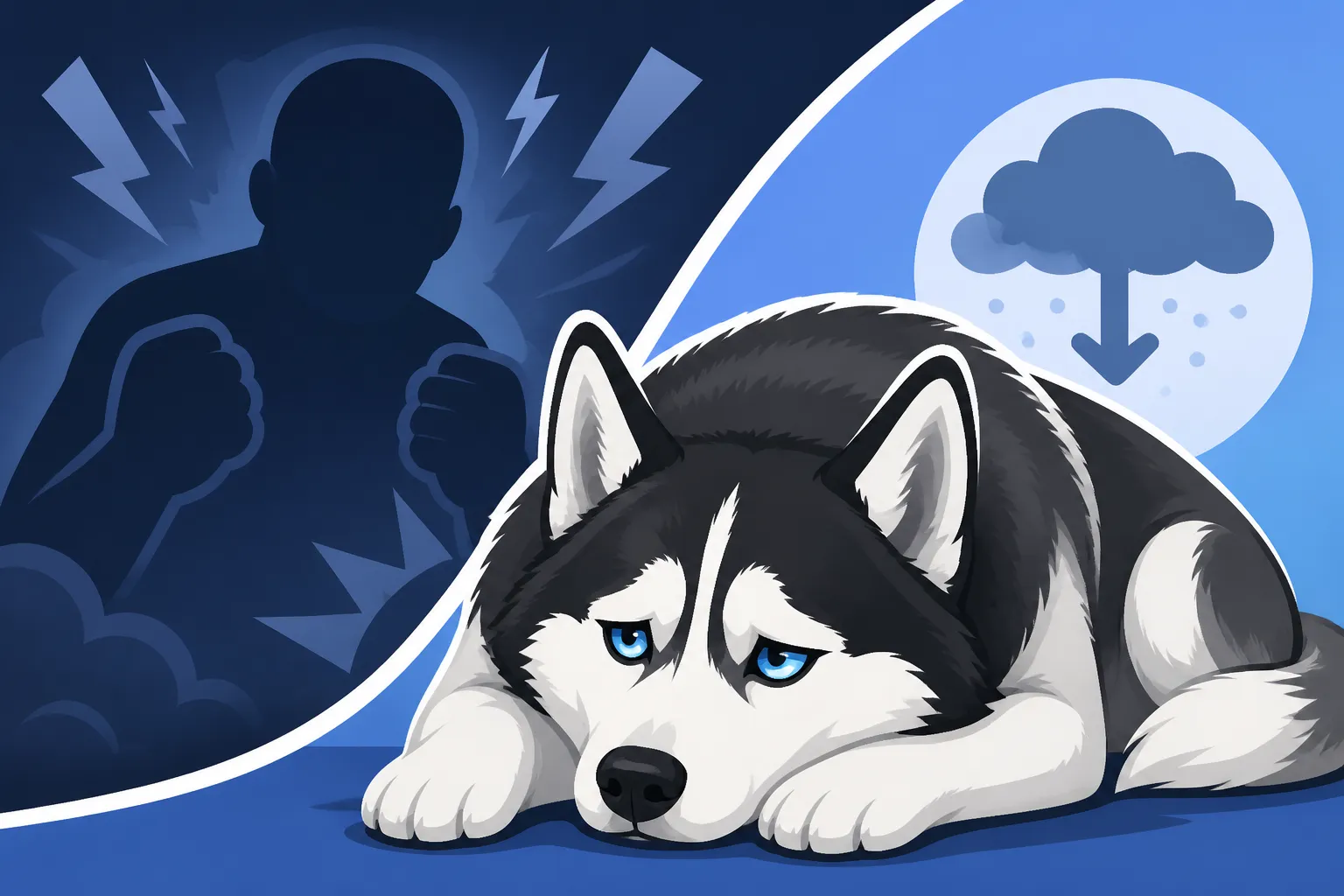
A Siberian Husky That Shuts Down Under Pressure
It’s incredibly disheartening when your usually vibrant Siberian Husky suddenly seems to switch off, becoming unresponsive or seemingly "stubborn" right in the middle of a training session or a challenging situation. This isn't just common husky defiance; often, it’s a clear sign that your sensitive companion is feeling overwhelmed and shutting down under pressure. This guide is here to shed light on why this happens, help you identify the subtle cues, and equip you with the tools to build a positive, trust-based training relationship that honors your husky's unique spirit, preventing those frustrating shutdowns.
Understanding the Siberian Husky's Unique Response to Pressure
Siberian Huskies are magnificent dogs, known for their incredible athleticism, stunning looks, and a famously independent streak. What many new owners don't realize is that beneath that stoic, sometimes mischievous, exterior often lies a deeply sensitive soul. Their history as free-thinking sled dogs means they were bred to make decisions on the fly, not to blindly obey commands under duress. This historical context profoundly impacts how they perceive and react to pressure, whether it's perceived harshness, overly repetitive demands, or even just feeling misunderstood.
The Independent Spirit Versus Compliance
Imagine a team of sled dogs pulling across vast, icy terrain. The lead dog isn't waiting for every instruction; it's navigating, assessing conditions, and making choices that ensure the team's safety and progress. This independence is hardwired into the Siberian Husky. When we bring them into our homes and try to apply traditional, compliance-focused training methods that rely heavily on corrections or physical manipulation, it often clashes with this innate drive. They aren't programmed to simply "give in" to force. Instead, they often choose to disengage. It's not that they're stupid; quite the opposite, they're often too smart to participate in something they find unpleasant or illogical. This is a crucial distinction, as often a husky who seems to "shut down" is actually trying to communicate their discomfort or disinterest in a non-confrontational way.
Sensitivity Masked by "Stubbornness"
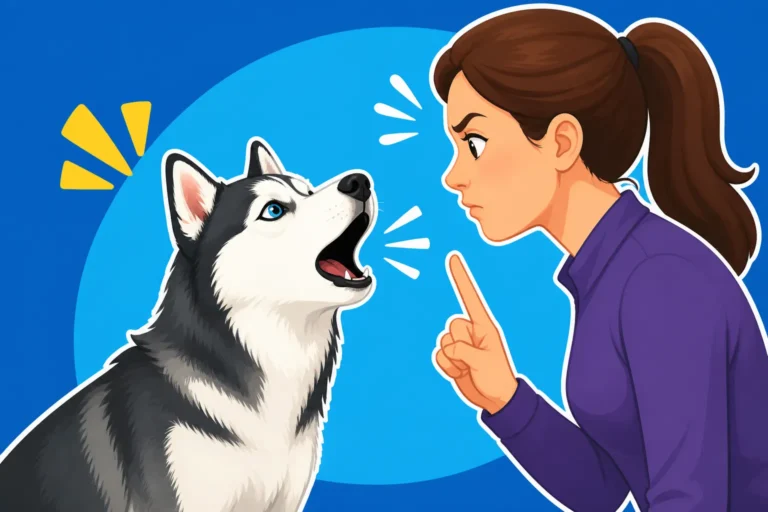
Many people mistake a husky's refusal to engage as sheer stubbornness, and while they can certainly be opinionated, often this behavior stems from a deeper sensitivity. A sharp verbal correction, a firm leash pop, or even a prolonged, demanding training session can be perceived as an immense pressure that breaks their spirit rather than encouraging compliance. They don't typically respond to force by trying harder; they respond by retreating mentally, sometimes physically. They might internalize the pressure, leading to anxiety, rather than performing the desired action. This sensitivity is a hallmark of the breed, and once you understand it, you can begin to tailor your interactions to nurture their confidence instead of inadvertently stifling it. This is why it's so important to understand Why Force Training Fails on a Siberian Husky.
Recognizing the Signs of Shutdown in Your Siberian Husky
It's easy to miss the early warning signs of a husky shutting down because they can be subtle, and often masquerade as other behaviors we might misinterpret. Knowing what to look for can help you intervene before your dog completely disengages, preserving your training session and, more importantly, your bond.
Subtle Cues and Body Language
Before a full shutdown, your husky will often give you a series of increasingly clear signals. These might include turning their head away, avoiding eye contact, yawning excessively when not tired, lip licking, sniffing the ground intently, or even scratching themselves. These are all displacement behaviors, ways your husky tries to cope with stress or communicate that they're uncomfortable without being aggressive. They might slow their movements, become less responsive to their name, or ignore cues they usually perform reliably. Their body posture might become stiff or deflated, and their tail, usually held high or wagging, might drop or tuck slightly. If you see these signals, it’s your cue to pause, reassess, and lighten the pressure.
The Full Disengagement: Freezing and Refusal
When a husky truly shuts down, it can manifest as a complete cessation of activity. They might literally freeze in place, often with a somewhat blank or glazed look in their eyes, as if they're no longer "in their body." They might sit or lie down and refuse to move, even when enticed with high-value treats or toys. Sometimes they'll simply walk away and lie down somewhere else, turning their back on you. This isn't spite; it's a coping mechanism, a form of learned helplessness where they've concluded that nothing they do will alleviate the pressure, so they simply stop trying. This can be particularly frustrating when you're trying to achieve a specific training goal, but it's vital to remember that in these moments, your husky is not being "stubborn" or "dominant"; they are genuinely stressed.
The Pitfalls of Pressure-Based Training for Huskies
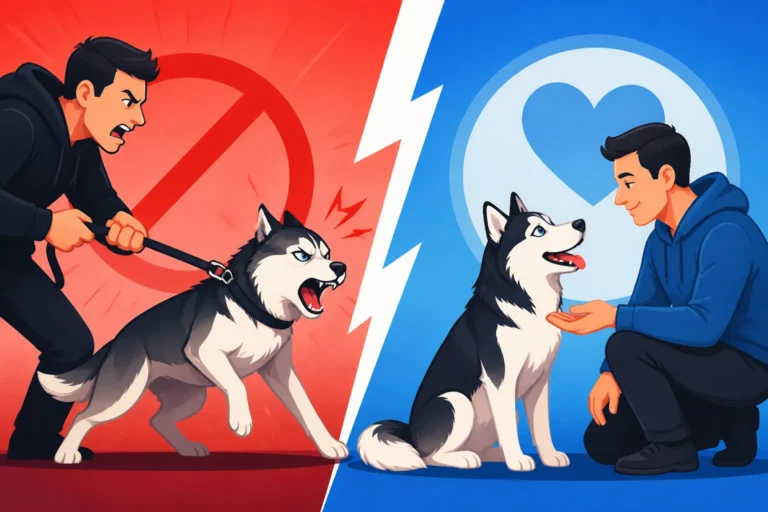
Many traditional dog training methods incorporate some form of pressure and release to teach desired behaviors. While effective for some breeds, for a Siberian Husky, these techniques often backfire, creating a cycle of frustration for both dog and owner.
Deterioration of Trust and Confidence
When training relies on constant corrections or pushing a husky past their comfort zone, it can severely erode the trust they have in you. Instead of viewing you as a reliable leader who guides them kindly, they might start to see you as unpredictable or even threatening. This doesn't just impact training; it affects your entire relationship. A husky that doesn't trust you is less likely to engage, less likely to explore, and more prone to anxiety. Their confidence can plummet, making them hesitant to try new things or even interact with you during non-training moments. Building a strong bond with a husky relies on respect and positive experiences, not on constantly putting them under duress.
Creating Aversion and Behavioral Regression
A common pitfall of pressure-based training is that it can create strong negative associations with the training environment, specific cues, or even the trainer themselves. If every time a husky hears a certain command, they anticipate a correction or an uncomfortable experience, they will naturally try to avoid that command. This can lead to behavioral regression, where previously learned skills disappear, or the husky outright refuses to perform them. For instance, if you're working on recall and consistently use a harsh tone or leash pop when they don't come, they might associate "come" with punishment, making them even less likely to return. Instead of learning what to do, they learn what to avoid, which isn't effective teaching. This is why it's crucial to employ positive methods from the start, as detailed in articles like Building a Siberian Husky Recall Word From Scratch.
The Illusion of Compliance
Sometimes, a husky subjected to consistent pressure appears to comply. They might perform the requested action, but it's often done with a tense body, low tail, or reluctant movements. This isn't genuine engagement or understanding; it's an act of appeasement. The dog is trying to "turn off" the pressure rather than truly learning and enjoying the process. This kind of compliance is fragile and can break down in new environments or under higher stress, often leading to bigger behavioral issues down the line. It's far more rewarding, and ultimately more effective, to have a husky who enthusiastically participates because they want to, not because they fear the alternative.
Building a Trust-Based Training Approach for Your Sensitive Husky
Working with a sensitive Siberian Husky requires a complete shift in perspective from traditional, obedience-focused training. The goal isn't just compliance, but fostering a willing partnership built on mutual respect and positive reinforcement. This approach will not only yield better results but will also strengthen your bond with your unique companion.
Embrace Positive Reinforcement and Choice
The cornerstone of successful husky training is positive reinforcement. This means rewarding desired behaviors with something your husky truly values – whether it's high-value treats (like small pieces of cheese or cooked chicken), favorite toys, or enthusiastic praise. The moment they offer a behavior you like, even if it's just a glance in your direction, mark it with a verbal "yes!" or a clicker, and then reward them. This helps them understand what they should be doing, rather than guessing what they shouldn't. Offering choices within training sessions can also empower them. For example, instead of forcing a long session, give them the option to continue for a few more minutes or take a break. This autonomy significantly reduces perceived pressure. If you're looking for quality training treats or interactive puzzle toys, you can often find a wide variety on Amazon that your husky will adore.
A great way to implement positive reinforcement is through short, engaging sessions that focus on fun. Think of training as a game you play together, not a chore. Keep sessions brief, perhaps 5-10 minutes, and always end on a high note. This ensures your husky stays enthusiastic and doesn't have a chance to get bored or overwhelmed, which can lead to them shutting down. Keeping a Siberian Husky Interested in Training is all about this kind of approach.
Establish Clear Communication and Predictability
Siberian Huskies thrive on clear, consistent communication. Use consistent cues, hand signals, and routines. Predictability helps reduce anxiety, as your husky knows what to expect from you. If your communication is ambiguous or your reactions are inconsistent, it can be a source of stress and confusion, leading them to disengage. Practice in a variety of low-distraction environments before gradually increasing the challenge. Think of it as building a robust language together, one positive interaction at a time. The clearer you are, the less guesswork your husky has to do, and the less likely they are to feel pressured or misunderstood.
A structured routine, even outside of formal training, contributes to predictability. Knowing when walks, meals, and play times occur can make a husky feel more secure and less anxious. This foundational security makes them more receptive to learning and less likely to shut down when unexpected demands arise.
Building Trust Through Patience and Empathy
Perhaps the most critical ingredient for training a sensitive husky is patience. They are not a breed that responds well to being rushed or forced. If your husky shuts down, take a break. Reassess the situation. Was the environment too distracting? Was the request too difficult? Were you asking for too much, too soon? Instead of getting frustrated, try to understand their perspective. Empathy means recognizing that their "stubbornness" is often a plea for understanding.
Spend time just being with your husky without any demands. Go for a leisurely walk, play a favorite game, or simply sit and cuddle if they enjoy it. These moments build a deep, trusting relationship that forms the bedrock for all successful training. If you're seeking structured guidance on positive, trust-based training methods, programs like those offered by BAXTER & Bella can provide excellent support and teach you how to communicate effectively with your sensitive companion, focusing on building a strong relationship from the start.
Empowering Through Environmental Management
Sometimes, preventing shutdown is less about direct training and more about managing their environment. If your husky is overwhelmed by a busy dog park, avoid it. If they struggle with novel situations, introduce them gradually and positively. Use a long line in a secure area to give them a sense of freedom while maintaining safety, which is crucial for Why a Siberian Husky Cannot Be Trusted Off Leash. Provide a "safe space" in your home where they can retreat if they feel overwhelmed – a crate covered with a blanket, a quiet room, or their favorite bed. Knowing they have an escape route from pressure can prevent them from shutting down entirely.
| Aspect | Pressure-Based Training | Trust-Based Training |
|---|---|---|
| Philosophy | Compliance through correction/force | Cooperation through motivation/understanding |
| Motivation | Avoidance of discomfort/punishment | Desire for reward/connection |
| Impact on Dog | Stress, anxiety, potential learned helplessness | Confidence, enthusiasm, strong bond |
| Communication | Often unclear, relies on "no" or physical guidance | Clear cues, positive markers ("yes!"), reinforcing "yes" |
| Response to "Failure" | Correction, increased pressure | Reassessment, simplification, break, encouragement |
| Likely Husky Reaction | Shutdown, avoidance, "stubbornness" | Engagement, eagerness, sustained effort |
| Session Length | Often prolonged, pushing limits | Short, frequent, ends on a high note |
Remember, your Siberian Husky isn't trying to be difficult; they're trying to communicate their needs. By shifting to a trust-based, positive reinforcement approach, you're not just training a dog; you're building a deeper, more resilient partnership with your incredible husky.
Disclaimer
This article is for general informational purposes only and does not constitute professional advice. Laws, prices and regulations vary by location and change over time. Consult a qualified professional for guidance on your specific situation.