A Siberian Husky Loose Near a Neighbor’s Livestock
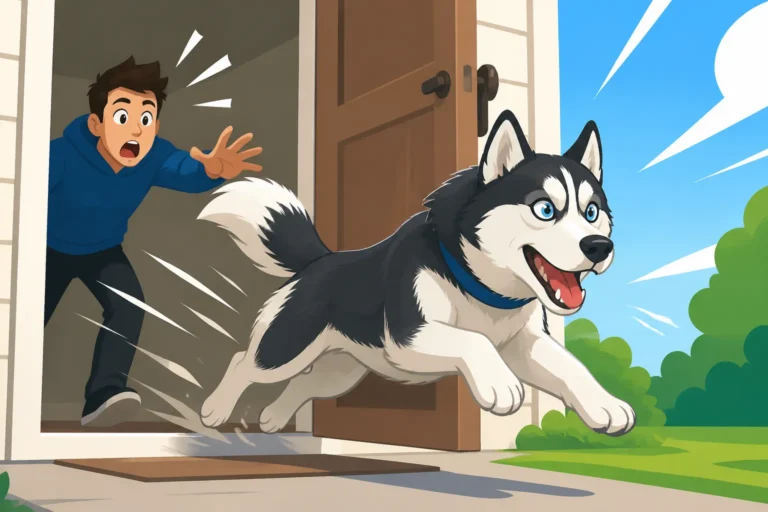
There are few moments more heart-stopping for a Siberian Husky owner than realizing your intrepid explorer has slipped out of the yard, especially when you know there's livestock nearby. The sheer panic, the fear of what could happen, and the potential for devastating consequences for both your dog and your neighbors’ animals is a heavy burden, and it's a very real concern for anyone living with these intelligent, independent dogs in a rural or semi-rural setting. This guide will walk you through understanding why Huskies are a particular risk around livestock, the serious implications of an incident, and, most importantly, how to prevent such a scenario from ever occurring.
The Instinctive Drive: Why Huskies Target Livestock
Understanding your Siberian Husky's inherent nature is the first step in preventing a tragic encounter with livestock. These aren't your average retrievers or lapdogs; they carry a strong, ancient lineage that dictates much of their behavior, especially when it comes to movement and prey.
Deep-Rooted Prey Drive
Siberian Huskies were originally bred by the Chukchi people for endurance sledding, but their survival in harsh environments also meant they needed to be efficient hunters. This isn't just about catching a rabbit for dinner; it's a deep-seated instinct to chase, capture, and, yes, often kill smaller, weaker animals. This "prey drive" is incredibly strong in most Huskies, and it's something you can manage, but rarely, if ever, eliminate entirely.
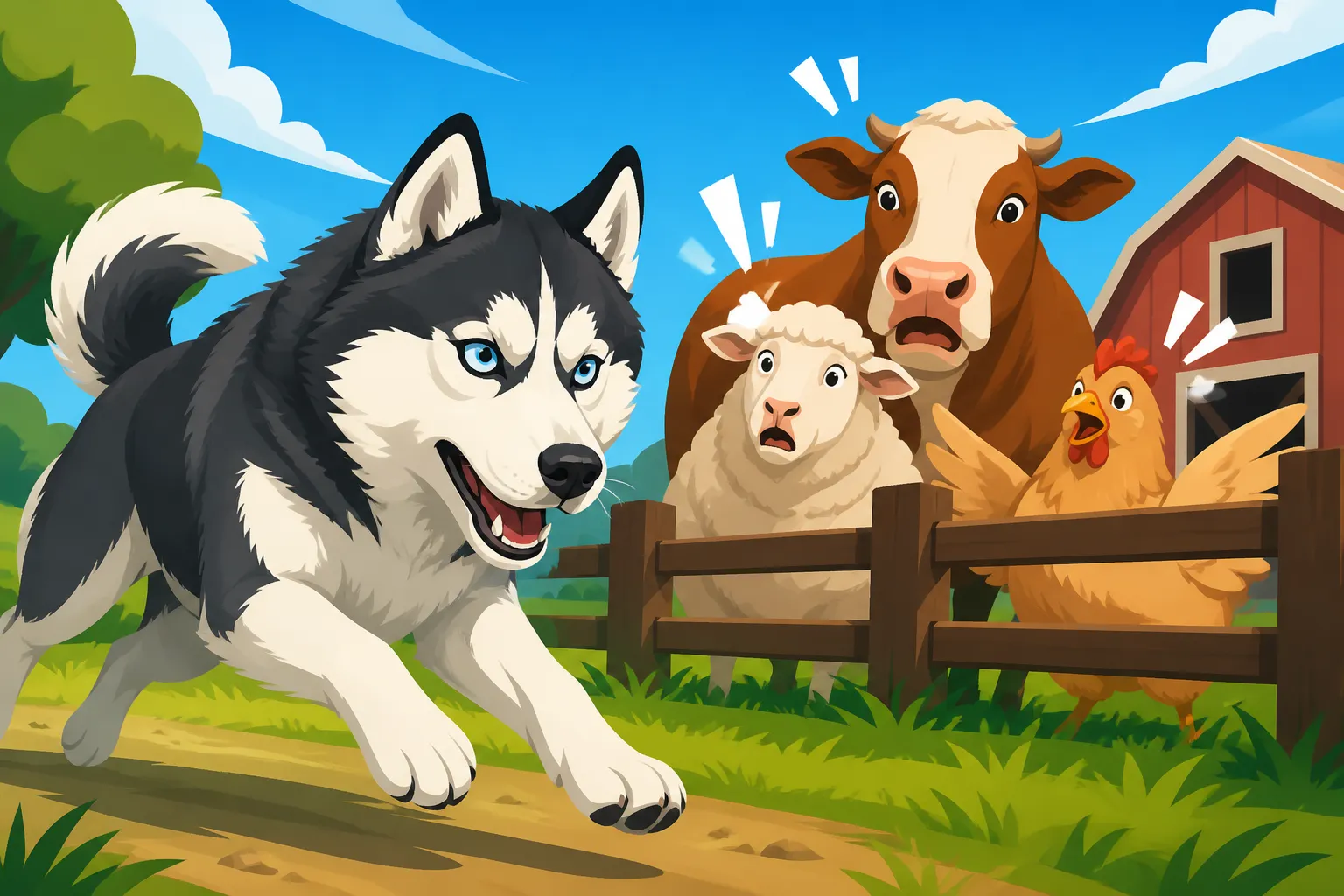
Imagine your Husky's perspective: a flock of chickens scurrying, a goat bounding, or a sheep grazing peacefully. To them, these aren't just farm animals; they are moving targets, an invitation to engage in an ancient dance of chase and capture. It's not malice; it's instinct. It’s a primal urge that often overrides even the best training when the opportunity presents itself. This is why Siberian Husky Prey Drive Around Small Animals is such a critical topic for owners to understand.
The Allure of the Chase and Freedom
Beyond the direct prey drive, Huskies are built to run. They possess an incredible capacity for covering vast distances with seemingly limitless energy. When a Husky escapes, the world suddenly becomes a wide-open playground. The scent of a distant pasture, the sight of a moving animal, or even just the sheer joy of unbridled running can be an irresistible siren call. This combination of powerful running instinct and high prey drive makes any unattended livestock an immediate and extremely high-risk target.
For many Huskies, the thrill of the chase is its own reward. The sight of a startled sheep or a squawking chicken can activate a cascade of natural behaviors, from stalking to a full-on pursuit. This isn't them being "bad"; it's them being a Husky, operating on millennia of selective breeding. This natural inclination to roam and chase is a huge factor in Why a Siberian Husky Cannot Be Trusted Off Leash.
The Immediate Dangers and Severe Consequences
When a Siberian Husky gets loose near a neighbor's livestock, the stakes are incredibly high, far beyond just an inconvenience or a reprimand. The consequences can be devastating for all parties involved, including your Husky, your relationship with your neighbors, and your wallet.
Harm to Livestock
The most immediate and obvious danger is the harm or death of the livestock. Even if your Husky isn't actively trying to kill, the sheer act of chasing can cause immense stress, leading to miscarriages in pregnant animals, stampedes that cause injury, or even fatal heart attacks in smaller, more fragile creatures like chickens or lambs. A Husky's bites, even if not intended to be lethal, can inflict severe wounds that require expensive veterinary care, if the animal even survives.
Consider a flock of chickens. A Husky, seeing them scatter, will likely give chase. One nip, one grab, and a chicken could be dead. For larger animals like goats or sheep, even a playful chase can lead to them running into fences, falling, or being cornered and injured. These incidents are often sudden, brutal, and deeply upsetting for the livestock owner, who views their animals as valuable, and often beloved, members of their farm.
Legal and Financial Liability
This is where things can get very, very serious. In most jurisdictions, dog owners are legally responsible for the actions of their pets. If your Siberian Husky injures or kills a neighbor's livestock, you could be facing significant financial penalties. This isn't just the market value of the animal; it could include veterinary bills for injured animals, compensation for lost income (if the animal was part of a breeding program or production), and even emotional damages. These costs can quickly escalate into thousands of dollars.
Beyond the immediate costs, there might be legal charges depending on local animal control ordinances. Repeated incidents could lead to your dog being declared a "dangerous animal," with potential restrictions, mandatory muzzling, or, in the worst-case scenarios, even euthanasia orders. It's a terrifying prospect, and it underscores the critical importance of preventing escapes. Your homeowner's insurance policy might offer some liability coverage, but consistent incidents can lead to policy cancellation or refusal to renew. It's worth looking into Liability When a Siberian Husky Kills a Neighbor's Cat to understand similar legal ramifications.
Strained Neighborly Relations
An incident involving your Husky and a neighbor's livestock can irreparably damage your relationship with them. Trust is broken, and understandable anger and resentment can fester. No matter how friendly you are with your neighbors, seeing their animals harmed by your pet is an emotionally charged event that can turn friends into adversaries. This can make living in a community incredibly uncomfortable and stressful. Good neighborly relations are invaluable, and a loose Husky incident can shatter them instantly.
Proactive Prevention and Secure Containment
Given the high stakes, prevention is not just important; it's absolutely paramount. You simply cannot afford to take chances with a Siberian Husky and livestock. Their natural instincts are too strong, and their ability to escape is legendary.
Fortifying Your Perimeter
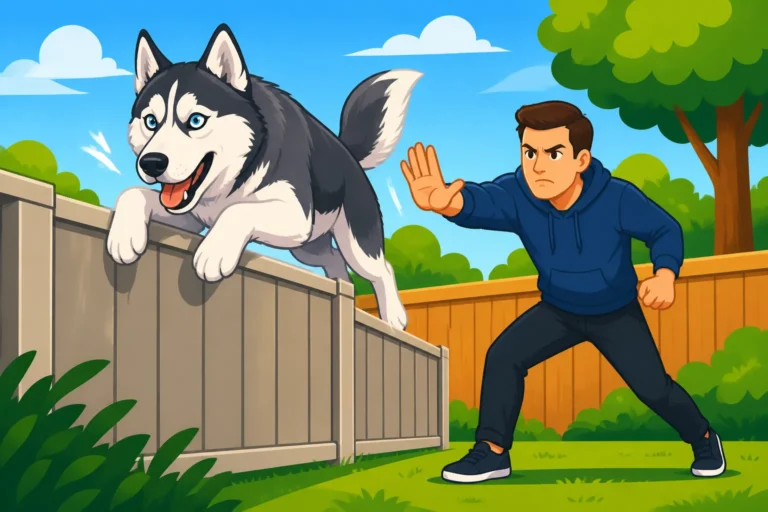
The first line of defense is a truly secure physical barrier. A standard chain-link fence often isn't enough. Huskies are notorious escape artists; they can dig under, climb over, and even figure out how to open latches. Your fence needs to be at least six feet high, ideally with an L-footer or buried wire along the bottom to deter digging. Many owners opt for solid wood privacy fences because they remove visual stimuli that might trigger a chase.
Regular inspection of your fence is crucial. Look for weak spots, loose boards, or areas where your Husky has started digging. Consider adding coyote rollers to the top of the fence if climbing is an issue. For highly determined escape artists, a secure Kennel Runs Built for a Siberian Husky can offer an additional layer of security, particularly when you cannot directly supervise them. Every weak point in your fence is an invitation for an escape.
Never Trust Off-Leash, Always Supervise
This might sound harsh, but it's a golden rule for Siberian Husky owners, especially those near livestock: never trust your Husky off-leash in an unfenced area. Their recall, while trainable to a degree, is often secondary to their prey drive when a moving target presents itself. Even in a seemingly secure yard, supervision is key. Don't leave your Husky unattended for long periods, as boredom and curiosity are powerful motivators for escape.
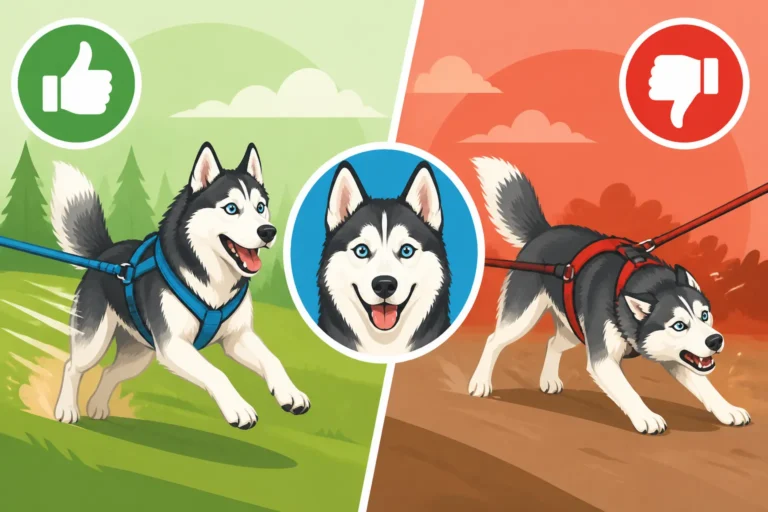
When walking near livestock, always use a strong, secure leash and harness. A martingale collar or a front-clip harness can provide better control than a standard flat collar, reducing the chance of your Husky slipping free if they lunge. Stopping a Siberian Husky From Escaping the Yard requires constant vigilance and proactive measures. If you're out and about, especially if you're hiking or exercising in areas where you might encounter wildlife or farm animals, using a longer training line, like those you can find on Amazon, allows for more freedom while maintaining control.
Training for Impulse Control and Recall
While you can't eliminate prey drive, you can work on impulse control and a rock-solid emergency recall. This takes consistent, positive reinforcement training, starting from a young age. Focus on teaching your Husky to "leave it" and "come" with extreme reliability, even in the face of distractions. Use high-value treats and make training a fun, rewarding experience.
Enrolling in an obedience class or working with a professional trainer who understands the Husky breed can be incredibly beneficial. Online programs, such as those sometimes offered by BAXTER & Bella, can also provide structured guidance to build these essential skills. Remember, training an independent breed like a Husky requires patience and understanding, as outlined in Training an Independent Siberian Husky. The goal isn't to make them ignore all prey, but to make you more interesting than the chase, or at least to respond instantly to an emergency recall.
Here's a quick comparison of containment and training methods:
| Method | Description | Effectiveness for Huskies Near Livestock | Key Considerations |
|---|---|---|---|
| Physical Fence | At least 6ft high, with buried wire/L-footer, no gaps. | High (if properly constructed and maintained). The best first line of defense. | Requires significant investment and regular inspection. Must be climb-proof and dig-proof. |
| Constant Supervision | Never leaving the Husky alone in the yard, especially if unsecured. | High (when done diligently). Human intervention can prevent escapes. | Requires constant presence and attention. Not feasible 24/7. |
| Leash/Harness Control | Using appropriate gear (martingale, front-clip) on walks. | High (when leash is held firmly and gear is escape-proof). Prevents roaming. | Relies on owner's physical strength and attention. Gear must fit perfectly to prevent slipping. |
| Emergency Recall | Training a command that gets your Husky back instantly, every time. | Medium-High (requires immense consistency and high-value rewards, but prey drive can override). | Lifelong training commitment. Needs to be practiced in various environments and with increasing distractions. The Recall a Siberian Husky Will Actually Give You is hard to achieve perfectly. |
| "Leave It" Command | Teaching your Husky to ignore tempting distractions. | Medium-High (effective for minor distractions, but may be challenged by strong prey stimuli). | Essential for impulse control. Needs constant reinforcement in real-world scenarios. |
| Crate/Kennel Training | Providing a secure, comfortable space when unsupervised. | High (if the crate/kennel is robust and the Husky is comfortably acclimated). Prevents escapes from home. | Crate must be sturdy enough for a Husky. Not a replacement for exercise and mental stimulation. |
| GPS Tracker | Attaching a device to the collar to locate a lost dog. | Medium (a recovery tool, not a preventative one). Helps find a dog after an escape. | Battery life, signal strength can vary. Does not prevent the incident, only aids in recovery. Consider Microchips, Tags and GPS for a Siberian Husky. |
Managing an Incident and Long-Term Commitment
Despite all your best efforts, sometimes accidents happen. Knowing what to do in the immediate aftermath of an escape is crucial, and committing to long-term management is the only way to safeguard against future incidents.
Immediate Action During an Escape
If your Husky has gotten loose and is near livestock, time is of the essence. Do not chase them directly, as this often triggers their chase instinct and makes them run further. Instead, call them in a happy, excited voice, perhaps rattling a treat bag or showing their favorite toy. Get your neighbors involved immediately so they can secure their livestock. Keep them updated on your efforts.
Having an emergency recall word that you only use for these high-stakes situations, coupled with the highest value reward your Husky can imagine, might be your best bet. Practice this in a controlled environment, such as a rented, securely fenced field, so that the association is overwhelmingly positive. Once you secure your Husky, remove them from the scene immediately and assess for any damage or injury to the livestock.
Rebuilding Trust and Strengthening Security
After an incident, the priority is to mend fences, both literally and figuratively. Talk to your neighbors openly and honestly. Apologize, offer to cover all damages, and demonstrate what steps you're taking to ensure it never happens again. This might include reinforcing your fence, committing to stricter supervision, or even enrolling in professional training. This transparency can go a long way in repairing a strained relationship.
For your Husky, the incident is a wake-up call to re-evaluate every aspect of your containment and training. This often means investing in better fencing, like those discussed in The Six-Foot Fence a Siberian Husky Needs, securing all gates with robust locks that a clever Husky can't manipulate, and never leaving them unsupervised outside. You might also consider increasing their exercise and mental stimulation to reduce boredom-driven escape attempts. Siberian Husky Destruction When Left Alone can often be linked to insufficient enrichment.
Ultimately, owning a Siberian Husky, especially in an area with livestock, is a lifelong commitment to responsible ownership, vigilant containment, and ongoing training. It's about understanding their unique nature and proactively protecting them, your neighbors, and the animals around you from the consequences of their powerful instincts.
Disclaimer
This article is for general informational purposes only and does not constitute professional advice. Laws, prices and regulations vary by location and change over time. Consult a qualified professional for guidance on your specific situation.