Bikejoring Safely With One Siberian Husky
Getting into bikejoring with your Siberian Husky can be an incredibly rewarding experience, offering an exhilarating way to meet their immense exercise needs and satisfy their innate desire to pull. However, the thrill can quickly turn to frustration or even danger if you're not properly prepared. This guide will walk you through everything you need to know to safely enjoy bikejoring with a single Siberian Husky, ensuring both you and your furry athlete have a fantastic time on the trails.
Understanding the Dynamics of Bikejoring
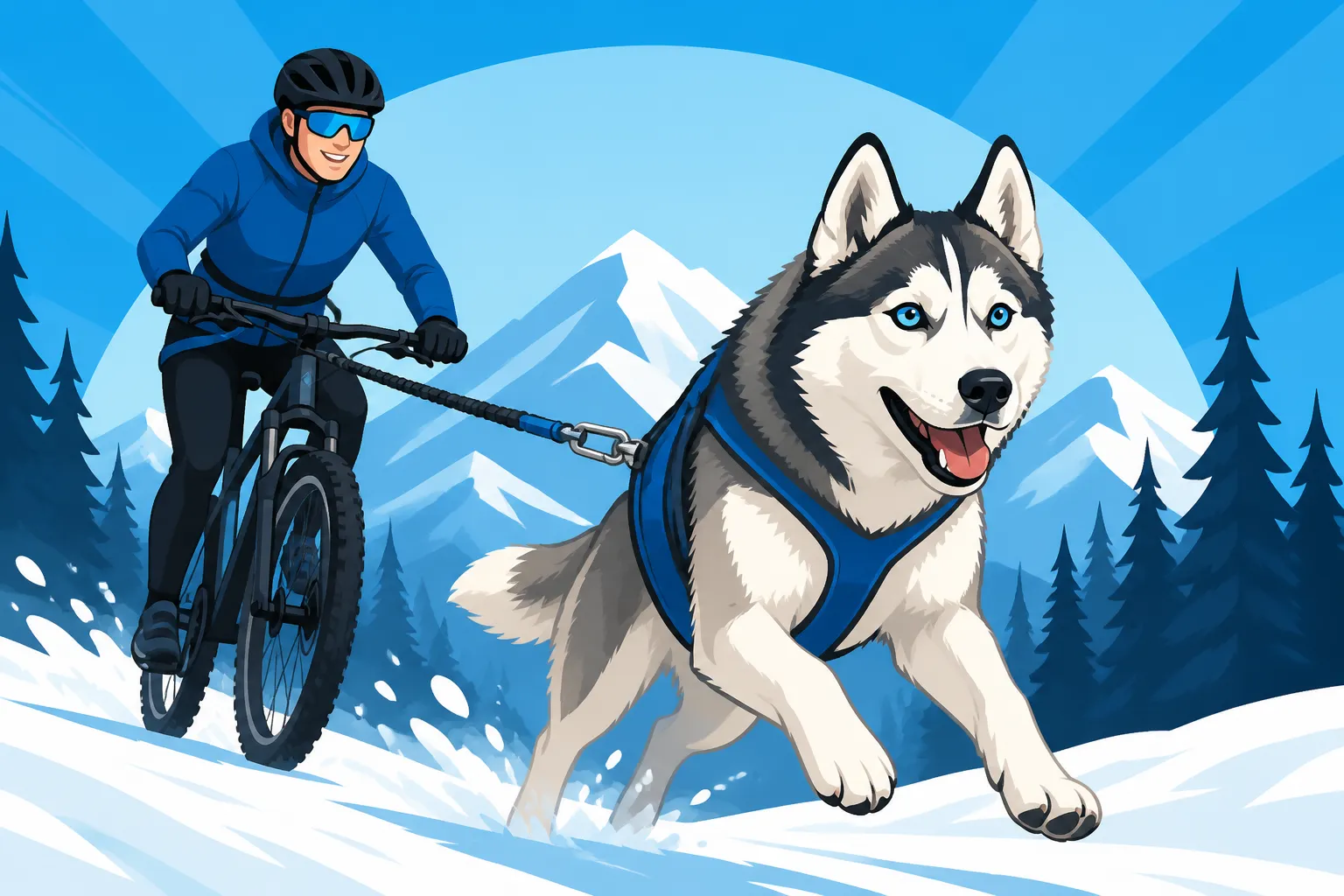
Bikejoring is essentially cross-country skiing without the snow and skis; instead, you're on a bicycle, and your Husky is harnessed to pull you. It's an amazing outlet for a breed like the Siberian Husky, who thrives on working and running. But because you're moving at speed, often on varied terrain, safety is absolutely paramount. It’s not just about attaching a leash to your bike and letting your dog run free; it's a structured activity that demands respect for the equipment, the environment, and your dog's capabilities.
Many new to the sport might underestimate the power a Husky can generate, even just one. That lean, efficient body is built for endurance and pulling. Without the right setup and training, that power can lead to tumbles, tangles, and injuries. We’re aiming for joy, not emergency room visits for either of you.
Why Safety Gear Isn't Optional
When you're dealing with a powerful, enthusiastic dog like a Siberian Husky and combining it with a bicycle, proper safety gear isn't just a recommendation—it's a non-negotiable requirement. Think of it like driving a car; you wouldn't get on the road without seatbelts, right? Bikejoring is no different. Your dog's pulling power means you're going faster, and you're tethered to a living, breathing being with its own instincts.
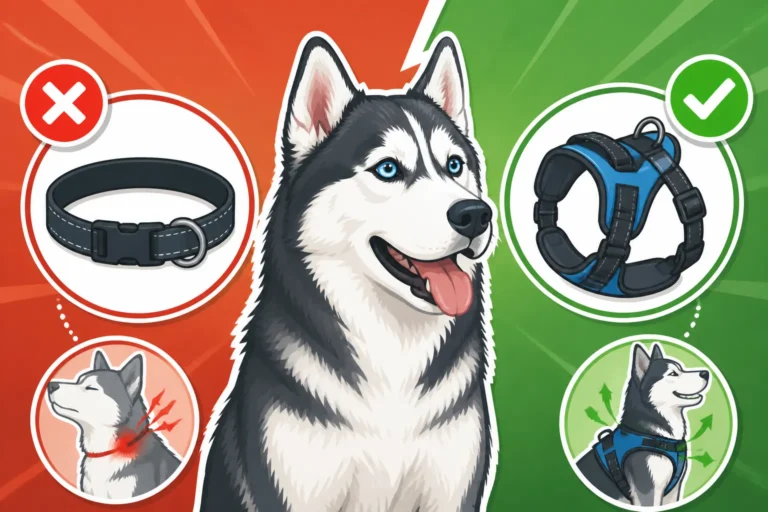
Firstly, for your Husky, a standard walking harness or collar simply won't cut it. These can cause injury, choke points, and distribute pressure unevenly across their delicate throat and shoulders when they are truly leaning into a pull. You need a specialized pulling harness designed to evenly distribute the load across their chest and back, allowing them to breathe freely and pull efficiently without pain. For yourself, a helmet is absolutely essential. Falling off a bike, even at moderate speeds, can result in serious head injuries, and when you're being pulled by a dog, a fall can be even more unpredictable. Gloves are also highly recommended to protect your hands from scrapes and provide a better grip, especially if your hands get sweaty or the trail is bumpy.
The Importance of a Single-Dog Setup
While it might seem tempting to dream of a full team of Huskies pulling you, especially given their heritage, starting with—and often sticking with—a single dog for bikejoring is a smart and safe choice, especially for the average pet owner. Managing one dog allows you to focus all your attention on that dog's cues, its pace, and its training. With more than one dog, the complexities multiply exponentially.
Think about it: one dog means one set of commands to reinforce, one dog's body language to read, and one dog's energy level to manage. If you have two dogs pulling, they need to work together as a cohesive unit, respond simultaneously to commands, and maintain a similar speed. This requires a much higher level of training for both dogs and significantly more skill and experience from the rider. A sudden dart to the left by one dog while the other goes right can cause a dangerous tangle, whereas with a single dog, you have a much more direct line of control and communication. For most recreational bikejorers, focusing on the bond and performance of one amazing Siberian Husky is more than enough.
Essential Gear for Your Bikejoring Adventure
Getting the right equipment is the foundation of safe and enjoyable bikejoring. Skimping on gear can lead to discomfort, injury, or simply a frustrating experience for both you and your Husky. It’s an investment, but it’s an investment in safety and fun.
Harnessing Your Husky for Pulling
This is arguably the most critical piece of equipment for your dog. A proper pulling harness is designed to allow your Siberian Husky to exert maximum power comfortably and safely. Unlike a walking harness that might clip at the front or back and is designed to discourage pulling, a bikejoring harness is made to optimize it. The two most common types for single-dog pulling are the X-back and the H-back (often called a "Freemotion" style harness).
An X-back harness distributes pressure evenly across the dog's chest and along their sides, meeting in an X-shape over their back. The attachment point for the line is at the base of the tail. Freemotion-style harnesses, like those often seen from brands like Non-Stop Dogwear, are designed to give the dog a completely free range of motion in their shoulders and allow for unrestricted breathing, with the pulling force coming from a slightly lower point. Getting the correct fit is paramount. A harness that’s too tight can chafe and restrict movement, while one that’s too loose can shift and cause friction burns or allow your dog to slip out. Reputable brands will have sizing guides, but if you can, visit a specialized store or consult with experienced mushers in your area. You might be surprised to learn that a good pulling harness often feels lighter and less restrictive than a bulky walking harness. For more on what to expect to spend, you can check out What a Siberian Husky Harness Costs.
The Bike and Line Setup
Your bike and the connection to your Husky are equally vital. While you don't need a professional racing bike, a sturdy mountain bike is generally the best choice for bikejoring. Its robust frame, good suspension, and knobby tires are well-suited for varied off-road terrains, providing stability and control. Road bikes are a definite no-go due to their thin tires and less forgiving ride.
Connecting your Husky to your bike requires two main components:
- The Bike Antenna (Bikejor Arm): This is a rigid arm that extends from the front of your bike, keeping the towline away from your front wheel. Without it, the line can easily get caught in the spokes, leading to a sudden, dangerous stop or tangle. You can find various options on Amazon, designed to attach easily to most bike frames.
- The Bungee Line (Towline): This is a specialized line with an integrated bungee section. The bungee acts as a shock absorber, cushioning the pulls and surges from your Husky and preventing harsh jerks on both your dog and your bike. A standard leash is too rigid and can cause discomfort. These lines typically range from 6 to 10 feet in length when taut, providing enough distance between you and your dog to prevent them from getting too close to your wheels while still allowing you to communicate effectively. For details on how these lines differ, take a look at Ganglines and Towlines for a Siberian Husky Team.
Personal Safety Equipment for the Rider
Your safety is just as important as your Husky's.
- Helmet: As mentioned, this is absolutely non-negotiable. Always wear a well-fitting helmet, regardless of how short or "easy" the ride seems.
- Gloves: Padded cycling gloves offer comfort, grip, and protection in case of a fall. They can prevent blisters and scrapes.
- Eye Protection: Sunglasses or clear safety glasses are excellent for protecting your eyes from dust, bugs, low-hanging branches, or mud kicked up by your dog.
- Appropriate Clothing: Dress in layers suitable for the weather and activity level. Moisture-wicking fabrics are great. Avoid loose clothing that could get caught in your bike chain or restrict movement.
- Footwear: Sturdy, closed-toe shoes with good grip are essential. You might need to put a foot down quickly, or even run alongside your bike for a moment.
Training Your Husky for the Trail
Even with the best gear, bikejoring won't be safe or fun without proper training. Siberian Huskies are intelligent, but also independent, so consistent and positive training is key.
Building Foundational Commands
Before you even think about attaching your Husky to a bike, they need to understand and consistently respond to a few core voice commands. These are often borrowed from traditional dog sledding and are crucial for directional control and safety.
- "Gee!" (pronounced "jee"): Turn right.
- "Haw!" (pronounced "haw"): Turn left.
- "Whoa!": Stop. This command must be rock-solid and instantaneous. Your safety depends on it.
- "Hike!" or "Let's Go!": Go forward, start pulling.
- "On By!": Pass distractions without interacting. This is vital when encountering other people, dogs, or wildlife on the trail.
Start by teaching these commands during regular walks or runs, ideally on a long line in an open, safe area. Use high-value treats and enthusiastic praise. Practice, practice, practice! Make it a game. Your Husky needs to understand that these words mean something specific, regardless of distractions. For more on these critical verbal cues, explore The Cues a Siberian Husky Needs in Harness.
Introducing the Bike and Line Gradually
The bike itself can be a strange, sometimes intimidating object to your Husky. Don't just spring it on them.
- Acclimatization: Let your Husky sniff and inspect the bike while it's stationary. Offer treats around it. Make it a positive experience.
- Walking Beside: Once they're comfortable with the bike, practice walking your Husky alongside you while you push the bike. This helps them get used to the sounds and movements of the bike without the pressure of pulling.
- Short Sessions, Positive Reinforcement: When you first introduce the harness and the towline attached to the bike (with the bike antenna in place), keep sessions extremely short and positive. Your first "ride" might just be a few feet. Load them up with praise and treats for even small successes. The goal is to build enthusiasm, not create apprehension. Remember, their natural instinct is to pull, but they need to learn when and how to do it in this new context. Many find platforms like BAXTER & Bella incredibly helpful for structured training guides that emphasize positive reinforcement, making the learning process enjoyable for both dog and owner. They often provide modules that can easily be adapted for specific activities like bikejoring.
Mastering the Art of the Start and Stop
A controlled start and a reliable stop are the cornerstones of safe bikejoring.
- The Start: Begin with your Husky calm and focused. Use your "Hike!" command with an encouraging tone. You might need to pedal a little initially to get some momentum, especially on inclines, taking the initial strain off your dog. Reward them enthusiastically as they start pulling.
- The Stop ("Whoa!"): This is where the training pays off. Practice the "Whoa!" command frequently and consistently. Start by asking for a "Whoa!" when you're moving slowly, gradually increasing the speed. When you give the command, gently apply your brakes to help them understand. As soon as they stop, reward them heavily. A truly reliable "Whoa!" means they will stop on command, even if something exciting is ahead. This is a skill that could literally save a life on the trail. For a similar activity that builds these skills, consider trying Scootering With a Siberian Husky in Fall, which shares many training parallels.
Navigating the Trail Safely and Responsibly
Once you and your Husky have a good grasp on the basics and are comfortable with the gear, it's time to hit the trails! But even then, there are important considerations for ongoing safety and trail etiquette.
Choosing the Right Terrain and Weather
The environment plays a huge role in your bikejoring experience and, more importantly, your Husky's well-being.
- Terrain: Opt for smooth, relatively flat, well-maintained dirt or gravel trails. Avoid highly technical single-track mountain bike trails with sharp turns, steep descents, or lots of rocks and roots, especially when starting out. These can be dangerous for you and your dog. Pavement should be avoided as much as possible, particularly for extended periods. It's hard on your Husky's joints and, critically, their paw pads. A Siberian Husky's paws are built for snow and soft earth, not searing asphalt. Consider Booties for Siberian Husky Paws if pavement is unavoidable for short stretches.
- Weather: This is critical for Siberian Huskies. They are bred for cold climates and can overheat dangerously fast.
- Temperature: Bikejor only in cool or cold weather. Below 50°F (10°C) is ideal. Absolutely avoid bikejoring when temperatures are above 60°F (15°C) or in high humidity. Even on cooler days, constantly monitor your Husky for signs of overheating like excessive panting, slowing down, or struggling. Their double coat, while amazing for insulation in the cold, becomes a liability in the heat. For a deeper dive into this, read Running a Siberian Husky in Summer Heat and Heat Stroke Risk in a Siberian Husky.
- Hydration: Always carry plenty of water for both of you, even on short runs. Offer water frequently, especially during breaks.
Etiquette and Encountering Others
Being a responsible bikejorer means being mindful of other trail users.
- Yield to Others: Always yield to pedestrians and horseback riders. Slow down to a walk when approaching them and move to the side of the trail. Your Husky should be trained to remain calm and pass politely.
- Announce Your Presence: A polite "On your left!" or "Passing on your right!" can prevent startling other trail users.
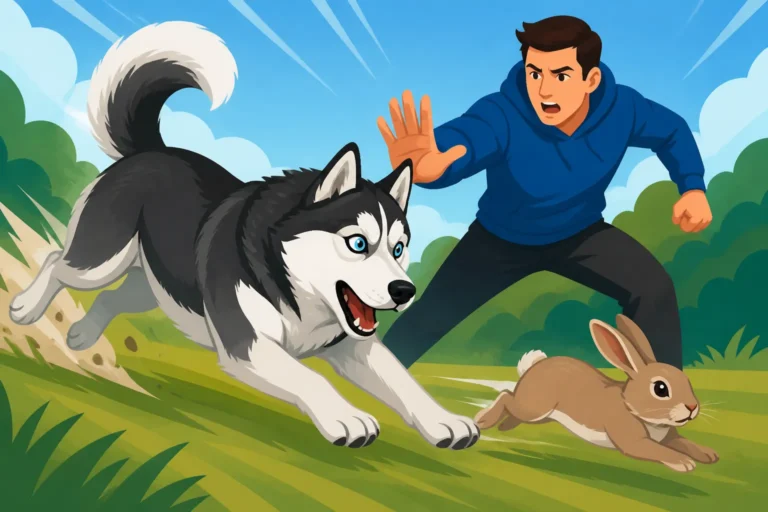
- Maintain Control: Your Husky should be under control at all times, even when pulling with gusto. If they are prone to lunging at other dogs or people, more training is needed before bikejoring on public trails.
- Pick Up After Your Dog: Always carry waste bags and pick up your Husky's poop. No one wants to bike or walk through dog waste.
Emergency Preparedness
Things can go wrong, even with the best planning. Being prepared minimizes risks.
- First Aid Kit: Carry a small first aid kit for both yourself and your dog. Include bandages, antiseptic wipes, pain relief, and any personal medications. For your dog, consider paw balm or a small bootie in case of a pad injury.
- Communication: Always carry a fully charged cell phone. Inform someone of your route and estimated return time.
- Water and Snacks: Beyond your water for hydration, carry a small, high-energy snack for yourself and some high-value treats for your Husky.
- Know Your Route: Stick to familiar trails initially. If exploring new areas, study a map beforehand.
- Recognize Fatigue and Injury: Pay close attention to your Husky. If they start lagging, limping, or show any signs of discomfort, stop immediately. It’s better to cut a session short than push them to injury. Remember, Whether a Pet Siberian Husky Enjoys Pulling is about maintaining that enjoyment through responsible care.
A Table for Your Pre-Ride Safety Check:
| Item | Check Before Every Ride | Notes |
|---|---|---|
| Husky's Harness | Secure fit, no chafing, no damage | Should allow full shoulder movement and clear airway |
| Towline/Bungee Line | No fraying, secure clips, good elasticity | Ensure carabiners are locking type for extra security |
| Bike Antenna | Firmly attached, no wobble, clear of front wheel | Prevents line from tangling in spokes |
| Bike Brakes | Responsive, front and rear working correctly | Essential for stopping safely, especially with a pulling dog |
| Bike Tires | Proper inflation, good tread, no obvious damage | Good grip for various terrains |
| Your Helmet | Snugly fitted, straps secure, no damage | Protects against head injury |
| Water Supply | Plenty for both you and your Husky | Critical for hydration, especially on longer runs |
| Paw Pads | Check for cracks, cuts, foreign objects | Apply paw balm if needed, consider booties for rough terrain |
| Weather Conditions | Temperature, humidity, wind (too hot? too cold?) | Prioritize your Husky's comfort and safety over your desire to run |
| Communication/First Aid | Phone charged, basic first aid kit ready | For emergencies, small injuries, or getting help |
Bikejoring with your Siberian Husky can be an incredible way to bond and provide them with the intense exercise they crave. By investing in the right gear, committing to consistent training (perhaps even using online resources like BAXTER & Bella for guidance), and always prioritizing safety, you'll open up a world of adventure for both of you. Remember that even though your Husky loves to run, understanding How Much Exercise a Siberian Husky Really Needs and balancing it with their individual capabilities is key. Safe trails and happy pulling!
Disclaimer
This article is for general informational purposes only and does not constitute professional advice. Laws, prices and regulations vary by location and change over time. Consult a qualified professional for guidance on your specific situation.