Whether Siberian Huskies Need Snow to Work
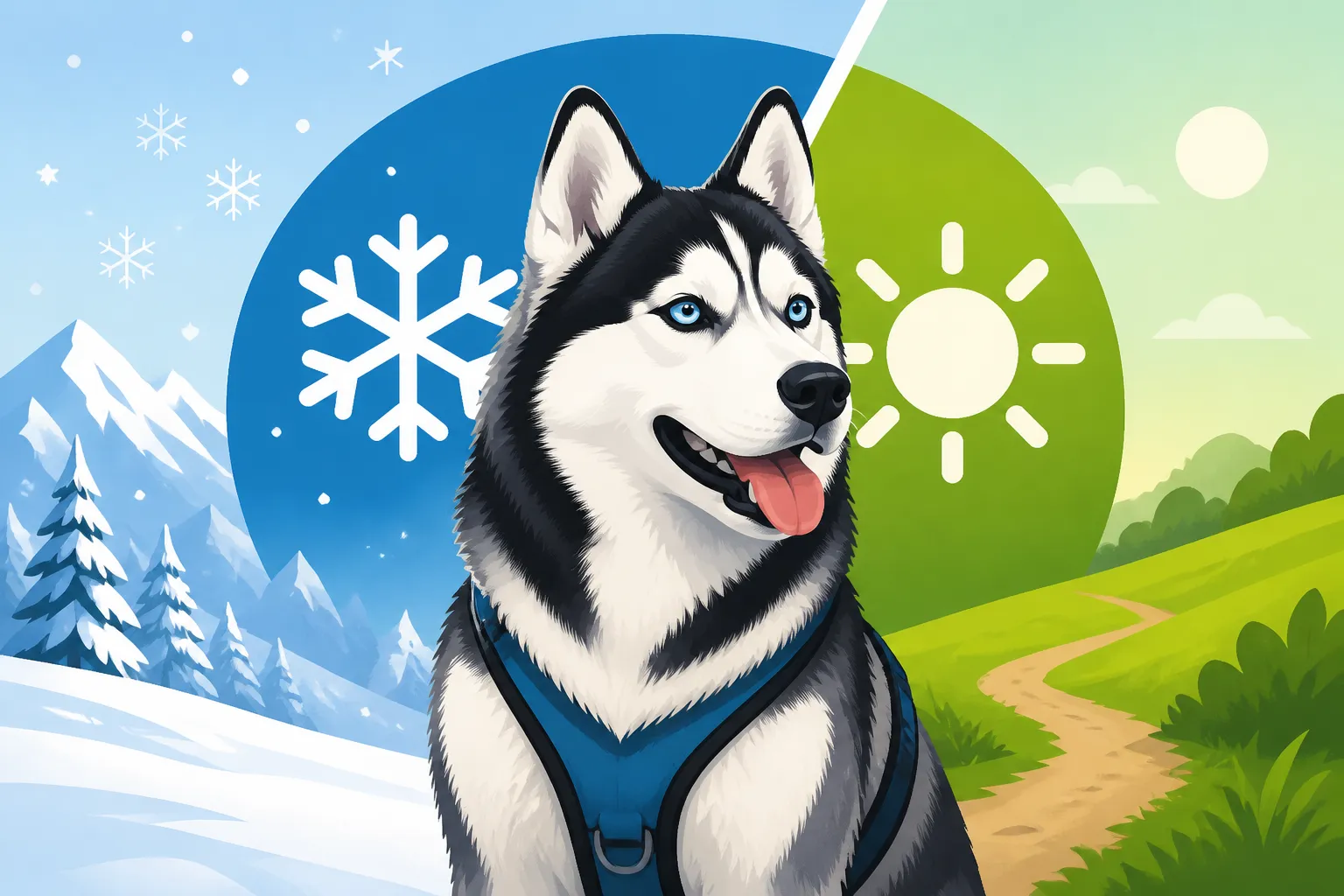
One of the biggest worries many Siberian Husky owners carry, or prospective owners ponder, is whether their beloved furball absolutely needs snow to be happy, healthy, and truly feel like a Husky. It's easy to look at those majestic images of Huskies pulling sleds across vast, snowy landscapes and think, "My backyard in a warmer climate just isn't cutting it." But let me reassure you, this magnificent breed can absolutely thrive and fulfill its intrinsic drive for "work" even without a single snowflake in sight. This guide will help you understand their history, redefine what "work" means for them, and offer practical, snow-free ways to keep your Husky engaged and content.
The Ancestral Roots and Adaptations of the Siberian Husky
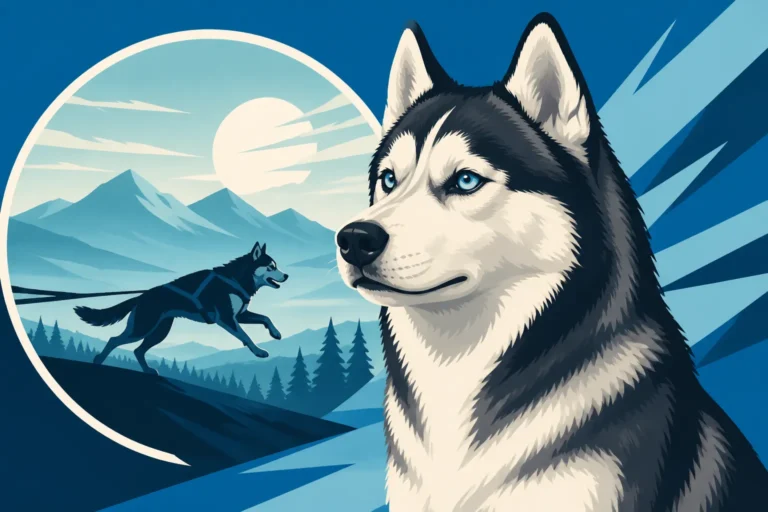
When we talk about Siberian Huskies and snow, we're really talking about a breed whose very existence is intertwined with cold, harsh environments. Their heritage is deeply rooted in Siberia, specifically with the Chukchi people, who developed these dogs for a very specific purpose: to pull light loads quickly over vast distances. It’s a powerful image, isn't it? One that immediately conjures up blizzards, ice, and endless stretches of white.
Bred for the Siberian Wilderness
The Chukchi, an indigenous people of northeastern Asia, relied on these dogs for survival. They weren't just pets; they were integral family members and essential working partners. They needed dogs that could not only withstand extreme cold but also maintain incredible endurance on minimal food, all while being gentle enough to live within the family encampment, even around children. This selective breeding over centuries forged the Siberian Husky we know today. Their physical traits are a testament to this past. Their dense double coat provides unparalleled insulation, keeping them warm in freezing temperatures and, surprisingly, helping to regulate their body temperature in moderate heat. Their almond-shaped eyes, often brilliant blue, are somewhat recessed, protecting them from glare and wind. And their paws? They're perfectly designed for traction on ice and snow, with thick pads and fur between the toes for extra insulation. You can dive deeper into their fascinating history in The Chukchi Origins of the Siberian Husky.
Adaptation Versus Requirement
It's crucial to understand the difference between adaptation and requirement. Siberian Huskies are adapted to snow and cold; they are not required to have it to function. Think of a human athlete trained for marathons. They are adapted to running long distances, but they don't require a marathon course to be fit or happy. They can run on a track, a treadmill, or even cycle. The Husky's drive for activity, for movement, for having a purpose, is what's inherent, not the specific medium of snow. Their high energy levels, intelligence, and often independent nature stem from their need to cover ground and solve problems in a team setting. That energy doesn't just vanish because there's no snow outside. In fact, it can become a real headache for owners if not properly channeled! Many owners realize this when they encounter How Much Exercise a Siberian Husky Really Needs.
Redefining "Work" for a Siberian Husky
The word "work" often brings to mind images of a harnessed team, pulling a sled with a musher. While this is certainly traditional Husky work, it's a narrow definition when considering the full spectrum of activities that can fulfill your dog's inherent needs. For a Siberian Husky, "work" is less about the specific task and more about the mental and physical engagement it provides.
More Than Just Sledding
At its core, "work" for a Siberian Husky means having a job that taps into their natural instincts: pulling, running, exploring, problem-solving, and being part of a team (even if that team is just you!). It’s about burning off that boundless energy, engaging their keen intelligence, and satisfying their desire for purpose. Without this outlet, you might find your Husky inventing their own "jobs," which often manifest as behaviors we find less than desirable, like digging escape tunnels, chewing through furniture, or singing the "song of their people" at the top of their lungs because they're bored.
Consider what qualities traditional sledding brings out:
- Physical exertion: Stamina, speed, strength.
- Mental engagement: Learning commands, making decisions, focusing on a task.
- Teamwork/Bonding: Working with a human partner, understanding expectations.
- Exploration: Covering new ground, sniffing new scents.
These are the elements we need to replicate, regardless of the weather. The activity itself is just the vehicle for these fundamental needs. Whether a Pet Siberian Husky Enjoys Pulling can give you more insight into this intrinsic motivation.
The Importance of Mental Stimulation
Physical exercise alone is rarely enough for a smart, independent breed like the Husky. Their minds need a workout too! Think about their ancestors making decisions on the trail, navigating changing conditions, and responding to commands. This kind of mental engagement is just as vital as physical activity. Puzzle toys, scent work, obedience training, and even learning complex trick chains can be incredibly fulfilling. A tired body and a tired mind make for a happy Husky, and a much happier owner!
Working Your Husky in Snow-Free Environments
So, if snow isn't a requirement, what can you do? The good news is there's a whole world of activities that cater to the Siberian Husky's nature, perfectly adaptable to any climate. The key is creativity, consistency, and a deep understanding of your dog's needs.
Harness Sports Beyond the Sled
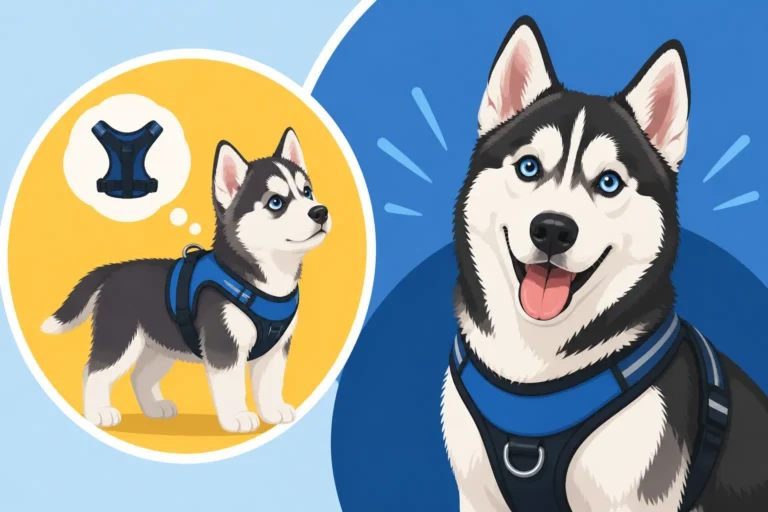
Many modern dog sports are direct descendants of sledding and are perfectly suited for warmer climates. These activities allow your Husky to do what they were bred for – pull – without needing snow. You'll want to invest in appropriate gear, like a well-fitting, comfortable harness designed for pulling, a bungee line to absorb shock, and a canicross belt or bike attachment for yourself. Giving a Siberian Husky a Job in Harness is a great place to start learning more.
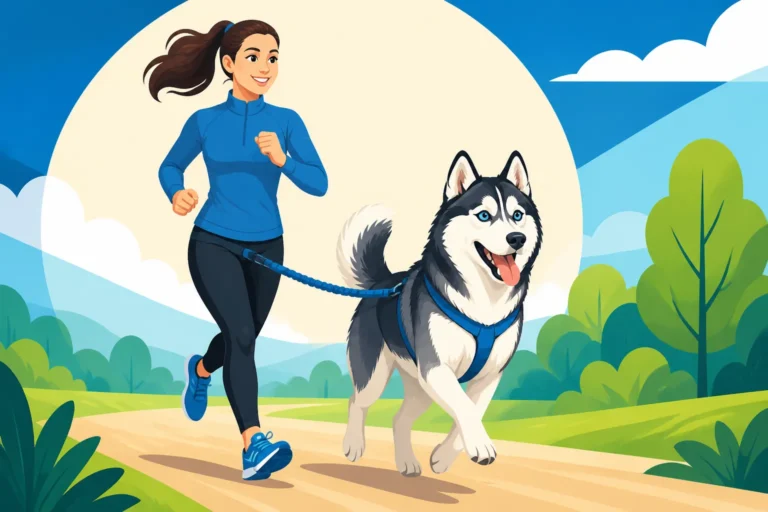
- Canicross: This is essentially cross-country running with your dog pulling you. You wear a specialized belt, and your Husky wears a harness, connected by a bungee line. It’s fantastic exercise for both of you and incredibly bonding. It allows your dog to use their natural pulling instinct in a safe, controlled way.
- Bikejoring: If you enjoy cycling, bikejoring might be for you. Your Husky is harnessed and connected to your bike via a specific attachment that keeps the line away from your wheels. It lets them run at higher speeds, fulfilling their need for bursts of exertion.
- Scootering/Dog Carting: For those who prefer wheels to pedals, dog scootering involves your Husky pulling you on an off-road scooter. Dog carting uses a larger, often three-wheeled cart, allowing you to run one or two dogs. These are excellent ways to engage their pulling power and enjoy the outdoors.
Many specialized harnesses and lines for these sports can be found on retailers like Amazon, ensuring you get safe and durable equipment for your adventures. Remember, when starting any new harness sport, always begin with short distances and gradually increase as your Husky builds stamina and understanding.
Focused Leash Work and Hiking
Even without specialized equipment, structured walks and hikes can provide excellent outlets. However, a typical leash walk around the block might not cut it. Your Husky needs to cover ground, and they are powerful pullers.
- Long-Line Training: In safe, open, fenced areas (or very secure, remote trails), using a long line (20-50 feet) allows your Husky more freedom to explore and run while still being connected to you. This is fantastic for practicing recall in a controlled environment and letting them sniff and investigate to their heart's content. Starting Long Line Work With a Siberian Husky offers some excellent tips.
- Urban Mushing (Walking with a Purpose): Even in urban environments, you can make walks more engaging. Instead of just strolling, make it a brisk power walk, or incorporate short bursts of jogging. Use cues to keep them focused, practice turns, and vary your routes to keep things interesting. You'll find that Why a Siberian Husky Pulls Harder in a Harness can be managed with the right training and equipment, like a front-clip harness.
- Hiking Adventures: If you have access to trails, hiking is a phenomenal way to combine physical exercise with mental stimulation. The varied terrain, new smells, and changing scenery keep Huskies incredibly engaged. Always be mindful of the temperature, especially in warmer months, and carry plenty of water for both you and your dog.
The Power of Play and Training
Beyond structured exercise, consistent training and interactive play are essential. Siberian Huskies are intelligent, but also independent. They need to be regularly challenged.
- Interactive Play: Fetch, tug-of-war, or chase games in a securely fenced yard are great for burning off energy and strengthening your bond. Just be sure to set clear rules for games like tug to prevent resource guarding.
- Obedience and Trick Training: Enrolling in obedience classes or working on trick training at home with resources like BAXTER & Bella can be incredibly rewarding. It taps into their problem-solving abilities and reinforces their connection with you. Huskies might be independent, but they are capable learners. Consistent, positive reinforcement training helps them focus their clever minds on acceptable tasks.
- Scent Work and Nose Games: Huskies have good noses and enjoy using them. Hide-and-seek with treats or toys, or enrolling in formal nose work classes, can be incredibly enriching and tiring for their brains.
- Agility: This fast-paced sport involves navigating an obstacle course. It requires both physical prowess and mental focus, making it an excellent choice for an energetic Husky.
Ensuring Your Husky's Well-being in Warmer Climates
Adapting your Husky's "work" to a snow-free environment isn't just about finding alternatives; it's also about ensuring their safety and comfort, especially when dealing with heat.
Managing Heat and Hydration
A Siberian Husky's double coat is fantastic for insulation against cold, but it also means they are incredibly susceptible to overheating in warmer weather. This is where adaptation comes in – you need to adapt your routine, not expect your Husky to change its biology.
- Timing Exercise: Avoid exercising your Husky during the hottest parts of the day. Early mornings and late evenings are often the best times in warmer climates.
- Providing Shade and Water: Always ensure access to plenty of fresh, cool water. If they spend time outdoors, they must have constant access to shade.
- Cooling Aids: Cooling vests, cooling mats, and even kiddie pools (many Huskies love to splash!) can help them stay comfortable. Learn more about Cooling a Siberian Husky Down Fast.
- Awareness of Heatstroke: Be vigilant for signs of overheating, such as excessive panting, lethargy, drooling, or staggering. Heatstroke is a medical emergency. You should always be aware of The Temperature a Siberian Husky Starts Struggling At and how it affects them.
Nutritional Considerations
A Husky's metabolism is notoriously efficient. This means they often need less food than you might expect for their size and energy output. However, if you are actively engaging them in demanding activities like canicross or bikejoring, their caloric needs might shift. Always monitor their weight and body condition. A fit Husky should have a visible tuck in their waist and you should be able to feel their ribs without seeing them prominently. Adjust their food intake based on their activity level, and always provide high-quality nutrition.
Regular Vet Check-ups
Just like any athlete, your working Husky, whether in snow or not, benefits from regular veterinary care. Discuss their exercise regimen with your vet, especially if you're taking up more strenuous sports. Regular check-ups ensure they are in peak condition, and can help catch any underlying issues before they become serious. This is especially true as they get older, as covered in Caring for a Siberian Husky Past Ten.
Embracing the Journey with Your Siberian Husky
Ultimately, whether your Siberian Husky has access to vast snowy plains or a sunny neighborhood park, their fundamental needs remain the same: plenty of physical exercise, consistent mental stimulation, positive training, and a strong bond with their human family. The misconception that they require snow can deter many loving homes from adopting these incredible dogs, or cause unnecessary guilt for owners who live in warmer locales.
The truth is, Huskies are incredibly adaptable creatures, and their spirit of adventure and desire to "work" can be channeled in countless ways. By understanding their history, respecting their instincts, and providing creative outlets for their energy, you can ensure your Siberian Husky leads a full, happy, and immensely fulfilling life, no matter the forecast. It’s not about the snow; it's about the partnership and the journey you share.
| Activity Type | Snow-Based Example | Snow-Free Alternative | Required Gear | Benefits |
|---|---|---|---|---|
| Pulling Sports | Sledding | Canicross, Bikejoring, Scootering, Dog Carting | Specialized pulling harness, bungee line, canicross belt/bike attachment/scooter | High cardio, fulfills instinct to pull, builds teamwork |
| Endurance Exercise | Skijoring (skiing with dog) | Long-distance hiking, running/jogging (weather permitting), long-line running in open fields | Comfortable leash/harness, proper running shoes for owner, water, long line | Builds stamina, mental exploration, burns energy |
| Mental Engagement | Problem-solving on trail | Obedience training, trick training, scent work, puzzle toys, agility | Training treats, clicker, puzzle feeders, agility equipment, BAXTER & Bella resources | Boosts intelligence, reduces boredom, strengthens bond, improves manners |
| Free Play | Running through deep snow | Supervised play in a securely fenced yard (fetch, tug), dog park visits (with caution and supervision) | Durable toys, secure fencing | Socialization, pure joy, quick energy release |
Disclaimer
This article is for general informational purposes only and does not constitute professional advice. Laws, prices and regulations vary by location and change over time. Consult a qualified professional for guidance on your specific situation.