Whether a Siberian Husky Clears a Dog Park Fence
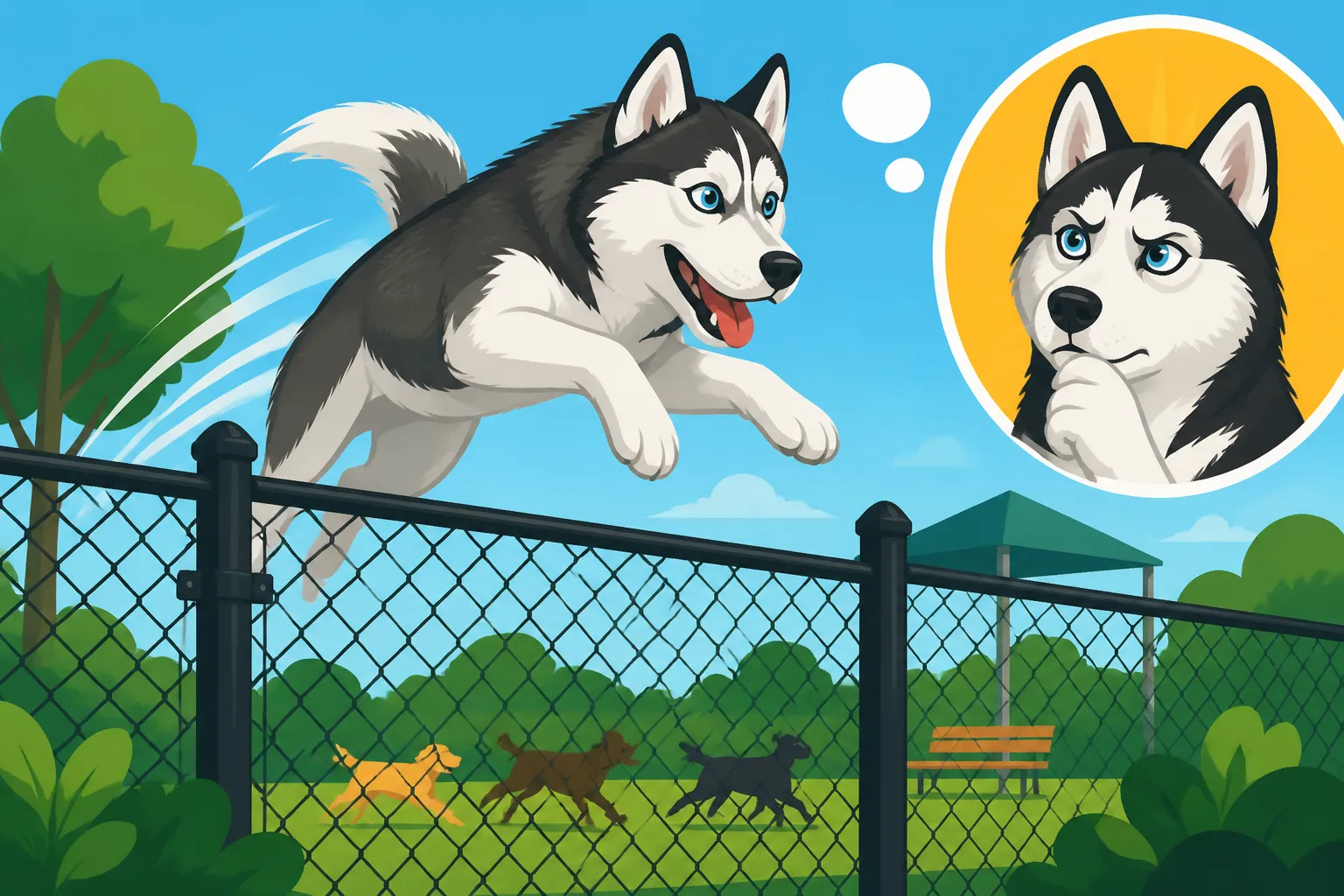
It’s a scenario many Siberian Husky owners know all too well: standing at the dog park, heart in your throat, as your beautiful, independent husky eyes the fence line with a calculating gaze. You wonder, can they actually clear that? This guide will dive deep into the real capabilities of these escape artists, examining whether a Siberian Husky can indeed clear a dog park fence, and what you can do to keep your adventurous companion safely contained and happy.
The Athletic Prowess of the Siberian Husky: Why Fences Are Often Just a Suggestion
Let's be brutally honest: most standard dog park fences are simply not built for a determined Siberian Husky. These dogs were bred for endurance, strength, and incredible athleticism. Their entire physiology is geared towards efficient, powerful movement over vast distances, and that includes a remarkable ability to jump and climb. It’s not about being disobedient; it’s about their heritage.
The Physical Capabilities That Defy Standard Fencing
Siberian Huskies are medium-sized dogs, typically standing between 20 to 23.5 inches at the shoulder and weighing 35 to 60 pounds. Don't let their moderate size fool you; they are packed with lean muscle and a spring-loaded physique. Their powerful hindquarters are designed for propulsion, making them excellent jumpers. Many owners are genuinely shocked by how high their husky can effortlessly clear obstacles that would stop other breeds in their tracks.
Think of it like this: a high jumper isn't necessarily the tallest athlete on the track, but they possess the specific muscle strength and technique to propel themselves upward. Huskies have a similar build. Their athleticism means that a fence that looks perfectly adequate for a Labrador or a Golden Retriever might just be a minor hurdle for your husky. We’re talking about an instinct to overcome obstacles, not just a casual hop. For many, a four-foot fence is barely a deterrent. Some highly motivated individuals have been known to clear six-foot barriers without much fuss. If you’ve ever watched a husky scale a chain-link fence by using its paws as natural climbing hooks, you’ll understand. It's truly a sight to behold, and often, a heart-stopping one for owners.
The Instinct to Roam and Explore
Beyond raw physical ability, a husky’s very nature predisposes them to escaping. The Roaming Instinct Bred Into Every Siberian Husky is not just a quirky trait; it's deeply ingrained in their DNA. Their ancestors were nomadic dogs, covering huge territories. This inherent desire to explore new horizons means that if there's a perceived "outside" to their current enclosure, they will investigate. A dog park, with all its fascinating smells, sights, and sounds beyond the fence, is a huge temptation.
This isn't malicious behavior; it's simply a husky being a husky. They are curious, intelligent, and driven by instinct. The world outside that fence might hold the scent of a rabbit, the sight of a passing jogger, or simply the allure of the unknown. For a husky, the grass isn't just greener on the other side – it's an entire new wilderness to explore. They don't conceptualize "belonging" in the same way some other breeds do. Their pack is important, but so is their personal freedom and the thrill of the chase. This makes places like dog parks, where they're off-leash but still technically contained, a tricky balance.
Understanding the Triggers: What Makes a Husky Eye That Fence Line?
It’s rarely a random act. There are usually very specific motivators that push a husky to consider a fence a mere suggestion rather than a solid boundary. Recognizing these triggers is the first step in managing the risk.
The Irresistible Call of Prey Drive
One of the most potent triggers for a husky to jump a fence is their incredibly strong Siberian Husky Prey Drive Around Small Animals. Huskies were historically used to hunt and chase small game, and that instinct is alive and well in today's dogs. A squirrel scampering across the street, a rabbit darting into the bushes, or even a bird flying too low can act as an instant, irresistible lure.
When that prey drive kicks in, all previous training, all sense of boundary, can simply vanish in a puff of adrenaline. Their focus narrows to that moving target, and their powerful bodies respond. They're not thinking about the consequences; they're operating on pure, ancient instinct. This is why even a dog who has never jumped a fence before might suddenly launch themselves over when a rabbit crosses their path. It’s a primal response that overrides learned behaviors, and it’s something every husky owner must be aware of, especially in environments where small wildlife might be present outside the park's perimeter.
Boredom, Under-stimulation, and the Search for Adventure
Another major factor is simply a lack of sufficient physical and mental stimulation. Huskies are high-energy dogs that need a lot of exercise and mental engagement. If they're not getting enough, a dog park can quickly become boring, and their adventurous spirit will seek more stimulating outlets. A dog who's had a long, satisfying run or a challenging training session before heading to the park is generally less likely to look for trouble. However, if they've been cooped up all day, the siren call of an escape route can be very strong.
Imagine your husky standing around, observing other dogs, feeling a bit restless. Then, a new smell drifts in from beyond the fence – perhaps a dog being walked by its owner, or the tantalizing aroma of a distant barbecue. For a bored husky, this suddenly makes the outside world infinitely more appealing than the inside of the park. They begin to problem-solve, looking for weaknesses in the fence, or assessing if they can simply leap over. A mentally and physically fulfilled husky is a much calmer, more contained husky. This is why Giving a Siberian Husky a Job in Harness or engaging in active play before a dog park visit can make a huge difference.
The Lure of Other Dogs, People, or Novelty
Sometimes, the motivation is not escape for freedom, but escape towards something. A husky might see another dog or person walking just outside the fence and feel an overwhelming desire to go greet them. Or, they might spot a novel object – a discarded ball, a unique plant – and simply want to investigate. Their curiosity is boundless, and their need to socialize (or simply observe) can be a powerful driver.
This is particularly true for younger, less experienced huskies who haven't quite developed their impulse control. They see, they want, they go. It's a testament to their friendly nature, but also a challenge for owners trying to keep them safely inside. Even if your husky is generally good with other dogs, the excitement of a new face, combined with the "challenge" of the fence, can be too much to resist. They also might be reacting to a perceived threat or an undesirable interaction inside the park and see the fence as their exit strategy.
Assessing Your Husky's Jumping Risk and the Dog Park Environment
Before you even step foot in a dog park, it’s crucial to understand your individual husky’s tendencies and to thoroughly evaluate the park itself. Not all dog parks are created equal, and not all huskies have the same escape artist skillset.
Knowing Your Husky: Is Your Dog a Potential Jumper?
Every husky is an individual, but there are some common signs that your dog might be a high-risk jumper. If you’ve observed your husky:
- Testing boundaries at home: Have they ever tried to scale your backyard fence? Do they frequently jump on furniture or other elevated surfaces with ease?
- Exhibiting high energy levels: Is your husky constantly on the go, even after significant exercise? This pent-up energy can translate into escape attempts.
- Showing intense focus on external stimuli: Does your husky become oblivious to your commands when a squirrel or bird appears? This laser focus can override their training at a park.
- Having a history of escaping: If your husky has previously gotten out of your yard or house, they've already learned how rewarding escape can be. This behavior is likely to be repeated.
Even if you haven't seen them jump, consider their breed traits. If your husky is lean, athletic, and full of independent spirit, assume they can jump a four or five-foot fence. It’s always better to be overly cautious when it comes to containing these clever dogs. You can try some controlled observation in a very secure area, like a friend's yard with a much higher fence, to see how they react to different stimuli and heights.
Evaluating Dog Park Fence Heights and Security
This is where your diligence comes in. Before you unleash your husky into any dog park, do a reconnaissance mission. Walk the perimeter, critically assessing the fencing.
- Height: What is the actual height of the fence? Many public dog parks have fences that are only four or five feet tall. For many huskies, especially if they have a decent running start, this is simply not enough. Six feet is often considered the minimum secure height for a husky, and even then, some determined individuals can find a way. Remember, they often need less height than you'd think, thanks to their explosive power. The Height a Siberian Husky Can Clear can vary, but generally, under six feet is a significant risk.
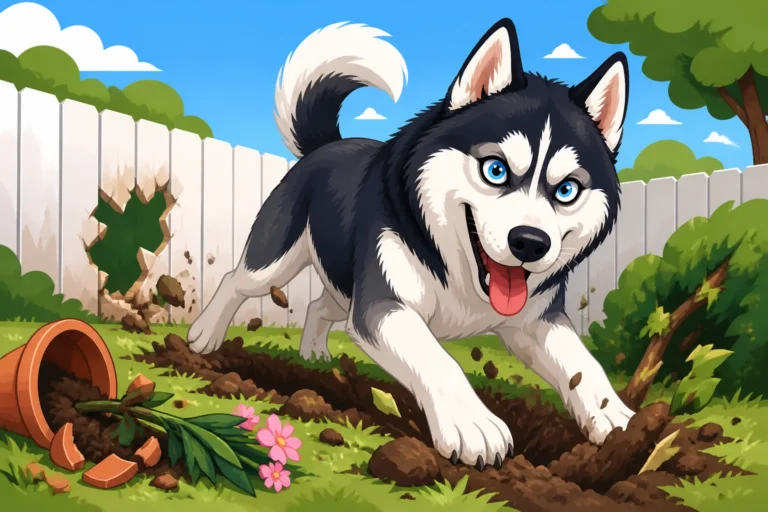
- Material and Integrity: Is it chain link, wood, or something else? Chain link, while seemingly sturdy, can often be scaled by huskies who use the mesh as a ladder. Wooden fences can have gaps or weak points. Look for signs of wear and tear, loose posts, or areas where the fence meets the ground. Huskies are also skilled diggers, so check if there's an L-footer or buried wire to prevent them from digging under the fence.
- Gate Security: How do the gates operate? Are they self-closing? Do they have a secure latch that a smart husky couldn't possibly figure out (yes, some can learn to open basic latches)? Is there a double-gate system for entry and exit, creating a safety buffer?
- External Lures: What's outside the fence? Is there a busy road? A walking path frequented by people with strollers or other dogs? A wooded area known for squirrels or rabbits? The more external temptations, the higher the risk.
Here’s a quick comparison of common dog park fence types and their suitability for a Siberian Husky:
| Fence Type | Typical Height | Husky Jumping Risk | Notes |
|---|---|---|---|
| Standard Chain Link | 4-5 feet | High | Easily scaled, "ladder" effect. Even 6ft can be scaled by determined individuals. |
| Wood Privacy Fence | 4-6 feet | Moderate to High | Less scalable, but can have gaps underneath or be compromised if not maintained. Still jumpable if 4-5ft. |
| Welded Wire Mesh | 5-6 feet | Moderate | Harder to climb than chain link due to smaller openings, but still jumpable if low enough. |
| Chain Link with Top Bar | 6+ feet | Lower | The top bar helps prevent scaling, but a running jump can still clear it if motivated. |
| Solid Masonry/Brick | 6+ feet | Very Low | Most secure option, impossible to climb. Risk then becomes digging underneath or gates. |
Ultimately, if you have any doubt about the fence, it’s not worth the risk. A husky that escapes a dog park can quickly become lost, injured, or cause trouble. Siberian Husky Deaths From Trauma and Escape are tragically common.
Proactive Strategies to Keep Your Siberian Husky Safely Contained (and Engaged!)
So, you want your husky to enjoy the dog park, but you also want them to stay in the dog park. It requires a combination of smart management, consistent training, and sometimes, a little extra gear.
Training for Reliability, Even When They're Distracted
While a husky's recall can be notoriously challenging, especially when their prey drive is engaged, consistent training is still your best friend. Don't expect perfection, but strive for high reliability.
- Build a Rock-Solid Recall: This is paramount. Practice your recall word or whistle in increasingly distracting environments. Use incredibly high-value treats – something truly irresistible – that your husky only gets for coming when called. Think cooked chicken, cheese, or even small pieces of hot dog. The goal is for your voice to be more rewarding than whatever has caught their attention. The online courses from BAXTER & Bella can provide structured guidance and progressive steps for building a strong recall foundation, offering strategies that cater to independent breeds like huskies. Remember, Teaching a Siberian Husky to Come Back takes consistent, positive reinforcement.
- Impulse Control Exercises: Teach "leave it" and "stay" with increasing distractions. This helps your husky learn to ignore tempting things, whether it's a dropped treat or a squirrel outside the fence. Start small, in a low-distraction environment, and gradually increase the challenge.
- "Check-ins" at the Park: Even if your husky is playing, periodically call them to you for a quick pet and a high-value treat, then release them to play again. This reinforces that checking in with you is rewarding and keeps you relevant even when they're having fun. It also builds a habit that might save you if they start eyeing the fence.
Remember, A Siberian Husky That Comes Only When It Suits is a common problem, so be realistic about your dog's capabilities and don't put them in situations where failure is likely.
Smart Management and Equipment
Even with the best training, some huskies will always see a fence as a challenge. That's where smart management comes in.
- Leash Up Until You're Sure: If you're new to a dog park or unsure about your husky's behavior, keep them on a long line initially. An easily accessible option like a 30-foot training leash from Amazon can give them freedom to explore while still allowing you to intervene quickly if they head for the fence or get into a tussle. This gives you peace of mind while you assess the environment and your husky's response.
- Supervision is Key: Never, ever let your husky out of your sight at a dog park. Keep your phone in your pocket and your eyes on your dog. Watch for those subtle signs: the head cock, the focused stare, the tensing of muscles towards the fence. These are precursors to a jump attempt.
- Timing Your Visits: Go during off-peak hours when there are fewer dogs and less external commotion. This reduces distractions and the likelihood of your husky feeling overwhelmed or looking for an escape.
- Consider a Harness, Even for Play: While off-leash in the park, if you need to quickly grab your husky, a well-fitting harness can provide a secure handle. Just be sure it's not a front-clip harness, which is designed to reduce pulling on leash and might be less effective for quickly grabbing if they're bolting.
Providing Adequate Exercise Beforehand
A tired husky is a good husky. Before heading to the dog park, give your husky a good workout. This might mean a long walk, a run, or some vigorous play in your backyard. How Much Exercise a Siberian Husky Really Needs is substantial, and meeting that need before the park can significantly reduce their desire to invent their own adventure.
A husky that arrives at the dog park already having burned off some of that boundless energy is less likely to become bored, less likely to feel the need to roam, and generally more inclined to engage with you or other dogs in a positive way within the confines of the park. It's about setting them up for success, not expecting them to magically suppress their instincts because of a fence. Ultimately, while it's tempting to think a dog park fence is a universal boundary, for many Siberian Huskies, it's just another obstacle to assess. Being prepared, understanding their nature, and employing smart strategies are your best defense against an impromptu escape.
Disclaimer
This article is for general informational purposes only and does not constitute professional advice. Laws, prices and regulations vary by location and change over time. Consult a qualified professional for guidance on your specific situation.