Whether a Siberian Husky Will Overeat
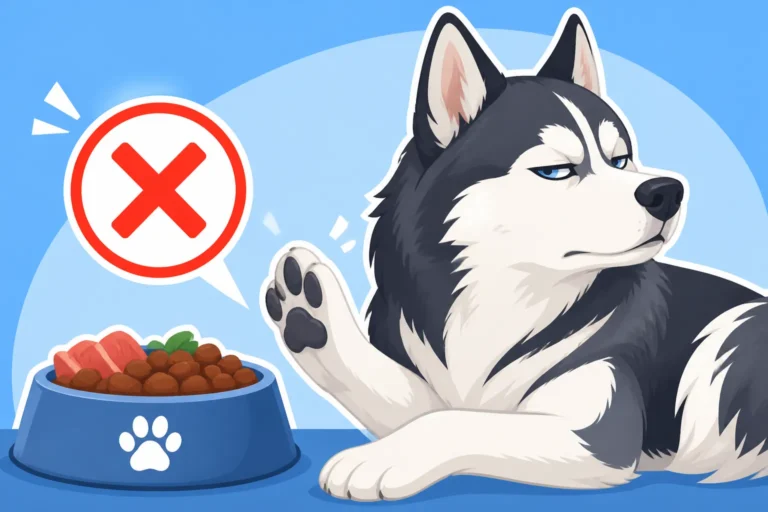
One of the biggest surprises for new Siberian Husky owners often revolves around their dog's eating habits. Many people expect a large, active dog to be a bottomless pit, but Huskies, with their ancient lineage and efficient metabolisms, frequently defy this expectation, leaving owners wondering if they're doing something wrong or if their Husky is simply a picky eater. This guide will delve into the unique dietary needs of Siberian Huskies, address common misconceptions about their appetite, and provide practical strategies for ensuring they maintain a healthy weight without overeating (or under-eating).
The Myth of the Gluttonous Husky: Understanding Their Unique Metabolism
It’s easy to look at a majestic Siberian Husky, built for pulling sleds across vast, icy landscapes, and assume they must devour enormous quantities of food. After all, shouldn’t such a powerful, energetic breed have a huge appetite? This common assumption often leads to frustration when your Husky sniffs at their bowl or, conversely, to accidental overfeeding if you stick rigidly to generic feeding guides. Understanding their history is key to unlocking the mystery of their metabolism.
Built for Efficiency, Not Excess
Siberian Huskies hail from the Chukchi people of northeastern Asia, where they were bred not just for speed and endurance, but also for incredible efficiency. Resources were scarce, and these dogs had to perform demanding work on minimal sustenance. Their bodies adapted over thousands of years to thrive on fewer calories than other breeds of comparable size and activity level. They're masters of conserving energy and extracting maximum nutrition from their food, a trait that makes them wonderfully economical but can confuse owners used to other breeds. This ancestral programming means that many Huskies simply don't have the same drive to gorge themselves that you might see in, say, a Labrador Retriever. They'll often eat what they need and then walk away, sometimes even skipping a meal entirely without it being a cause for concern, as long as they maintain a healthy weight.
Why the Bag's Feeding Chart Overfeeds a Siberian Husky
If you've ever picked up a bag of premium dog food, you've seen those feeding charts: a table suggesting how much to feed based on your dog's weight. While these charts are a good starting point for many breeds, they are often wildly inaccurate for a Siberian Husky. Because of their incredibly efficient metabolism, following these guidelines precisely can easily lead to an overweight Husky, even if they aren't eating ravenously. Most commercial dog food charts are designed for the average dog, which often means a dog with a much higher metabolic rate than a Husky. This is a common point of frustration for owners who are trying their best to follow instructions but still see their Husky getting a bit round in the middle. It's not about the food being bad, but about the quantity recommended not matching the unique needs of this ancient breed. For a deeper dive into this, you might want to read Why the Bag's Feeding Chart Overfeeds a Siberian Husky.
Signs Your Siberian Husky Might Be Overeating (or Under-eating)
Since your Husky won't necessarily gobble down everything in sight, it's crucial to learn how to assess their body condition accurately. Their thick double coat can hide a lot, making it difficult to tell just by looking. This means getting hands-on is essential to ensure they're at a healthy weight, neither too chunky nor too slender.
The Visible Cues: Body Condition Scoring at Home
The best way to tell if your Siberian Husky is at an ideal weight is to use body condition scoring (BCS). This involves more than just a glance; you need to feel your dog. Run your hands along their sides. You should be able to easily feel their ribs, but not see them protruding sharply. They should feel like running your hand over knuckles with a slight layer of muscle and fat over them, not like a washboard or a cushion. Next, stand above your Husky and look down: you should see a discernible waistline just behind their ribs, like an hourglass shape. Then, look at them from the side: their abdomen should tuck up slightly, rather than hanging low or being parallel to the ground. This visual and tactile assessment is far more reliable than just looking at a number on a scale or guessing. For a detailed guide on what to look for, check out Reading a Siberian Husky's Ribs Under the Coat. Huskies are known for their fluff, especially during their coat blows, which can easily mask weight gain, so don't let the fur fool you!
Behavioral Indicators and Health Concerns
Beyond physical assessment, pay attention to your Husky's energy levels and general demeanor. An overweight Husky might seem more lethargic, less enthusiastic about walks or runs, and might struggle with everyday movements. Over time, carrying extra weight can lead to significant health issues, including increased strain on joints, which for an active breed like the Husky, can prematurely lead to problems like arthritis. Conversely, a Husky who is consistently under-eating might also show signs of low energy, dull coat, or be unusually restless. While Huskies are efficient, they still need adequate nutrition to fuel their active lifestyles. If your Husky is constantly leaving food, losing weight, or seems unusually thin despite being fed, that's also a cue to investigate. Both extremes can lead to problems, from Siberian Husky Weight and Joint Health to nutrient deficiencies.
Strategies for Managing Your Husky's Diet and Preventing Overeating
Once you understand your Husky's unique metabolic needs, managing their diet becomes much clearer. It's about precision, consistency, and making mealtime an engaging experience rather than a free-for-all. Preventing overeating (or ensuring enough is eaten) means being proactive and observant.
Portion Control: Weighing, Not Scooping
This is perhaps the single most impactful change you can make. Forget the measuring cup. Dry kibble varies greatly in density, so a "cup" of one brand might be 3 ounces, while a "cup" of another is 4.5 ounces. That small difference, compounded over weeks and months, can easily lead to weight gain for a Husky. Investing in a simple kitchen scale and weighing your Husky's food portion in grams or ounces is the most accurate way to control their calorie intake. Start with a conservative amount, perhaps 10-15% less than the bag suggests for your dog's ideal weight, and then adjust based on their body condition score. Remember, it's easier to add a little more food if they're too thin than it is to take weight off once they're overweight. For instance, a typical fifty-pound Husky might only need around 800-1000 calories a day, far less than many other breeds of the same size, so Calories a Fifty-Pound Siberian Husky Needs Daily is worth looking into.
Meal Schedules and Enrichment
Most Huskies do best on a consistent meal schedule, typically two meals a day. This allows you to monitor their intake and keeps them on a predictable routine. Free-feeding, where food is left out all day, is generally not recommended for Huskies if you're trying to manage their weight. While some Huskies are good at self-regulating, others might graze out of boredom, or you might find yourself in a multi-dog household where one dog is cleaning up after another. A fixed schedule also helps you notice if your Husky's appetite changes, which can be an early indicator of illness. You can read more about the benefits of a schedule in Feeding a Siberian Husky Two Meals or One compared to Whether to Free Feed a Siberian Husky.
To make mealtime more engaging and slow down fast eaters, consider using puzzle feeders or slow-feeder bowls. These are fantastic for mental stimulation and can turn a quick gulp into a 15-minute activity, which is great for their brains and digestion. You can find a wide variety of these on Chewy or Amazon, from simple maze bowls to more complex interactive toys. As for treats, remember they contribute to daily calorie intake. Choose low-calorie options or use small pieces of their regular kibble as rewards during training. Be mindful of Treat Spending Through Siberian Husky Training, as those calories can add up quickly.
Choosing the Right Food for a Husky's Metabolism
When selecting food for your Siberian Husky, prioritize quality over quantity. Look for foods with moderate protein and fat content, suitable for active breeds. A common misconception is that Huskies need extremely high-protein diets, but their efficient metabolism often means they do well on foods that might be considered moderate for other breeds. If your Husky is a working dog, regularly engaged in activities like canicross or bikejoring, their caloric needs will naturally be higher, and a higher-fat diet might be appropriate, especially in colder weather. For the average pet Husky, however, too much rich food can easily lead to excess weight.
It's also worth noting specific nutritional needs for the breed. For example, some Huskies struggle with zinc absorption, and while a balanced diet is important, some might need supplementation. You can learn more about this in Zinc-Rich Food for a Siberian Husky. Always choose a high-quality, reputable brand, but remember that even the best food needs to be fed in the correct amount for your individual Husky's needs.
When to Seek Professional Advice and Adjustments
Even with the best intentions and careful management, sometimes weight issues can be tricky. Knowing when to reach out to your veterinarian for guidance is a crucial part of responsible Husky ownership. They can offer personalized advice and rule out any underlying health conditions.
Consulting Your Veterinarian
If your Siberian Husky is consistently overweight despite your efforts, or if they are unexpectedly thin and you're struggling to put weight on them (see Getting Weight Onto a Thin Siberian Husky), a trip to the vet is in order. Your veterinarian can conduct a thorough examination, assess their body condition score more formally, and discuss their diet in detail. They might recommend specific dietary changes, suggest blood tests to check for metabolic issues like hypothyroidism, or even develop a weight management plan. Sometimes, a medical condition can cause unexpected weight changes, so it's always best to rule that out. They can also help you navigate the process of Slimming an Overweight Siberian Husky safely and effectively, ensuring your dog loses weight gradually without sacrificing essential nutrients.
Adjusting Food After Life Changes
A Siberian Husky's nutritional needs aren't static; they change throughout their life. A growing puppy, a spayed or neutered adult, and a senior dog all have different caloric requirements. For instance, after your Husky is spayed or neutered, their metabolism can slow down, making them more prone to weight gain. This is a common time to reassess their food intake and often reduce it slightly. You can find more information about this transition in Adjusting Siberian Husky Food After Neutering.
Similarly, as your Siberian Husky enters their senior years, their activity level might decrease, and their body's ability to process food can change. An older Husky often needs fewer calories and sometimes benefits from food formulated for seniors, which can be easier to digest and contains nutrients to support joint health. Learning about Senior Food for a Siberian Husky Past Ten will help you make these critical adjustments. Always make dietary changes gradually over several days to avoid upsetting your Husky's stomach, and continue to monitor their body condition closely.
| Body Condition | Appearance (Look) | Feel (Touch) | Action Needed |
|---|---|---|---|
| Underweight | Ribs, spine, hip bones very visible; severe abdominal tuck. | Ribs, spine, hip bones easily seen and felt with no fat cover. | Increase food gradually, consult vet for health check. |
| Ideal | Ribs easily felt but not seen; clear waist; slight abdominal tuck. | Ribs felt easily with minimal fat; waist evident; abdominal tuck. | Maintain current feeding, monitor weight regularly. |
| Overweight | Ribs hard to see; no waist; abdomen flat or bulging. | Ribs hard to feel; waist absent; fat deposits over hips/tail base. | Reduce food, increase activity, consult vet for weight plan. |
Disclaimer
This article is for general informational purposes only and does not constitute professional advice. Laws, prices and regulations vary by location and change over time. Consult a qualified professional for guidance on your specific situation.