Digging Dens as Siberian Husky Heat Behavior
It can be incredibly frustrating to look out at your yard and see a fresh crater, or worse, several of them, particularly if you’ve worked hard to maintain a lush green space. For many Siberian Husky owners, this isn't just a minor annoyance; it's a chronic battle against a natural instinct. But what if I told you that often, those excavated holes aren't a sign of naughtiness, but rather a clever, self-preserving behavior your husky uses to beat the heat? This guide will dive deep into why your husky digs these "dens," how to recognize if they're struggling with the warmth, and practical, empathetic ways to manage this behavior while keeping your beloved companion safe and comfortable.
The Instinct Behind the Dig: Why Huskies Dig for Coolness
Let's be honest, Huskies are not exactly built for tropical climates. Their dense, beautiful coats are marvels of insulation, designed to keep them warm in freezing conditions, not cool in sweltering ones. So, when the mercury rises, they rely on ancient instincts to find relief, and digging is high on that list. It's not about being destructive; it's about survival.
Understanding Their Ancestral Roots
To truly understand why your Siberian Husky starts excavating your flowerbeds, you have to picture their ancestors in the frozen expanses of Siberia. These dogs were bred by the Chukchi people to pull sleds over vast, icy terrains. Their environment was one of extreme cold, where shelter could mean the difference between life and death. While we often think of them burrowing into snow for warmth, the instinct to create a microclimate for comfort is deeply ingrained. In warmer conditions, this translates to digging down to cooler soil, effectively creating a natural, self-made air-conditioned den. It's a behavioral remnant, a hardwired solution to thermal regulation that doesn't just disappear because they live in a suburban backyard instead of the Arctic.
The Double-Edged Sword of the Double Coat
That magnificent, fluffy coat that makes Huskies so iconic is a double-edged sword in the heat. It consists of a soft, dense undercoat and longer, coarser guard hairs. This combination is phenomenal for trapping warmth in frigid temperatures, but it can make dissipating heat a real challenge when it's hot. Imagine wearing a heavy down jacket in summer; that's kind of what your husky experiences.
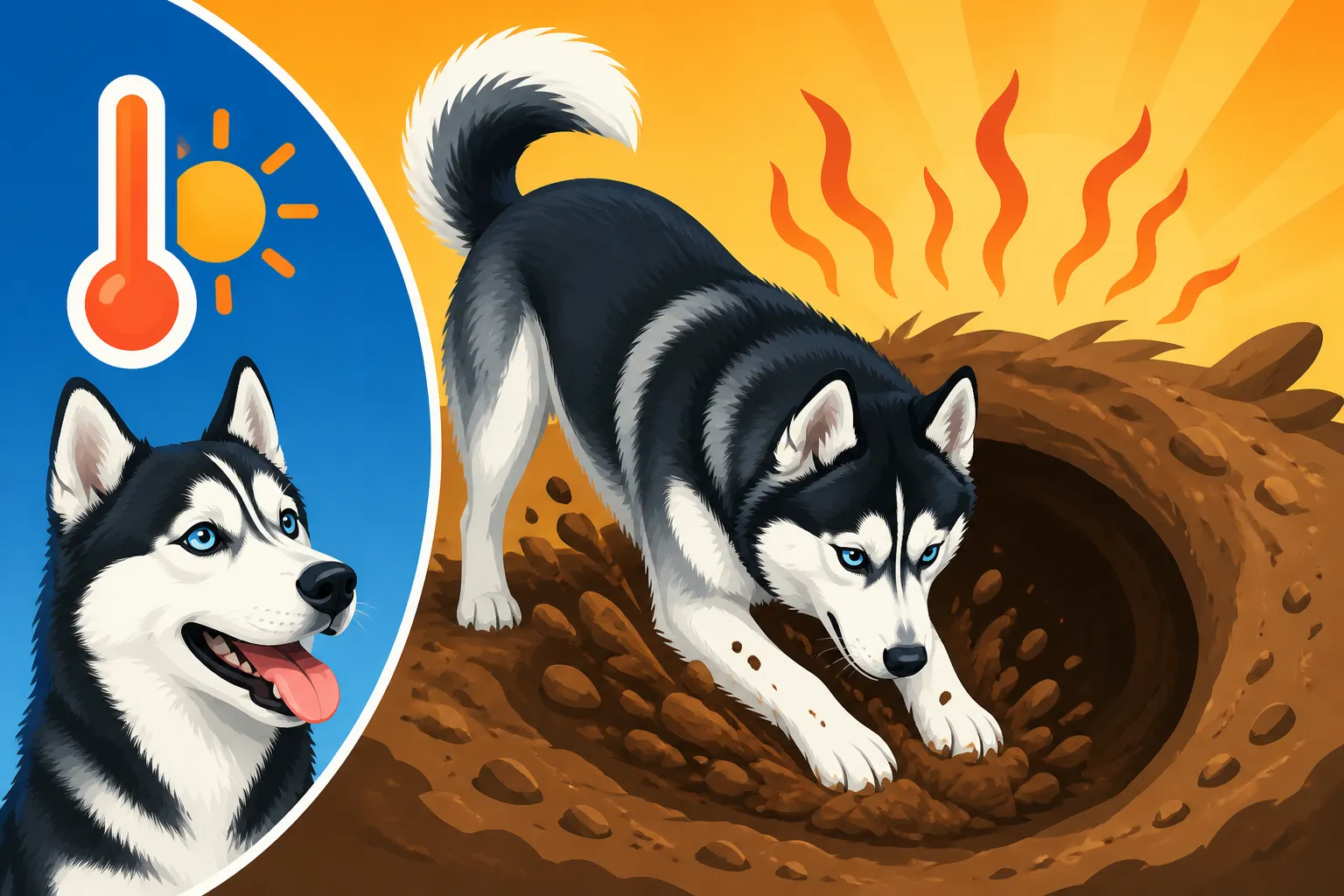
While their coat does offer some protection from direct sun, it can also trap body heat. When a husky digs a shallow pit, they expose their belly to the cooler earth, allowing for direct heat exchange. This is a much more efficient way for them to cool down than just panting alone. You'll often see them sprawled out in their newly dug "den," looking incredibly content, because they've successfully lowered their body temperature in the most natural way they know how. It’s a crucial reason why you should never, ever shave a husky, even in summer, as their double coat actually provides insulation against both heat and cold. To learn more about this, read Why You Must Never Shave a Siberian Husky.
How Soil Provides Natural Air Conditioning
The earth itself is an incredible insulator. Just a few inches below the surface, the soil temperature can be significantly cooler than the ambient air temperature, especially on a hot, sunny day. When your husky digs a den, they're not just moving dirt around; they're accessing this natural "cold sink."
The cool, damp soil acts like a giant, passive cooling mat. Lying on it allows heat to transfer from their body to the cooler ground through conduction. This is particularly effective for their less-insulated belly and chest areas. Think of it like a natural geothermal cooling system, all thanks to their innate intelligence. It’s a stark reminder that while we might crank up the air conditioning, our Huskies are just trying to find their own version of relief, often right under our noses (and prize-winning petunias). This behavioral adaptation is a critical tool for them to manage their internal temperature, especially if other cooling options aren't readily available or sufficient.
Recognizing the Signs and Severity of Heat Stress
While digging a shallow den can be a proactive cooling strategy, sometimes it's also a sign that your husky is actively struggling with the heat. It's vital to differentiate between a dog seeking comfort and one teetering on the edge of heatstroke. Understanding these nuances can be life-saving.
Beyond Just Digging: Other Heat-Seeking Behaviors
Digging a cool spot is just one item in your husky's heat management toolkit. When the temperatures climb, you might notice a whole range of other behaviors indicating they're feeling the heat. They might start panting heavily even when at rest, with their tongue lolling out excessively. You could see them seeking out any available patch of shade, flattening themselves against cool tile floors indoors, or trying to lie in a bathtub.
Another common sign is reduced activity levels. A typically energetic husky might become lethargic, refusing to play or go for walks during the day. They might drink water more frequently, or even try to splash in their water bowl. Some will lie down and refuse to move, a clear signal they're conserving energy and trying to stay cool. If they are normally a talkative breed, they might be quieter, conserving energy instead of "singing" to you. These behaviors, combined with digging, paint a clearer picture of their discomfort. It's about recognizing the full suite of their attempts to regulate their body temperature.
When Digging Becomes a Symptom of Overheating
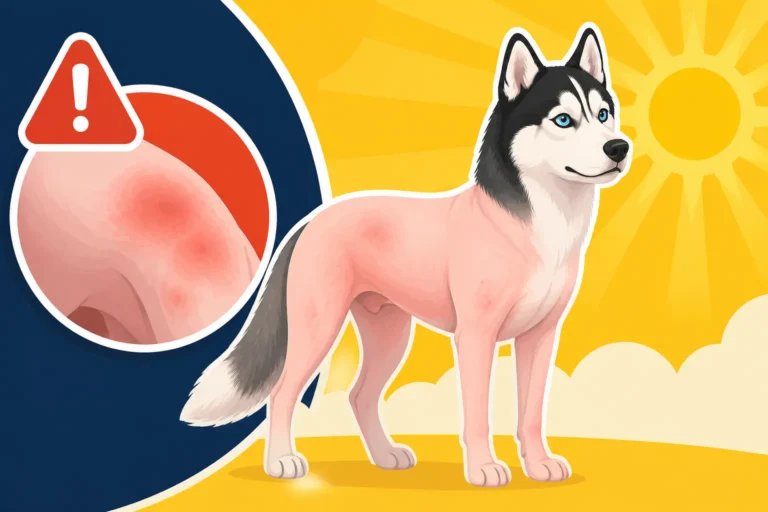
While a little casual digging for comfort is normal, frantic, obsessive digging, particularly when coupled with other symptoms, can be a red flag. If your husky is digging relentlessly, struggling to settle, panting excessively, drooling heavily, or showing signs of disorientation, they might be more than just warm—they could be overheating. Their gums might appear very red, or conversely, pale. Their pulse might be rapid.
This isn't just about finding a cool spot anymore; it's about desperately trying to escape a dangerous situation. Think of it this way: if a human is casually fanning themselves, they're warm. If they're stripping off clothes, dousing themselves with water, and looking faint, it's a medical emergency. The same scale applies to your husky. Pay close attention if their digging seems frantic or if they immediately move from one freshly dug hole to another without finding relief. This indicates their current strategies aren't working, and they need human intervention. For more information on critical temperatures, check out The Temperature a Siberian Husky Starts Struggling At.
The Dangers of Extreme Heat for Huskies
Left unaddressed, overheating can quickly escalate into heatstroke, which is a serious and potentially fatal condition for Siberian Huskies. Their thick coats and efficient metabolisms, which are assets in the cold, become liabilities in intense heat. Heatstroke occurs when a dog's body temperature rises to a dangerous level, overwhelming their natural cooling mechanisms.
Symptoms of heatstroke include glassy eyes, profuse drooling, staggering, vomiting, diarrhea, seizures, and ultimately, collapse. Unlike humans who sweat all over their bodies, dogs primarily cool themselves through panting and through the pads of their paws. When these mechanisms aren't enough, their internal organs begin to shut down. This is why even a seemingly minor instance of digging for relief can become a critical warning sign if other measures aren't taken. Being proactive with cooling strategies and recognizing severe heat stress is not just about comfort; it's about preserving your husky’s life. Understanding Heat Stroke Risk in a Siberian Husky is crucial for all owners.
Practical Strategies to Minimize Digging and Maximize Comfort
Now that we understand why your husky digs, the goal isn't necessarily to stop all digging, but to redirect it and provide better, safer alternatives for cooling. It's about working with their instincts, not against them, and ensuring their comfort and safety.
Creating Dedicated Digging Zones
One of the most effective ways to save your prize-winning rose bushes and still let your husky express their natural digging behavior is to create a designated "digging pit." This gives them an acceptable outlet for their instinct while protecting the rest of your yard.
Choose an out-of-the-way corner of your yard, perhaps where grass doesn't grow well anyway, or an area that gets some shade. You can outline it with landscaping timbers or rocks. Fill it with a mix of sand and topsoil—or even just plain sand—which stays cooler than regular soil. Encourage your husky to use this area by burying a few favorite toys or high-value treats (like a stuffed Kong) just beneath the surface. When they start to dig in the "wrong" spot, gently redirect them to their digging pit and praise them enthusiastically when they dig there. Consistency is key here. You might even find some useful, durable digging box liners and supplies on Chewy or Amazon to help set up the perfect spot. Remember, for a husky, digging is as natural as running; providing an appropriate place for it can make a huge difference.
Providing Alternative Cooling Solutions
Your husky shouldn't have to rely solely on digging to cool down. There are numerous ways you can help them beat the heat, reducing their need to excavate your yard.
- Cooling Mats: These non-toxic gel mats can be a lifesaver, especially indoors. They activate with pressure, providing a cool surface for your husky to lie on. Place them in their favorite resting spots.
- Kiddie Pools: A shallow, sturdy plastic kiddie pool filled with a few inches of water can be a huge hit. Huskies often enjoy splashing and lying in cool water, and it gives them a full-body cool-down.
- Frozen Treats: Ice cubes in their water bowl, or frozen treats like plain yogurt, pumpkin puree, or even specialized frozen dog treats available at pet stores or online (Chewy often has a great selection) can help cool them from the inside out.
- Shade: Ensure ample shade is available in your yard throughout the day. Shade sails, large umbrellas, or even strategically planted trees can make a significant difference.
- Wading & Sprinklers: Some huskies love playing in a gentle sprinkler or wading in a shallow stream. Just be mindful of how you're cooling them, as getting their dense undercoat completely soaked without proper drying can lead to skin issues. Learn more about Cooling a Siberian Husky Without Wetting the Undercoat.
These alternatives provide effective, safe ways for your husky to lower their body temperature without turning your yard into a lunar landscape.
Environmental Management and Supervision
Beyond specific cooling tools, managing your husky's environment and providing direct supervision are paramount, particularly on hot days.
First, exercise timing is crucial. Avoid strenuous activity during the hottest parts of the day. Opt for early morning or late evening walks or runs when temperatures are significantly cooler. If your husky is a working dog, adjust their schedule accordingly. For tips on managing their exercise, read Running a Siberian Husky in Summer Heat.
Second, indoor access should be non-negotiable in hot weather. Your husky needs access to air conditioning or at least a well-ventilated, cool space indoors. An open window with a fan can help, but on truly hot days, AC is often essential. Air Conditioning a Siberian Husky Depends On is a great resource. If you're out, consider leaving the AC on or setting a timer for it to kick in.
Third, constant water access is critical. Always have fresh, cool water available, both indoors and out. Consider multiple water bowls, especially if your yard is large.
Finally, supervision prevents problems. Never leave your husky unattended in the yard for extended periods during hot weather, even if you think they have shade and water. You need to be able to monitor for signs of distress and intervene quickly if needed. Remember, a husky left to their own devices might dig a den, but they might also get into trouble.
Long-Term Management and Prevention
Managing your husky's comfort in warmer weather and mitigating digging behavior isn't a one-time fix; it requires ongoing attention to their routine, nutrition, and your awareness of their unique needs. It’s about creating a lifestyle that supports their well-being.
Adjusting Daily Routines for Warmer Months
As the seasons change, your husky’s routine needs to adapt. This goes beyond just adjusting walk times. Consider a complete overhaul of their daily schedule during the hotter months to ensure they’re never pushed to the brink of discomfort.
- Exercise Schedule: As mentioned, shifting walks to very early mornings or late evenings is non-negotiable. If you usually do long hikes or intense games of fetch, consider shorter, more frequent bursts of activity or swap them for water-based games if your husky enjoys them.
- Indoor Play: When it's too hot to be outside, mental stimulation and indoor games become crucial. Puzzle feeders, hide-and-seek, or learning new tricks can burn energy and keep their minds active without risking overheating.
- Grooming: While you should never shave a husky, regular grooming, especially during their Siberian Husky Coat Blow and the Six Weeks It Lasts periods, helps remove loose undercoat. This allows for better air circulation closer to their skin, which is vital for natural cooling. Investing in a good deshedding rake or a high-velocity dryer can be incredibly helpful for managing their coat effectively. You can often find excellent tools on Amazon or Chewy.
- Hydration Stations: Place multiple water bowls around the house and yard, and consider adding ice cubes to them regularly. Some owners even invest in a pet water fountain to encourage more drinking.
By proactively adjusting their routine, you can reduce their overall heat load and, consequently, their perceived need to dig for relief.
Nutritional Support for Heat Tolerance
While no special food will magically make your husky impervious to heat, their diet plays a role in their overall health and ability to cope with environmental stressors. A well-nourished husky is better equipped to handle challenges, including temperature fluctuations.
- Balanced Diet: Ensure your husky is on a high-quality, balanced diet that meets all their nutritional needs. A healthy dog generally has a better functioning immune system and more robust physiological responses. Brands like Ollie offer fresh, human-grade food that can be very appealing, even to picky eaters, and might contribute to overall wellness.
- Hydration-Rich Foods: Some owners opt for wet food or incorporate hydrating elements into their husky's diet during summer. Adding a bit of low-sodium broth to their dry kibble, or giving them dog-safe fruits and vegetables with high water content (like cucumber or watermelon in moderation), can boost their fluid intake.
- Avoid Overfeeding: Huskies have incredibly efficient metabolisms. Overfeeding, especially with high-calorie foods when their activity levels are reduced due to heat, can lead to weight gain. An overweight husky will struggle even more with heat, so monitor their portion sizes carefully. You can read more about this in Feeding a Siberian Husky on 60 Percent of the Label.
Think of diet as foundational support. It won't prevent heatstroke, but it helps ensure your husky's body is in the best possible condition to manage its own cooling processes.
When to Seek Professional Advice
Sometimes, despite all your best efforts, you might still have concerns, or your husky might exhibit symptoms that worry you. It's crucial to know when to involve your veterinarian.
| Symptom Group | When to Act |
|---|---|
| Mild Discomfort | Persistent panting, lethargy, obsessive digging for relief. |
| Moderate Concern | Increased drooling, red or pale gums, elevated heart rate. |
| Urgent Veterinary Care | Staggering, vomiting, diarrhea, seizures, collapse, unresponsiveness. |
If you notice any signs of moderate to severe heat stress, or if your husky's digging behavior becomes truly frantic and incessant without finding relief, contact your vet immediately. Don't wait for symptoms to worsen. They can assess your husky's condition, provide intravenous fluids if needed, and offer medical interventions to bring their body temperature down safely. Remember, they are the experts in animal health and can provide tailored advice for your specific situation. Taking proactive steps and knowing when to seek help ensures your Siberian Husky stays happy, healthy, and safe, even when the weather isn't ideal for their breed.
Disclaimer
This article is for general informational purposes only and does not constitute professional advice. Laws, prices and regulations vary by location and change over time. Consult a qualified professional for guidance on your specific situation.