Snowballs Between Siberian Husky Toes
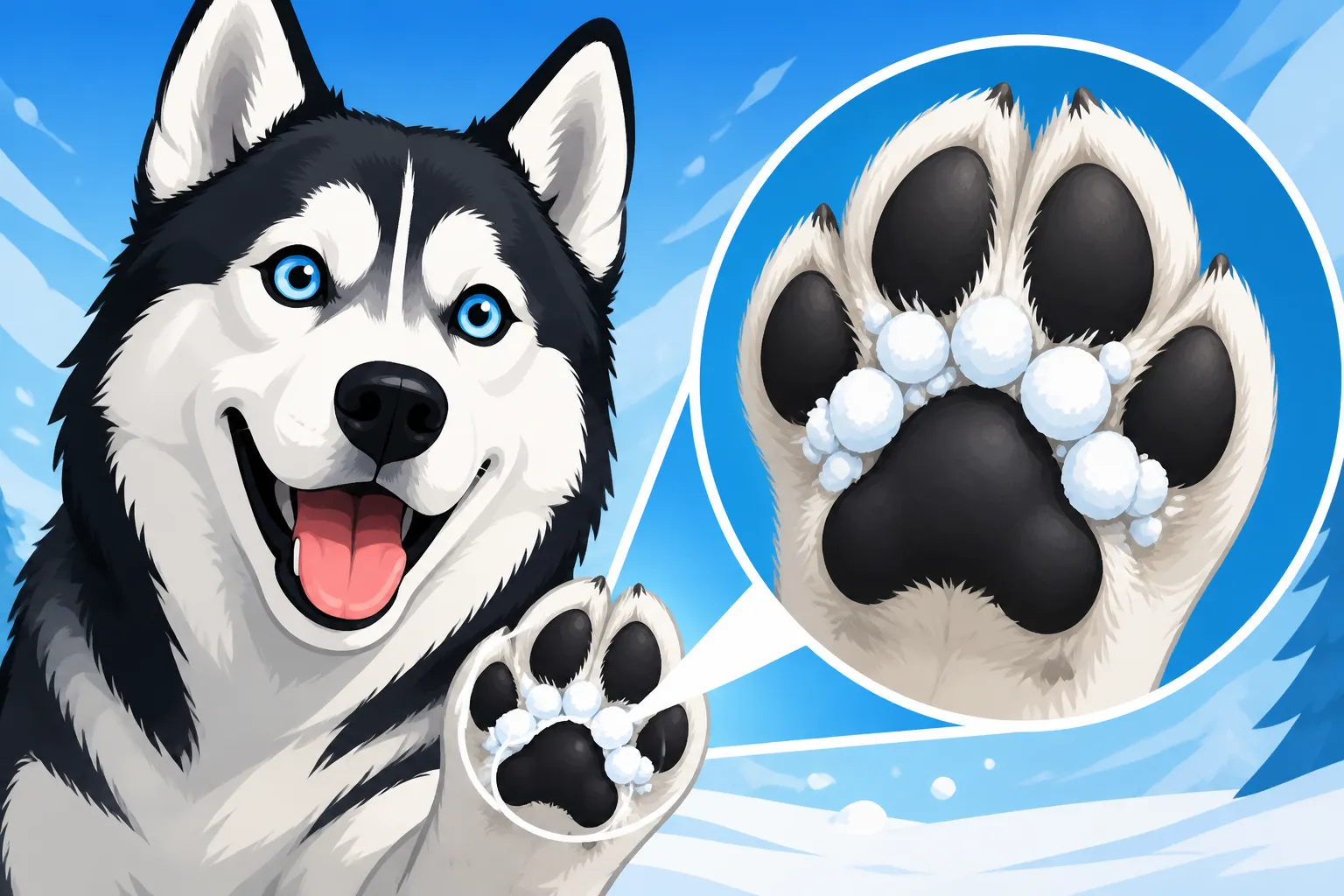
If you've ever taken your beloved Siberian Husky out for a joyful romp in the snow, only to come back inside and find their paws absolutely packed with icy, painful snowballs, you know the struggle is real. It's frustrating for you, and it's certainly uncomfortable for them, making them lift their feet and struggle to walk. This guide is all about understanding why those stubborn snow and ice clumps form between your husky's toes, and more importantly, how you can prevent them and safely remove them so your furry friend can enjoy winter wonderland adventures without the discomfort.
Why Snow and Ice Clump in Your Siberian Husky's Paws
It's not just bad luck that your husky seems to collect more snow than other dogs. Their unique anatomy and the properties of snow itself create the perfect storm for these icy invaders. Understanding why it happens is the first step to effectively combating it.
The Anatomy of a Siberian Husky's Paw
Think about those magnificent paws – they're built for snow, right? Well, yes, but with a caveat. Siberian Huskies have wonderfully dense fur, part of their famous double coat, that extends right down between their paw pads. This interdigital fur, while providing some insulation, also acts like a magnet for snow. As they run and play, snow gets caught in these fine hairs.
Then there are their paw pads themselves. These tough, leathery cushions are designed to provide grip and protection, but the spaces and grooves around them, combined with that fur, create pockets where snow can settle. The warmth from their body, especially their active paws, causes the outer layer of the snow to melt ever so slightly. As they continue to move or as the melted water comes into contact with colder snow or air, it refreezes, bonding the snow particles together and building up into those hard, painful balls. It's a design feature that becomes a bug in certain conditions.
The Physics of Snowball Formation
It really boils down to a simple principle: melting and refreezing. When your husky's warm paw touches snow, a thin layer of snow around the paw heats up and melts. This creates a tiny layer of water. When that water then meets colder snow or the cold air again, it instantly refreezes, adhering the snow particles to the paw hair and forming a small ice ball. Each step adds another layer, growing the snowballs larger and larger.
The type of snow also plays a huge role. Fresh, dry, powdery snow is less likely to cling initially. It's when the snow is wet, slushy, or has that perfect "packing" consistency that the real trouble starts. This kind of snow contains more moisture, making it easier for it to compact and freeze solid around the paw fur. It's similar to how you'd build a snowman or a snowball for a fight – that slightly sticky, wet snow is the culprit, and your husky's paws become the unwitting snowball makers. Before you know it, what started as a dusting turns into painful ice clumps that restrict movement and can even cause irritation or cuts.
Proactive Steps to Prevent Snowballs
While you can't control the weather, you absolutely can take steps to minimize those pesky snowballs. A little prevention goes a long way in ensuring your husky enjoys their winter outings.
Regular Paw Grooming
One of the most effective ways to prevent snow and ice buildup is to keep the fur between your husky's paw pads trimmed short. That dense undercoat and guard hair extending between the toes is fantastic for insulation, but it’s also the primary attachment point for snow. By carefully trimming this hair so it's flush with the paw pads, you significantly reduce the surface area available for snow to cling to.
This isn't a complex grooming task, but it does require care. Use blunt-nosed scissors or a small electric trimmer designed for pets. Gently separate the paw pads and trim the hair, making sure not to cut the pads themselves or the delicate skin. If you're nervous, a professional groomer can do this easily and quickly. Regular trimming, especially before snowy weather hits, will make a huge difference. Consider this part of their essential care, much like checking their nails. Grooming Tools a Siberian Husky Owner Buys Once often include these small trimmers or scissors.
Protective Paw Balms and Waxes
Another excellent preventive measure is applying a protective balm or wax to your husky's paw pads and the fur between them. These products create a barrier that helps repel snow and ice, making it much harder for clumps to form. Think of it like a non-stick coating for their paws.
Many companies offer paw balms specifically for this purpose. Look for waxes that are all-natural, non-toxic, and designed for canine use, as your husky will inevitably lick their paws. To apply, simply take a generous amount and rub it thoroughly into the pads and the surrounding fur, getting deep into the spaces where snow likes to aggregate. This creates a slick surface that snow struggles to adhere to. You can find a wide variety of these balms available on platforms like Amazon or Chewy. Reapply as needed, especially before longer excursions or in particularly wet snow conditions.
The Role of Dog Booties
For some huskies, or in extreme conditions, dog booties are the ultimate defense against snowballs and other winter hazards. While some dogs take a while to get used to them – often doing a hilarious high-stepping dance at first – they offer complete protection for their paws. Booties for a Siberian Husky in Winter are not just for keeping paws warm, but for physical barriers against snow and ice.
When choosing booties, look for ones that are durable, waterproof, and have a good grip. Fit is crucial: they shouldn't be too tight, which can restrict circulation, or too loose, which can fall off or rub and cause chafing. It often takes a bit of trial and error to find the perfect brand and style for your husky's unique paw shape. Introduce them gradually with positive reinforcement, starting with short periods indoors before heading out into the snow. While some huskies might resist them, the comfort and protection they offer can be invaluable, particularly for long runs or walks in deep snow.
Safe Removal of Existing Snowballs
Sometimes, despite your best efforts, snowballs happen. When they do, it's important to remove them safely and gently to avoid causing pain or injury to your husky's sensitive paw pads and skin. Ripping them out can be incredibly painful and damaging.
Gentle Warming Techniques
The safest and most comfortable way to remove snowballs is to gently melt them. Your husky's body heat will eventually do the trick indoors, but if they're struggling or in pain, you can speed up the process. The easiest method is to use warm water. Fill a shallow basin or bathtub with lukewarm (not hot!) water and let your husky stand in it for a few minutes. The water will soften and melt the ice, allowing the clumps to fall away or be gently eased off.
If warm water isn't immediately available or your husky isn't keen on standing in a tub, warm, damp cloths can work wonders. Wrap their paw in a warm, moist towel for a few minutes. The heat and moisture will quickly loosen the ice. Avoid using anything hot, as their paw pads can be sensitive, and you don't want to risk burns. Patience is key here; let the warmth do the work naturally rather than forcing it. This slow, gentle approach ensures your husky has a positive association with paw care.
Tools and Techniques for Removal
Once the ice has softened, you can gently work the remaining snow and ice out with your fingers. For any stubborn bits of snow or matted hair, a wide-toothed comb or a special detangling comb designed for pets can be helpful. Carefully comb through the fur, working from the tips of the hair towards the paw pads, to dislodge any remaining ice.
Absolutely do not use scissors to try and cut out ice balls, especially if they are hard and firmly attached. The risk of accidentally cutting your husky's skin or paw pads is very high, and those injuries can be painful and prone to infection. If you must trim hair, only do so after all ice has been removed and the fur is dry, ensuring you can clearly see the skin. The goal is always gentle persuasion, not brute force or sharp objects.
Post-Removal Care
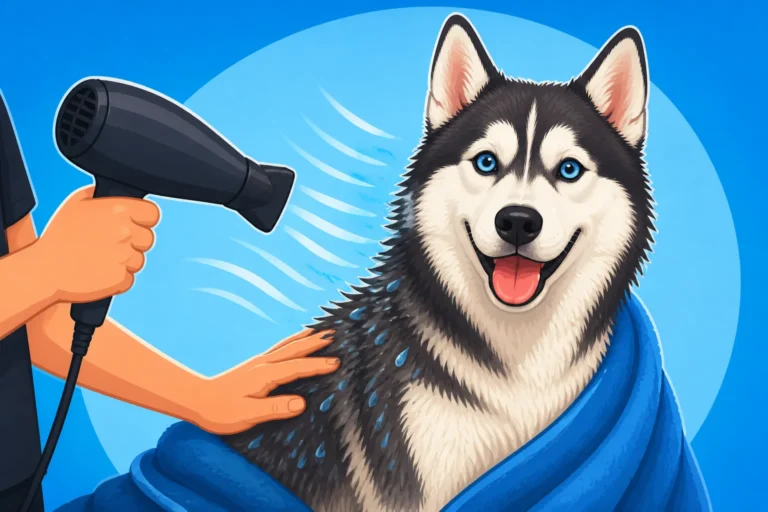
After successfully removing the snowballs, it's crucial to dry your husky's paws thoroughly. Dampness, especially between the toes, can lead to skin irritation, fungal infections, or even frostbite if they're going back out into the cold. Use a soft, absorbent towel to pat them completely dry.
Once dry, take a moment to inspect their paws carefully. Look for any redness, irritation, cuts, or cracks on their paw pads or between their toes. Snowballs can sometimes pull on the fur, causing discomfort, or even abrade the skin. If you notice any minor redness, a thin layer of a soothing, pet-safe paw balm can help. For cuts, deep cracks, or persistent irritation, it's always best to consult your veterinarian. Regular Checking Siberian Husky Pads After Trail Runs is a good habit, regardless of the season, but especially in winter.
The Bigger Picture: Winter Paw Health
Dealing with snowballs is just one aspect of keeping your Siberian Husky's paws healthy during the colder months. There are other environmental factors and conditions that deserve your attention to ensure their comfort and well-being.
Road Salt and Chemical Irritants
Beyond snow and ice, one of the biggest threats to your husky's paws in winter is road salt and de-icing chemicals. These substances, commonly used on sidewalks, roads, and driveways, can be extremely irritating and even toxic if ingested. They can cause dryness, cracking, chemical burns, and severe pain on your husky's paw pads. Road Salt on Siberian Husky Paw Pads can be a major issue, leading to uncomfortable irritation and even chemical burns.
If your husky walks on treated surfaces, it's absolutely vital to clean their paws immediately after coming inside. A simple rinse with warm water, followed by a thorough drying, will help remove any lingering chemicals. Keeping their paw hair trimmed short also helps reduce the amount of salt and chemicals that can cling to their feet. Paw balms or booties offer an additional layer of protection against these harsh irritants, forming a barrier between their pads and the treated ground.
Frostbite Awareness
While Siberian Huskies are renowned for their cold tolerance, even they have limits, and their paws are susceptible to frostbite, especially in extremely low temperatures or after prolonged exposure. Frostbite occurs when tissues freeze, damaging cells and blood vessels. Signs of frostbite on paws can include redness, swelling, coldness to the touch, pain, and eventually, the skin turning pale, gray, or even black.
If you suspect frostbite, it's critical to warm the affected area slowly and gently. Do not rub or apply direct heat. Seek veterinary attention immediately, as frostbite can lead to severe tissue damage and even loss of toes. Always be mindful of the weather conditions and limit your husky's time outdoors when temperatures plummet. Even with their amazing double coats, factors like wind chill and dampness can increase the risk. Frostbite on Siberian Husky Ears and Tails can also be a concern, but paws are often overlooked until it's too late. When considering How Cold a Siberian Husky Can Actually Take, always remember that paw pads have different tolerances than their fur-covered bodies.
Incorporating Paw Checks into Routine
Making paw checks a regular part of your grooming routine, especially during winter, is one of the best things you can do for your husky. It allows you to catch minor issues before they become major problems, whether it's snowballs forming, irritation from salt, or early signs of injury. This goes hand-in-hand with general Siberian Husky Paw Care Through Snow and Salt.
A quick daily check after outdoor excursions takes only a few minutes but can save a lot of discomfort and vet bills. Gently spread their toes, look at the pads, and feel between the webbing for any debris, ice, redness, or tenderness. This also helps your husky become accustomed to having their paws handled, which makes nail trims, vet visits, and any necessary treatments much easier. Consistent attention to their paws ensures your adventure buddy stays happy, healthy, and ready for any snowy escapade.
Here’s a quick overview of prevention and removal techniques:
| Method | Description | Best Use | Key Considerations |
|---|---|---|---|
| Prevention | |||
| Paw Hair Trimming | Carefully trim fur between paw pads to be flush with the pads. | Before snowy weather; part of regular grooming. | Use blunt-nosed scissors/trimmer; avoid cutting skin/pads. |
| Paw Balms/Waxes | Apply a protective, non-toxic barrier to pads and interdigital fur. | Before outdoor activities in snow/ice, especially wet snow. | Reapply as needed; ensure non-toxic as dogs will lick. Available on Chewy/Amazon. |
| Dog Booties | Fit waterproof, durable booties to completely cover paws. | Extreme cold, deep snow, long outings, treated surfaces. | Proper fit is crucial; introduce gradually; check for rubbing. |
| Removal | |||
| Warm Water Bath | Have husky stand in shallow, lukewarm water to melt snowballs. | When snowballs are large and causing discomfort; at home. | Ensure water is lukewarm, not hot. |
| Warm Damp Cloths | Wrap paws in warm, moist towels to soften ice. | For smaller clumps or when a bath isn't feasible. | Avoid rubbing; let warmth dissolve ice gently. |
| Gentle Finger/Comb Work | After softening, gently pull apart snow with fingers or a wide-toothed comb. | Never pull or cut hard ice; always soften first. | Do NOT use scissors; be patient and gentle to prevent pain or injury. |
| Post-Removal Drying | Thoroughly towel-dry paws after removal. | Always, to prevent skin irritation, infections, or subsequent frostbite. | Pay special attention to drying between toes. |
Disclaimer
This article is for general informational purposes only and does not constitute professional advice. Laws, prices and regulations vary by location and change over time. Consult a qualified professional for guidance on your specific situation.