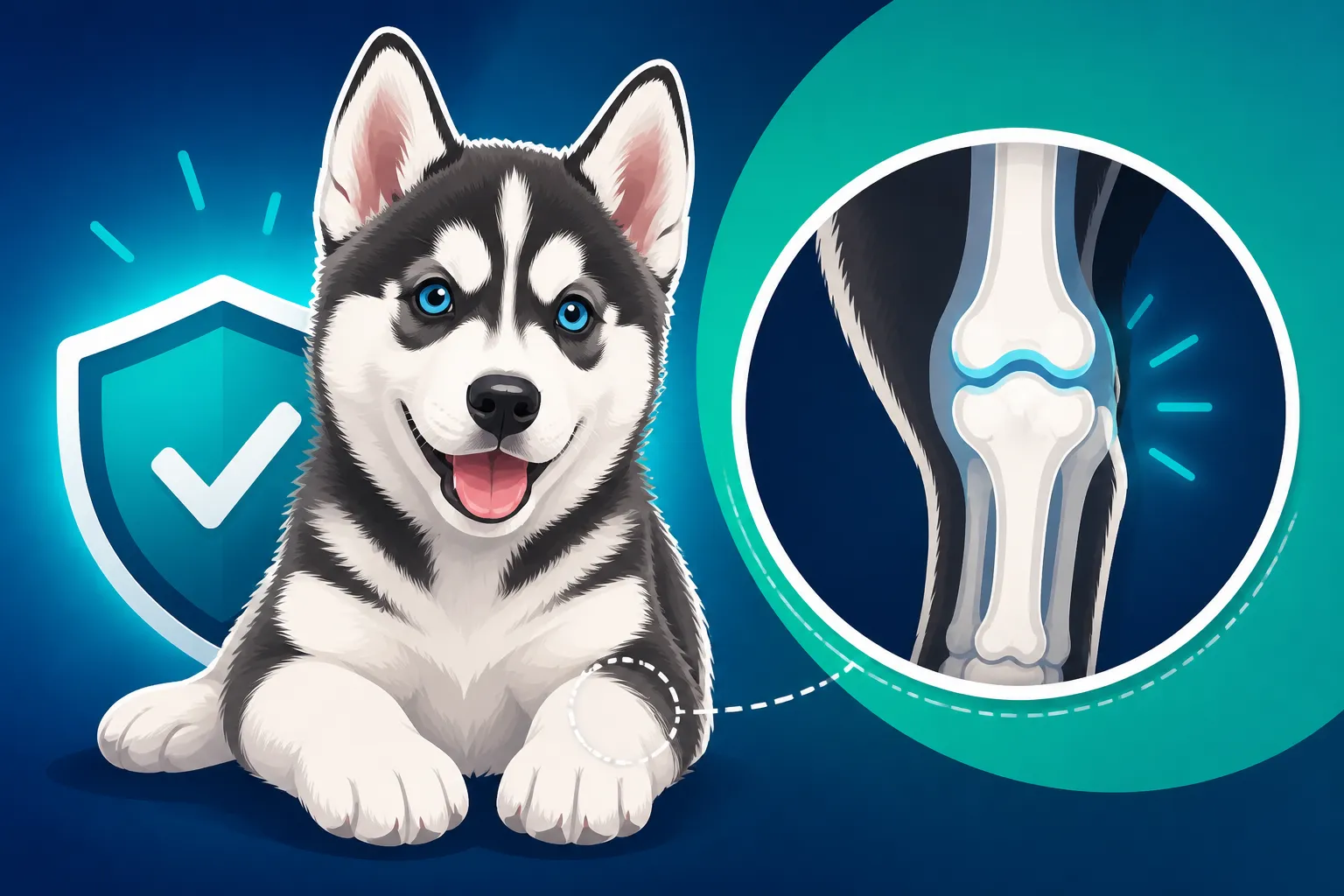
Protecting a Siberian Husky Puppy’s Growth Plates
Bringing home a fluffy Siberian Husky puppy is one of life's greatest joys, but it also comes with a lot of worry. You want to give them the best start, and a huge part of that is ensuring their rapidly growing bones and joints develop correctly. It's truly heartbreaking to think a simple misstep or too much roughhousing could lead to lifelong issues. This guide is here to walk you through exactly how to protect your Siberian Husky puppy's growth plates, helping you navigate their boisterous puppyhood with confidence and care.
Understanding Growth Plates in Your Siberian Husky Puppy
When you look at your adorable Siberian Husky puppy, it's easy to just see a miniature version of the majestic adult they'll become. But beneath that soft fur and boundless energy are bones that are very much still under construction. This 'construction zone' is where growth plates come into play, and understanding them is the first step in keeping your puppy safe and healthy.
What are Growth Plates and Why Are They So Fragile?
Think of growth plates, scientifically known as epiphyseal plates, as the soft, cartilaginous areas near the ends of your puppy's long bones. These aren't solid bone yet; they're like little factories actively producing new bone cells, lengthening the bones as your puppy grows taller and bigger. You'll find them in places like the elbows, knees, shoulders, and wrists. Because they're made of cartilage, not mature, hardened bone, they're significantly weaker than the surrounding bone and ligaments.
Imagine a stack of fresh, soft clay versus a stack of hardened bricks. The clay is easily squished, twisted, or broken, while the bricks are sturdy. Your puppy's growth plates are like that soft clay. Any undue stress – a bad jump, a sudden twist, a collision during play – can cause these plates to fracture, separate, or simply become damaged. The real danger here isn't just the immediate pain; it's the potential for permanent damage to the bone's ability to grow. If a growth plate is injured, it might close prematurely, grow unevenly, or cause a deformity in the limb, leading to lameness or arthritis down the line. It's a scary thought, but being aware helps you be proactive.
The Critical Window: When Growth Plates Close
The journey from fragile cartilage to strong, fused bone is a gradual one. Growth plates remain open and active throughout your Siberian Husky puppy's most rapid growth phases. For a medium-to-large breed like a Siberian Husky, these plates typically begin to "close," or calcify and fuse into solid bone, anywhere from 12 to 18 months of age, sometimes even a bit later for larger males. However, this isn't a uniform process across all bones or even within the same bone. Some plates might close earlier than others.
During this entire period, from the time you bring your tiny floof home until they're well into their second year, those growth plates are vulnerable. There's no magical day when they suddenly harden completely. It's a slow transition. This means that throughout their entire puppy and adolescent phase, you need to remain vigilant about managing their physical activity. Just because they look like an adult and act like one doesn't mean their skeletal structure is fully mature and ready for anything. This extended period of vulnerability is why patience is truly a virtue when raising a Siberian Husky.
Why Siberian Huskies Are Particularly Susceptible
Siberian Huskies, with their incredible athleticism and boundless energy, sometimes feel like they're practically born defying gravity. They love to run, jump, climb, and generally launch themselves into every adventure. This spirited nature, while one of their most charming traits, also places them at a higher risk for growth plate injuries compared to some other breeds.
Their powerful muscles and strong drive to play can sometimes outpace the development of their skeletal system. A Husky puppy might feel invincible and attempt leaps or bounds that their still-soft growth plates simply aren't ready to handle. They often have a high pain tolerance, too, which means they might not show obvious signs of discomfort immediately after a minor injury, potentially exacerbating the problem as they continue to put stress on the damaged area. Owners frequently tell tales of their Huskies scaling fences or launching themselves off decks, showing just how little fear they have. This natural exuberance, combined with their large size and rapid growth, makes careful management of their physical environment and exercise crucial. What might be a harmless tumble for a fully grown dog could be a significant injury for a growing Husky puppy.
Exercise Management: The Golden Rule for Growing Huskies
You look at your Siberian Husky puppy, full of beans, tearing around the yard, and you think, "Great! They're getting all their energy out!" While exercise is absolutely vital for a Husky's physical and mental well-being, how they exercise when they're young is paramount to protecting those delicate growth plates. The key isn't to restrict movement entirely, but to guide it wisely.
Controlled Exercise vs. Free Play
This is where many new Husky owners find themselves in a bit of a pickle. Your puppy has endless energy, and you want to tire them out, but there's a huge difference between controlled exercise and unrestricted free play when it comes to growth plate safety.
Controlled exercise refers to activities where you dictate the pace, duration, and intensity. Think leashed walks on soft, even surfaces, structured training sessions, or gentle retrieving games in a limited area. These activities allow your puppy to build muscle, develop coordination, and burn off some energy without putting excessive strain on their developing joints. A 10-15 minute walk around the block, slowly introducing new sights and smells, is perfect. The idea is quality over quantity, especially in the early months.
Free play, on the other hand, is spontaneous, high-impact, and often involves unpredictable movements. This includes intense wrestling with other dogs (especially larger or older dogs who might accidentally knock them over), dog park romps, frantic chasing games, or prolonged bouts of zoomies on hard surfaces. While these might seem like harmless fun, they carry a much higher risk of twisting, slipping, or jarring an immature joint, leading to a growth plate injury. It’s hard to tell your high-energy puppy to calm down, but supervision and redirection are key during this stage. Remember, even short bursts of uncontrolled, high-impact play can be risky.
Avoiding High-Impact Activities and Repetitive Stress
This is probably one of the toughest rules to follow because your Siberian Husky puppy will likely want to do all the things that are bad for them! Their enthusiasm can be infectious, but you need to be their protector. High-impact activities and those that involve repetitive stress are significant no-nos for a growing Husky.
Here’s a list of things to actively avoid or severely limit until your vet confirms growth plate closure (typically after 12-18 months):
- Jumping off furniture: Those cute little leaps off the sofa or bed might seem harmless, but the impact force can be substantial on developing joints. Encourage them to use ramps or help them down.
- Long-distance running or jogging: Even if you're an avid runner, your Husky puppy is not your running partner yet. Their bones and soft tissues are not equipped for sustained, repetitive impact over long distances. Save the marathons for when they're fully mature.
- Agility training: While fantastic for adult Huskies, the sharp turns, high jumps, and rapid stops involved in agility are far too strenuous for a puppy. Foundation work, like teaching body awareness and basic commands, is fine, but avoid anything that puts stress on their joints.
- Intense fetching on hard surfaces: Throwing a ball repeatedly on pavement or concrete forces them to sprint, stop abruptly, and turn quickly, all of which can be damaging. Stick to soft grass or dirt for any fetching games, and keep sessions short.
- Excessive stair climbing: A few stairs occasionally are fine, but constantly running up and down flights of stairs can put undue strain on their hips and elbows. Consider using baby gates to limit access to stairs if you have a multi-level home.
- Roughhousing with much larger dogs: While socialization is important, ensure playmates are age-appropriate and gentle. An older, heavier dog could inadvertently injure a puppy during play.
The general principle is to allow for natural, low-impact movement. Think of it this way: if it makes you wince thinking about your own joints doing it repeatedly, it’s probably too much for a puppy's growth plates.
The "Zoomies" Dilemma and Safe Outlets
Ah, the "zoomies." Every Siberian Husky owner knows this phenomenon well – those sudden, explosive bursts of energy where your puppy transforms into a furry missile, tearing around the house or yard at top speed, often bouncing off walls and furniture. It's hilarious, and a definite sign of a happy, healthy puppy, but it also presents a dilemma for growth plate protection. How do you let them express this natural exuberance without risking injury?
The key is to manage the environment and offer safe alternatives. If your puppy typically gets the zoomies indoors, make sure the floors aren't slippery. Lay down rugs or runners, especially in high-traffic areas, to give them traction and reduce the risk of slips and falls. Move any precarious furniture or sharp-edged objects that could be collided with. If your yard is safely fenced and has soft grass, letting them have a short, supervised zoomie session there is generally a safer bet than on a slippery kitchen floor.
Beyond simply managing the environment, consider proactive ways to provide safe outlets for that energy:
- Mental stimulation: A tired mind can sometimes be as effective as a tired body for a Husky. Puzzle feeders, treat-dispensing toys like those from brands such as Chewy, and short, engaging training sessions can help burn mental energy without physical strain. Teaching new tricks or practicing obedience commands taps into their intelligence and gives them a "job."
- Short, supervised play: Instead of long, intense sessions, opt for several shorter playtimes throughout the day. A quick five-minute game of gentle tug or a soft fetch on the lawn can satisfy their play drive without overdoing it.
- Structured sniff walks: Letting your Husky puppy explore their world through their nose on a leash is incredibly enriching and much lower impact than a forced jog. It engages their natural instincts and provides mental exercise. Think of it as a "sniffari" adventure!
- Positive reinforcement training: Use food rewards to teach impulse control and calm behaviors. If your puppy is constantly revving up, practice settling cues or engage them in a calming chew toy from Amazon to redirect their energy.
Remember, the goal isn't to prevent all activity, but to channel it into safe, constructive forms that support healthy growth. Your patience in these early months will pay dividends in their long-term health. The Health Milestones of a Siberian Husky Year by Year can give you a general idea of what to expect developmentally.
Nutritional Support for Strong Bones
While managing exercise is crucial, nutrition plays an equally vital role in supporting the healthy development of your Siberian Husky puppy's bones and growth plates. It's not just about what they eat, but how much they eat, and ensuring they receive the right balance of nutrients without overdoing it.
The Importance of Large Breed Puppy Food
When it comes to feeding your growing Siberian Husky, simply grabbing any bag of "puppy food" off the shelf might not be the best strategy. Large breed puppies, including Huskies, have unique nutritional requirements that differ significantly from smaller breeds. Their rapid growth makes them particularly susceptible to developmental orthopedic diseases if their diet isn't balanced correctly.
Many standard puppy foods are formulated with higher calorie counts, calcium, and phosphorus levels to support the incredibly fast growth rates of smaller breeds. For a large breed puppy like a Husky, this can actually be detrimental. Too much calcium, too fast a growth rate, or an improper calcium-to-phosphorus ratio can interfere with proper bone and cartilage development, increasing the risk of conditions like hip and elbow dysplasia, as well as growth plate abnormalities.
This is why choosing a high-quality large breed puppy formula is so important. These foods are specifically designed to promote slow, steady growth rather than accelerated growth. They typically have:
- Controlled calorie levels: To prevent excessive weight gain and rapid growth spurts.
- Balanced calcium and phosphorus: At levels appropriate for large breed development, often slightly lower than standard puppy foods, to ensure proper bone mineralization.
- Specific nutrient ratios: To support healthy cartilage and joint development.
When you're at the pet store or browsing online retailers like Chewy, look for bags explicitly labeled "large breed puppy formula" or "large breed growth formula." Read the ingredients list and consider consulting your veterinarian for brand recommendations tailored to your individual Husky puppy's needs. A diet that is too rich or too poor can both be problematic.
Avoiding Over-Supplementation and Imbalances
This is a pitfall many well-meaning owners fall into: thinking "more is better" when it comes to vitamins and minerals for strong bones. However, with large breed puppies, this couldn't be further from the truth. Adding extra calcium, phosphorus, or vitamin D supplements to an already balanced large breed puppy food can be incredibly dangerous.
Commercial large breed puppy foods are scientifically formulated to contain the precise balance of nutrients your Husky needs. Introducing additional supplements without explicit veterinary guidance can throw off these delicate ratios, leading to serious developmental problems. For instance, too much calcium can inhibit the absorption of other vital minerals or cause skeletal abnormalities. It can even force growth plates to close too quickly or improperly, leading to pain and lameness.
Always resist the urge to add:
- Calcium supplements: Unless specifically prescribed by your vet for a diagnosed deficiency.
- Bone meal: As it can significantly alter calcium/phosphorus ratios.
- Human vitamins: These are not formulated for canine needs and can be toxic in large doses.
If you are considering a different type of diet, such as a fresh food option like Ollie, ensure it is formulated by veterinary nutritionists specifically for puppies, or work with a professional to balance it yourself. Any homemade diet, regardless of how healthy you think it is, runs a high risk of being nutritionally incomplete or unbalanced for a growing puppy. Always discuss any dietary changes or supplementation ideas with your vet first to ensure you're doing more good than harm.
Maintaining a Healthy Weight
Keeping your Siberian Husky puppy at a lean, healthy weight throughout their growth period is one of the best things you can do to protect their growth plates and overall joint health. It sounds simple, but it can be challenging with a breed that has such an efficient metabolism and often doesn't overeat. However, even a little bit of excess weight can add significant stress to their still-developing bones and joints.
Imagine carrying a backpack filled with bricks all day, every day. That's what even a few extra pounds feel like to a puppy whose skeletal system isn't fully mature. Increased weight leads to increased pressure on the growth plates and joints, which can accelerate wear and tear, contribute to inflammation, and exacerbate any genetic predispositions to orthopedic issues like hip or elbow dysplasia.
How do you ensure your Husky puppy maintains a healthy weight?
- Follow feeding guidelines (with a caveat): Start with the recommendations on your large breed puppy food bag, but then adjust based on your puppy's individual activity level and body condition. Remember, Huskies have an incredibly efficient metabolism, so they often need less food than what the bag suggests for their weight. Why Siberian Huskies Cost Less to Feed Than Expected delves into this more.
- Regular body condition checks: You should be able to easily feel your puppy's ribs when you lightly run your hands over their side, without them being visible. They should also have a noticeable "waist" when viewed from above, and their belly should tuck up slightly when viewed from the side. If you can't feel the ribs, or they look a bit round, it's time to slightly reduce their food intake or increase appropriate exercise.
- Limit treats: Treats should make up no more than 10% of their daily caloric intake. Choose healthy, low-calorie options and factor them into their overall daily food allowance.
- Consult your vet: During routine check-ups, your veterinarian can assess your puppy's body condition score and advise you on ideal weight ranges and feeding adjustments. They can also tell you about The Weight a Siberian Husky Should Hold at different ages.
By keeping your Husky puppy lean, you minimize the mechanical stress on their vulnerable growth plates, allowing them to develop strong and healthy bones that will support their active lifestyle for years to come.
Environmental Considerations and Injury Prevention
Your home and yard are your Siberian Husky puppy's entire world for quite some time, and ensuring these spaces are safe is just as important as managing their exercise and diet. Preventing accidental slips, falls, and over-exertion within their daily environment goes a long way in protecting those fragile growth plates.
Puppy-Proofing Your Home and Yard
Just like baby-proofing for a human toddler, puppy-proofing for a Siberian Husky is essential, with a few husky-specific twists! Their curiosity, agility, and tendency to explore with their mouths and paws mean you need to think ahead.
Indoors:
- Slippery Floors: Hardwood, tile, or laminate floors can be incredibly hazardous for a growing puppy. Their paws don't have good traction, leading to slips, slides, and splits that can injure growth plates and joints, especially in their hips and elbows. Lay down rugs, carpet runners, or even yoga mats in high-traffic areas where your puppy plays and zooms. This provides much-needed grip.
- Stairs: While a few stairs are generally unavoidable, repetitive climbing and descending can put stress on developing joints. Consider using baby gates to block access to staircases, especially during their most active puppy months. If they must use stairs, encourage them to go slowly and avoid bounding.
- High Furniture: Jumping on and off sofas, chairs, or beds can create significant impact on their legs. If your puppy is allowed on furniture, teach them to use a ramp or steps, or gently lift them on and off. Preventing them from doing uncontrolled leaps is key.
- Dangerous Items: Beyond growth plates, ensure choking hazards, toxic plants, and electrical cords are out of reach. A bored Husky puppy will chew!
Outdoors (the Husky-specific challenge):
- Secure Fencing: This is non-negotiable for a Siberian Husky. They are master escape artists. A minimum six-foot fence is highly recommended, and even then, many Huskies can clear it, or learn to climb. An "L-footer" (wire mesh buried along the base of the fence) can prevent digging under. The Six-Foot Fence a Siberian Husky Needs is a great resource.
- Uneven Terrain: While natural terrain can be good for varied muscle development, avoid overly rocky or unstable ground for prolonged play, as it increases the risk of twists and sprains.
- Unsecured Gates/Doors: Huskies are clever. Ensure all gates are latched securely and consider double-latching or adding carabiners that they can't easily manipulate. Gate Locks a Siberian Husky Cannot Open is a real concern!
By proactively addressing these environmental factors, you create a safer space that supports healthy physical development and reduces the chance of preventable injuries.
Safe Play and Socialization
Socialization is incredibly important for a Siberian Husky puppy, but it needs to be managed carefully to protect their growth plates. Play with other dogs is a fantastic way for puppies to learn appropriate social cues and burn energy, but unsupervised or overly vigorous play can quickly turn risky.
When introducing your Husky puppy to other dogs, aim for:
- Age-Appropriate Playmates: Ideally, your puppy should play with other puppies of similar size and age, who are less likely to accidentally injure them with their weight or enthusiasm.
- Gentle Adults: If playing with adult dogs, ensure they are known to be calm, gentle, and have good manners with puppies. An adult dog with a strong play drive might inadvertently crash into or step on a puppy, causing injury.
- Supervised Sessions: Always supervise play sessions closely. Look for signs of fatigue (excessive panting, slowing down) or overly rough play (one dog constantly pinning the other, excessive body slams). Intervene if play becomes too intense, allowing both dogs to take a break.
- Soft Surfaces: Whenever possible, choose a soft, grassy, or dirt area for play. Avoid concrete or asphalt, which offer no give and amplify impact forces.
- Short Durations: Even with appropriate playmates, keep play sessions relatively short, especially in the early months. A tired puppy can make clumsy mistakes.
Remember, socialization isn't just about dog-to-dog interaction; it's also about exposure to various sights, sounds, people, and experiences in a positive, low-stress way. These types of controlled exposures are far safer and equally important for your Husky's development.
Regular Vet Checks and Early Detection
Think of your veterinarian as your primary partner in ensuring your Siberian Husky puppy's healthy growth. Regular check-ups are not just for vaccinations; they're crucial opportunities for monitoring development and catching potential issues early.
During your puppy's routine vet visits, your veterinarian will:
- Assess Growth: They'll track your puppy's weight and height, comparing it to breed averages to ensure they're growing at a steady, appropriate pace – not too fast, not too slow.
- Perform Orthopedic Exams: They'll carefully palpate your puppy's joints and limbs, checking for any signs of pain, swelling, instability, or abnormal movement that could indicate a growth plate injury or other orthopedic concern. They might also discuss Siberian Husky Hips and Why the Rate Is Low and general joint health.
- Discuss Nutrition and Exercise: Your vet can provide tailored advice on the best large breed puppy food for your Husky and help you fine-tune their exercise regimen based on their individual growth and development.
- Address Concerns: This is your opportunity to voice any worries you have. Are you noticing a subtle limp after a play session? Is your puppy favoring a limb? Are they reluctant to jump onto a favorite spot? Don't hesitate to mention these observations, even if they seem minor. Subtle signs can often be the earliest indicators of a growth plate injury or other issue.
Early detection is key. If a growth plate injury is identified quickly, it can often be managed with rest, anti-inflammatory medication, or in some cases, surgical intervention, leading to a much better prognosis. Waiting until symptoms are severe can complicate treatment and increase the likelihood of long-term problems like arthritis. Investing in quality veterinary care from the start is an investment in your Husky's future mobility.
Common Misconceptions and What to Watch For
Despite all the best intentions and careful management, sometimes things happen. Knowing what to look for and dispelling common myths can make all the difference in getting your Siberian Husky puppy the help they need quickly.
"My Puppy Is Just Playing Hard"
This is one of the most dangerous phrases a puppy owner can utter, especially with active breeds like Siberian Huskies. It's incredibly tempting to dismiss a slight limp or a moment of hesitation as simply a consequence of energetic play. After all, puppies are clumsy, right? They tumble and roughhouse, so a little soreness is normal.
While minor bumps and bruises are part of puppyhood, a persistent limp, favoring a limb, or any reluctance to bear weight should never be dismissed as "just playing hard." Huskies, with their high pain tolerance and stoic nature, might not yelp or cry dramatically even when in considerable pain. They might try to "work through it," which can worsen an injury.
It's crucial to distinguish between a momentary stumble and an actual sign of discomfort. If you notice any of the following, even if your puppy seems otherwise happy and energetic, it warrants closer observation and potentially a vet visit:
- Persistent limping: Even if it comes and goes, or is worse after rest.
- Shifting weight: Regularly putting less weight on one leg.
- Reluctance to jump or play: Even if they normally love these activities.
- Holding a leg up: Even briefly, during rest or standing.
- Changes in gait: Walking differently than usual.
Your Siberian Husky puppy relies on you to advocate for their health. Don't let their playful spirit or your own optimism override the need to investigate potential pain. It's always better to be safe than sorry when it comes to delicate growth plates.
Signs of a Potential Growth Plate Injury
Recognizing the signs of a growth plate injury can be tricky because the symptoms can vary depending on the severity and location of the damage. However, being vigilant and knowing what to look for can significantly improve the outcome for your Siberian Husky puppy.
Here are the key signs that should prompt an immediate call to your veterinarian:
- Lameness or Limping: This is the most common sign. It might be constant, or it could appear intermittently, particularly after exercise or after getting up from rest. The degree of lameness can range from subtle favoring of a limb to complete non-weight-bearing.
- Pain: Your puppy might vocalize when the affected area is touched, or they may pull away. They might also show signs of pain through changes in behavior, such as being less active, reluctant to play, or acting irritable.
- Swelling: You might notice visible swelling around the joint or along the bone of the injured limb. Compare the injured leg to the corresponding leg on the other side of their body to help detect subtle swelling.
- Visible Deformity: In more severe cases, you might observe an obvious deformity, such as a limb appearing crooked, twisted, or shorter than its counterpart. This is a clear indicator of a serious issue.
- Reluctance to Bear Weight: The puppy might hold the injured leg up, or only touch the toes to the ground.
- Changes in Appetite or Energy: While not specific to growth plate injuries, any sudden drop in appetite or overall energy levels can be an indication that your puppy is in pain or feeling unwell.
If you suspect any of these signs, even if they're mild, contact your vet right away. Growth plate injuries often require imaging, such as X-rays, to properly diagnose the extent of the damage. Waiting can lead to improper healing, which can have lifelong consequences. Prompt veterinary attention is crucial for the best possible prognosis.
The Long-Term Impact of Untreated Injuries
Ignoring or improperly treating a growth plate injury in your Siberian Husky puppy can have devastating, lifelong consequences. It's not just a temporary limp; it can permanently alter the structure and function of their skeletal system, leading to chronic pain and reduced quality of life.
Here are some of the long-term impacts of untreated or poorly managed growth plate injuries:
- Arthritis (Osteoarthritis): This is one of the most common and debilitating long-term effects. When a growth plate is damaged, the joint surfaces can become uneven or misaligned, leading to abnormal wear and tear on the cartilage. Over time, this causes inflammation, pain, and the breakdown of joint tissue, resulting in chronic arthritis. Your Husky could develop Early Arthritis Signs in a Siberian Husky much younger than they should.
- Lameness and Chronic Pain: The injured limb might never fully recover its normal function, leading to persistent lameness. This chronic pain can impact your Husky's ability to run, play, and even walk comfortably, significantly reducing their activity level and joy in life.
- Limb Deformity: If a growth plate closes prematurely or unevenly, it can cause one bone to stop growing while others continue. This can result in a shorter limb, a bowed limb, or an angular deformity, making normal movement difficult and putting extra strain on other joints.
- Compensatory Injuries: To cope with pain or lameness in one limb, your Husky might shift their weight and put extra stress on their other limbs or their spine. This can lead to secondary injuries or accelerated wear and tear in otherwise healthy areas.
- Reduced Quality of Life: A Husky who is constantly in pain or struggles with mobility cannot enjoy their lives to the fullest. Their energetic, playful nature will be stifled, and they may experience behavioral changes due to discomfort.
Understanding these potential long-term consequences highlights why vigilance, proper preventive care, and prompt veterinary attention are non-negotiable when dealing with a growing Siberian Husky puppy. Your efforts now will literally pave the way for a lifetime of healthy, happy adventures.
Safe Activities for Your Growing Siberian Husky Puppy
Balancing the immense energy of a Siberian Husky puppy with the need to protect their growth plates can feel like a tightrope walk. But there are plenty of wonderful activities you can engage in that are both fun and safe for their developing bodies. The trick is to focus on low-impact, controlled, and mentally stimulating options.
| Activity Type | Safe for Puppies (with caveats) | Unsafe for Puppies (avoid until maturity) |
|---|---|---|
| Walking/Running | Short, leashed walks (5 mins per month of age, twice daily) | Long runs, jogging, forced exercise on hard surfaces, excessive stair climbing |
| Play | Controlled fetch on soft grass, gentle tug, supervised play with calm, appropriate-sized dogs, puzzle toys | Intense wrestling, dog parks (unsupervised/rough play), high jumps, agility work, frisbee (until maturity) |
| Exploration/Mental | Sniff walks, scent games, basic obedience training, puzzle feeders | No "unsafe" mental activities, but over-stimulation can lead to zoomies. |
| Environment | Ramps for furniture, non-slip mats, securely fenced yard with soft ground | Slippery floors, high jumps from furniture, unfenced or insecure yards, rocky/uneven terrain |
| Socialization | Structured puppy classes, supervised playdates with known, gentle dogs | Dog parks with unknown dogs and play styles, rough play with much larger or overly boisterous dogs |
Remember, every puppy is an individual, and monitoring their fatigue levels and comfort is paramount. Short, frequent sessions are always better than one long, exhausting one. As they grow, you can slowly and carefully increase the duration and intensity of their activities, always keeping their body's development in mind. The Ages a Siberian Husky Changes Health-Wise gives a good overview of their developmental stages. You'll be able to introduce more advanced activities like Canicross and Bikejoring With a Siberian Husky once they're fully grown.
Disclaimer
This article is for general informational purposes only and does not constitute professional advice. Laws, prices and regulations vary by location and change over time. Consult a qualified professional for guidance on your specific situation.