How Siberian Huskies Reached Alaska in 1908
It's easy to look at the powerful, athletic Siberian Husky of today and wonder how such an incredible dog breed came to be so intertwined with Alaskan history. Many people are familiar with the epic tales of sled dog heroes, but often the very beginning of their journey to American soil is a bit of a mystery. This guide will take you back to the turn of the 20th century, diving deep into how these remarkable dogs first reached Alaska in 1908 and forever changed the landscape of northern dog mushing.
The Chukchi People and Their Ancient Dogs
Long before any Siberian Husky ever set a paw on Alaskan snow, their ancestors were indispensable companions to the Chukchi people of northeastern Siberia. This ancient partnership shaped the very essence of the breed we know today, making them perfectly adapted to extreme cold and demanding work.
Centuries of Partnership in Siberia
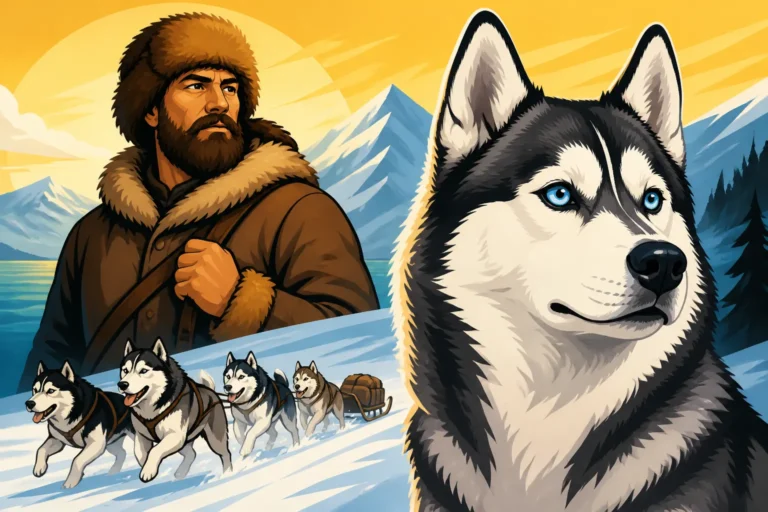
For thousands of years, the nomadic Chukchi people relied on their dogs for survival in one of the planet's harshest environments. These weren't just pets; they were integral members of the community, essential for transportation, hunting, and even providing warmth within the family shelters. The Chukchi selectively bred their dogs not for looks, but for incredibly specific functional traits: tremendous endurance over vast, frozen landscapes, remarkable metabolic efficiency to run on minimal food, and an inherently friendly, gentle temperament that allowed them to live closely with humans, including children. Imagine the incredible trust and bond forged over countless generations between a people and their dogs, all centered on mutual survival in a truly unforgiving world. This intensive selection process over centuries meant that every dog was a valuable asset, and only the best, most resilient, and most cooperative animals passed on their genes. If you want to dive deeper into their origins, check out The Chukchi People Who Bred the Siberian Husky.
The Isolation That Preserved the Breed's Purity
The remote, icy expanse of northeastern Siberia acted as a natural barrier, effectively isolating the Chukchi dogs from other canine populations. This geographical isolation was a blessing in disguise, allowing the breed to develop and maintain its unique characteristics without much outside influence. There wasn't a mixing of bloodlines with larger, heavier European breeds, which meant the Chukchi retained their distinct build, coat, and temperament. This purity was crucial for their function; any deviation could mean a less efficient sled dog, and in that environment, efficiency was life or death. The dogs developed a double coat perfectly suited to block out cold and shed heat when working, and their lean, muscular bodies were paragons of energy conservation. This natural selection, combined with the Chukchi's intentional breeding practices, created a highly specialized animal – one that could cover long distances at a steady pace with incredible stamina, a far cry from the bulkier freight dogs common in Alaska at the time. Understanding What the Chukchi Bred the Siberian Husky For helps explain their unique resilience.
The Gold Rush and Alaska's Need for Speed
At the turn of the 20th century, Alaska was a land of wild frontiers, still largely untamed and only recently acquired by the United States. The promise of gold, however, had drawn a flood of hardy individuals, creating boomtowns and a desperate need for reliable transportation across its vast, frozen wilderness.
Alaska's Frontier Life and the Rise of Dog Sledding
Life in early 1900s Alaska was rugged, to say the least. Infrastructure was almost non-existent; there were no paved roads, no railroads reaching deep into the interior, and certainly no Amazon Prime delivery. Dog sledding wasn't a sport; it was the lifeline for communities. Supplies, mail, medicine, and even people themselves were moved by dog team. The dogs typically used in Alaska were a varied lot, often crosses of local Native American dogs with imported European breeds like St. Bernards, Newfoundlands, and Mastiffs. These were big, powerful animals, bred for strength to pull heavy loads over short distances. They were "freight dogs," robust and strong, but not particularly fast. They got the job done, albeit slowly, across the formidable Alaskan terrain. Imagine trying to source appropriate gear or food for these dogs back then – no easy Chewy order delivery to your doorstep! Every item was hard-earned and precious.
The All-Alaska Sweepstakes: A Catalyst for Change
As more people flooded into Alaska, competition, even in dog mushing, began to heat up. The ultimate test of dog and driver was the All-Alaska Sweepstakes, a grueling, multi-hundred-mile race from Nome to Candle and back, starting in 1908. This was no leisurely trot; it was a brutal contest of speed, endurance, and strategy, pushing dogs and mushers to their absolute limits. The prestige of winning was immense, and the prize money substantial, attracting ambitious individuals keen to prove their mettle and their dogs' superiority. Suddenly, mushers weren't just looking for dogs that could haul freight; they needed dogs that could maintain an incredible pace for days on end, without breaking down. This shift in demand set the stage for a new kind of sled dog, one that the traditional Alaskan freight dogs simply couldn't match in terms of sheer speed and stamina. The search for faster, more efficient teams became paramount.
William Goosak and the Arrival of "Siberian Rats"
It was into this competitive atmosphere that a shrewd Russian fur trader saw an opportunity to introduce a new kind of sled dog to Alaska, one that would dramatically alter the sport of mushing forever.
Goosak's Vision: Bringing Speed from the East
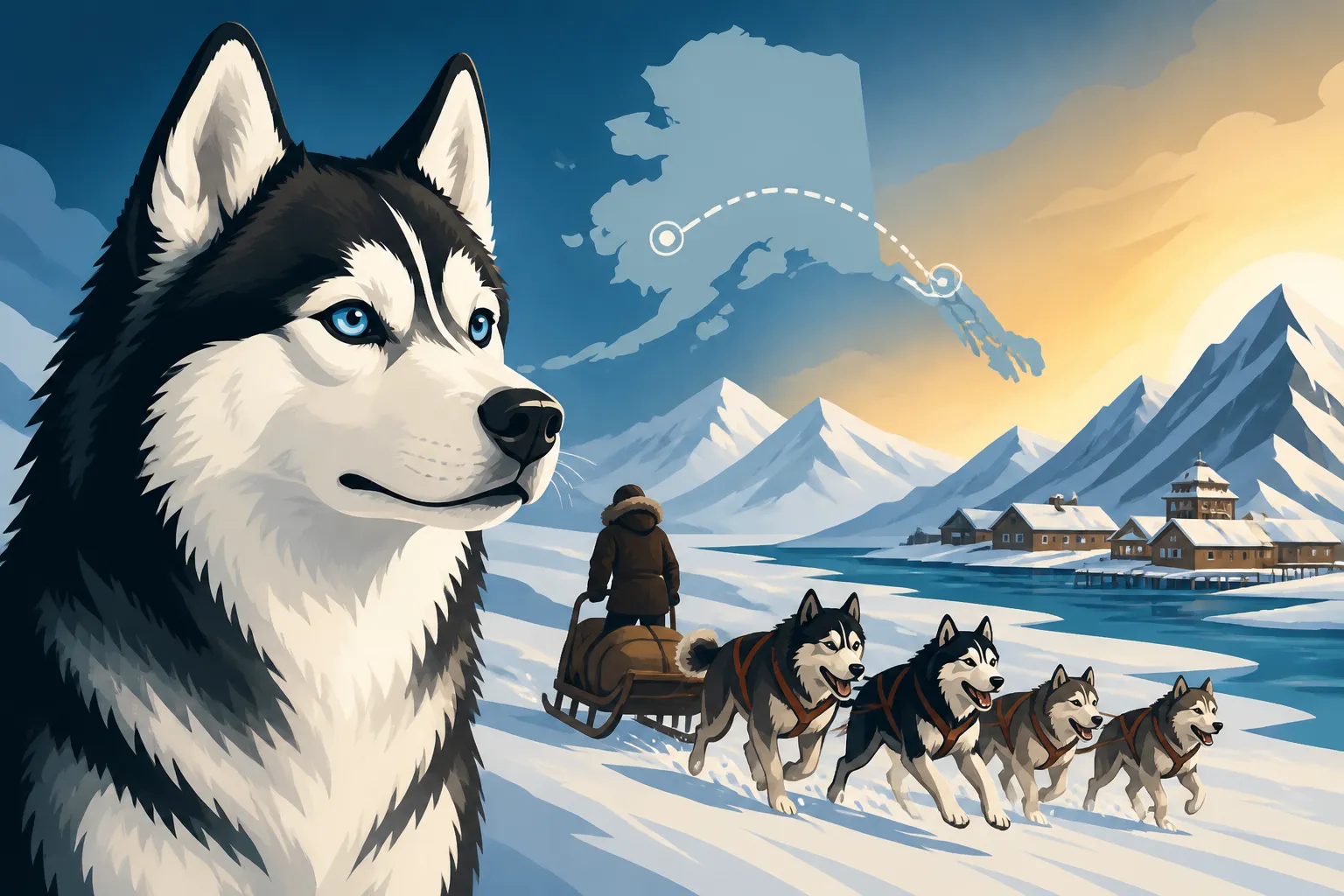
In 1908, a determined Russian fur trader named William Goosak arrived in Nome, Alaska, with a vision. He believed that the smaller, faster dogs from his native Siberia, specifically those belonging to the Chukchi people, would revolutionize the All-Alaska Sweepstakes. He had seen their unparalleled endurance and speed firsthand on the vast tundras of Siberia. These dogs were a stark contrast to the massive, lumbering freight dogs popular in Alaska. Goosak understood that in a long-distance race like the Sweepstakes, sustained speed and efficiency trumped brute pulling power. He took a gamble, importing a team of these relatively unknown dogs, convinced they held the key to victory. This act of bringing the first Siberian dogs across the Bering Strait marks a pivotal moment in the breed's history. You can learn more about The Fur Trader Who Brought Siberians to Alaska.
The 1908 Arrival in Nome and the Initial Skepticism
When William Goosak's small, lean dogs disembarked in Nome, Alaska, in 1908, they were met with a mixture of curiosity and outright derision. Alaskan mushers, accustomed to their hulking freight dogs, scoffed at the newcomers. "Siberian Rats" was the disdainful nickname quickly bestowed upon them, reflecting the widespread belief that these smaller canines wouldn't stand a chance against the powerful local teams. Their appearance alone was enough to raise eyebrows – smaller stature, lighter build, and often striking blue eyes which were uncommon among the local dogs. The seasoned Alaskan dog men simply couldn't fathom how these "rats" could possibly endure the brutal 400-mile race, let alone win it. This skepticism was deeply rooted in tradition and a misunderstanding of what made a truly efficient long-distance sled dog. Nobody could have predicted that these small dogs, so different from what Alaskans were used to, would soon rewrite the rules of mushing.
The 1909 All-Alaska Sweepstakes: A Stunner
The true test of William Goosak's imported "Siberian Rats" came with the 1909 All-Alaska Sweepstakes, a race that would silence the doubters and redefine expectations for sled dog performance.
Proving the Critics Wrong on the Race Course
The 1909 All-Alaska Sweepstakes was set to be another grueling battle of strength and wills. William Goosak entered three teams of his Siberian dogs into the race, confident in their abilities despite the public's scoffing. As the race progressed, the "Siberian Rats" began to surprise everyone. While they weren't the strongest pullers in a sprint, their consistent, relentless pace over hundreds of miles was unmatched. Goosak’s lead dog, a small, unassuming female named Dolly, reportedly ran the entire race without a single rest or food stop, a feat unheard of for the other teams. The larger, heavier Alaskan dogs started strong but quickly tired, struggling to maintain their speed and burning through more energy. Goosak's teams, with their smaller size and incredible endurance, began to reel in their competitors. Though Goosak didn't win that year (he came in third), his teams made an undeniable impression. The second and fourth places also went to teams running Siberian dogs. It was a clear demonstration of their superior speed and stamina for long-distance racing. You can discover more about How Siberian Huskies Won the All-Alaska Sweepstakes in subsequent races.
The Shift in Mushing Philosophy and Breed Recognition
The performance of the "Siberian Rats" in the 1909 Sweepstakes was a revelation. Suddenly, the Alaskan mushing community wasn't laughing anymore; they were taking notes. The smaller, faster, and more efficient dogs had proven their worth, showing that sustained speed and endurance were more valuable than brute strength in the long run. This race sparked an immediate and dramatic shift in mushing philosophy. Experienced mushers began to clamor for these "Siberian" dogs, recognizing their immense potential. The derogatory nickname started to fade, replaced by a growing respect for their capabilities. This pivotal race cemented the breed's place in Alaska, inspiring further imports and laying the foundation for what would eventually become the Siberian Husky breed we recognize today. It was the moment the world truly began to understand What a Siberian Husky Was Bred to Do.
Here's a quick comparison of the types of dogs prevalent in Alaskan mushing before and immediately after the Siberians arrived:
| Characteristic | Traditional Alaskan Freight Dogs (Pre-1908) | Siberian Dogs (Post-1908) |
|---|---|---|
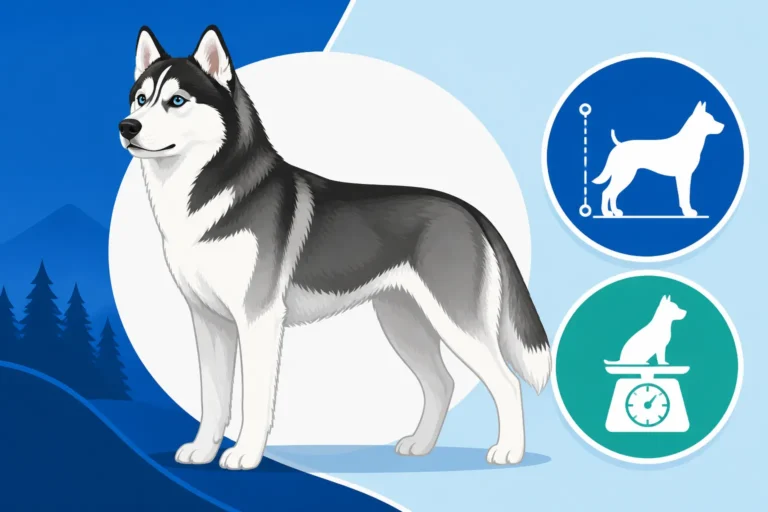
| Size | Large, heavy (70-100+ lbs) | Medium, lean (35-60 lbs) |
| Primary Trait | Strength, hauling heavy loads | Endurance, sustained speed |
| Pace | Slower, deliberate | Faster, consistent |
| Metabolism | Less efficient, needed more food | Highly efficient, ran on less |
| Coat | Varied, often shaggy | Dense double coat, very effective |
| Temperament | Often rugged, less uniform | Friendly, cooperative, eager to run |
| Initial Nickname | "Alaskan Dogs" | "Siberian Rats" |
The Subsequent Imports and Foundation of the Breed
The undeniable success of the initial Siberian imports in the All-Alaska Sweepstakes quickly led to more dogs being brought over, solidifying their place in Alaskan history and leading to the development of the breed we cherish today.
Leonhard Seppala and the Rise of the Siberian Husky
The immediate impact of Goosak’s dogs was a surge in demand. Other prominent mushers, seeing the writing on the wall, began to import more of these fast, efficient dogs directly from Siberia. Among these was a legendary Norwegian-born musher named Leonhard Seppala. Seppala was captivated by the Siberian dogs and quickly recognized their superior qualities for racing. He dedicated himself to breeding and training these dogs, refining the lines and further enhancing their speed, endurance, and innate desire to run. His kennel became synonymous with the Siberian Husky, and his expertise in selecting and developing these dogs was unparalleled. Seppala's meticulous breeding practices and masterful training brought the Siberian Husky to the forefront of the mushing world, turning those once-scoffed-at "Siberian Rats" into champions. He became the most celebrated musher of his time, thanks in large part to his incredible teams. You can read more about Leonhard Seppala's Record With Siberian Huskies. Even today, modern dog owners can find high-quality nutrition and specialized gear, often through retailers like Chewy, that reflects the understanding of performance developed by pioneers like Seppala.
The Breed's Cemented Place in Alaskan History
The initial success of the Siberian dogs in the 1909 All-Alaska Sweepstakes was just the beginning. Subsequent imports and the dedicated work of mushers like Seppala led to a string of victories in the years that followed, proving conclusively that these smaller, faster dogs were the future of competitive mushing. Their consistent performance in races like the All-Alaska Sweepstakes quickly transformed them from novelty to necessity. But their ultimate moment of glory arrived in 1925, during the infamous "Serum Run to Nome," where teams of Siberian Huskies, led by legendary dogs like Togo and Balto, bravely transported life-saving diphtheria antitoxin across 700 miles of treacherous Alaskan wilderness. This heroic effort etched the Siberian Husky permanently into the annals of history, transforming them from racing stars into national heroes. Suddenly, everyone knew the name Siberian Husky, a far cry from the derogatory "Siberian Rats" label they were given just seventeen years earlier. These dogs truly represent the pinnacle of canine endurance and partnership with humans, and it’s no wonder they continue to captivate people today. The Diphtheria Outbreak That Called Out the Huskies is a truly remarkable story, and learning about Togo, the Siberian Husky Who Ran 264 Miles and Balto, the Siberian Husky Who Reached Nome sheds light on their incredible courage. It's a testament to their inherent resilience and the careful breeding that contributes to Why Siberian Huskies Outlive Most Medium Breeds. Today, whether you’re looking for performance gear or just regular supplies, places like Chewy continue to support the well-being of dogs descended from these hardy ancestors.
Disclaimer
This article is for general informational purposes only and does not constitute professional advice. Laws, prices and regulations vary by location and change over time. Consult a qualified professional for guidance on your specific situation.