Leonhard Seppala and His Siberian Huskies
Many people today know the Siberian Husky as a beautiful, energetic companion, perhaps even a bit stubborn, but few realize the incredible history behind their renowned endurance and loyalty. It's easy to get caught up in modern Husky antics and forget the monumental feats that cemented their place in history, largely thanks to one extraordinary man and his team of dogs. This guide delves into the life and legacy of Leonhard Seppala, the legendary musher who, with his incredible Siberian Huskies, etched an indelible mark on both the breed and our hearts, proving what these magnificent animals are truly capable of.
The Man Behind the Mushing Legend: Leonhard Seppala's Early Life and Vision
Leonhard Seppala’s name is synonymous with the Siberian Husky, but his journey to becoming one of the greatest mushers of all time was one forged through grit, determination, and an innate understanding of sled dogs. He wasn't born into dog mushing royalty, but rather, he carved his own path in the unforgiving Alaskan wilderness.
From Norway to Alaska: Seppala's Roots and Arrival
Leonhard Seppala was born in 1887 in Skibotn, Norway, a small fishing village nestled amidst rugged fjords and icy landscapes. This environment, with its harsh winters and demanding terrain, undoubtedly instilled in him a deep respect for nature and a resilience that would serve him well later in life. Like many ambitious young men of his era, the promise of opportunity lured him across the Atlantic. At the age of 20, Seppala emigrated to the United States, eventually making his way to Alaska in 1901. He first found work in the gold mines near Nome, a bustling frontier town that was the epicenter of the Alaskan gold rush. The move from the quiet fjords of Norway to the wild, untamed frontier of Nome was a significant one, setting the stage for a life he likely never imagined. It was in this raw, demanding environment that he would discover his true calling, far from the mines he initially sought to master.
Finding His Calling: Discovering the Siberian Husky
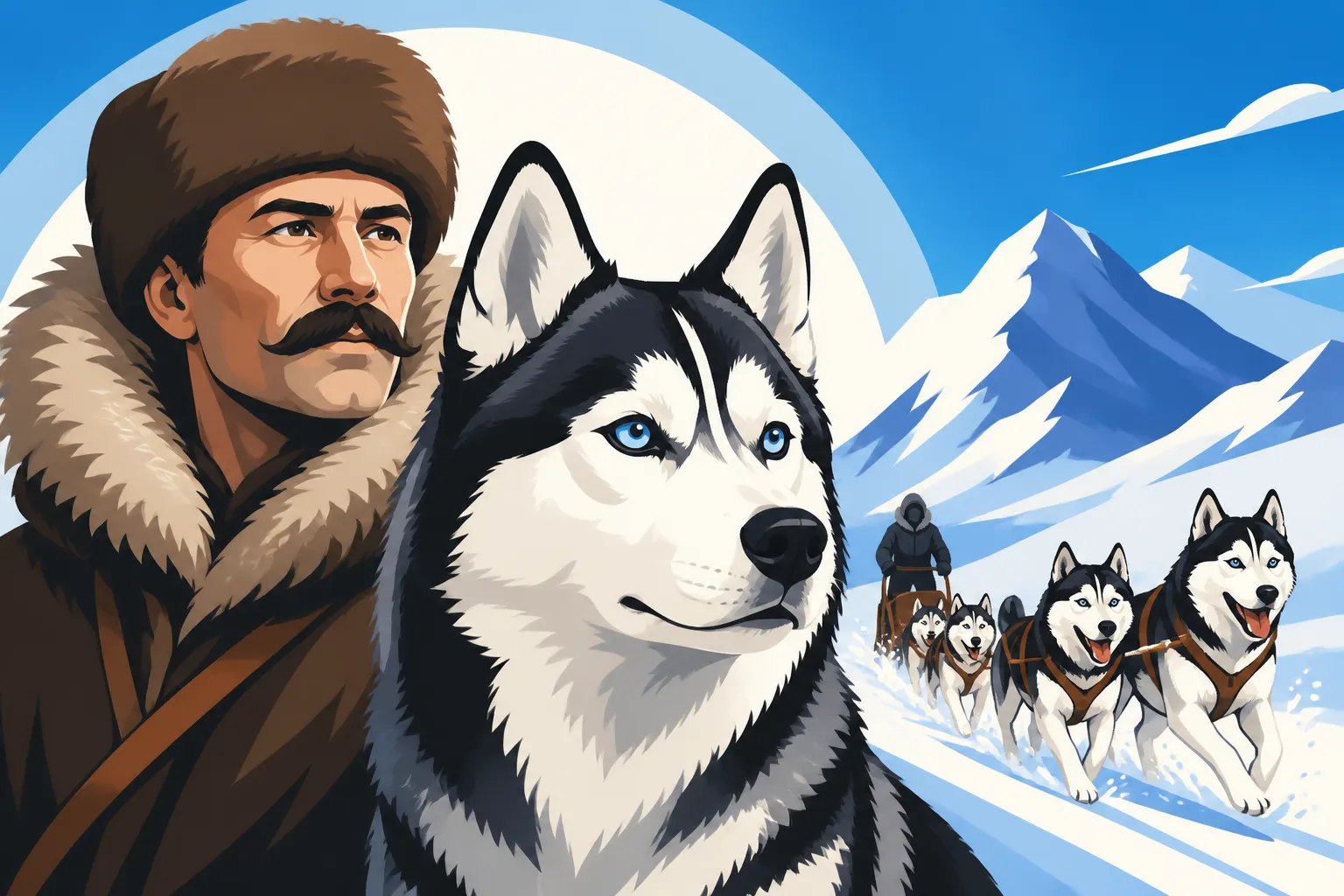
While working in Nome, Seppala was first introduced to the burgeoning sport of dog sledding and the working dogs that powered it. At first, the local freighting dogs were a mixed bag, bred for strength more than speed. However, a turning point came in 1909 when a Russian fur trader, William Goosak, imported a team of small, fast, agile sled dogs from Siberia for the All-Alaska Sweepstakes race. These dogs, which would later become known as Siberian Huskies, were initially ridiculed as "Siberian Rats" due to their smaller stature compared to the heavier Alaskan Malamutes and mixed breeds common at the time. Yet, Seppala, who had by then begun training sled dogs for the Nome Kennel Club’s manager, Scotty Allan, saw something special in these newcomers. He recognized their incredible endurance, their efficient gait, and their innate desire to run. It was a partnership waiting to happen, a perfect match between a man who understood the wilderness and dogs perfectly suited to conquer it. This was the true genesis of his legendary career.
A Unique Training Philosophy: Understanding the Husky Mind
Seppala’s training methods were quite revolutionary for his time. Instead of relying on brute force or harsh discipline, he believed in fostering a strong bond with his dogs, understanding their individual personalities, and harnessing their natural instincts. He recognized the Siberian Husky Temperament and What the Standard Says and understood that these dogs were intelligent, independent, and thrived on teamwork. His approach emphasized positive reinforcement, consistent practice, and allowing the dogs to develop their inherent leadership and trail sense. He spent countless hours on the trails, not just driving his teams, but observing them, learning their cues, and building a mutual trust. This deep understanding allowed him to get the absolute best out of his Huskies, turning them into finely tuned athletes who ran not just for him, but with him. This philosophy is something modern Husky owners still struggle with today, often getting frustrated when their intelligent, free-thinking dogs don't behave like more biddable breeds. Seppala understood that an independent dog isn't a disobedient one, but one that needs a different kind of motivation and respect.
Forging a Dynasty: The Early Racing Success of Seppala's Siberians
Before the legendary Serum Run, Seppala and his Siberian Huskies had already established themselves as a formidable force in the world of dog sled racing, particularly in the grueling long-distance events of Alaska. Their early victories laid the groundwork for the breed's recognition and Seppala's reputation as a master musher.
Dominating the All-Alaska Sweepstakes
The All-Alaska Sweepstakes was a brutal 408-mile endurance race that tested the limits of both mushers and their dogs, running from Nome to Candle and back. It was the premier event in Alaskan dog sledding, attracting the best teams and offering significant prize money. Seppala and his Siberian Huskies quickly became a dominant force in this race. After Goosak’s "Siberian Rats" proved their worth in the 1909 race, finishing third, Seppala took over the training and handling. From 1915 to 1917, Seppala and his teams achieved an unprecedented three consecutive victories in the Sweepstakes, shattering previous records and demonstrating the superior speed and endurance of the Siberian Husky. These victories were not just wins; they were absolute demolitions of the competition, proving unequivocally that these smaller, faster dogs were incredibly effective over long distances. Their success captured the attention of the mushing world and started to change perceptions about what a sled dog could be. The All-Alaska Sweepstakes and the Siberian Husky is a tale of underdogs becoming champions, largely due to Seppala's vision.
The "Siberian Rats" Prove Their Mettle
The derogatory nickname "Siberian Rats" quickly faded as Seppala’s teams continued to outpace and outlast their heavier competitors. The smaller size of the Siberian Husky, initially seen as a weakness, proved to be their greatest asset. Their efficient metabolism meant they required less food, a critical advantage on long, arduous races where supplies were limited. Their dense double coats provided unparalleled protection against the brutal Arctic cold, allowing them to conserve energy. Seppala’s success in these early races showcased the incredible genetic strengths of the Siberian Husky, dogs descended from those bred by the Chukchi people for centuries. These were dogs perfectly adapted for speed, stamina, and working together as a cohesive unit. Even today, you'll find that many reputable breeders of working lines emphasize these traits, understanding that the true essence of the Husky is in its capability. If you're looking for dog food for active Huskies, even pet ones, online retailers like Chewy often carry specialized performance diets that cater to these specific metabolic needs, ensuring they get the right fuel for their inherent drive.
Building a Reputation for Speed and Endurance
Seppala’s consistent victories cemented his reputation, and that of his Siberian Huskies, for unmatched speed and endurance. He was hailed as one of the finest mushers of his generation, and his dogs were considered elite athletes. These early racing triumphs were crucial in showcasing the breed's potential to the wider world, dispelling any doubts about their capabilities. The breed's ability to maintain a strong pace over hundreds of miles in sub-zero temperatures became legendary. This reputation wasn't just built on wins; it was built on a deep respect for the dogs and an understanding of their needs. Seppala became an advocate for the breed, demonstrating their incredible work ethic and gentle temperament, despite their powerful drive. This period was vital for the How Siberian Huskies Reached Alaska in 1908 and began their journey into wider public recognition, paving the way for their formal establishment in North America.
The Call of Duty: Seppala and the 1925 Serum Run to Nome
While Seppala's racing career was illustrious, it was his heroic role in the 1925 Serum Run that catapulted him and his lead dog, Togo, into international fame, becoming one of the most incredible stories of canine heroism ever told.
The Diphtheria Outbreak and Desperate Need
In January 1925, a deadly diphtheria epidemic swept through Nome, Alaska, threatening the lives of its isolated population, particularly the children. The nearest antitoxin serum was in Anchorage, nearly 1,000 miles away, and Nome's port was frozen solid, making sea transport impossible. Airplanes were unreliable in the extreme Arctic conditions, leaving only one option: a relay of dog sled teams. The urgency was palpable; without the serum, the disease would spread unchecked, leading to catastrophic loss of life. This wasn't a race for glory or prize money; it was a desperate race against time and death. The entire population held its breath, praying that the mushers and their dogs could deliver the life-saving medicine. The sheer magnitude of the crisis highlights the critical role sled dogs played in remote Alaskan communities, serving as lifelines in times of extreme need. It's a stark reminder of the harsh realities of frontier life and the incredible fortitude of both humans and animals who lived it. The Diphtheria Outbreak That Sent Huskies to Nome describes this harrowing period in more detail.
The Longest, Most Treacherous Leg of the Relay
Leonhard Seppala, recognized as Nome's most skilled musher, was immediately called upon to take on the most dangerous and longest leg of the relay. His task was to travel east from Nome, meet an incoming team with the serum, and return it to Nome, covering an estimated 340 miles round trip through treacherous conditions. This was an unprecedented distance for a single team in such extreme circumstances. With his lead dog, Togo, a 12-year-old veteran of countless races and an absolute legend in his own right, Seppala set out. Togo was known for his exceptional intelligence, unwavering leadership, and an almost psychic ability to find the trail even in blinding blizzards. This leg of the journey took them across vast, frozen landscapes, battling whiteout conditions, sub-zero temperatures that plummeted to -85 degrees Fahrenheit with wind chill, and blinding snow. It was a testament to Seppala’s skill and Togo’s incredible instincts that they navigated such an unforgiving stretch.
Braving the Ice of Norton Sound
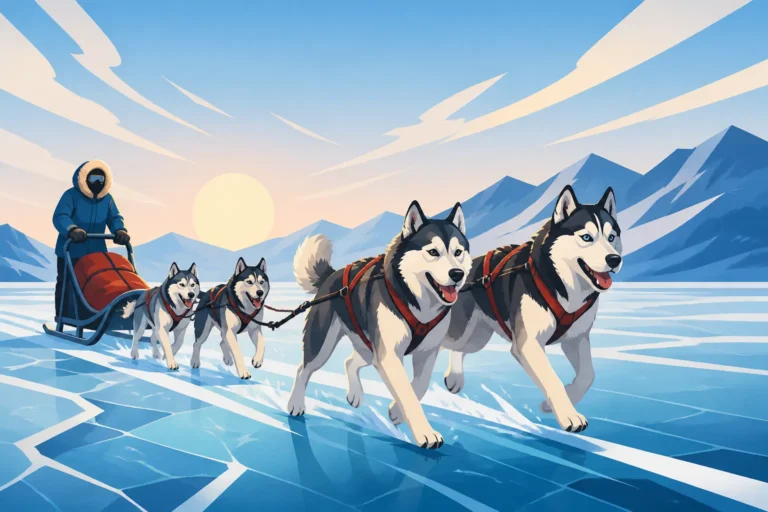
Perhaps the most perilous part of Seppala’s journey was the decision to cross the constantly shifting ice of Norton Sound. This shortcut, a treacherous 20-mile stretch across the sea ice, could save critical time but also risked plunging the entire team into the frigid Arctic ocean. Seppala knew the risks, but the lives in Nome depended on speed. With Togo leading the way, they traversed the unstable ice, sometimes fracturing beneath their paws, with the wind roaring around them. At one point, they were stranded on a floe of ice that broke free, drifting them away from shore. Togo, with incredible courage and resourcefulness, swam through icy waters, tethered by a rope, pulling the floe back to safety. This act alone demonstrated the extraordinary bond and trust between Seppala and his lead dog. Togo, the Siberian Husky Who Ran 264 Miles covers this incredible feat, highlighting the unparalleled bravery and intelligence of Seppala’s loyal leader. Their combined effort shaved days off the journey, pushing the limits of what was thought possible, and setting the stage for the final delivery.
The Heroic Dogs: Togo, Balto, and the True Stars of the Relay
The 1925 Serum Run is often remembered through the lens of two lead dogs: Togo and Balto. While Balto garnered more public attention, it’s crucial to understand the roles both played and the collective effort of all the dogs involved.
Togo's Unparalleled Endurance and Leadership
While Balto became the face of the Serum Run for delivering the final leg, it was Togo who ran the longest and arguably the most dangerous leg of the entire relay, covering an astonishing 264 miles (out of the 674 total miles for the relay) over just three days. At 12 years old, Togo was already a seasoned veteran, intelligent, incredibly brave, and utterly devoted to Seppala. He led his team through the brutal weather and across the treacherous Norton Sound ice, navigating by instinct when human visibility was zero. His leadership was not just about pulling; it was about decision-making, sensing danger, and motivating his team through unimaginable conditions. Togo’s journey was a marathon of heroism, a display of endurance and wisdom that epitomizes the very best of the Siberian Husky breed. He truly carried the weight of Nome on his paws, demonstrating the kind of spirit and resilience that makes a Siberian Husky Lifespan and What Shortens It so remarkable for such an active breed.
Balto's Moment in the Spotlight
After Seppala and Togo completed their epic leg, the serum was passed through several more teams. The final leg, a mere 55 miles into Nome, fell to Gunnar Kaasen's team, led by Balto. Balto was a strong dog, known for his freighting capabilities. When Kaasen’s team arrived in Nome in the early morning hours of February 2, 1925, after navigating a blinding blizzard, Balto became an instant celebrity. The newsreel cameras and journalists, eager for a hero, immortalized Balto as the dog who saved Nome. A statue of Balto was erected in New York City's Central Park less than a year later, solidifying his place in popular culture. While Balto’s contribution was vital and his team's final push through the storm was incredibly brave, the disparity in recognition between him and Togo has been a point of historical discussion, with many arguing that Togo's efforts were largely overshadowed. Balto, the Siberian Husky Who Reached Nome remains a captivating story, illustrating the impact of media on public perception.
The Full Team Effort: Beyond the Lead Dogs
It’s easy to focus on Togo and Balto, but the Serum Run was a truly collective effort involving 20 mushers and around 150 dogs, many of them Siberian Huskies or Husky mixes. Each team ran their part, often through the same brutal conditions, to move the precious cargo forward. Every dog that pulled in that relay, every musher who risked their life, contributed to the success. There were other heroes too, like Fox, Togo’s main wheel dog, or other lead dogs like Fritz and Scotty, who navigated their own challenging legs. The story is a testament to the incredible working relationship between humans and their canine partners, showcasing how effective a well-trained, well-conditioned team of Siberian Huskies With Other Dogs can be when united by a common, critical purpose. It's a reminder that while stars emerge, the real victory lies in the strength of the collective.
Legacy Beyond the Snow: Seppala's Impact on the Siberian Husky Breed
Leonhard Seppala's story didn't end with the Serum Run. His efforts, both on the race trail and in advocating for the breed, left an indelible mark on the Siberian Husky, shaping its development and ensuring its place in history.
Establishing the Breed Standard and Temperament
After the Serum Run, Seppala and his dogs, particularly Togo, embarked on a triumphant tour across the United States, drawing immense public fascination. This tour played a crucial role in introducing the Siberian Husky to a wider American audience, leading to increased interest in the breed. Seppala's dogs became the foundation stock for many of the earliest Siberian Husky kennels in North America. His direct involvement, along with that of Elizabeth Ricker and other early enthusiasts, was instrumental in shaping the initial breed standard for the Siberian Husky. The standard emphasized the very traits Seppala valued: endurance, speed, grace, and an alert, amiable temperament. It sought to preserve the working qualities that made these dogs so extraordinary, recognizing their intelligence and natural athleticism. AKC Recognition of the Siberian Husky in 1930 came about thanks to these foundational efforts, ensuring the breed's future.
Preserving the Working Lines
Seppala was deeply committed to preserving the working integrity of the Siberian Husky. He understood that the breed's true essence lay in its ability to perform the tasks it was bred for – pulling a sled efficiently over long distances in harsh conditions. He was wary of breeding solely for appearance, advocating instead for continued emphasis on health, temperament, and working ability. His influence can still be seen in many working line Siberians today, often referred to as "Seppala lines." These dogs are typically lighter-boned, with a focus on athleticism and keen intelligence. Even after his prime mushing years, he continued to be an authority on the breed, guiding breeders and new owners on the true nature of the Siberian Husky. If you're looking for a dog with a strong working drive, you might research Show Lines Against Working Siberian Huskies to understand the differences, though even "pet" lines benefit from a nod to their heritage.
The Enduring Spirit of Seppala's Huskies Today
The spirit of Leonhard Seppala and his Huskies continues to live on in every Siberian Husky that graces our lives today. Their lineage, their inherent desire to run, and their spirited independence are all echoes of those early dogs who braved the Alaskan wilderness. Modern Siberian Huskies, whether they are beloved family pets or competitive sled dogs, embody the same traits that Seppala so admired: their remarkable endurance, their boundless energy, their distinctive "talkative" nature, and their unwavering loyalty to their chosen family. As responsible owners, we owe it to Seppala's legacy to understand the needs of this incredible breed, providing them with ample exercise, mental stimulation, and a secure environment to thrive. Products available from retailers like Chewy, from specialized harnesses designed for pulling to interactive toys that challenge their minds, can help owners meet the demands of this active breed. Their story is a powerful reminder that these aren't just dogs; they are living pieces of history, carrying forward the legacy of one man's vision and an entire breed's heroism. Understanding their origins helps us appreciate why Whether a Working Line Husky Makes a Harder Pet might be a consideration for some owners, given their intense drive.
| Lead Dog | Musher | Primary Role in Serum Run | Key Contribution | Miles Run (approx.) | Public Recognition |
|---|---|---|---|---|---|
| Togo | Leonhard Seppala | Longest, most dangerous leg | Navigated treacherous Norton Sound ice, battled blizzards, maintained record speed | 264 | Initially overshadowed, later recognized for his immense effort |
| Balto | Gunnar Kaasen | Final leg into Nome | Delivered serum to Nome through whiteout conditions | 55 | Became the iconic symbol of the Serum Run, statue in Central Park |
Disclaimer
This article is for general informational purposes only and does not constitute professional advice. Laws, prices and regulations vary by location and change over time. Consult a qualified professional for guidance on your specific situation.