Balto, the Siberian Husky Who Reached Nome
Many dog lovers know the name Balto, the brave Siberian Husky celebrated for his role in the 1925 Serum Run to Nome. But if you've ever dug a little deeper, you might find yourself a bit confused about the full story, or even hear whispers that he wasn't the real hero. This guide aims to set the record straight, honoring Balto's crucial contribution while also illuminating the incredible team effort that saved a town from diphtheria, ensuring Balto's place in history is understood within the broader context of canine heroism.
The 1925 Serum Run to Nome: A Race Against Time
Imagine a remote Alaskan town in the dead of winter, cut off from the rest of the world. That was Nome in January 1925, facing a terrifying diphtheria epidemic. This wasn't just a handful of sick people; it was a public health crisis that threatened to wipe out the entire population, especially the children. The isolation was compounded by the brutal Alaskan weather, making conventional travel impossible. This dire situation set the stage for one of history's most extraordinary feats of canine endurance and human resolve.
The Diphtheria Crisis
Diphtheria is a serious bacterial infection that can cause a thick coating in the nose and throat, making it difficult to breathe or swallow. It can also lead to heart damage, nerve damage, and even death. In Nome, the town's only doctor had just enough antitoxin to treat a few people, but an entire community was at risk. The nearest large supply of the life-saving antitoxin was over a thousand miles away in Anchorage, and winter storms had grounded all planes, while the port was frozen solid. The residents of Nome faced a grim choice: wait for spring and certain death for many, or attempt a desperate, unprecedented overland journey through impossible conditions. The stakes couldn't have been higher; the lives of an entire community hung in the balance.
The Relay System and Extreme Conditions
With air and sea travel impossible, the only option left was a dog sled relay across nearly 700 miles of treacherous Alaskan wilderness. This wasn't a single musher and team; it was a coordinated effort involving 20 mushers and around 150 dogs, each pushing themselves to their absolute limits. The route stretched from Nenana to Nome, through mountain passes, frozen rivers, and vast, open tundra. The temperatures plunged to 50 degrees below zero Fahrenheit, with wind chills making it feel even colder. Blizzards raged, reducing visibility to zero, and the constant threat of frostbite, exhaustion, and getting lost was very real. Mushers and dogs alike faced unfathomable dangers, relying on instinct, courage, and an unbreakable bond to push forward. Every moment counted, as the antitoxin had a limited shelf life and was needed urgently. The sheer willpower involved, both human and canine, is something truly difficult to grasp from a comfortable distance.
The Many Husky Teams Involved
While Balto and Togo are the most famous names from the 1925 Serum Run, it's vital to remember that they were just two of many heroic dogs and mushers. In total, 20 different mushers and their teams participated in the relay, covering segments of varying lengths and difficulties. Each hand-off of the precious cargo was a small victory, a testament to the collective determination of these individuals. Some teams ran shorter, but no less critical, legs, facing their own unique challenges like thin ice, dense forests, or treacherous climbs. The sheer logistical coordination required to execute such a relay in those conditions was astounding, and every dog and musher played a role in the success. For many of these dogs, their Siberian Husky Lifespan and What Shortens It would be irrevocably tied to this singular, monumental event.
Togo's Monumental Journey: The Unsung Hero
Among the many teams, one stands out for its incredible distance and the sheer difficulty of its leg: Leonhard Seppala's team, led by his wise and experienced Siberian Husky, Togo. While Balto would capture the headlines, Togo's contribution was arguably the most challenging and critical, covering a disproportionately vast and dangerous section of the route. Togo was a seasoned leader, known for his intelligence, stamina, and ability to navigate through the worst conditions imaginable. Seppala trusted Togo implicitly, a bond forged over many years of working together in the unforgiving Alaskan landscape.
Leonhard Seppala's Leadership
Leonhard Seppala was already a legendary musher by 1925, known for his exceptional skill and his deep understanding of his dogs. His team, primarily purebred Siberian Huskies, were bred for endurance, speed, and their incredible ability to withstand extreme cold. Seppala was tasked with covering what was considered the most dangerous section of the relay, a segment that would take his team far out onto the unpredictable ice of Norton Sound. His expertise was not just in driving the sled, but in reading the weather, understanding the ice, and knowing his dogs' limits. He was not just a musher; he was a master strategist against nature itself, and his leadership was absolutely vital in the success of this perilous mission.
The Treacherous Norton Sound Crossing
Togo and Seppala's most famous and harrowing feat was the crossing of Norton Sound. This wasn't a solid land route; it involved a dangerous shortcut across a large body of water that was only partially frozen. The ice was constantly shifting, breaking apart, and reforming under the relentless wind and tides. At one point, Seppala and his team were stranded on a floating ice floe for hours, adrift in the frigid waters, before Togo, with incredible intelligence and courage, found a way to jump the team to stable ice. This nearly 30-mile stretch across the ice was a gamble, but it saved critical time. The risks were immense: one wrong step could mean plunging into the icy depths, losing the antitoxin, the dogs, and human lives. The Temperatures the Serum Run Huskies Faced during this leg were extreme, pushing everyone to their absolute limits.
Togo's Unmatched Miles
Togo's team covered an astonishing 264 miles, by far the longest and most perilous single leg of the entire relay. To put that into perspective, it was almost double the distance of any other team's leg. He faced a severe blizzard, extreme cold, and the life-threatening challenges of Norton Sound. Togo was an older dog, around 12 years old at the time, yet he performed with the vigor and wisdom of a champion. His incredible endurance and navigational skills under the most dire circumstances solidified his place as a true canine hero. While Balto's name became a household word, many feel that Whether the Wrong Siberian Husky Got the Credit is a valid question when considering Togo's monumental effort. Even today, dog owners researching Care & Nutrition: High-Fat Food for a Siberian Husky in Winter can appreciate the immense caloric expenditure involved in such a run.
Balto's Final Leg: The Heroic Arrival
After Togo's extraordinary run, the antitoxin was handed off several more times before it reached Gunnar Kaasen and his team, with Balto as lead dog. Balto's leg was the final stretch into Nome, a relatively shorter distance compared to Togo's, but it was fraught with its own set of intense challenges, particularly a blinding blizzard that threatened to halt the entire mission at the very last moment.
Gunnar Kaasen and the Last Stretch
Gunnar Kaasen was an experienced Norwegian musher who was given the honor of running the last leg into Nome. His team, led by Balto, was well-rested compared to some of the earlier teams, a strategic advantage for the final push. However, the conditions they encountered were arguably some of the worst of the entire run. The storm that hit during their leg was so severe that it grounded rescue planes and made travel nearly impossible. Visibility was practically zero, turning the familiar trail into a dangerous maze. The weight of an entire town's hope rested on Kaasen and Balto's shoulders.
Navigating the Blizzard
As Kaasen and Balto set out, a fierce blizzard descended, bringing gale-force winds and whiteout conditions. It was so bad that Kaasen couldn't see his lead dogs, let alone the trail ahead. He had to rely entirely on Balto's instincts and sense of direction. Balto, despite the incredible snow and wind, instinctively kept them on the right path, avoiding what could have been a fatal detour onto frozen river ice. At one point, Kaasen even lost the serum package from the sled in the deep snow, but miraculously, he was able to find it in the dark, using his hands. Balto's unwavering focus and ability to navigate through such a sensory deprivation environment truly saved the day. It's a testament to the Siberian Husky Temperament and What the Standard Says about their resilience and intelligence, even if they're often seen as independent.
The Arrival in Nome
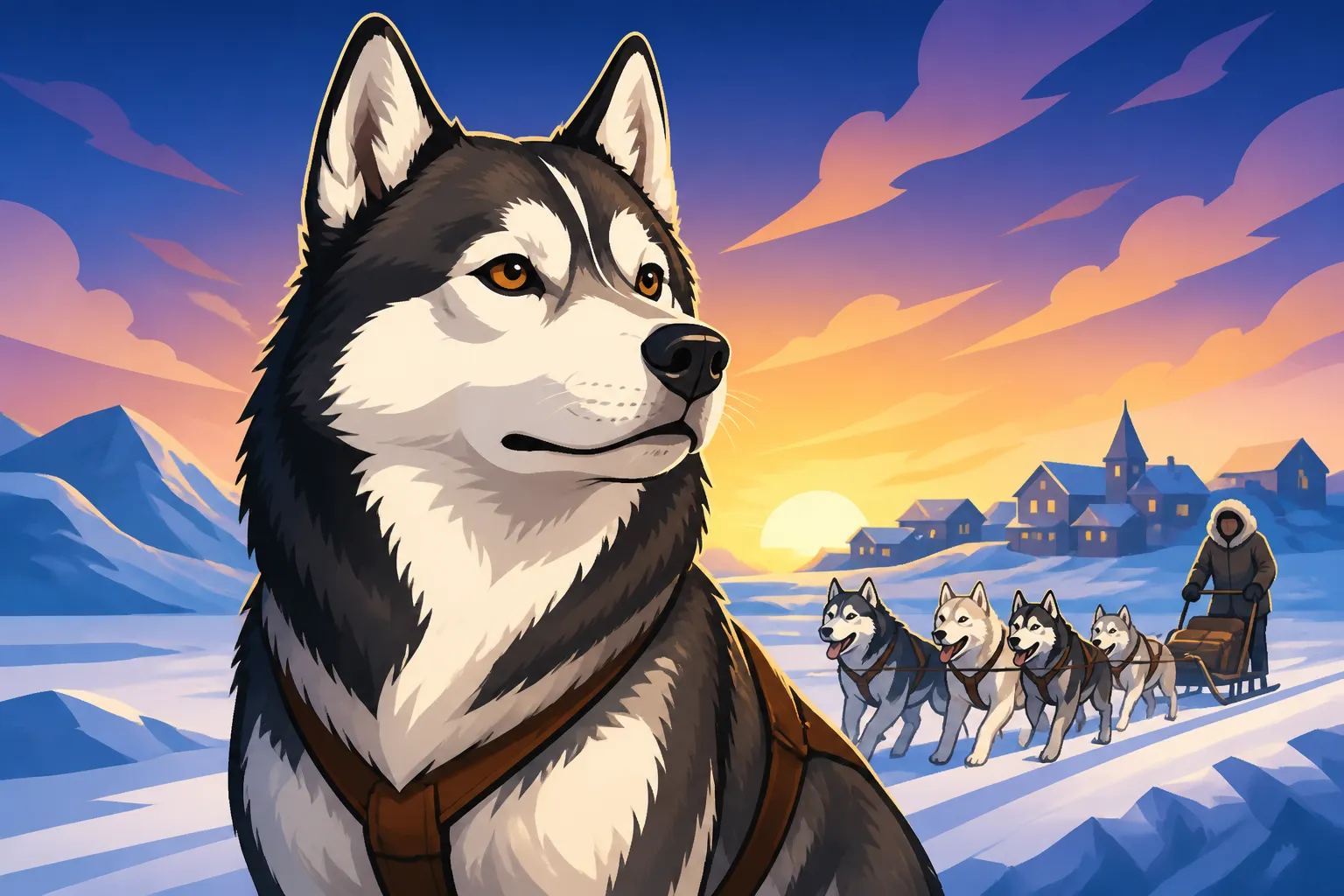
In the early morning hours of February 2, 1925, after 53 grueling miles, Kaasen and Balto’s team burst through the blinding snow and into the streets of Nome, delivering the antitoxin. The entire town was on edge, waiting, hoping. Their arrival was met with immense relief and jubilation. The serum run had taken a little over five days, a remarkable achievement under such severe conditions. Balto and Kaasen were immediately hailed as heroes. The sight of Balto leading the team, triumphant against the blizzard, captured the public imagination in a way that the earlier, equally heroic legs did not. This dramatic finish, broadcast around the world, cemented Balto's image as the face of the heroic effort.
The Aftermath and Public Acclaim
Balto’s dramatic arrival in Nome, captured by the few reporters present, quickly turned him into an international sensation. He became the symbol of bravery, endurance, and the triumph of life over death. This wave of public recognition propelled Balto and Gunnar Kaasen into the spotlight, making them household names almost overnight.
Newspaper Headlines and Public Fascination
News of the successful serum run, particularly Balto's final leg through the blizzard, spread like wildfire across the globe. Newspapers ran sensational headlines, often featuring photos of Balto looking stoic and heroic. The image of this intrepid husky, defying nature's fury to save children, resonated deeply with a public still recovering from a global pandemic just a few years prior. Balto became a symbol of hope and perseverance, sparking widespread fascination with the Siberian Husky breed and sled dogs in general. The world hung on every detail of his story, and his image quickly became synonymous with the courage of the entire Alaskan relay.
The Statue in Central Park
Just ten months after the epic journey, a bronze statue of Balto, created by sculptor Frederick Roth, was unveiled in New York City's Central Park. The dedication ceremony was a massive event, attended by throngs of admirers. The inscription on the statue reads: "Dedicated to the indomitable spirit of the sled dogs that relayed antitoxin 600 miles over rough ice, across treacherous waters, through arctic blizzards from Nenana to the relief of stricken Nome in the Winter of 1925. Endurance · Fidelity · Intelligence." This iconic statue cemented Balto's place in popular culture and continues to draw visitors who want to pay homage to the heroic dog. This kind of lasting tribute is rare for an animal, further illustrating the profound impact of the story.
Balto's National Tour
Following his newfound fame, Balto and his team, along with Gunnar Kaasen, embarked on a national tour. They traveled across the United States, appearing in parades, exhibitions, and even starring in a short film. This tour allowed millions of people to see the famous husky firsthand, solidifying his celebrity status. However, this period was not without its complications. After the initial fanfare, Balto and the other dogs were eventually sold to a Vaudeville showman, where their living conditions deteriorated. It was only through the intervention of a Cleveland businessman, George Kimble, who raised money with the help of schoolchildren, that Balto and his companions were rescued and brought to the Cleveland Zoo to live out their days in comfort. This rescue story itself adds another layer to Balto's incredible journey. If you're looking for high-quality food for your own beloved dogs, places like Chewy offer a wide range of options, far different from what Balto might have eaten on tour!
Balto's Legacy: Beyond the Headlines
While Balto's fame was immediate and widespread, the complete story of the 1925 Serum Run involves many more layers. His legacy isn't just about his own actions, but about what he represents as part of a larger, incredibly courageous effort. It’s a story that continues to inspire and educate, prompting discussions about heroism, recognition, and the true nature of teamwork.
The Debate: Balto vs. Togo
For decades, there has been an ongoing debate among dog enthusiasts and historians: who was the real hero, Balto or Togo? As we've seen, Togo covered a far greater distance and navigated more treacherous terrain. Many argue that Togo was the true unsung hero, doing the heavy lifting, while Balto, though crucial, merely finished the race. However, it's not a zero-sum game. Both dogs, and indeed all the dogs and mushers, were heroes. Balto's role was critical because he completed the mission under the most dramatic circumstances, securing the final victory. It was the collective effort that saved Nome, and each link in that chain was indispensable. The important thing is to understand and appreciate the contributions of every individual, especially when discussing The Oldest Recorded Siberian Huskies and their incredible feats of endurance.
Here's a quick comparison of their roles:
| Lead Dog | Musher | Primary Role in Serum Run | Miles Covered (Approx.) | Key Challenge | Public Recognition |
|---|---|---|---|---|---|
| Togo | Leonhard Seppala | Longest, most treacherous leg | 264 miles | Crossing Norton Sound | Later recognized hero |
| Balto | Gunnar Kaasen | Final, critical leg to Nome | 53 miles | Navigating blizzard | Immediate public icon |
Inspiring Future Generations
Balto's story, along with the broader narrative of the Serum Run, continues to inspire. It has been immortalized in books, documentaries, and animated films, capturing the imaginations of children and adults alike. His tale teaches valuable lessons about perseverance, courage, and teamwork. It highlights the incredible bond between humans and dogs, demonstrating what can be achieved when both work together towards a common goal. This enduring appeal helps keep the history of the Siberian Husky alive and reminds us of their incredible capabilities. For example, the challenges faced by Balto's team are a stark reminder of why A Siberian Husky That Hesitates in Dim Rooms might be dealing with vision issues, highlighting the critical nature of canine health.
Remembering the Spirit of the Siberian Husky
Ultimately, Balto's fame shines a light not just on one dog, but on the entire Siberian Husky breed. These dogs, originally bred by the Chukchi people for endurance and sledding in harsh Arctic conditions, possess an incredible spirit of resilience, loyalty, and determination. They are built for work, for challenging environments, and for forming strong partnerships with their human counterparts. The serum run is a powerful testament to the breed's inherent capabilities and the incredible feats they can accomplish. When we consider What the Chukchi Bred the Siberian Husky For, it's clear that the qualities displayed by Balto, Togo, and all the other sled dogs were simply an extension of their innate nature. Finding proper care items for such resilient dogs can be easy today; many owners turn to retailers like Chewy for high-quality food, durable toys, and grooming supplies, ensuring their Huskies can thrive, even if they aren't saving towns from epidemics. While our pet Huskies might not be running hundreds of miles with life-saving medicine, their spirit and companionship enrich our lives in countless ways. The legacy of Balto reminds us to appreciate every dog's potential for greatness and the profound impact they have on our lives.
Disclaimer
This article is for general informational purposes only and does not constitute professional advice. Laws, prices and regulations vary by location and change over time. Consult a qualified professional for guidance on your specific situation.