The 1926 Tour That Sold America on the Siberian Husky
The stories of courage and endurance from the frozen Alaskan wilderness captivated an entire nation, especially when it came to the incredible sled dogs that performed heroic feats. But while many know the legend of the 1925 Serum Run to Nome, fewer realize how a subsequent cross-country tour in 1926 truly introduced the Siberian Husky to the American public, creating a fascination that still shapes our understanding of this magnificent breed today. This guide will explore that pivotal tour and its lasting impact.
The Resounding Echo of the Serum Run
The winter of 1925 saw a diphtheria epidemic threaten the isolated town of Nome, Alaska. With no way to deliver antitoxin by plane or boat through the brutal conditions, a relay of dog sled teams was organized, racing against time and the elements. This monumental effort, now famously known as the Serum Run, captured headlines worldwide and introduced the general public to the sheer resilience and speed of the sled dogs involved. It was a story of survival, heroism, and the unbreakable bond between humans and their canine partners.
From Alaskan Heroes to National Darlings
Before the Serum Run, purebred Siberian Huskies were relatively unknown outside of a small circle of mushers and enthusiasts in Alaska and Canada. They were working dogs, valued for their stamina, speed, and ability to thrive in extreme cold. The mainstream public often confused them with other Spitz-type breeds or saw them simply as "sled dogs." The events of 1925 changed everything. Suddenly, these dogs were not just working animals; they were heroes, symbols of unwavering dedication and spirit. Newspapers and radio broadcasts carried their names and exploits into homes across the continent, igniting a fervent curiosity about these remarkable creatures. People wanted to know more about the breed that had saved a town from a deadly disease.
Leonhard Seppala: The Man Behind the Mushing Legend
At the heart of the Serum Run, and indeed the subsequent tour, was Leonhard Seppala, a legendary Norwegian musher. Seppala was already renowned in the dog sledding world, having won multiple All-Alaska Sweepstakes races with his exceptional teams. His lead dog, Togo, was a dog of incredible intelligence, tenacity, and instinct, arguably the true hero of the longest and most perilous leg of the relay. Togo, the Siberian Husky Who Ran 264 Miles became a household name. Seppala's dedication to his dogs and his unparalleled skill as a musher made him a celebrity in his own right, embodying the rugged spirit of the Alaskan frontier. It was his reputation, and the fame of his dogs, that ultimately paved the way for the historic 1926 tour. He wasn't just a driver; he was an ambassador for his breed and his sport.
Planning the Unprecedented Tour
After the Serum Run, the world was clamoring to see these canine heroes up close. The idea of a tour was born out of this intense public interest, coupled with the desire to celebrate the brave dogs and their mushers. However, taking a team of working sled dogs on a cross-country tour was no small feat, especially in an era before widespread air travel and modern logistics. It required meticulous planning and a deep understanding of the dogs' needs.
Assembling the Famous Team
The star of the show, without a doubt, was Togo, Seppala’s lead dog from the Serum Run. While Balto received much of the initial media attention, Which Siberian Husky Really Saved Nome is a question many still debate, with many pointing to Togo's incredible journey. Seppala brought a selection of his finest Siberian Huskies, the very dogs that had demonstrated their mettle on the ice and snow of Alaska. These weren't just show dogs; they were athletes, bred for endurance and pulling power, directly descended from the elite Chukchi dogs that Seppala had championed. Each dog on the tour was a testament to the breed's capabilities. Their physical condition, their keen eyes, and their spirited demeanor were all part of the captivating spectacle.
Logistical Challenges of Cross-Country Travel
Transporting a team of sled dogs across thousands of miles of continental United States was an immense undertaking. In the 1920s, this primarily meant rail travel. Special arrangements had to be made to ensure the dogs' comfort and safety. This included secure crates, ample space for exercise during stops, and a steady supply of appropriate food and water. For animals accustomed to the vast, open spaces of Alaska, confined travel could be stressful. Handlers had to be vigilant about their health, stress levels, and behavior. Furthermore, managing public access to these valuable and sometimes wary animals required careful planning. Imagine trying to explain the unique needs of a working sled dog to curious crowds who had only seen pictures! It was a far cry from today's streamlined pet travel, and every detail had to be considered to keep these canine ambassadors in top form.
Across the Nation: The 1926 Exhibition Journey
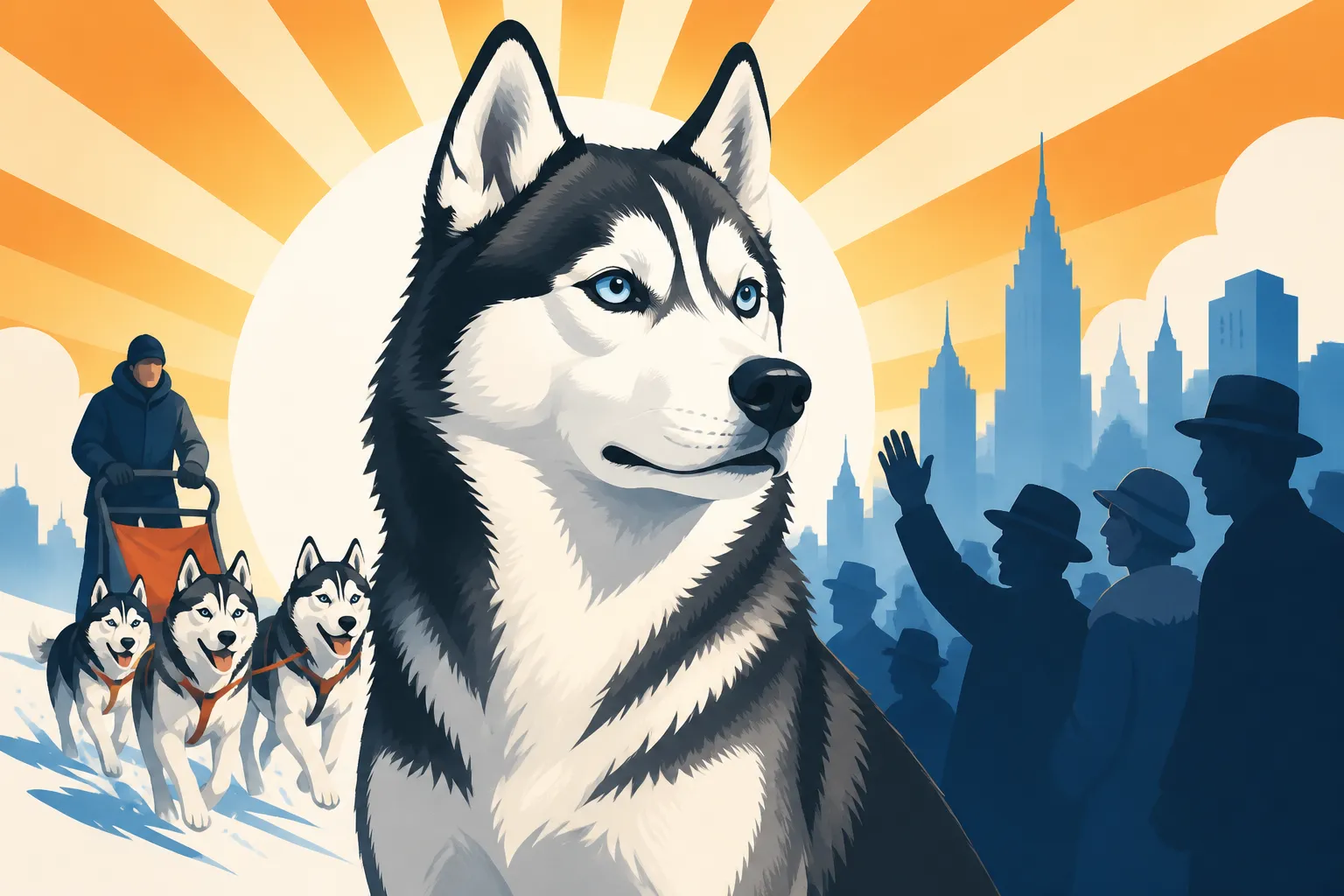
The tour commenced, transforming Seppala and his Huskies into bona fide celebrities. They didn't just visit cities; they made grand entrances, often met by cheering crowds and newspaper reporters eager for a scoop. This wasn't merely a dog show; it was a living historical exhibition, bringing a piece of the Alaskan frontier to bustling American metropolises.
Key Stops and Iconic Appearances
The tour began in the Northeast, hitting major cities like New York City, which served as a massive platform for the dogs' debut. From there, it moved across the country, showcasing the dogs in various venues, including sports arenas, department stores, and even prestigious events like the Westminster Kennel Club Dog Show. These were opportunities for the public to not only see the dogs but to interact with Seppala himself, hearing firsthand accounts of the Serum Run. Each stop was carefully chosen to maximize exposure and impact, ensuring that the story of the Siberian Husky reached as many people as possible. The presence of these rugged, beautiful dogs in urban settings was a novelty, drawing enormous crowds eager for a glimpse of genuine heroism.
What Audiences Saw: Demonstrations and Meet-and-Greets
At each stop, Seppala and his team put on demonstrations of sled dog work, albeit often on specially prepared tracks rather than vast expanses of snow. They showed off their pulling power, their agility, and their remarkable obedience to Seppala's commands. While these weren't full-scale races, they provided a thrilling visual of what these dogs were capable of. Beyond the demonstrations, there were opportunities for meet-and-greets, allowing people to get closer to the dogs, perhaps even touch their thick double coats. This hands-on experience, seeing the dogs' intelligent eyes and feeling their powerful presence, created a lasting impression. It's easy to imagine children, and adults alike, mesmerized by the sheer beauty and athleticism of these animals. It was here that the initial spark of public interest truly ignited into a widespread love for the breed. Today, you might search for a comfortable, durable leash and harness on sites like Chewy for your husky, but back then, it was about seeing the gear in action.
The Impact of Celebrity: Selling America on the Siberian Husky
The 1926 tour was a roaring success, not just as a spectacle, but as a marketing campaign for the Siberian Husky breed. It fundamentally changed the breed's trajectory in the United States, launching it from relative obscurity into the public consciousness. This newfound fame brought both incredible opportunities and, as is often the case, its own set of challenges.
Skyrocketing Popularity and Breed Recognition
The tour firmly cemented the Siberian Husky's place in the hearts and minds of Americans. The breed's popularity soared, leading to increased demand for puppies and a burgeoning interest in sled dog sports. This rise in prominence also played a significant role in the formal recognition of the Siberian Husky by the American Kennel Club (AKC) in 1930. AKC Recognition of the Siberian Husky in 1930 was a direct consequence of the public's fascination. Breeders, previously a small, dedicated group, now found themselves inundated with inquiries from people wanting to own one of these magnificent animals. It wasn't just about their heroic deeds; people were drawn to their striking appearance, their wolf-like beauty, and their energetic demeanor. This period marked the true beginning of the Siberian Husky as a recognized and beloved breed in America, moving beyond just working lines into the realm of companion animals.
The Double-Edged Sword: New Opportunities and Unforeseen Challenges
While the tour brought the Siberian Husky well-deserved recognition, it also introduced a complex dynamic that still impacts the breed today. On one hand, the increased visibility led to dedicated breeding programs, better health testing practices, and the establishment of breed clubs focused on preservation and education. New owners, inspired by the Huskies' resilience, would soon be seeking out all sorts of specialized gear, from quality harnesses to durable toys – items readily available today from retailers like Chewy.
However, the rapid surge in popularity also brought challenges. Many people, captivated by the heroic image and stunning looks, often underestimated the immense commitment required to own a Siberian Husky. The breed's unique Siberian Husky Temperament and What the Standard Says includes traits like independence, a strong prey drive, and a profound need for exercise and mental stimulation. These characteristics, essential for a working sled dog, could prove challenging for an inexperienced owner in a suburban home. This disconnect between the heroic image and the reality of their care requirements regrettably led to many Huskies ending up in shelters or rescues, a problem that breed-specific rescues still contend with to this day. Why So Many Siberian Huskies End Up in Rescue is a harsh reality that often stems from this initial wave of popularity without proper education.
Enduring Legacy and Lasting Impressions
The 1926 tour of Seppala and his Huskies was more than just a momentary sensation; it forged a deep connection between the American public and this incredible breed that continues to resonate. It shaped perceptions, influenced breeding practices, and laid the groundwork for the Siberian Husky's enduring place in our culture and homes.
Inspiring Future Generations of Dog Sports
One of the most profound legacies of the tour was the inspiration it provided for the growth of dog sledding and other canine sports in the continental United States. Before the tour, mushing was primarily a niche activity in the northern territories. Seeing these powerful dogs in action, even in demonstrations, sparked an interest that grew into organized clubs and events. People began to explore activities like recreational sledding, skijoring, and eventually canicross and bikejoring, all of which embrace the Siberian Husky's natural instinct to pull. The image of a team of Huskies, lean and powerful, working in unison, remains a powerful symbol of canine athleticism and partnership. The accessibility of equipment through online pet supply stores like Chewy has made it easier for modern enthusiasts to participate in these exhilarating sports. What a Siberian Husky Was Bred to Do was showcased across America, encouraging people to appreciate these dogs for their original purpose.
Understanding the Siberian Husky's True Nature Beyond the Hype
The tour undeniably created a romanticized image of the Siberian Husky—a stoic, tireless hero of the snow. And while these traits are absolutely true to the breed's heritage, they only tell part of the story. The 1926 tour was instrumental in bringing these dogs into the public eye, but the work of educating potential owners about the breed's complex needs, high energy levels, and potential challenges like wanderlust and prey drive began in earnest after the initial excitement. Today, resources are abundant for those truly interested in owning a Husky, dispelling myths and providing practical advice. For instance, understanding Siberian Husky Lifespan and What Shortens It and the importance of regular veterinary care, including specialized exams like Siberian Husky Eye Disease and the Annual Exam, is crucial for responsible ownership. The tour opened the door, but it's up to each generation of Husky enthusiasts to walk through it with open eyes and a prepared heart, ready to embrace the full, wonderful, and sometimes challenging reality of living with these truly special dogs.
| Aspect | Before the 1926 Tour | After the 1926 Tour |
|---|---|---|
| Public Perception | Unknown, "just sled dogs," regional novelty | Heroes, symbols of endurance, national fascination |
| Breed Status in US | Niche working breed, limited awareness | Growing popularity, path to AKC recognition |
| Owner Demographics | Primarily mushers, explorers, northern residents | Expanding to general public, pet owners |
| Primary Focus | Work, survival in harsh climates | Performance, companionship, appearance |
| Associated Names | Leonhard Seppala (mushing circles) | Seppala, Togo, Balto, "Siberian Husky" widely known |
| Breeding Trends | Focused on performance for Alaskan conditions | Increased demand, diversification into show/pet lines |
The Ongoing Conversation
The story of the 1926 tour serves as a fantastic historical footnote, but it also sparks an ongoing conversation about responsible pet ownership. The desire for a Siberian Husky, often born from an admiration for their looks and historical feats, is completely understandable. However, understanding the breed's needs beyond the surface-level appeal is paramount. It’s why organizations like the Siberian Husky Club of America and countless breed-specific rescues dedicate themselves to educating the public. They work tirelessly to ensure that prospective owners understand that a Husky requires immense exercise, consistent training, secure containment, and a family ready for their independent and vocal nature. The initial infatuation sparked by the tour matured into a deeper appreciation, but also a sober understanding of the responsibilities that come with these magnificent animals.
Disclaimer
This article is for general informational purposes only and does not constitute professional advice. Laws, prices and regulations vary by location and change over time. Consult a qualified professional for guidance on your specific situation.