Whether Siberian Huskies Are Friendly With Strangers
One common misconception many new Siberian Husky owners grapple with is whether these stunning, wolf-like dogs are inherently friendly with strangers. You see those captivating blue eyes or the playful grin, and it's easy to assume they'll greet everyone with tail wags and slobbery kisses. But the reality is often quite different, leading to confusion and sometimes disappointment. This guide is here to shed light on the Siberian Husky's true nature when it comes to meeting new people, helping you understand their unique temperament and manage your expectations.
The Husky's Instinct: Bred for a Job, Not Guarding
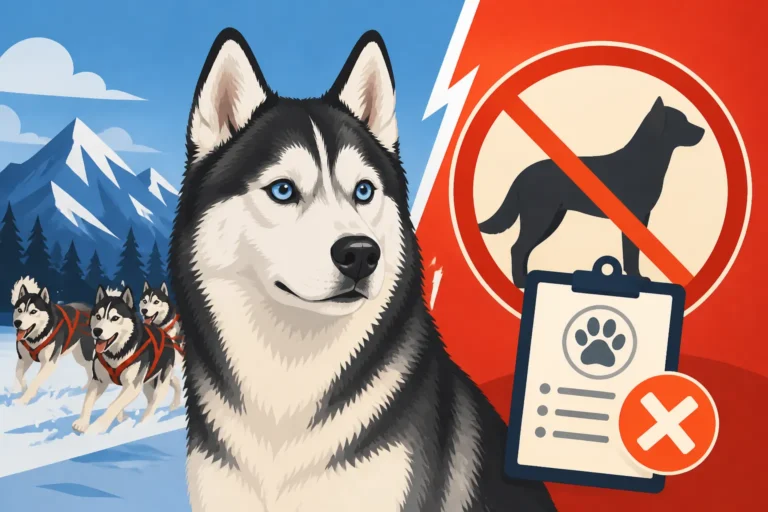
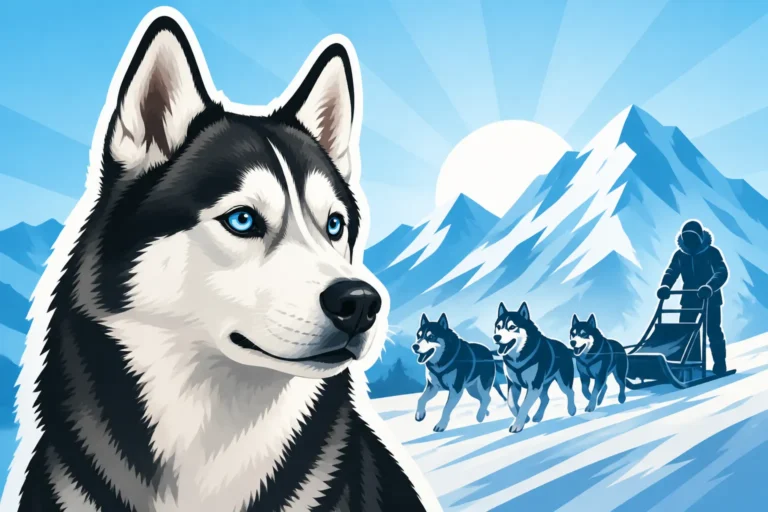
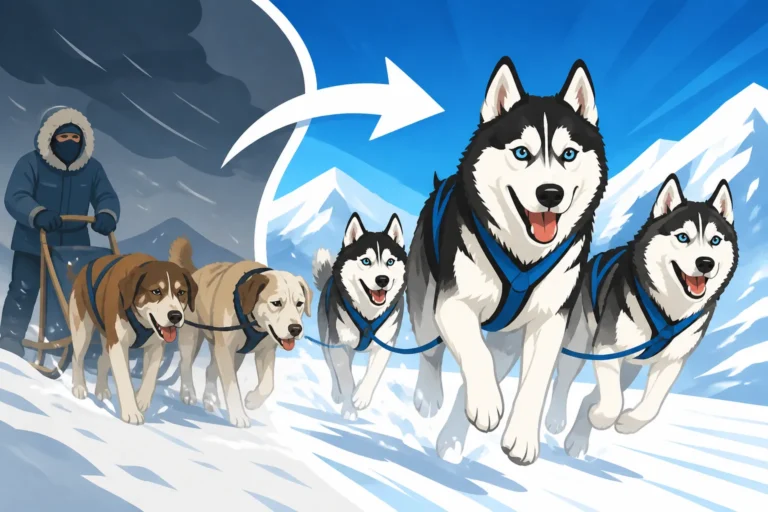
To truly understand how a Siberian Husky interacts with strangers, we need to go back to their roots. These dogs weren't bred in castles or estates as personal bodyguards, nor were they developed to be effusive greeters for visiting dignitaries. Their lineage traces directly to The Chukchi Origins of the Siberian Husky, an indigenous people in Siberia who relied on these dogs for survival. The Chukchi needed dogs that could pull sleds over vast, frozen expanses, work cooperatively in large teams, and conserve energy.
Crucially, the Chukchi lived in close-knit communities where everyone was known. There wasn't a need for dogs to be suspicious of outsiders or to protect property with aggression. Instead, they were valued for their endurance, their ability to get along with other dogs in a large pack, and their calm demeanor with the people in their immediate family group. This meant that while they were cherished companions within the family, their role didn't extend to being territorial or overly protective of their human "pack" against unknown individuals. In fact, aggression towards humans would have been detrimental to their ability to work effectively in a team and integrate into the community. Why the Chukchi Never Bred Huskies to Guard highlights this core aspect of their historical development.
This genetic blueprint means that your modern Siberian Husky still carries these traits. They are generally not dogs that will rush to the door, barking furiously at every visitor or stranger walking by. While they might give a few characteristic "woos" or howls, it's typically more of a vocal announcement rather than a warning. You won't find the intense, wary gaze of a true guard dog in most Huskies. Their intelligence is channeled into problem-solving, endurance, and often, escaping, rather than complex protective behaviors. They’re independent thinkers, perfectly content with their own company or that of their immediate family, which often translates to a polite but not overly enthusiastic reception of new faces. If you're looking for a dog to intimidate intruders, a Siberian Husky probably isn't the breed for you; they might just lead them to the treat jar! The Siberian Husky Temperament and What the Standard Says further reinforces this, emphasizing their friendly and gentle nature, but notably not mentioning guard dog capabilities.
"Friendly" vs. "Aloof": Understanding the Nuance
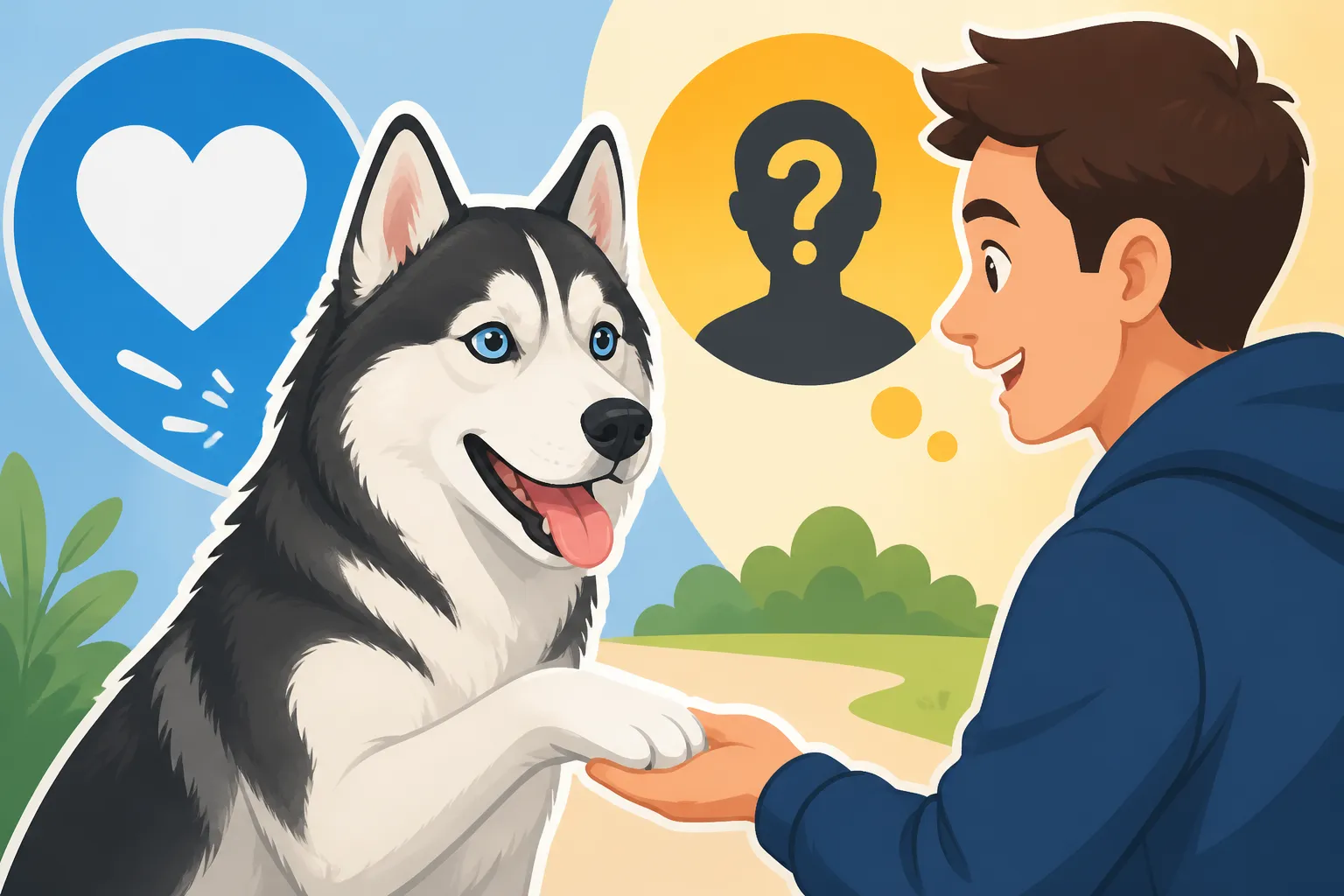
So, are Siberian Huskies friendly with strangers? The answer is nuanced, leaning more towards "amiable" or "indifferent" rather than effusively "friendly." Many people confuse a lack of aggression or fear with outright friendliness. A well-socialized Siberian Husky is typically not fearful or aggressive towards new people. They might approach, give a quick sniff, accept a polite pet, and then move on, often with a look that suggests they've assessed the situation and found it… acceptable, but not necessarily thrilling. This is often described as aloofness.
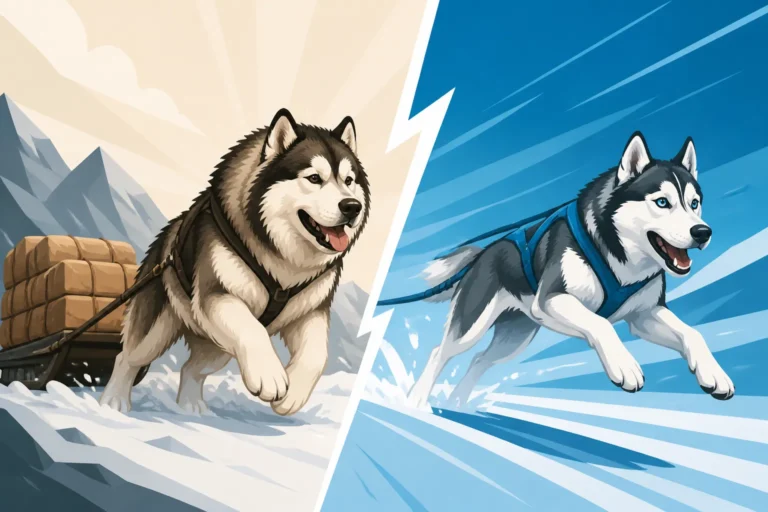
Think of it this way: your Husky might see a stranger as an interesting, but ultimately irrelevant, part of the scenery. They don't typically feel the need to fawn over every new person they meet, nor do they feel threatened by them. This can be a relief for owners who don't want a dog that jumps all over guests, but it can also be confusing for those who expected a more demonstrative greeting. Siberian Husky Loyalty Against Retriever Loyalty can really help put this into perspective. While a Golden Retriever might live for human interaction, showering attention on anyone willing to give it, a Husky's affection tends to be reserved for their inner circle. They form deep bonds with their family, but those bonds don't necessarily extend to every person they encounter outside of that circle.
This isn't to say a Siberian Husky can't be charming. Many will offer a playful "roo-roo" or a wag of the tail, especially if the stranger is calm and respectful. Some might even lean in for a scratch if the mood strikes them. But it’s generally not a sustained, attention-seeking display. They’re simply not wired to be people-pleasers in the same way many other breeds are. They are independent and self-sufficient by nature, a trait that served them well in their original working environment. This unique characteristic is part of their charm, but it requires owners to manage expectations.
Here’s a quick comparison to illustrate the difference:
| Trait | Siberian Husky (Typical) | Golden Retriever (Typical) |
|---|---|---|
| Initial Greeting | Polite sniff, brief tail wag, often moves on quickly. | Enthusiastic tail wag, full-body wiggles, seeks attention. |
| Desire for Affection | Accepts pets, enjoys interaction on their terms, can be aloof. | Actively solicits pets, loves prolonged physical contact. |
| Reaction to Strangers | Generally indifferent, not aggressive but not overly eager. | Eager to meet, considers everyone a potential new best friend. |
| Guard Dog Tendencies | Minimal to none; may alert with vocalizations, but not protective. | Minimal to none; would probably lead intruders to the treats. |
| Focus on Humans | Independent, can be quite self-absorbed, focused on their own agenda. | Highly focused on human interaction, seeks to please. |
This table helps illustrate why someone expecting a Golden Retriever in a Husky body might find themselves bewildered. Their response isn't about liking or disliking someone; it's simply their inherent disposition. This can be particularly noticeable with Siberian Huskies With Strangers and Children. While generally good-natured, their playful energy and lack of intense desire to please mean that careful supervision is always required, especially with very young children, to ensure respectful interactions.
Socialization is Key, But Won't Change Breed Traits
Understanding your Siberian Husky's natural inclination towards aloofness doesn't mean you should neglect socialization. On the contrary, proper socialization from a young age is absolutely vital for a well-adjusted and confident Husky. While it won't magically transform them into a universally outgoing, attention-seeking dog, it will help them develop into polite, stable, and fearless adults who are comfortable and calm in various situations, including around new people.
Early exposure is paramount. From the moment you bring your Siberian Husky puppy home, ideally between 8 to 12 weeks, you should be introducing them to a wide variety of positive experiences. This means taking them (once fully vaccinated, of course) to different places, exposing them to different sights, sounds, and most importantly, different types of people. This includes men, women, children, people in hats, people with umbrellas, people on bikes, people with strange voices—you name it. The goal is to build positive associations with these novel experiences.
When introducing your puppy or even an adult Husky to strangers, always keep it positive and low-pressure. Don't force interactions. Allow the Husky to approach on their own terms. Encourage gentle petting and reward calm behavior with high-value treats. I always recommend having a stash of their favorite treats on hand, perhaps a bag you picked up from Chewy, to reinforce good manners during these encounters. A brief, positive interaction is far more valuable than a long, forced one. Remember, you're teaching them that strangers are not something to fear or react aggressively to, but rather just another part of the world they can comfortably coexist with. This is part of Getting a Siberian Husky Puppy Out Before Sixteen Weeks.
For an inherently independent breed like the Husky, structured training and positive reinforcement are also incredibly important. While they may appear to be "stubborn," they are actually intelligent dogs who respond best to fair, consistent, and engaging training methods. Training an Independent Siberian Husky is a journey, not a sprint. Using tempting Food Rewards a Siberian Husky Will Work For during training, especially when introducing new people or environments, can make a huge difference in building those positive associations. It's about showing them that good things happen when strangers are around, and that they can be calm and confident in these situations.
Even with excellent socialization, remember that a Husky will likely retain its core breed temperament. Don't expect them to be the life of every party or to greet every new person with boundless enthusiasm. Accept and appreciate their polite aloofness. Your goal with socialization is primarily to prevent fear-based aggression or excessive shyness, ensuring your Husky is comfortable and confident in the world, not to change their fundamental personality.
Managing Expectations and Behavior Around Strangers
Given their unique temperament, managing your expectations and understanding how to guide your Siberian Husky's interactions with strangers is crucial for a harmonious life together. This breed isn't known for being intensely protective, as we discussed. Why a Siberian Husky Will Not Protect the House is a key point for owners to grasp; they are far more likely to observe an intruder with curiosity than to confront them aggressively. Don't rely on your Husky to be a guard dog; they might make a lot of noise, but that's usually the extent of their "warning." Whether a Siberian Husky Would Warn You of an Intruder is a common question, and while their vocalizations might alert you to someone's presence, they typically lack the inherent protective instinct of breeds like German Shepherds or Rottweilers.
When you're out and about, always maintain control of your Husky, especially with their strong prey drive and wanderlust. A leash is non-negotiable for most Huskies in unfenced areas. When meeting new people, consider these practical steps:
- Be Your Dog's Advocate: If your Husky seems uncomfortable, even if they aren't showing aggression, politely ask the stranger to give them space. You know your dog best.
- Encourage Calm Greetings: If your Husky is interested, allow a brief, calm sniff and pet. Ask people to approach slowly, avoid direct eye contact initially, and pet under the chin or on the chest rather than over the head.
- Carry Treats: High-value treats are your best friend. A stranger offering a treat (with your permission) can create a positive association. I often buy treat pouches from Chewy that clip to my belt, so I always have something handy.
- Short and Sweet: Don't force long interactions. A quick, positive greeting is much better than a prolonged, awkward one.
- Manage Excited Kids: Children, with their sudden movements and high-pitched voices, can sometimes be overwhelming. Teach children to approach dogs calmly and respectfully. Always supervise interactions between Huskies and children, especially young ones.
It's also important to differentiate between a Husky that is simply aloof or indifferent and one that is genuinely fearful or reactive. An aloof Husky will typically be calm, perhaps a bit ignoring, but not tense or trying to escape. A fearful or reactive Husky might show signs like lip licking, yawning, tail tucked, stiff body language, growling, or lunging. If you notice these signs, especially consistent fear or reactivity towards strangers, it's essential to consult with a professional dog trainer or behaviorist. This isn't just a temperament quirk; it could be a safety concern that needs intervention.
Finally, embrace your Siberian Husky for who they are. They are magnificent, independent, and often hilarious companions who will bond deeply with their chosen people. Their lack of effusive greetings for every stranger isn't a flaw; it's a characteristic of their ancient breed. Understanding this allows you to appreciate their unique charm and ensure they live a happy, well-adjusted life, even if they're not winning any "most gregarious dog" awards at the local park.
Disclaimer
This article is for general informational purposes only and does not constitute professional advice. Laws, prices and regulations vary by location and change over time. Consult a qualified professional for guidance on your specific situation.