The Almond Eye Shape in a Siberian Husky
Many new Siberian Husky owners, or those simply admiring the breed, often find themselves captivated by their striking eyes. But beyond just the mesmerizing blues or unique bi-colors, there's a specific shape that defines the quintessential Husky look: the almond eye. It’s not just a beauty standard; it’s a functional trait bred into these magnificent dogs for generations. This guide is here to unravel the mystery of the Siberian Husky's almond eye, explaining what it truly means, why it’s important, and how it contributes to the breed’s overall health and historical purpose.
What Exactly Defines the Siberian Husky's Almond Eye?
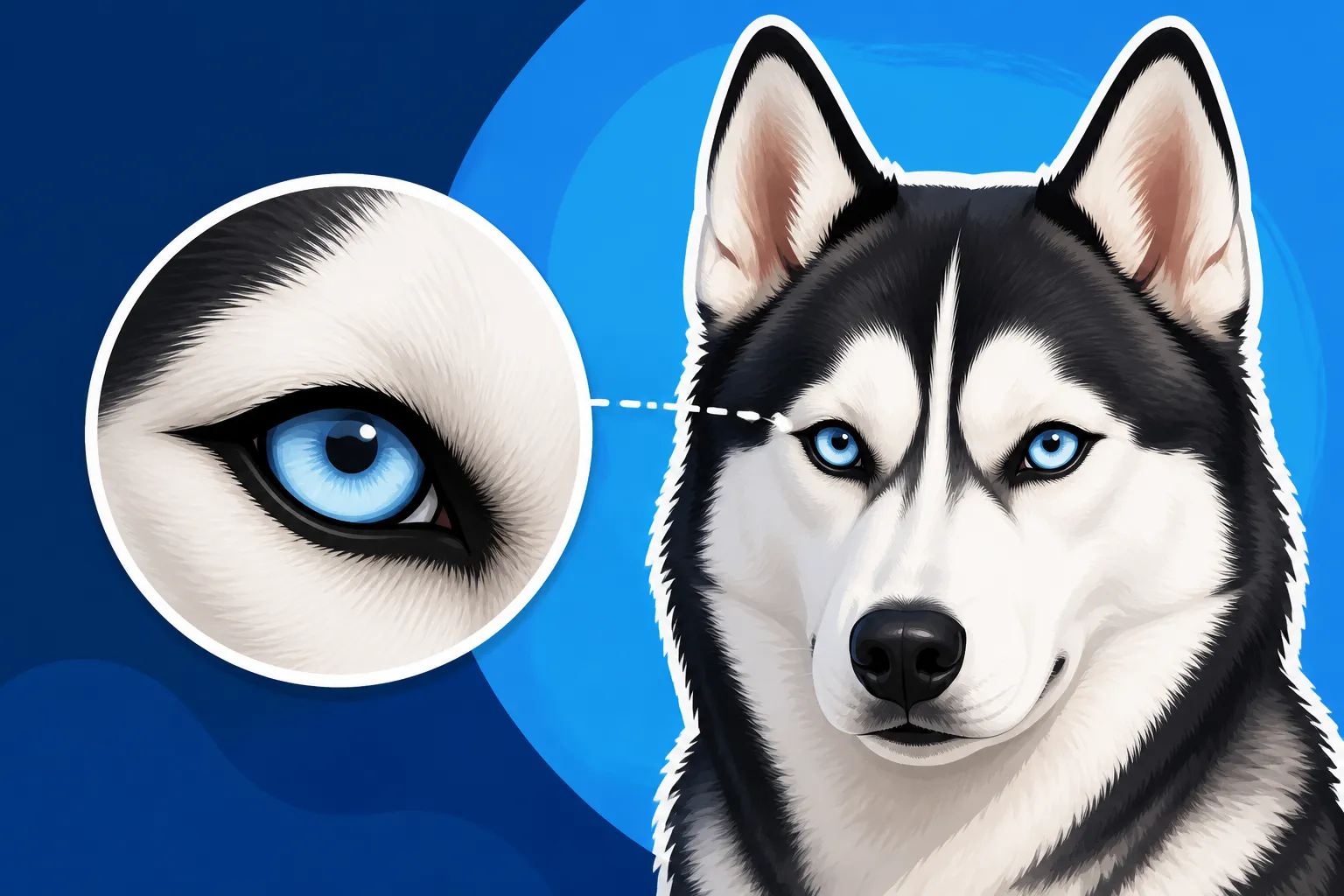
When we talk about the "almond eye" in a Siberian Husky, we're not just throwing around a cute descriptor. It's a precise term used in the breed standard to describe a very particular eye shape that is crucial for both aesthetics and functionality. Imagine an almond nut lying on its side – that’s the general oval shape we’re aiming for. It’s an eye that isn’t perfectly round, nor is it slit-like; it’s somewhere in between, with a slight narrowing at both the inner and outer corners.
This shape contributes to the intelligent, keen, and sometimes mischievous expression that Huskies are so famous for. It's part of what gives them that unmistakable "wolf-like" appearance without actually being wolves. The way the eyelids frame the eye is key, creating that elongated, slightly pointed look at the corners. This isn't just a random detail; it's a carefully selected trait that has been preserved in the breed for its benefits.
Beyond Just "Almond" – The Nuances of Shape
It's easy to say "almond," but truly understanding it requires a closer look at the subtle details. The upper and lower lids aren't perfectly symmetrical in their curve. The upper lid tends to follow a slightly more pronounced arch, while the lower lid is generally flatter, contributing to that distinctive elongated oval. There should be a good amount of skin around the eye, but not so much that it causes excessive wrinkling or drooping. The eyes should be set moderately spaced, not too close together nor too far apart, balancing the overall facial structure.
Consider the expression it creates. A well-set almond eye often conveys alertness and a certain sagacity. It’s an eye that looks forward with purpose, reflecting the Husky's inherent drive and intelligence. You'll notice the depth of the eye socket plays a role here too; the eyes aren't bulging, nor are they too deeply sunken, but rather well-recessed and protected. This nuanced shape is what breeders strive for, understanding its importance to the Husky's heritage and function.
Why the Almond Shape Matters for the Breed Standard
The breed standard for the Siberian Husky, set by organizations like the American Kennel Club (AKC), explicitly calls for "almond shaped" eyes. This isn't just an arbitrary preference; it's a reflection of the breed's origins and purpose. A breed standard serves as a blueprint, describing the ideal characteristics of a dog that best represents its breed and its historical function. For the Siberian Husky, an ancestral sled dog, every physical trait had a purpose, and the eyes were no exception.
Deviation from this almond shape can be considered a fault in the show ring because it suggests a departure from the ideal Husky type. For example, overly round eyes might make a dog look soft or less resilient, while overly narrow, slit-like eyes might restrict vision. The almond shape represents a balance, optimizing protection and field of vision. It's about maintaining the integrity of the breed's working heritage and ensuring that modern Huskies retain the functional anatomy of their forebears. When you look up a Siberian Husky in the OFA database, or check their health certificates, you’ll see evaluations that consider many aspects, including eye structure, aligning with these breed standards.
Function Over Form: The Purpose Behind the Eye Shape
While the aesthetic appeal of the almond eye is undeniable, its primary significance is deeply rooted in the Siberian Husky's history as a working sled dog in harsh Arctic environments. Every feature of the Husky’s anatomy, from its dense double coat to its tough paws, evolved to optimize survival and performance in extreme cold. The eye shape is no exception, playing a crucial role in protecting the dog's vision and comfort under challenging conditions.
Think about the relentless blizzards, the glare of snow, and the biting winds that these dogs faced daily. Their eyes needed to be resilient, capable of enduring prolonged exposure to the elements without compromise. The almond shape wasn’t a lucky accident; it was a natural selection for functionality.
Protection from the Elements
The slightly narrowed, elongated shape of the almond eye provides a natural shield against the harsh elements of a Siberian winter. In driving snow and strong winds, a rounder, more open eye would be far more susceptible to irritation, ice buildup, and even frostbite. The almond shape, with its reduced exposed surface area and deeper set, helps to minimize the direct impact of wind, snow, and ice particles on the delicate surface of the eyeball.
This natural protection is vital for a dog that works for hours in open terrain. Imagine a musher's lead dog pushing through a whiteout; clear vision is paramount, and eyes that are constantly watering or freezing shut would be a serious detriment. The almond eye helps keep debris out and reduces the amount of moisture that could freeze around the eyelids, preserving crucial vision and comfort during demanding tasks. It's a testament to how perfectly adapted these dogs are to their original environment.
Vision in Arctic Conditions
Beyond physical protection, the almond eye shape also contributes to optimal vision in the unique lighting conditions of the Arctic. The vast expanses of snow can create intense glare, while long periods of twilight or darkness demand efficient light gathering. The almond shape, combined with the eye's placement and the Husky's inherent visual acuity, helps them navigate these varied light environments.
While the exact mechanics are complex, the slightly hooded nature of the almond eye can help reduce glare from the snow, much like how squinting helps us in bright sunlight. At the same time, the overall size and structure of the eye allow for excellent peripheral vision, which is critical for sled dogs moving through varied terrain and maintaining awareness of their team and surroundings. The Siberian Husky Eye Disease and the Annual Exam is important not only for genetic conditions but also to ensure their eyes are functioning optimally for their energetic lifestyle. This functional design ensured that Huskies could lead their teams safely, spotting subtle changes in the trail and responding to commands even in challenging visual conditions.
Common Misconceptions and Eye Variations
It’s easy to get caught up in the ideal picture of a Siberian Husky, but like all living creatures, there’s a spectrum of appearance. Not every Husky will have eyes that perfectly fit the "almond" description, and understanding these variations can help owners appreciate their dog's unique features while also being aware of what might deviate from the breed standard. Sometimes, what looks like a variation might just be an illusion created by surrounding facial markings or even fur growth.
Owners often wonder if blue eyes are somehow "different" in shape or health. It's a common query, but eye color, whether it's the piercing blue that many adore or the warm brown, doesn't actually change the fundamental shape of the eyeball or the ideal set of the eyelids. Blue Eyes and What They Mean in a Siberian Husky delve deeper into how eye color is genetic and separate from eye structure.
Round Eyes vs. Almond Eyes
The most common deviation from the ideal almond shape is often a more rounded eye. While still beautiful, overly round eyes tend to expose more of the eyeball, making them appear less "sled dog" and more "pet dog" in expression. This can sometimes give a Husky a softer, more benign look, which some people might prefer, but it's not what the breed standard calls for.
From a functional standpoint, rounder eyes can be slightly more vulnerable to the elements, as discussed earlier. They might be more prone to collecting dust, snow, or excessive moisture, although in a pet living in a temperate climate, this is rarely a significant health issue. Breeders generally try to avoid overly round eyes because it shifts the overall expression and deviates from the historical working type. If you’re ever curious about your specific dog’s eye structure, a good veterinarian or an experienced breeder can help you understand these nuances. What an Ophthalmologist Checks in a Siberian Husky covers a wide range of assessments, including shape.
How Eye Color and Placement Affect Perception
It's fascinating how much eye color and placement can influence our perception of eye shape, even when the underlying structure is correct. A Husky with bright blue eyes, especially if they are bi-eyed or parti-eyed, might seem to have a different eye shape simply because the color draws so much attention. For instance, Bi-Eyed Siberian Huskies or Parti-Eyed Siberian Huskies have unique color patterns that often make people feel the shape is also different, but usually, it's the dramatic contrast of color that catches the eye.
Similarly, the amount and color of the fur around the eyes can play tricks on our perception. A Husky with a dark mask might have eyes that appear more deep-set or elongated, while one with lighter fur around the eyes might seem to have larger, rounder eyes. Even the brow ridge and the way the facial muscles move can change how we interpret the eye’s shape and expression. The key is to look beyond the immediate impression and observe the actual structure of the eyelids and the opening itself. When Why Siberian Husky Puppy Eyes Change Color explains the shift from blue to brown, it clarifies that this is a pigment change, not a structural alteration to the almond shape.
Health Implications and Breeder Considerations
Understanding the almond eye shape isn't just about winning ribbons in the show ring or admiring a beautiful dog; it also ties into the overall health and well-being of the Siberian Husky. Responsible breeding practices emphasize not only maintaining the breed standard but also producing healthy dogs free from genetic predispositions to certain conditions. The eyes, being delicate and critical sensory organs, are a major focus in these efforts.
When you're looking at a puppy, or even an adult Husky, knowing what to look for in their eyes goes beyond just spotting common issues. It's about recognizing the traits that signify a well-bred, healthy individual. This is why Health Testing Before You Buy a Siberian Husky is such a critical step for prospective owners.
The Importance of Eye Health Screening
Eye health screening is paramount for Siberian Huskies. While the almond shape itself is generally a protective feature, Huskies are known to be predisposed to certain inherited eye conditions. These can include Juvenile Cataracts in the Siberian Husky, progressive retinal atrophy (PRA), and corneal dystrophy. A dog might have perfectly almond-shaped eyes, but still carry genetic markers for these diseases.
This is why reputable breeders make it a priority to have their breeding stock examined by a board-certified veterinary ophthalmologist annually. These exams, often leading to OFA (Orthopedic Foundation for Animals) Eye Certification, check for any signs of inherited eye diseases. Siberian Husky Eye Disease and the Annual Exam provides more detail on this essential practice. The goal is to ensure that genetic eye problems are not passed down to future generations, helping to preserve the overall health of the breed. An almond eye is a good start, but it's just one piece of the health puzzle. You can often check the validity of these certificates, as Reading a Siberian Husky OFA Eye Certificate will explain.
What to Look For in a Puppy's Eyes
When you're considering bringing a Siberian Husky puppy home, observing their eyes is incredibly important. Beyond just checking for that characteristic almond shape, you should be looking for signs of overall eye health. The eyes should be clear and bright, free from discharge, redness, or cloudiness. The eyelids should sit snugly against the eyeball, without any turning in (entropion) or rolling out (ectropion), which can cause irritation and further problems.
A healthy puppy will have an alert and curious expression in their eyes, which the almond shape naturally enhances. Don't be shy about asking the breeder about the eye health history of the puppy's parents, grandparents, and even siblings. Reputable breeders will be transparent and eager to share this information, often providing copies of the parents' current eye certificates. Siberian Husky Eye Exams at Three Months highlights that even young puppies can have early eye screenings, which is a great sign of a breeder's diligence. If you're buying any eye care products or supplements, reputable places like Chewy are excellent resources for finding high-quality options recommended by vets.
It’s worth noting that while Whether Blue Eyes Mean Vision Problems in a Husky is a common concern, the color itself does not predispose them to issues, but the general health of the eye structure remains critical. For any concerns about a puppy’s eyes, a visit to your own vet or an ophthalmologist is always recommended. Checking for any irritation or persistent cloudiness, even if the shape is perfect, is always wise. Places like Chewy offer a variety of dog-specific eye wipes and gentle cleaning solutions that can be helpful for routine care, just be sure to choose veterinarian-approved products.
Disclaimer
This article is for general informational purposes only and does not constitute professional advice. Laws, prices and regulations vary by location and change over time. Consult a qualified professional for guidance on your specific situation.