Sable Siberian Huskies
The world of Siberian Husky coat colors can feel like a secret club with its own language, and "sable" is one of those terms that often leaves new owners scratching their heads. You might see a beautiful husky and wonder if it's red, agouti, or something else entirely. This guide is here to demystify the sable Siberian Husky, explaining what makes their coat so unique, how to identify it, and what to expect when living with one of these stunning dogs.
What Exactly is a Sable Siberian Husky?
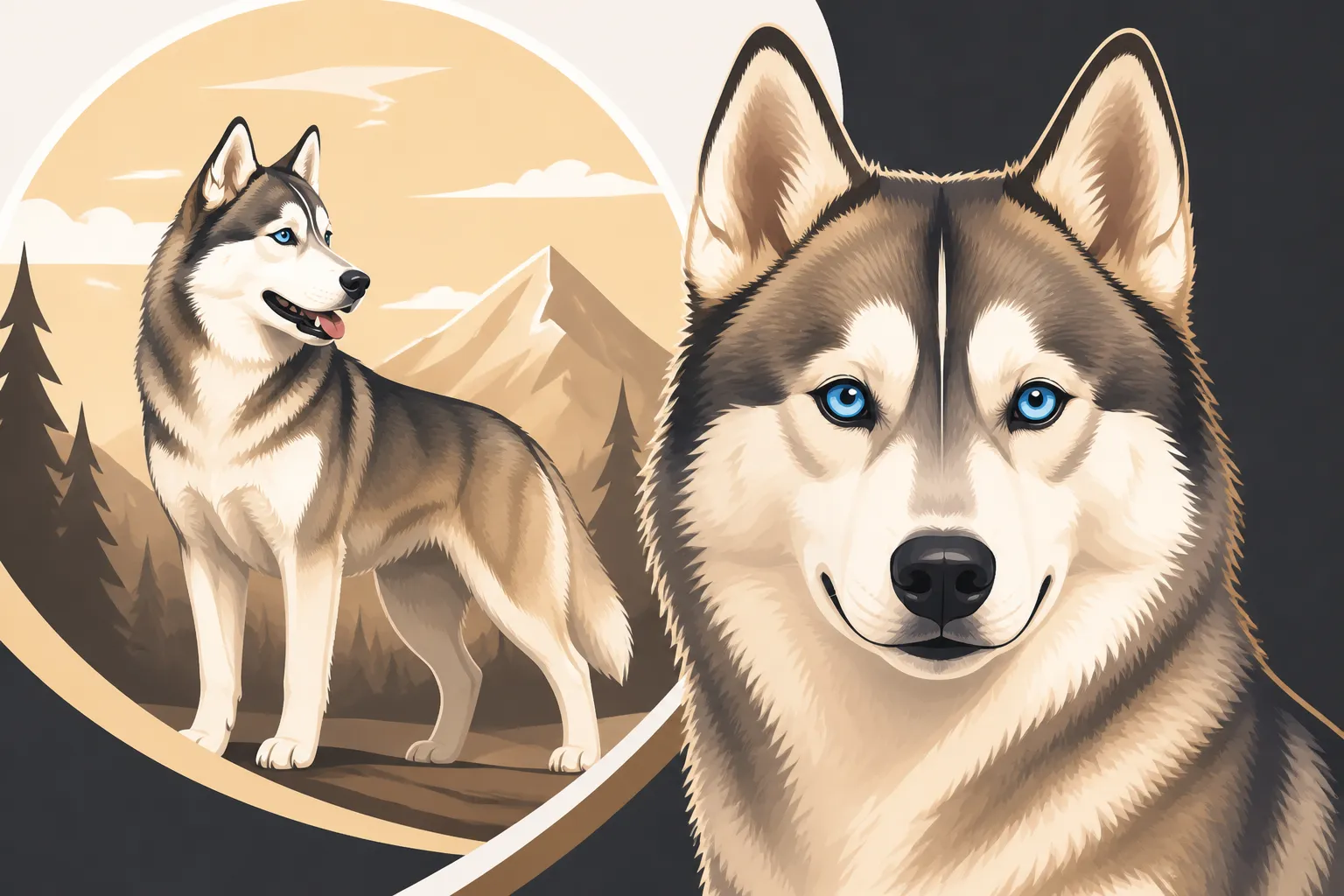
A sable Siberian Husky possesses a truly captivating coat, often described as a warm, rich brown or reddish-brown base color with distinct black tipping on the guard hairs. This isn't just a solid color; it's a dynamic interplay of shades that gives the dog an almost iridescent quality, especially in sunlight. Unlike a solid red or a more muted wolf-gray, the sable coat carries an observable depth and complexity due to these darker tips.
Imagine looking closely at a strand of your husky's fur. If it's sable, you'd see a lighter color closer to the skin – often a reddish, cream, or even light tan – and then as you move up the strand, the very tip would be distinctly black or dark brown. This "tipping" is the hallmark of sable. It’s not just a general darkening; it’s specific to the ends of the individual guard hairs that form the outermost layer of their double coat. This makes the overall appearance richer and can even make the dog look like it has a shadow or a slight sheen when they move.
Many people confuse sable with red or even a dark cream because the underlying base color can vary significantly. Some sable huskies might have a very light, almost golden undercoat, while others lean towards a deeper mahogany. What unites them all is that critical black tipping. It’s what prevents them from being categorized as a pure red or a clear cream. When a sable husky 'blows' its coat, the amount of shed undercoat can be astounding, and you'll really see the contrast between the lighter undercoat and the darker guard hairs that remain. Siberian Husky Coat Blow and the Six Weeks It Lasts delves into this intense shedding period.
Distinguishing Sable from Other Husky Colors
One of the biggest challenges for husky enthusiasts is telling a sable apart from other similar-looking colors, particularly reds, wolf-grays, and agoutis. They all share certain characteristics, but once you know what to look for, the differences become much clearer. It really comes down to examining the color of the individual hairs and the overall impression.
Sable Versus Red
A true red Siberian Husky typically has a solid color in varying shades, from light copper to deep mahogany. While some red huskies might have a darker overlay, it's generally not the distinct black tipping seen in sables. Think of a red husky's coat as a cohesive, uniform shade throughout most of the individual hairs, even if there's some slight variation in intensity. There's an absence of that stark, contrasting black tip on each guard hair that defines a sable. A red husky often looks like a beautiful, burnished penny. Their noses are usually liver-colored (brown), and their eye rims might match.
A sable, on the other hand, always has that black tipping, which means their nose and eye rims will typically be black. This is a crucial distinction. If you see a husky with a rich reddish coat and a black nose, you're likely looking at a sable. If the nose is brown, it's almost certainly a red. This simple detail is often the fastest way to differentiate between these two stunning colorations. It's not just about the richness of the red, but the actual pigment of the nose, which is a genetic indicator.
Sable Versus Wolf-Gray and Agouti
Wolf-gray huskies are perhaps the most classic coloration, often presenting with a gray, black, and sometimes tan mix. The individual hairs often have bands of color, giving them a frosted or salt-and-pepper appearance, but without the strong reddish base of a sable. Their undercoats are typically silver, cream, or beige. The defining characteristic of a wolf-gray is the absence of any true brown or red tones in the guard hairs; it’s all about the grays and blacks.
Agouti huskies are a wilder version of the wolf-gray, often mistaken for sables due to their complex coloration. An agouti husky typically has very dark or black facial markings, often described as "dirty" or "smudged," and their coats are a chaotic mix of black, tan, and gray, with each individual hair banded with multiple colors. The key difference from sable is the overall effect: agoutis look far more primal and wolf-like, lacking the warmth and reddish base of a sable. While both have tipped hairs, the agouti's tips often blend into a much darker, almost sooty appearance, and their undercoat is rarely as warm as a sable's. Agouti and the Wolf-Gray Siberian Husky provides an even deeper dive into these fascinating coat types.
Here’s a quick comparison table to help you keep these distinct colors straight:
| Feature | Sable Siberian Husky | Red Siberian Husky | Wolf-Gray Siberian Husky | Agouti Siberian Husky |
|---|---|---|---|---|
| Base Color | Warm reddish/brown tones, cream, tan, or gold | Various shades of copper to mahogany | Gray, black, sometimes with white/silver | Dark, earthy tones, black, tan, gray |
| Guard Hairs | Black tipping on reddish/brown hairs | Uniformly red/copper, sometimes darker overlay | Bands of gray, black, sometimes white, no red tips | Individual hairs banded with multiple dark colors |
| Nose Pigment | Black | Liver (brown) | Black | Black |
| Eye Rims | Black | Liver (brown) | Black | Black |
| Facial Markings | Distinct masks, often dark | Can have masks, sometimes absent | Classic patterns, often distinct | Very dark, "dirty" or "smudged" appearance |
| Overall Look | Rich, warm, deep red-brown with dark contrast | Solid, often striking, uniform red | Classic "husky" look, silver-gray tones | Wild, primal, wolf-like, often dark and intense |
The Genetics Behind Sable Coloring
Understanding the genetics behind a sable coat can feel a bit like studying a complex family tree, but it's simpler than you might think. The sable coloration in Siberian Huskies is primarily controlled by a specific gene locus known as the Agouti series, often abbreviated as the 'A' locus. This isn't just about one gene, but rather how different alleles (versions of a gene) interact to produce a range of patterns and colors, including sable.
Specifically, the sable pattern results from the presence of the 'Ay' allele at the Agouti locus, which allows for the production of red or yellow pigment (phaeomelanin) throughout most of the hair shaft, but then permits black pigment (eumelanin) to be deposited at the very tip. This is what creates that characteristic black tipping over a lighter, often reddish, base. The intensity of the red or yellow base, as well as the amount of black tipping, can vary depending on other modifier genes present in the husky's genetic makeup. This is why you'll see a spectrum of sable huskies, from those with a light, almost golden sable to much darker, rich mahogany sables.
It's important to remember that the sable gene interacts with other genes. For example, the 'B' locus determines whether a husky can produce black pigment at all. If a husky is "bb" (homozygous for brown), then even if it has the 'Ay' gene for sable, the black tipping would instead appear as brown, leading to a "sable red" or "brown sable" appearance, which is typically what we refer to as a true red husky. This is why nose and eye rim pigment is such a strong indicator – a sable husky with black tipping must have the ability to produce black pigment, hence the black nose. This intricate genetic dance ensures the wide variety of breathtaking coats we see in the breed.
Living with a Sable Siberian Husky
Owning a sable Siberian Husky is much like owning any other husky, but their unique coat adds a layer of visual interest that many adore. Their personality and care needs aren't dictated by their color, but by their breed characteristics. You'll still be dealing with that infamous husky independence, their need for significant exercise, and, of course, their magnificent double coat.
That stunning sable coat, with its rich depth and color variations, requires consistent grooming, especially during "coat blow" seasons. You'll want to invest in good quality grooming tools, like an undercoat rake and a high-velocity dryer, to manage the incredible amount of fur they shed. Regular brushing, even outside of shedding season, helps to keep their coat healthy, prevents matting, and allows that beautiful sable tipping to truly shine. Places like Chewy offer a wide selection of grooming essentials, from specialized de-shedding tools to shampoos that support coat health. Undercoat Rakes and Blowers for a Siberian Husky provides excellent guidance on these tools.
Beyond grooming, remember that sable huskies, like all Siberians, are escape artists with a strong prey drive. That beautiful coat won't keep them contained if they decide to go exploring. Secure fencing is paramount, and consistent recall training is vital, although it's always wise to remember that a husky's recall is often more of a suggestion than a command when something exciting crosses their path. They thrive on routine, mental stimulation, and plenty of physical activity. Whether it's running with you, hiking, or even participating in dog sports, a tired husky is a happy husky, and a less destructive one. Why a Siberian Husky Cannot Be Trusted Off Leash covers this critical aspect of husky ownership.
Caring for a sable husky also means paying attention to their diet to ensure their coat remains vibrant and healthy. A high-quality diet rich in omega fatty acids can contribute to a shiny, luxurious coat, enhancing the natural beauty of their sable coloration. Many owners find specific brands or types of food work best for their individual husky, and resources like Chewy can help you explore options that support a healthy skin and coat. Remember, their unique metabolism means they often eat less than you'd expect for their size, so don't be tempted to overfeed them, no matter how much they "talk" to you about their hunger! Feeding a Siberian Husky on 60 Percent of the Label is a great resource on this topic.
Ultimately, a sable Siberian Husky is a joy to behold and a rewarding companion for the right owner. Their striking appearance, combined with their spirited nature, makes them unforgettable. Understanding their unique color just adds another layer to appreciating these incredible dogs.
Disclaimer
This article is for general informational purposes only and does not constitute professional advice. Laws, prices and regulations vary by location and change over time. Consult a qualified professional for guidance on your specific situation.