Whether a Wooly Husky Can Still Be Registered
One common concern among Siberian Husky enthusiasts and potential owners is navigating the breed standard, especially when it comes to coat types. You might have seen some gorgeous Huskies with incredibly long, fluffy fur, often referred to as "wooly," and wondered if these dogs are still considered purebred or if they can be officially registered. This guide will dive deep into what a wooly coat is, how it measures up against the breed standard, and what it means for registration, showing, and daily life with your magnificent companion.
Understanding the Siberian Husky's Ideal Coat
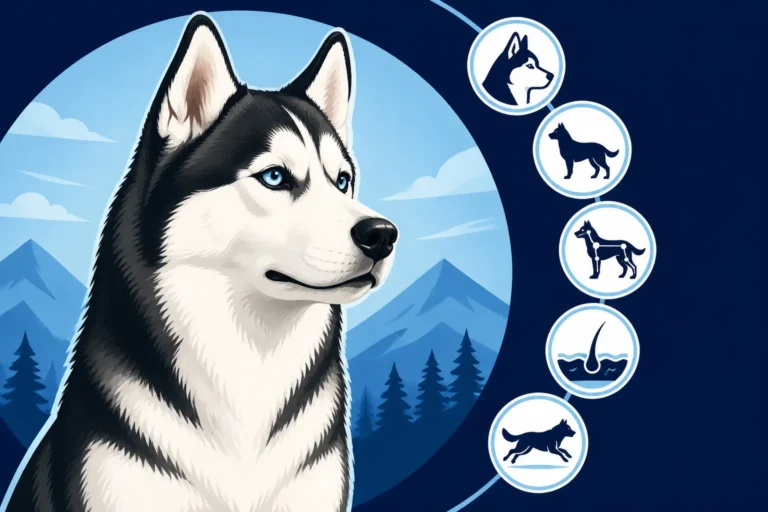
The Siberian Husky is renowned for its thick, luxurious double coat, a testament to its origins in the harsh, frigid climates of Siberia. This coat is not just for looks; it's a highly functional piece of canine engineering, designed to provide superior insulation against extreme cold while also offering protection from heat and insects.
The Breed Standard's Definition
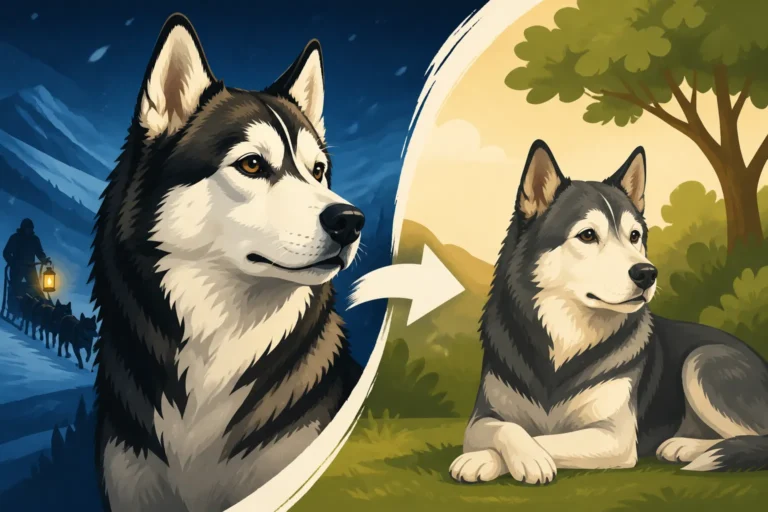
According to the breed standard set by organizations like the American Kennel Club (AKC), a Siberian Husky's coat should be double and medium in length, giving a well-furred appearance without obscuring the clean-cut outline of the dog. It consists of a soft, dense undercoat and a straight, protective outer coat (guard hairs). The critical part here is "medium length." Neither long, shaggy hair nor a coarse, wiry texture is desirable. The coat should not be so long as to hide the dog's true musculature or appear overly fluffy. It's all about balance and function.
When you look at a truly standard-coated Husky, you'll see sleek lines, a thick but manageable coat that lies flat, and a clear distinction between the soft undercoat and the slightly stiffer guard hairs. This combination allows them to shed snow, repel water, and regulate their body temperature effectively, whether they are pulling a sled across an icy plain or simply enjoying a brisk walk in the park. The integrity of this double coat is paramount to their survival and performance in their traditional role.
What Exactly Is a Wooly Coat?
A "wooly" coat in a Siberian Husky is essentially an exaggerated version of their normal double coat. Instead of medium-length guard hairs and a dense undercoat, a wooly Husky will have significantly longer guard hairs, an even thicker and softer undercoat, and often a generally plush or shaggy appearance. This isn't just a slightly longer coat; it's a dramatic departure from the sleek, athletic profile described in the breed standard.
You'll notice the fur around their ears, legs, and tail will be much longer and fluffier, sometimes creating a "mane" effect around their neck or feathery tufts on their legs and feet. While undeniably beautiful to many, this coat type is considered a serious fault within the breed standard for show purposes. It's often due to a recessive gene, meaning both parents might carry the gene without exhibiting the wooly trait themselves, only to produce a wooly puppy in their litter.
Wooly Huskies and Breed Registration
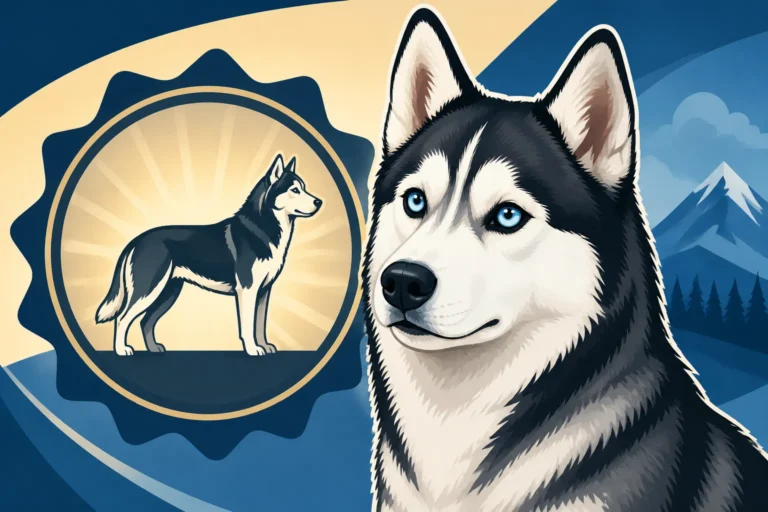
This is where the distinction between "purebred" and "conformationally correct" becomes really important. A wooly Siberian Husky is still a purebred Siberian Husky, provided both its parents are registered Siberian Huskies. However, its specific coat type carries implications for how it can participate in certain official breed activities.
AKC's Stance on Coat Length
For organizations like the AKC, a wooly coat is considered a disqualifying fault in the show ring. The breed standard explicitly states that "Long, shaggy or coarse coat" is a fault, and anything that makes the coat appear too heavy or obscures the dog's outline is undesirable. This means that a wooly Husky, no matter how lovely or well-tempered, cannot compete in conformation events (dog shows where dogs are judged on how well they conform to the breed standard).
The rationale behind this isn't just aesthetic. The standard coat is optimized for the Husky's original purpose: efficient, long-distance sled pulling in extreme cold. A wooly coat can become problematic in wet conditions, where it absorbs water and can freeze, or in warmer climates, where it can cause overheating. It's a functional consideration as much as a visual one. While a fluffy coat might look adorable, it's not what the breed was developed for.
Can a Wooly Husky Still Be Registered?
Yes, absolutely! This is the good news for owners of wooly Huskies. A wooly Siberian Husky, if born to two AKC (or other recognized kennel club) registered Siberian Huskies, can still be registered with the AKC. The registration process primarily verifies the dog's parentage and purebred status, not its adherence to every single point of the breed standard.
This means your wooly Husky will receive its official papers, carry its pedigree, and be recognized as a purebred Siberian Husky. It can participate in many other AKC events, such as obedience, agility, rally, tracking, and even sledding or other performance sports. These activities judge the dog's performance, temperament, and training, not its physical appearance against the breed standard. So, while a wooly coat closes the door to the conformation ring, it opens many others for a happy, active life.
Why the Wooly Trait is Undesirable for the Breed Standard
The reason the wooly coat is considered a fault, and even a disqualification in conformation, ties back directly to the functional purpose of the Siberian Husky. Imagine a team of Huskies pulling a sled through a blizzard. The standard double coat is designed to shed snow and ice, keeping the dog dry and warm. A wooly coat, with its longer, softer texture, is much more prone to collecting snow, forming ice balls, and becoming matted and wet. This can quickly lead to hypothermia and discomfort for a working dog.
Furthermore, in warmer environments, a wooly coat can become a significant health risk. The extra insulation traps heat, making these dogs much more susceptible to overheating. Owners of wooly Huskies often face increased challenges in keeping their dogs cool during summer months, needing to be extra vigilant about exercise timing and access to shade and water. This is why responsible breeders strive to avoid producing wooly coats, focusing instead on maintaining the functional coat type that defines the breed.
Living with a Wooly Husky: Practical Considerations
Owning any Siberian Husky comes with its unique set of joys and challenges, but a wooly Husky introduces a few extra considerations, especially regarding grooming and temperature management. These dogs are truly magnificent, but their coats require a dedicated approach to care.
Grooming Challenges
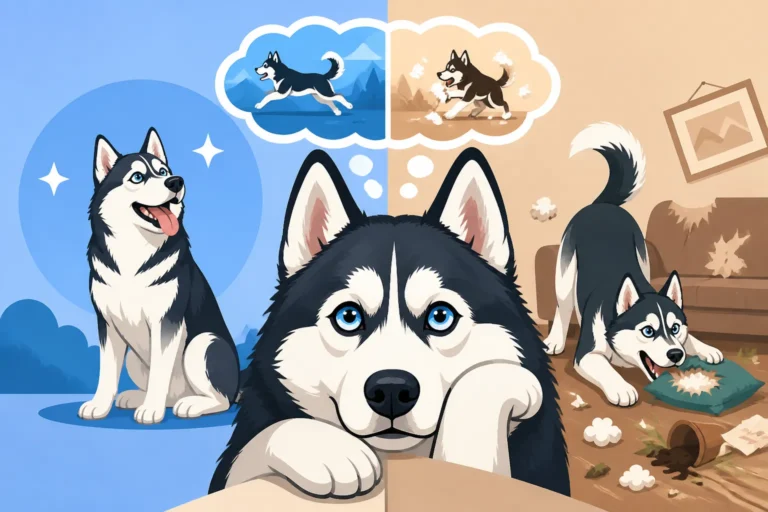
The primary difference you'll notice with a wooly Husky is the sheer volume of fur and its tendency to mat. While standard Huskies also shed and need regular grooming, the longer, softer guard hairs of a wooly coat are more prone to tangling and forming mats, especially behind the ears, in the armpits, and around the "feathers" on their legs and tail. These mats can be incredibly painful for your dog, pulling at their skin, and can quickly become a breeding ground for skin infections if not addressed promptly.
You'll find yourself needing to brush your wooly Husky much more frequently than a standard-coated one – often daily, especially during coat blows. During those notorious six weeks when the undercoat really starts to come out, you'll be spending a lot of time with your undercoat rake. Investing in high-quality grooming tools is non-negotiable, and you'll likely need a good slicker brush, a de-shedding rake, and a metal comb to work through knots. Many owners find products from Chewy to be quite helpful in managing the shedding. Professional grooming might also become a more frequent necessity to keep their coat in good condition, especially if you struggle with mats. Remember, you can never shave a Siberian Husky, particularly a wooly one, as it damages their protective double coat. Why You Must Never Shave a Siberian Husky provides more insight into this.
Temperature Regulation
As mentioned, the extra density and length of a wooly coat make temperature regulation a bigger concern. While all Siberian Huskies are built for cold, a wooly coat can make them even more susceptible to overheating in moderate or warm weather. The additional insulation, which is a blessing in arctic conditions, becomes a burden when temperatures rise.
Owners need to be extra vigilant. This means timing walks and outdoor exercise for the coolest parts of the day – early mornings or late evenings. Access to shade and plenty of fresh, cool water is crucial. Cooling mats, kiddie pools, and even air conditioning become essential tools in a wooly Husky's life. You might notice your wooly Husky seeking out tiled floors or digging cool spots in the yard more frequently than a standard-coated one. Understanding Siberian Husky Cold Weather Care and Its Limits is important, but also recognize their limits in the heat.
Managing the Extra Fur
Beyond the daily brushing, managing the extra fur from a wooly Husky is a lifestyle. During their intense bi-annual coat blows, the amount of undercoat they shed can be truly astounding. You'll find tumbleweeds of fur in every corner of your home, and your vacuum cleaner will become your best friend. Siberian Husky Coat Blow and the Six Weeks It Lasts will give you a good idea of what to expect.
Investing in a good high-velocity dryer can be incredibly helpful for blowing out loose undercoat after baths, which should still be infrequent for Huskies. Regular bathing can strip their natural oils, but a thorough blow-out can significantly reduce shedding inside the house. You might also want to consider professional de-shedding services, especially during those heavy shedding periods. These services use specialized tools and powerful dryers to remove the maximum amount of dead undercoat, saving your sanity and your vacuum. Looking for quality brushes, rakes, and blowers online, perhaps through retailers like Chewy, can equip you for the battle against the fur.
Where to Find and What to Expect
When looking for a Siberian Husky, whether standard or wooly, understanding where they come from and the ethics of breeding is crucial. Reputable sources will prioritize health and temperament, regardless of coat type.
Breeders and Ethical Practices
Ethical Siberian Husky breeders will aim to produce dogs that adhere to the breed standard, which means they actively try to avoid producing wooly coats. This is not because wooly Huskies are "bad" dogs, but because the wooly coat is a fault according to the standard and can lead to practical challenges. Responsible breeders will health test their breeding stock and understand the genetics behind coat types, working to minimize the chances of producing wooly puppies. If a wooly puppy is born in an otherwise standard litter, a good breeder will disclose the coat type upfront and usually sell that puppy as a pet-only, often with a spay/neuter contract, meaning it cannot be used for breeding or shown in conformation.
Be wary of breeders who market "wooly" Huskies as rare or special, or who charge extra for them. This often indicates a breeder who is not prioritizing the breed standard or the functional health of the dogs, but rather capitalizing on a desirable aesthetic. Always ask to see the parents, inquire about health testing, and ensure the breeder is transparent about their breeding goals. Health Testing Before You Buy a Siberian Husky can help you prepare for these conversations.
Rescues and Accepting Coat Variety
Siberian Husky rescues are wonderful places to find a companion, and they are often where wooly Huskies end up. Unfortunately, due to the increased grooming needs, challenges with temperature regulation, or owners simply not understanding the breed's needs, many wooly Huskies find themselves in shelters or breed-specific rescues. These organizations are typically more focused on finding loving homes for dogs of all types, including those with "faults" like wooly coats.
Adopting a wooly Husky from a rescue can be a incredibly rewarding experience. These dogs are just as loving, playful, and adventurous as their standard-coated counterparts. Rescues will be upfront about the dog's needs and may even provide some initial grooming or medical care. When considering a rescue Husky, remember that their coat might require more dedication, but the bond you form will be invaluable. Many rescues partner with online stores like Chewy for donations or supplies, so you might even be supporting a good cause by shopping there for your new companion's needs. Taking On a Surrendered Siberian Husky offers more information on this path to ownership.
Conclusion
In summary, a wooly Siberian Husky is a purebred dog and can absolutely be registered with organizations like the AKC. While their luxurious, long coats make them ineligible for conformation showing due to breed standard requirements, they are perfectly capable of excelling in a wide array of performance events and, most importantly, making wonderful, loving family pets. Owning a wooly Husky simply means you'll need to be extra prepared for grooming and careful management of their temperature, ensuring they stay comfortable and healthy year-round. Their unique beauty is a joy, and with a little extra care, they can thrive as cherished members of your home.
Disclaimer
This article is for general informational purposes only and does not constitute professional advice. Laws, prices and regulations vary by location and change over time. Consult a qualified professional for guidance on your specific situation.