Long Haired Siberian Huskies
Many aspiring Siberian Husky owners are captivated by the breed's stunning appearance, only to sometimes encounter a "wooly" or long-haired Husky and wonder if something is "wrong" with its coat or if it's even a purebred. It's a common misconception, but a long-haired Siberian Husky isn't a mixed breed or a health anomaly; it's a variation within the breed that requires specific understanding and care, and this guide will shed light on everything you need to know about these magnificent, extra-fluffy companions.
Understanding the Siberian Husky Coat Standard
Before diving into the specifics of long-haired Huskies, it's essential to understand what the breed standard typically calls for. Siberian Huskies are renowned for their incredible double coats, a testament to their arctic heritage, designed for maximum efficiency in harsh, cold environments.
The Double Coat Explained
A typical Siberian Husky boasts a distinct double coat, which is truly a marvel of natural engineering. This coat consists of two primary layers: a soft, dense undercoat and a protective outer layer of guard hairs. The undercoat is incredibly fine and packed closely together, acting as an insulating layer that traps body heat and keeps the dog warm in freezing temperatures. Think of it like a natural down jacket for your dog.
The outer layer, or guard hairs, are slightly coarser and straight, lying flat against the body. These guard hairs are water-repellent and provide crucial protection against snow, ice, and wind. They also help keep debris from reaching the skin. Together, these two layers create a highly efficient system that regulates body temperature, not just in the cold, but also by reflecting heat in warmer weather. This is why you should never shave a Siberian Husky, as doing so compromises their natural cooling and heating system. Why You Must Never Shave a Siberian Husky
What the AKC Standard Says About Coat Length
The American Kennel Club (AKC) breed standard for the Siberian Husky is quite specific about coat characteristics, particularly length. It describes the coat as "medium length," emphasizing that it should "present a well-furred appearance, but not be so long as to obscure the clean-cut outline of the Husky." The standard explicitly states that a "long, rough, or shaggy coat" is a fault. This means that while some variation in coat length exists even within the standard, an excessively long coat, often referred to as "wooly," is considered a deviation from the ideal for conformation showing.
This distinction isn't about health or purity, but rather about the functional ideal for a working sled dog. A coat that is too long can collect snow and ice more easily, making it heavier and less efficient for pulling in deep snow. It can also dry out slower, posing a risk in extreme cold if a dog gets wet. So, while these long-haired Huskies are undeniably beautiful, their coat length simply doesn't align with the specific functional requirements outlined in the breed's showing standard. What the AKC Standard Asks of a Siberian Husky
The "Wooly" Husky: Characteristics and Genetics
So, if the standard calls for a medium-length coat, what exactly is a "wooly" Husky, and where do they come from? These Huskies are a fascinating example of how genetics can introduce variations within a breed, resulting in a look that, while not standard, is undeniably striking.
What Defines a Long-Haired or "Wooly" Coat
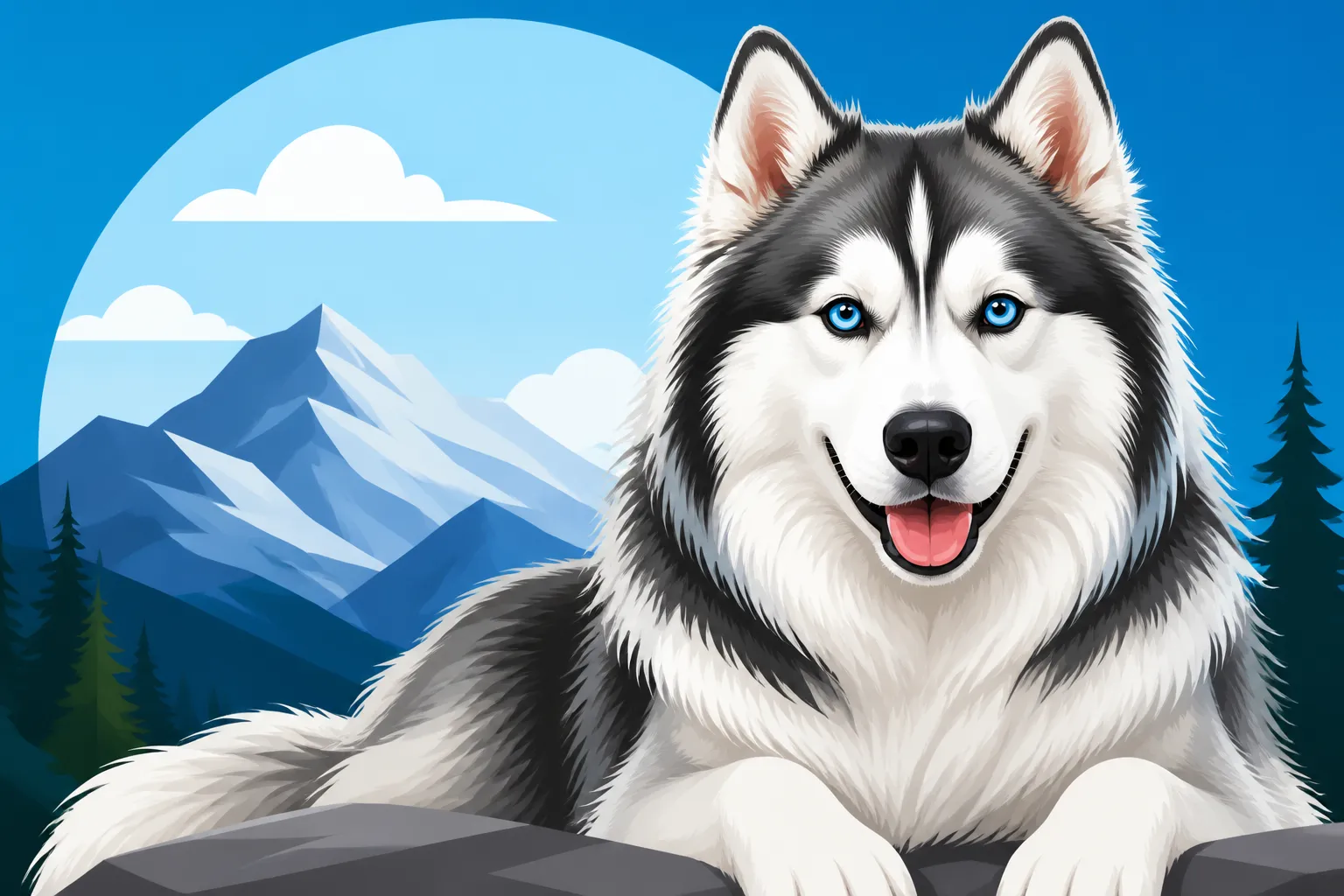
A "wooly" Siberian Husky typically features guard hairs that are noticeably longer than those of a standard Husky, often giving the dog a fluffy, almost shaggy appearance. The undercoat can also be excessively thick and plush, contributing to the overall volume. You'll often see distinct "feathering" on the legs, ears, tail, and sometimes even a prominent mane around the neck. The tail, in particular, tends to be much fuller and more plume-like, rather than the brush-like tail of a standard Husky.
These characteristics combine to create a softer, more luxurious silhouette that many find incredibly appealing. However, this extra length and density come with their own set of considerations for the owner, particularly regarding grooming and environmental management. They truly stand out in a crowd, often drawing comparisons to other long-haired northern breeds, but they are distinctly Siberian Huskies underneath all that fluff.
The Genetics Behind the Longer Coat
The occurrence of a "wooly" coat in Siberian Huskies is due to a recessive gene. This means that for a puppy to inherit the long-haired trait, both of its parents must either carry the gene or exhibit the trait themselves. If a Husky carries one copy of the recessive "wooly" gene and one copy of the dominant "standard coat" gene, it will have a standard coat but can pass the "wooly" gene on to its offspring. When two carriers are bred, there's a statistical chance that some puppies in the litter will inherit two copies of the recessive gene and thus display the long-haired coat.
This genetic mechanism explains why a litter from two standard-coated parents might occasionally produce a long-haired puppy, much to the surprise of some breeders and new owners. It's a natural genetic variation, not a fault in the dog's purity, but simply a deviation from the specific phenotype favored by the breed standard for working purposes. DNA tests are available that can identify carriers of the wooly gene, allowing breeders to make informed decisions if they wish to avoid producing these coats.
Why the Wooly Coat is a Fault in the Show Ring
As mentioned, the "wooly" coat is considered a fault in the AKC breed standard for Siberian Huskies. The primary reason for this designation is functional, rooted in the breed's origins as an efficient sled dog. An overly long and thick coat, while beautiful, is actually less practical for the demanding work of pulling a sled in arctic conditions.
Specifically, a wooly coat tends to collect snow and ice more readily, creating heavy clumps that can weigh the dog down and potentially lead to frostbite if not regularly cleared. The denser undercoat can also take much longer to dry if it gets wet, which can be dangerous in freezing temperatures. While the aesthetic appeal of a wooly coat is undeniable, the breed standard prioritizes traits that enhance the dog's ability to perform its historical function. For this reason, wooly Huskies are generally excluded from conformation showing, though they make wonderful, loving pets.
Living with a Long-Haired Siberian Husky: Care and Considerations
Owning a long-haired Siberian Husky brings all the joy and challenges of the breed, amplified by their magnificent, fluffy coats. Proper care is paramount to ensure they remain healthy, comfortable, and beautiful.
Grooming Needs for a Wooly Coat
Grooming a long-haired Siberian Husky is a commitment, pure and simple. While all Huskies shed, the sheer volume of fur on a wooly Husky means you'll be spending significantly more time on grooming. During their biannual "coat blow" — which can last for six weeks or more — the amount of loose undercoat will be staggering. Siberian Husky Coat Blow and the Six Weeks It Lasts You'll need a robust arsenal of tools, including undercoat rakes, slicker brushes, and a high-velocity dryer. Chewy, for example, offers an excellent selection of grooming tools specifically designed for double-coated breeds, which will be essential for managing all that fur.
Daily brushing during shedding season is almost a necessity to prevent matting, especially behind the ears, under the legs, and around the tail. Mats can be painful and lead to skin infections if left untended. A high-velocity dryer is a game-changer for blowing out loose undercoat after a bath or even between baths, drastically reducing shedding around the house and helping to keep the skin healthy. Professional grooming can also be a valuable investment, especially during heavy sheds, as they have specialized equipment and expertise in handling such dense coats. Grooming Tools a Siberian Husky Owner Buys Once
Environmental Adaptations for Wooly Huskies
The very trait that makes wooly Huskies so appealing – their abundant coat – can also present environmental challenges. While their extra insulation makes them exceptionally well-suited for extremely cold climates, it can make them more susceptible to overheating in warmer temperatures compared to their standard-coated counterparts.
Owners in temperate or hot climates must be extra vigilant. Walks should be timed for the coolest parts of the day, such as early morning or late evening. Providing ample shade, fresh water, and cooling mats are crucial. Avoid wetting the entire undercoat unnecessarily, as it can take a long time to dry and potentially lead to skin issues. If they do get wet, thorough drying to the skin is essential to prevent moisture-related problems. Drying a Siberian Husky to the Skin In winter, their coats can also collect snow and ice more easily, which can become heavy and uncomfortable. Regular checks of their paws and between their toes for snowballs are necessary after outdoor excursions.
Health Implications of a Wooly Coat
Generally speaking, a "wooly" coat itself does not carry specific inherent health problems. A long-haired Siberian Husky is just as healthy as its standard-coated kin, assuming proper care. However, the density and length of their fur can contribute to certain issues if not managed correctly.
The most common concern relates to skin health. An excessively thick or matted coat can trap moisture, dirt, and debris against the skin, creating a perfect breeding ground for bacteria or fungi, leading to hot spots or skin infections. Regular, thorough grooming is key to preventing these problems, ensuring air circulates to the skin, and keeping the coat free of tangles and foreign objects. Additionally, while the coat offers excellent sun protection, a severely matted or neglected wooly coat could potentially conceal skin issues or external parasites, making them harder to spot early on. So, while the coat isn't a direct health risk, its maintenance is critical for overall well-being.
Debunking Myths and Misconceptions
There are many myths swirling around long-haired Siberian Huskies, often fueled by a lack of understanding about their genetics and the breed standard. Let's clear up some of the most common ones.
Are Wooly Huskies Less Healthy or Purebred?
Absolutely not! This is perhaps the most persistent myth. A long-haired or "wooly" Siberian Husky is 100% purebred. As discussed, the long coat is a result of a recessive gene, meaning both parents carried the trait. It does not indicate that the dog is mixed with another breed. These Huskies descend from the same pure lines as their standard-coated relatives. They are simply expressing a genetic variation that the breed standard considers a "fault" for conformation showing, not a fault in their lineage or health.
Furthermore, being "wooly" does not inherently make a Husky less healthy. Their health profile is generally the same as any other Siberian Husky, with typical breed-specific health concerns like eye conditions. Siberian Husky Eye Disease and the Annual Exam Any health issues they might experience are usually related to improper grooming of their dense coats (like skin irritation from matting) rather than the coat itself being a sign of poor health or genetic weakness. With diligent care, a long-haired Husky can live a full, vibrant, and healthy life.
Wooly Huskies vs. Other Long-Haired Breeds
It's easy to see a fluffy, long-haired Husky and mistake it for a different breed or a mix, especially for those unfamiliar with the variation. They are often confused with Alaskan Malamutes, another northern breed known for its substantial coat. While Malamutes are also double-coated and can have long fur, they are a distinct breed with their own size, temperament, and coat characteristics. Siberian Husky Against the Alaskan Malamute Malamutes are generally larger and heavier-boned than Huskies, with a more powerful, freight-pulling build, whereas Huskies are bred for speed and endurance.
Some might also wonder if a long-haired Husky is a mix with a "fluffy" breed like a Samoyed or even a German Shepherd. However, the genetic evidence confirms that the "wooly" coat is an intrinsic variation within the Siberian Husky breed itself. While mixed breeds can certainly exhibit long coats, when you encounter a dog that unmistakably carries all the other hallmarks of a Siberian Husky – their distinct facial markings, ear set, body structure, and often their characteristic "husky howl" – but with a longer coat, it's highly probable you're looking at a purebred wooly Husky, not a mix.
Long-haired Siberian Huskies are truly magnificent animals that bring an extra touch of fluff and charm to the already stunning breed. While their luxurious coats might require a bit more attention in terms of grooming and environmental management, they are every bit as purebred, healthy, and full of the spirited Husky personality as their standard-coated counterparts. Understanding their unique needs, from increased brushing to careful consideration of climate, ensures these beautiful dogs can thrive and be cherished companions for years to come.
Coat Characteristics Comparison
To help clarify the differences, here's a quick comparison of standard and long-haired (wooly) Siberian Husky coat characteristics:
| Feature | Standard Siberian Husky Coat | Long-Haired ("Wooly") Siberian Husky Coat |
|---|---|---|
| Guard Hairs | Medium length, straight, lies flat | Significantly longer, often softer, can appear shaggy |
| Undercoat | Dense, soft, sufficient for insulation | Excessively thick and plush, very dense |
| Overall Volume | Well-furred, but maintains clean outline | Much fuller, fluffier, "bigger" appearance |
| Feathering | Minimal, slight on legs | Prominent on legs, ears, tail, and around the neck |
| Tail | Brush-like, carried over back in a sickle curve | Fuller, more plume-like, heavily feathered |
| Show Status | Ideal per breed standard for conformation | Considered a fault; excluded from conformation showing |
| Grooming Needs | Regular brushing, especially during coat blow | Frequent and thorough brushing daily, especially during coat blow; prone to matting |
| Snow/Ice Accum. | Generally good resistance, minimal accumulation | Can collect snow and ice more easily, forming clumps |
| Drying Time | Dries relatively quickly | Takes significantly longer to dry when wet |
| Heat Tolerance | Good, but needs monitoring in heat | Slightly reduced, requires extra vigilance in warm weather |
Disclaimer
This article is for general informational purposes only and does not constitute professional advice. Laws, prices and regulations vary by location and change over time. Consult a qualified professional for guidance on your specific situation.