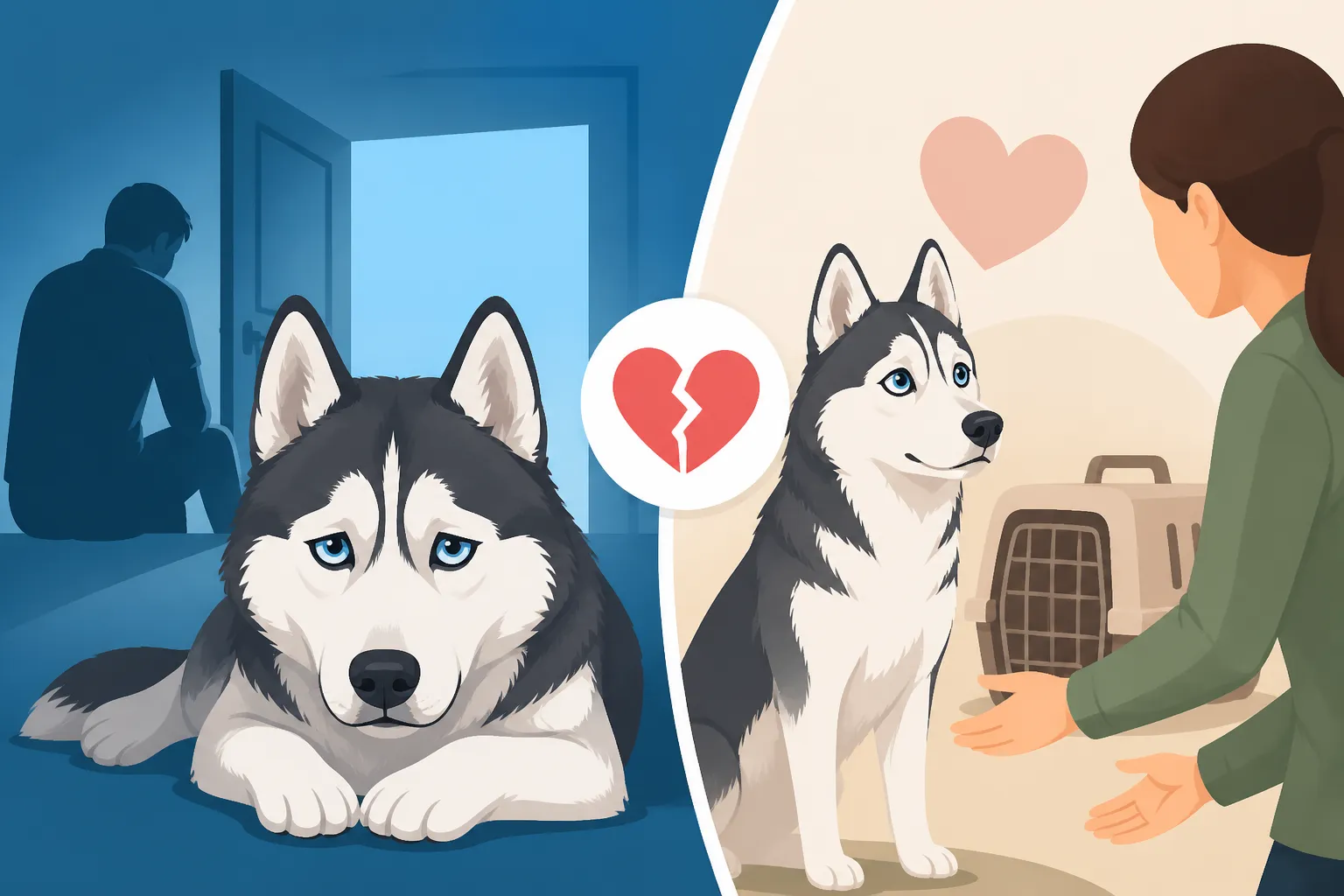
The Age Most Siberian Huskies Are Surrendered
A Siberian Husky is most likely to be surrendered when the demands of adolescence and young adulthood collide with an owner’s expectations—not at one precise birthday. Many families struggle when a lively puppy becomes a powerful, independent dog, often around one to three years old. This guide explains why that period can be difficult, what surrender patterns do and don’t tell us, and how to prevent a crisis or prepare for responsible rehoming.
When Siberian Huskies Are Often Surrendered
Why young adulthood can be a turning point
There is no single age when all, or even most, Siberian Huskies are surrendered. Shelter and rescue experiences differ by location, season, and the dogs they can accept. Still, young adult dogs are a familiar part of rescue work. The period from roughly one to three years can be especially challenging because the dog is no longer a small puppy, but may still have plenty of adolescent energy and testing behavior.
A family may bring home an eight-week-old puppy expecting walks, play, and affection. By the time that puppy is a year old, it may be strong enough to pull an adult off balance, clever enough to open a gate, and eager to run whenever an opportunity appears. The owners who thought they had a manageable routine may find themselves spending each day preventing escapes, repairing damage, and trying to provide enough exercise.
This mismatch can become more pronounced as the dog matures. A Husky’s need for activity, supervision, and consistent boundaries doesn’t disappear when puppyhood ends. Owners who thought the difficult stage would simply pass may feel discouraged when their dog is still restless, vocal, or unreliable off leash at age two. Why So Many Siberian Huskies Reach Rescue at Two explores why that age can coincide with a difficult change in household expectations.
Why a birthday does not predict surrender
A dog’s age is only one part of the picture. A young Husky in a well-matched home, with secure containment and an enriching routine, may settle into family life far more smoothly than an older dog whose needs are not being met. Health problems, a move, landlord restrictions, family changes, or the loss of an owner can also lead to surrender at almost any age.
It also helps to separate the age when a dog is surrendered from the age when the problem began. A family may have struggled for months before contacting a rescue. A Husky that arrives at two might have started escaping at eight months, become difficult to manage during adolescence, and finally been surrendered after a move or a serious incident. The final decision can look sudden even when the strain has been building for a long time.
For that reason, treat age patterns as a prompt to plan ahead, not a prediction about an individual dog. If you have a puppy or adolescent Husky, prepare for the challenges that can emerge as strength, curiosity, and independence increase. If you are considering adoption, ask about the dog’s history and current behavior rather than assuming a certain age makes a Husky easy—or difficult—to live with.
Why Huskies Are Given Up
Energy and exercise expectations
A common source of conflict is the belief that a long walk alone will meet a Husky’s needs. Walks matter, but some dogs also need training, sniffing opportunities, play, and activities that give their attention a useful focus. When a dog spends much of the day bored or under-stimulated, the result may be digging, chewing, howling, or finding ways to leave the yard.
That does not mean every Husky needs to run for hours every day. A dog’s age, health, fitness, and temperament all matter, and exercise should be built up sensibly. The key is having a workable routine, not relying on one exhausting outing to solve every behavior problem. Food puzzles, short training sessions, safe sniff walks, and supervised play can help add variety. For a broader look at realistic activity needs, see How Much Exercise a Siberian Husky Really Needs.
Owners can also underestimate the effort of keeping a Husky safely contained. A loose dog may travel far, and a standard yard or open gate may not be enough to stop a determined escape. Secure fencing, careful door routines, reliable identification, and adult supervision can prevent a stressful problem from turning into a surrender decision. Stopping a Siberian Husky From Escaping the Yard covers practical ways to reduce escape risks.
Independence, training, and household disruption
Huskies are intelligent, but intelligence does not always look like immediate obedience. A dog may know a cue and still choose to investigate a scent or chase a moving animal. That can be frustrating for owners who expect a quick recall or assume that repeating a command louder will make it work. Off-leash freedom is especially risky in open areas where the dog can run toward traffic, wildlife, or livestock.
Training is more effective when it is consistent, rewarding, and practiced in settings the dog can handle. Start with a quieter environment, reward the behavior you want, and increase distractions gradually. A long line can provide room to practice while preventing a rehearsal of bolting. It is reasonable to use secure fenced areas for exercise rather than expecting perfect recall in every situation. Teaching a Siberian Husky to Come Back explains how to build recall without relying on wishful thinking.
The same mismatch can show up indoors. A young Husky left alone for long stretches may chew furniture, scratch doors, or vocalize. These behaviors are not proof that a dog is spiteful; they can reflect boredom, distress, insufficient preparation for alone time, or an unmet need. A realistic plan might include gradual alone-time training, dog-proofing, a safe resting space, and help from a qualified trainer or veterinary professional when anxiety is suspected. Siberian Husky Destruction When Left Alone offers more detail on that challenge.
Housing, finances, and changing life circumstances
Some surrenders happen because an owner’s circumstances change, not because the dog is unwanted. A move may bring a landlord who prohibits the breed, a smaller living space, or a yard that cannot be secured. A new work schedule, illness, relationship change, or financial strain can make care harder. These situations deserve compassion, but they also benefit from early planning.
Costs can add pressure too. Food, routine veterinary care, grooming tools, training, boarding, and repairs can add up. A Husky’s shedding may surprise a household, while escape-related incidents or damage can create unexpected expenses. If cost is the main concern, ask local rescues, community pet programs, or veterinary clinics whether they can suggest practical support before deciding that surrender is the only option.
Care supplies are another small but useful part of planning. If a dog’s existing food is working well, keeping the same diet during a stressful transition can help avoid an unnecessary change. Some owners use retailers such as Chewy to arrange routine food or supply deliveries, while checking with the dog’s veterinarian before changing diets or adding supplements. Buying supplies will not resolve a mismatch in exercise, training, or housing, but reducing avoidable disruptions can make daily care easier.
How to Reduce the Risk of Surrender
Match the dog’s needs to the household
Before adopting or buying a Husky, picture an ordinary Tuesday—not just a snowy weekend or a scenic trail day. Who will exercise the dog before work? What happens during a long shift? Is the yard secure? Can every household member manage the dog on leash? Who will care for the dog during travel or illness? Specific answers matter more than a general promise to “give the dog plenty of exercise.”
A fenced yard can be helpful, but it is not a substitute for supervision or interaction. Dogs may dig, climb, or exploit a gate left open. If the home is rented, confirm the breed rules directly and understand any restrictions before bringing a dog home. For people choosing between a puppy and an adult, an adult Husky’s known temperament and energy level can sometimes make matching easier, though each dog still needs careful assessment.
Be honest about experience and available time. A first-time owner can have a successful life with a Husky, but should expect to learn about training, containment, and enrichment rather than assuming the dog will naturally adapt to any routine. Who Should and Should Not Own a Siberian Husky can help families think through the fit before making a long-term commitment.
Build routines before behavior becomes a crisis
It is easier to prevent patterns than to undo months of rehearsal. Use baby gates or closed doors to manage access, secure yard gates, and teach everyone in the household to check before opening an exterior door. Keep the dog on leash outside secure areas, even if it has responded well in a quiet setting. Microchip information and ID tags should be kept current in case an escape happens despite precautions.
Set up a manageable weekly routine rather than relying on motivation alone. For example, a family might plan morning sniff walks, a short training game at lunch, and a longer walk or supervised play in the evening. On unusually busy days, a puzzle feeder or a sitter can help, but neither should be expected to replace regular companionship and activity. Keep exercise appropriate for the dog’s age and condition, and ask a veterinarian for guidance if the dog has health or mobility concerns.
If behavior is becoming hard to manage, seek help before resentment builds. A trainer experienced with high-energy, independent dogs can identify practical changes and tailor training to the household. A veterinarian can check whether pain or illness is contributing to a sudden behavior change. Owners who wait until an escape, injury, or housing deadline may have fewer safe options available.
If You Can No Longer Keep Your Husky
Explore support and safe alternatives first
If you are overwhelmed, tell someone early. A trusted friend, veterinarian, trainer, or rescue organization may help you sort out whether the main issue is temporary or ongoing. For example, a short-term schedule problem might be eased with a dog walker or help from family. A housing restriction may require a more substantial plan. Being specific about the problem makes it easier to identify realistic options.
Do not put a Husky into an unsafe situation simply to avoid asking for help. Avoid abandoning the dog, advertising it as “free to a good home” without screening, or handing it to someone whose experience and setup you cannot assess. A dog that has escaped repeatedly, lived with small animals, or shown fear around strangers needs a careful, honest handoff. Share medical records, behavior history, routines, and known triggers with anyone considering the dog.
If rehoming is necessary, contact a breed-specific rescue, reputable general rescue, or local shelter and ask about their intake process. Some organizations may have waiting lists or may not be able to take every dog immediately. Continue to keep the dog secure and cared for while you work through the options. Breed-Specific Siberian Husky Rescues and What a Siberian Husky Rescue Asks of Adopters can help owners and prospective adopters understand what responsible placement involves.
Make the transition clear and humane
A good rehoming handoff includes more than a bag of food. Provide veterinary records, vaccination and medication information, microchip details, feeding instructions, and the dog’s established cues. Be candid about behavior, including escape attempts, separation distress, resource guarding, or prey drive. Concealing a problem can put the dog and its new household at risk.
Familiar items can make the first days less confusing. Send the dog’s bed, a favorite safe toy, and enough of its usual food for a gradual transition if possible. If the next caregiver plans to change food, they can ask their veterinarian how to do so appropriately. Chewy or another pet-supply retailer may be one way for a new owner to restock familiar food or basic supplies, but the most important detail is sharing the exact product and feeding routine rather than assuming the new household will guess correctly.
A responsible adopter should have time to ask questions and meet the dog in a calm, safe setting. The new home needs to understand that adjustment may take time; even a friendly dog can be unsettled by new people, smells, and rules. Rehoming is painful, but a thoughtful placement can give a Husky a better chance at a stable life than a rushed decision made during a crisis. For help weighing adoption options, see Choosing Between a Siberian Husky Breeder and a Rescue.
Disclaimer
This article is for general informational purposes only and does not constitute professional advice. Laws, prices and regulations vary by location and change over time. Consult a qualified professional for guidance on your specific situation.