Why Game of Thrones Filled Shelters With Huskies
A dog that looks like a fantasy direwolf can seem irresistible on screen, but living with a Siberian Husky is far less cinematic. After Game of Thrones became a cultural phenomenon, some people chose dogs for their striking appearance without being ready for their exercise needs, escape instincts, or vocal nature. This guide explains the connection and how to make a responsible choice.
The direwolves were not Siberian Huskies
What viewers saw on screen
The direwolves in Game of Thrones helped make wolf-like dogs especially appealing. Their thick coats, upright ears, long muzzles, and intense expressions reminded viewers of Siberian Huskies and other northern breeds. For someone who had never owned a dog, the resemblance could make a Husky seem like a natural way to bring a little of that screen magic home.
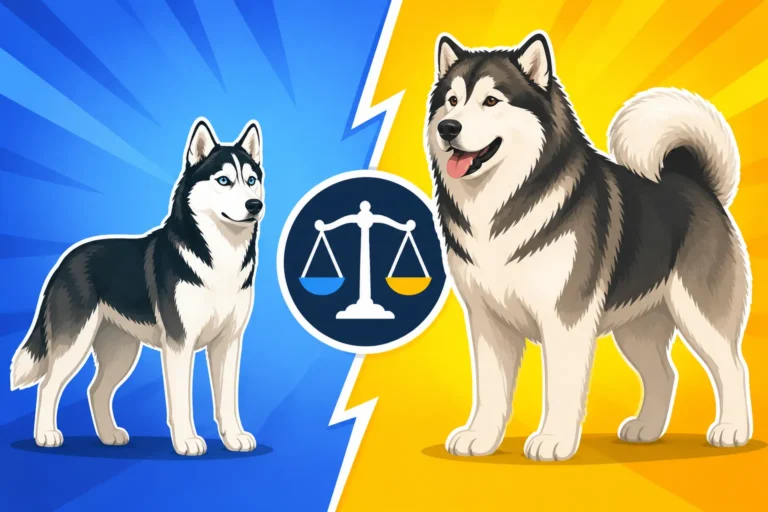
But resemblance is not the same as breed identity. The dogs used to represent the direwolves were not simply a pack of Siberian Huskies. Northern Inuit dogs were among the real dogs used in early filming, and visual effects helped portray the direwolves as they grew and appeared in later scenes. The show’s fantasy animals were a mix of real-dog performances and effects—not a realistic demonstration of what a household Husky is like.
That distinction matters because it is easy to see a calm, carefully directed scene and imagine a dog that will naturally behave the same way at home. A filmed animal works with handlers, trainers, and a production crew. A pet has to cope with ordinary life: visitors at the door, an enticing squirrel, a long stretch alone, or the temptation to investigate an unsecured gate.
Why Huskies became part of the conversation
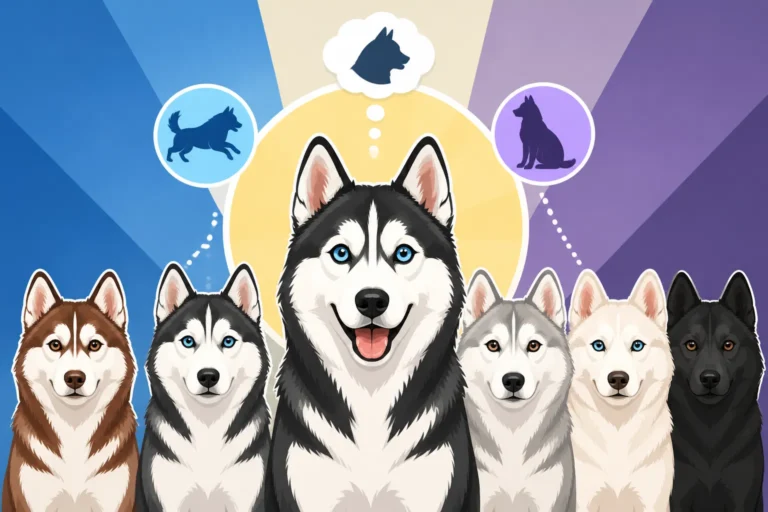
Even though the screen direwolves were not straightforward examples of Siberian Huskies, their appearance overlapped with the look many people associate with the breed. Huskies already attracted attention for their athletic build, dense coat, masks, and sometimes blue or mismatched eyes. A major fantasy series put that wolf-like look in front of a huge audience, making the breed easier for potential owners to picture—and easier to seek out for the wrong reasons.
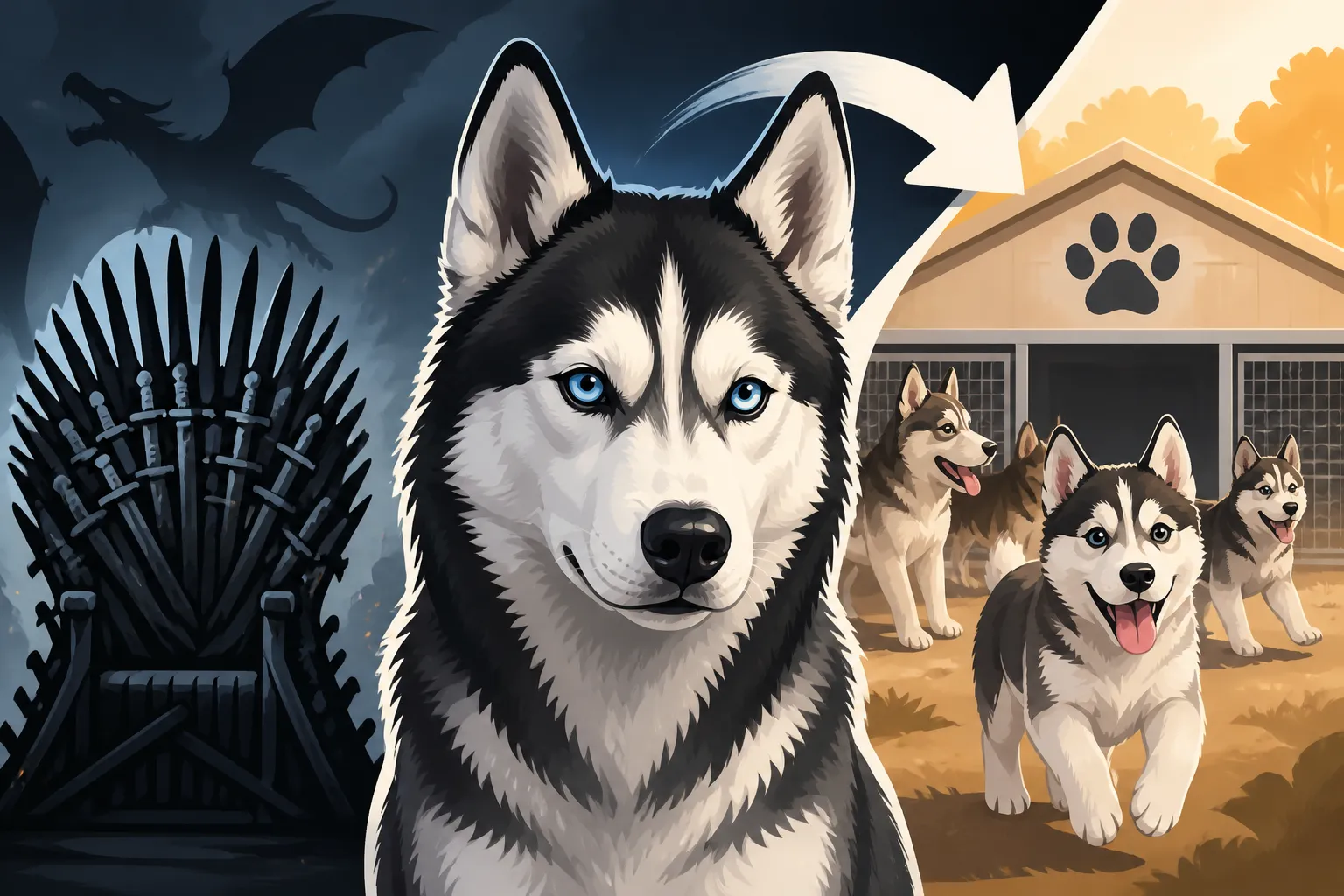
That does not mean every person who adopted a Husky during the show’s popularity did so because of the show, or that every newly adopted dog ended up in a shelter. People choose dogs for many reasons, and individual shelter stories rarely have a single cause. The more cautious explanation is that the show helped raise interest in wolf-like dogs, while some people underestimated the commitment that comes with owning a Husky.
If you are comparing northern breeds because of their appearance, start with their needs and temperament rather than their resemblance to a fictional animal. The Siberian Husky Head, Ears and Tail offers a closer look at the breed’s recognizable features, while What a Siberian Husky Was Bred to Do explains why the dog’s athleticism and drive are part of its working heritage.
How a television trend can lead to shelter surrenders
The gap between an image and everyday life
A TV character’s animal companion usually appears in dramatic, memorable moments. Viewers do not see the routine behind the scenes: the exercise plan, trained handling, boundaries, grooming, veterinary care, and supervision needed to support a dog. In a home, those practical demands are not background details. They shape every day with the animal.
A Siberian Husky may need more than a quick walk around the block, especially when the dog is young and energetic. Many are curious, persistent, and inclined to follow movement or explore beyond the yard. Some are also talented at digging, climbing, or finding a weak point in a fence. A family that pictured a beautiful, wolf-like companion may be surprised when the dog pulls hard toward a scent or treats an open gate as an invitation.
The vocal side can catch people off guard, too. Huskies may howl, whine, or “talk” in ways that are funny at first but stressful in a close-knit apartment building or a home where people work remotely. The point is not that every Husky behaves identically. It is that these traits are common enough to prepare for, rather than hoping a dog will match a quiet, composed image from television. For a deeper look at the breed’s sound and communication, see Why Your Siberian Husky Howls and Talks.
When the commitment is bigger than expected
A surrender often follows a mismatch between what a household can offer and what the dog needs. A person may have expected a manageable walking companion, then find they need a secure yard, daily activity, consistent training, careful leash handling, and time for coat care. If the dog is left alone for long periods without a workable plan, boredom or distress can add to the household’s difficulty.
Housing can make the situation more complicated. A renter may discover that the lease, building rules, or insurance requirements do not allow the dog. A move, a new baby, a change in work schedule, or a strained budget can also make care harder. These pressures are not proof that an owner did not care; they are reminders that adopting a dog is a long-term decision that can be affected by ordinary life changes.
A dog’s age can matter, too. A lively young Husky may be harder to manage than the adult dog someone imagined, and adolescence can bring a period when familiar cues seem to stop working reliably. Before choosing a puppy, consider whether your schedule and home can handle the less glamorous parts of raising one. The Age Most Siberian Huskies Are Surrendered discusses why some dogs reach rescue after their owners have lived with the realities of the breed.
| What attracts people | What daily life may involve | A useful question to ask |
|---|---|---|
| Wolf-like appearance | Regular exercise, training, and supervision | Can I meet this dog’s needs on ordinary weekdays? |
| A lively, athletic image | Secure containment and reliable leash management | Is my yard or walking setup genuinely safe? |
| A dramatic, expressive personality | Howling, vocalizing, or pulling may need management | Can my household and neighbors live with the noise? |
| A beautiful thick coat | Routine brushing and heavier seasonal shedding | Do I have time and space for coat care? |
| The idea of an adventurous companion | Planning around weather, safety, and the dog’s fitness | Can I offer safe activity without overdoing it? |
What to understand before bringing a Husky home
Look past the coat and consider the temperament
Siberian Huskies are not accessories or miniature wolves. They are domestic dogs with their own needs, and their independence can surprise people who expect instant obedience. A Husky may understand a cue perfectly and still find the surrounding distraction more compelling. That can be frustrating if you imagined effortless recall or an off-leash dog that always stays close.
For that reason, a secure routine matters more than confidence alone. A well-fenced yard is not a substitute for supervision, and an unfenced area is not a safe place to test whether a dog will come back. Huskies can cover ground quickly, so good equipment, thoughtful management, and training in controlled settings are important from the start. Why a Siberian Husky Cannot Be Trusted Off Leash explains why even a dog with good manners may not be safe to let loose.
Think honestly about your household’s activity level, available time, and tolerance for noise and shedding. If you are away for much of the day, have limited access to safe exercise, or need a dog that will reliably ignore small animals, a Husky may not be the right match. That is not a judgment about the breed or your abilities; it is a way to prevent a painful mismatch for both you and the dog.
Prepare for grooming, exercise, and containment
A Husky’s double coat needs regular care, and shedding can become a substantial household chore. During seasonal coat changes, loose undercoat can collect on floors, clothes, and furniture. A brush that works well for one coat may not be right for another, so ask a groomer or veterinarian for advice before buying tools. If you are comparing grooming supplies, Chewy can be one place to check what types of brushes and combs are available, but product choice should follow your dog’s coat and comfort—not a dramatic “before and after” image.
Exercise also needs to be planned around the individual dog, the weather, and the dog’s age and health. A young puppy should not be pushed into strenuous running simply because the breed looks built for it. An adult may enjoy a longer outing, but activity should be introduced sensibly, with water, rest, and attention to heat. For a broader overview of breed expectations, How Much Exercise a Siberian Husky Really Needs is a useful next read.
Containment deserves special attention. Check gates, fence edges, latches, and places where a dog could climb or dig. A dog who has already escaped may be at risk from traffic, getting lost, or encountering wildlife. Microchip registration and clear identification can help if a dog gets out, but they do not replace secure doors, a leash, and supervision. Stopping a Siberian Husky From Escaping the Yard explores practical prevention in more detail.
Choose support before a problem becomes urgent
Training is easier to build into daily life than to improvise after a dog has developed unsafe habits. Start with reward-based basics, including name response, leash skills, calm door behavior, and recall practice in a secure area. Keep sessions short enough to maintain the dog’s interest, and make rewards worthwhile. If you need equipment or enrichment items, Chewy may help you compare options such as treat pouches, long lines, puzzle toys, or grooming tools; check that any item suits your dog’s size and how they use it.
A local veterinarian, reputable trainer, rescue organization, or breed-experienced groomer can help you plan for challenges before they become overwhelming. If a dog’s behavior changes suddenly, or if fear, distress, or aggression is involved, seek qualified help rather than relying on punishment or advice from a viral clip. A good support network can help you make adjustments while keeping the dog and the people around it safe.
Potential adopters should also look beyond a dog’s appearance when choosing where to adopt. Ask a rescue or shelter about the dog’s history, energy level, behavior around other animals, experience with children, and known medical needs. No organization can guarantee exactly how a dog will behave in a new home, but clear questions help you make a more informed match. What a Siberian Husky Rescue Asks of Adopters can help you prepare for that conversation.
How to respond to the trend responsibly
If you are thinking about adopting
Take time to meet the dog and ask practical questions. What does a normal day look like for this particular Husky? Has the dog lived with cats or small pets? How does the dog handle being alone, walking on leash, grooming, and visitors? What kind of fencing has been used? The answers may be incomplete, especially for a dog with an unknown history, but they can still reveal what support you may need.
Consider adult dogs as well as puppies. An adult’s known habits and energy level may be easier to assess, though any dog can need a period of adjustment after moving. A rescue may be able to discuss the dog’s behavior in foster care or in the shelter, but a new environment can bring out different responses. Give the dog time, use secure management, and avoid assuming that the first few days show the whole picture.
Budget and household logistics matter just as much as affection. Think about grooming, routine veterinary care, training, boarding or pet sitting, and secure equipment. Chewy and other retailers can help you compare general supplies, but shopping is only one small part of preparation. The bigger question is whether you can provide consistent care through changes in work, housing, finances, and family life.
If you cannot keep your dog
If circumstances change and you cannot safely care for your Husky, contact a reputable breed-specific rescue, an established animal shelter, or your veterinarian for guidance. Be honest about the dog’s behavior, health, escape history, and needs. Leaving out difficult details may feel tempting, but it can make it harder for the next household or rescue to keep the dog safe.
Avoid handing the dog to an unknown person simply because they respond quickly to an online post. Ask about their experience, housing, other animals, and plans for veterinary care. A responsible rescue or shelter can explain its intake process and discuss the information it needs. Choosing Between a Siberian Husky Breeder and a Rescue offers more context for evaluating the different paths to bringing a dog home.
If you are not ready to adopt, there are other useful ways to help. You can support a local shelter, foster if your circumstances allow, share accurate information about breed needs, or help an owner find qualified training resources. The goal is not to blame viewers for enjoying a television show. It is to make sure the decision to bring a dog home is based on the real animal—not the fantasy version.
Keep the story in perspective
It is fair to say that Game of Thrones helped make wolf-like dogs more visible and desirable to some viewers. It is not fair to claim that the show alone caused Siberian Huskies to be surrendered. Breed popularity, impulsive acquisition, unrealistic expectations, housing restrictions, financial pressure, and personal life changes can overlap in ways that are hard to separate.
The useful lesson is broader than one series: entertainment can make a breed look like an ideal companion while leaving out the time, training, management, and expense involved in caring for a real dog. Before choosing a Husky, learn about the breed from people who live and work with them, meet individual dogs where possible, and plan for the ordinary Tuesday—not just the exciting adventure.
When people make informed choices, fewer dogs are selected for a look alone, and adopters are better prepared to meet the dogs they welcome into their homes. That is a more grounded way to honor the appeal of the direwolves than trying to recreate them.
Disclaimer
This article is for general informational purposes only and does not constitute professional advice. Laws, prices and regulations vary by location and change over time. Consult a qualified professional for guidance on your specific situation.