The Health Milestones of a Siberian Husky Year by Year
It’s a common feeling among Siberian Husky owners: you bring home that fluffy, mischievous puppy, full of boundless energy, and suddenly you realize you’re embarking on a journey that could last well over a decade. Keeping track of their health needs as they grow can feel a bit overwhelming, wondering if you're doing everything right at each stage. This comprehensive guide will walk you through the key health milestones of a Siberian Husky, year by year, helping you anticipate their needs and ensure they live the happiest, healthiest life possible.
The Energetic Start: Puppyhood and Adolescence (0-2 Years)
The first couple of years with a Siberian Husky are a whirlwind of growth, learning, and endless energy. This period is crucial for establishing a strong foundation for their lifelong health. Think of it as building the framework for a robust and resilient dog.
Early Veterinary Care and Vaccinations
Bringing home a Siberian Husky puppy means regular trips to the vet for their initial vaccinations and deworming. Your vet will set up a schedule, typically starting around 6-8 weeks, to protect against common and dangerous diseases like distemper, parvovirus, adenovirus, and rabies. It's incredibly important to follow this schedule religiously, as puppies are highly susceptible to these illnesses. Beyond shots, these early visits are opportunities for your vet to check for any congenital issues, discuss proper nutrition for growing pups, and advise on parasite prevention. Don't underestimate the importance of these initial check-ups; they are foundational.
It's also at this stage that you'll want to ensure you've received all the health paperwork from your breeder. Reputable breeders will have performed initial health screenings on the parents, and often on the puppies themselves, to give you peace of mind. For a deeper dive into what to expect with these early protections, you might find our guide on The Vaccines a Siberian Husky Puppy Needs First helpful.
Growth, Teething, and Developing Joints
Siberian Huskies grow rapidly during their first year, reaching most of their adult height and weight by 10-12 months, though they may continue to fill out until 18-24 months. During this time, they’ll go through an intense teething phase, usually from 3 to 6 months of age. Provide plenty of appropriate chew toys to save your furniture and soothe their sore gums. Keep a close eye on their growth plates, too. Over-exercising a young Husky on hard surfaces or allowing excessive jumping can put undue stress on their still-developing joints, potentially leading to issues later in life. Controlled exercise, like leashed walks and supervised playtime on soft ground, is key.
You might be surprised by how quickly they transition from clumsy puppy to sleek, powerful adolescent. This growth period is also when you should be thinking about their genetic predispositions. Many breeders will perform Health Testing Before You Buy a Siberian Husky on the parents, checking for common breed-specific issues.
First Health Screenings and Eye Exams
Even though your Husky is still young, their first year is a good time to consider initial health screenings. For instance, reputable breeders often have puppies’ eyes checked by a veterinary ophthalmologist at a young age to screen for hereditary conditions like juvenile cataracts. As they approach adulthood, usually around 12-24 months, it’s a good idea to schedule their first official eye exam with a board-certified veterinary ophthalmologist. This is particularly important for Siberians, who are prone to certain eye conditions. Learning more about Siberian Husky Eye Disease and the Annual Exam can shed light on why this is so critical.
Similarly, while hip screenings like OFA (Orthopedic Foundation for Animals) certifications typically happen at two years of age, understanding the breed's relatively low incidence of hip dysplasia early on can inform your care. You can read more about Siberian Husky Hips and Why the Rate Is Low to understand what to look for and discuss with your vet. Many proactive owners also start looking into pet insurance around this time, as a young, healthy Husky usually means better rates and fewer pre-existing condition exclusions, giving peace of mind for future needs. Companies like Healthy Paws offer coverage that can be invaluable should unexpected health challenges arise.
Peak Performance: Young Adult Years (2-6 Years)
Once your Siberian Husky has sailed past their second birthday, they typically enter their prime. These are often the years of peak physical condition, where their athleticism shines, and their personality is fully developed. However, this doesn't mean you can slack off on their health monitoring.
Maintaining Optimal Fitness and Weight
During these years, your Husky is a powerhouse of energy. Regular, vigorous exercise is non-negotiable, whether it's long runs, hikes, or engaging in canine sports like canicross or bikejoring. Maintaining an ideal weight is paramount for joint health and overall well-being. Siberian Huskies have efficient metabolisms and can gain weight if overfed or under-exercised, which puts extra strain on their joints, especially as they age. Pay attention to their body condition – you should be able to feel their ribs easily without seeing them, and they should have a discernible waist. If you're ever unsure, your vet can help assess their body condition score.
Being mindful of their weight now can prevent a lot of headaches down the line, as it directly impacts Siberian Husky Weight and Joint Health . A consistent diet of high-quality food, carefully portioned, coupled with ample exercise, is your best defense against many common health issues.
Routine Check-ups and Dental Health Focus
Annual veterinary check-ups remain essential, even if your Husky seems to be in perfect health. These visits allow your vet to catch any subtle changes that might indicate an underlying issue, such as early signs of thyroid imbalance or a developing heart murmur. Blood work, including a full panel and urinalysis, might be recommended every few years to establish a baseline and monitor organ function. These regular screenings are your first line of defense against problems that can quietly brew.
Dental health becomes a major focus during these years. By age five, many dogs begin to show signs of dental disease, and Siberians are no exception. Plaque and tartar buildup can lead to gum disease, tooth decay, and even systemic infections if bacteria enter the bloodstream. Regular tooth brushing at home, dental chews, and professional dental cleanings as recommended by your vet are crucial. Neglecting their pearly whites can lead to serious health consequences, as detailed in articles like Siberian Husky Dental Disease by Age Five .
Monitoring for Breed-Specific Conditions
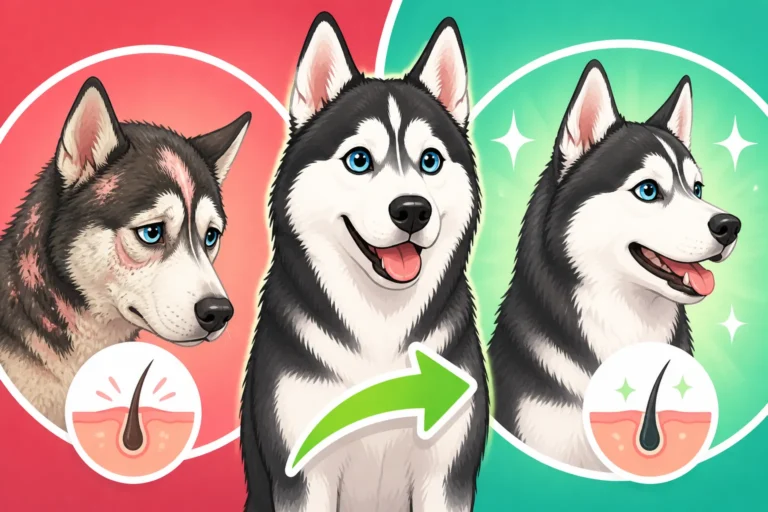
While many genetic conditions are screened for in puppyhood, some may manifest later. Continue to observe your Husky for any changes in their coat, energy levels, or behavior that could signal an issue. For instance, certain skin conditions like Zinc-Responsive Dermatosis in the Siberian Husky might present as crusting around the muzzle or eyes, often becoming apparent in young adulthood. Autoimmune thyroid disease is another condition that can develop during these prime years. Early detection is key for managing conditions like these effectively, often requiring lifelong supplementation or medication.
If you notice any persistent changes, no matter how minor, it's always best to consult your veterinarian. Many owners find peace of mind by having pet insurance, and a provider like Healthy Paws can help manage the costs associated with diagnosing and treating chronic conditions that might emerge during these years.
Graceful Transition: Mature Adult Years (7-9 Years)
As your Siberian Husky approaches their seventh birthday, they're stepping into their mature adult phase. While they may still have plenty of gusto, you might start noticing subtle shifts that indicate they're no longer the boundless puppy they once were. This is the time to become even more vigilant in their care.
Identifying Early Signs of Aging
Around this age, you might observe a slight slowing down, perhaps a bit less enthusiasm for a strenuous hike, or a longer recovery after intense play. They might sleep more, and their coat might start to thin slightly or lose some of its vibrant color. These are all normal parts of aging, but it's important not to dismiss more significant changes. Keep an eye out for any stiffness after resting, difficulty climbing stairs, or reluctance to jump. These could be early indicators of arthritis or other joint issues.
Behavioral changes, such as increased anxiety or confusion, could also start to emerge. Understanding What Changes in a Siberian Husky After Nine can help you anticipate these transitions and provide proactive care. Regular, moderate exercise is still important, but it might need to be adjusted to suit their changing stamina and joint comfort.
Comprehensive Senior Health Panels
At this stage, your vet will likely recommend more comprehensive annual health panels. These typically include blood tests to check organ function (kidney and liver values), a full thyroid panel, and urinalysis. Early detection of conditions like kidney disease, liver issues, or hypothyroidism is crucial, as many can be managed effectively if caught in their initial stages. For example, a dull coat, weight gain, or lethargy could be signs of a struggling thyroid, which is a condition Siberians can be predisposed to. You can learn more about Siberian Husky Thyroid and Autoimmune Disease to understand the symptoms and treatment.
Regular eye exams also continue to be critically important. As they age, the risk of conditions like cataracts or glaucoma increases, which can significantly impact their quality of life if left untreated. Catching these early can preserve their sight and comfort.
Joint Support and Management
Joint health becomes a primary concern for mature Huskies. Even though they are known for relatively good hips, years of activity can take their toll. You might consider introducing joint supplements containing glucosamine, chondroitin, and MSM, under your vet's guidance. Omega-3 fatty acids can also help reduce inflammation. If your Husky is showing signs of discomfort, your vet might suggest anti-inflammatory medications or other pain management strategies. These early interventions can make a huge difference in their comfort and mobility as they continue to age.
It's heartbreaking to see your once-agile Husky struggle, but early recognition of Early Arthritis Signs in a Siberian Husky and proactive management can keep them comfortable and active for longer. Maintaining a lean body weight continues to be vital to minimize stress on their joints.
Embracing Wisdom: Senior Golden Years (10+ Years)
Reaching double-digit age is a fantastic milestone for any Siberian Husky, a testament to good genes and excellent care. While their pace may have slowed, their spirit often remains bright. This stage requires even more dedication and adjustments to their routine to ensure their golden years are comfortable and full of joy.
Adjusting Care for the Aging Husky
Once your Husky hits the 10-year mark, they are officially seniors. This means more frequent vet visits, sometimes every six months, to closely monitor their health. Exercise should be gentle but consistent, focusing on shorter, more frequent walks tailored to their comfort level. Provide soft, supportive bedding to ease pressure on arthritic joints. They may also become more sensitive to temperature extremes, so ensure they have a comfortable, temperature-controlled environment indoors, especially in very cold or hot weather.
Consider their cognitive health, too. Some older Huskies may experience cognitive dysfunction syndrome, showing signs like disorientation, changes in sleep patterns, or altered interactions. Discuss any such observations with your vet, as there are supplements and medications that can help manage these symptoms. Our article on Caring for a Siberian Husky Past Ten delves into more detail on how to adapt your care.
Comprehensive Senior Health Monitoring
In these later years, your vet will likely recommend annual or bi-annual comprehensive senior blood panels, including checking thyroid levels, kidney function, and liver enzymes. These tests are vital for detecting age-related diseases early, when they are most treatable. For example, kidney disease is common in older dogs, and dietary changes or medications can significantly slow its progression if caught early. Monitor their water intake and urination patterns closely, as changes can signal kidney problems or diabetes.
Dental health remains a concern, and older dogs may need professional cleanings more frequently. Pay attention to any lumps or bumps you find during grooming; while many are benign fatty tumors (lipomas), some could be cancerous and warrant a vet check. Regular check-ups are paramount to ensure your beloved companion remains as healthy as possible.
Quality of Life and Comfort Management
The focus in the senior years often shifts from preventing illness to managing existing conditions and ensuring the best possible quality of life. This means working closely with your vet to create a pain management plan for arthritis, which might include NSAIDs, other pain medications, physical therapy, or even acupuncture. It also involves carefully assessing their daily comfort, appetite, and enjoyment of life. Sometimes, difficult decisions about palliative care or end-of-life care need to be made, and having a vet you trust to guide you through these conversations is invaluable.
The journey through a Siberian Husky's life is a remarkable one, filled with joy, challenges, and an incredible bond. By understanding these health milestones and staying proactive with their care, you can help your Husky navigate each stage with grace and vitality. Ultimately, providing consistent love, proper nutrition, regular exercise, and diligent veterinary care is the best way to ensure your Husky lives a long and healthy life, maximizing their Siberian Husky Lifespan and What Shortens It.
Siberian Husky Health Milestones and Key Actions by Age
This table offers a snapshot of the general health milestones and recommended actions for your Siberian Husky through different life stages. Remember, every dog is an individual, and your veterinarian is the best resource for personalized advice.
| Age Range (Years) | Key Health Milestones / Concerns | Recommended Actions |
|---|---|---|
| 0-1 | Rapid Growth, Teething, Puppy Vaccinations, Socialization, Developing Joints, Hereditary Eye Conditions | Complete puppy vaccination series, regular deworming, provide chew toys, controlled exercise, initial vet checks, consider early pet insurance (e.g., Healthy Paws), breeder health documentation review. |
| 1-2 | Reaching Adult Size, Sexual Maturity, Continued Joint Development, Behavioral Training, First Eye/Hip Screenings | Annual vet check-up, spay/neuter consideration, eye exam by ophthalmologist (OFA/CERF), hip X-rays for OFA certification, continue appropriate exercise, monitor weight. |
| 2-6 | Peak Physical Condition, Dental Health, Subtle Disease Onset, Sustained Energy Levels, Weight Management | Annual vet check-up, regular dental care (brushing, professional cleaning as needed), maintain ideal weight and fitness, monitor for changes in coat/energy/behavior, continue breed-specific screenings (e.g., annual eye exams). |
| 7-9 | Mature Adult, Early Signs of Aging, Joint Stiffness, Thyroid Function, Organ Screening, Reduced Stamina | Bi-annual vet check-ups, senior blood panel (thyroid, kidney, liver), joint supplements discussion, adjust exercise intensity, monitor for lumps/bumps, increased dental vigilance. |
| 10+ | Senior Years, Arthritis, Cognitive Decline, Organ Failure Risk, Vision/Hearing Loss, Comfort Management | Bi-annual vet check-ups, comprehensive senior health panels, pain management for arthritis, soft bedding, warmth/coolness management, monitor cognitive changes, dietary adjustments, focus on quality of life. |
Disclaimer
The information provided in this guide is intended for general informational purposes only and does not constitute veterinary advice. Always consult with a qualified veterinarian for any health concerns or before making any decisions about your Siberian Husky's care, diet, or treatment. Individual needs may vary.