Whether a Siberian Husky Cataract Can Be Left Alone
Finding out your beloved Siberian Husky has a cataract can hit you hard. One moment, they're looking at you with those piercing eyes, and the next, you notice a cloudy film, and your mind races with questions: Is it serious? Will they go blind? And, perhaps most pressing, can you just leave a Siberian Husky cataract alone, or do you have to jump straight into expensive, scary surgery? It’s a completely normal reaction to feel overwhelmed and look for answers, and this guide is here to walk you through the realities of managing cataracts in our spirited, snow-loving companions.
Understanding Siberian Husky Cataracts
When we talk about cataracts in dogs, it's a significant change that can impact their quality of life. It’s not just a little cloudiness; it's a structural change within the eye itself. For us Husky owners, whose dogs rely so much on their keen senses for exploring and adventuring, anything that threatens their sight is a big deal.
What Exactly is a Cataract in a Husky?
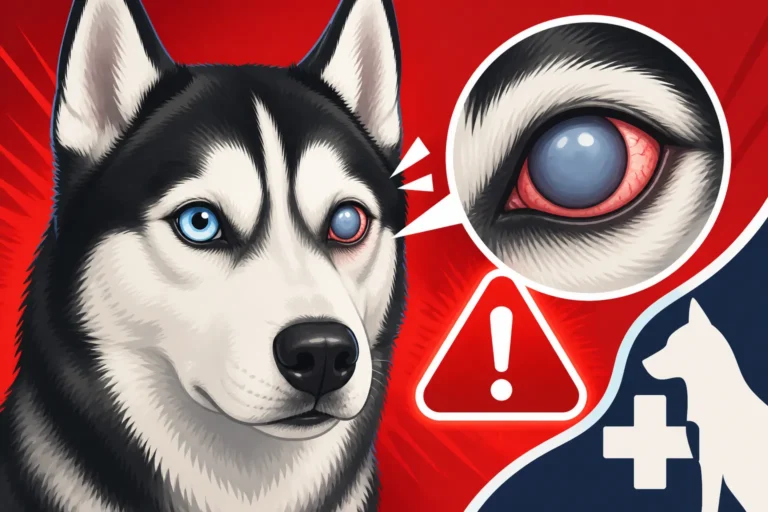
At its core, a cataract is an opacity or cloudiness that develops in the lens of your Husky's eye. Think of the lens as a tiny, clear window inside the eye, responsible for focusing light onto the retina at the back. When this window becomes cloudy, it’s like trying to look through a foggy pane of glass – vision becomes blurry, distorted, and eventually, can be completely blocked.
Siberian Huskies, unfortunately, are genetically predisposed to certain types of cataracts, which is a frustration many owners face. Sometimes, you might first notice it as a subtle haziness, especially in certain lighting. Other times, it can seem to appear quite rapidly. These can manifest as juvenile cataracts in Siberian Huskies, appearing early in life, sometimes before a year old. This is different from the age-related lens changes (called nuclear sclerosis) that often develop in older dogs and typically don't impair vision significantly. Cataracts actually block light, meaning the dog’s vision is truly compromised. The cloudiness can range from a tiny speck to a complete whiteout of the entire lens.
How Cataracts are Diagnosed
The first hint of a cataract often comes during a routine check-up with your general veterinarian. They might notice the cloudiness during a basic eye examination. However, for a definitive diagnosis and to understand the severity and type of cataract, a referral to a veterinary ophthalmologist is almost always necessary. These specialists have advanced equipment, like a slit lamp biomicroscope and an indirect ophthalmoscope, which allow them to get a detailed view of the entire eye structure, not just the front.
During this specialized exam, the ophthalmologist will be able to tell you if it's indeed a cataract, how mature it is (incipient, immature, mature, or hypermature), and if there are any secondary complications already developing. They can also differentiate it from other conditions that might look similar, such as Progressive Retinal Atrophy in Siberian Huskies or corneal dystrophy in the Siberian Husky. Early and accurate diagnosis is crucial for making informed decisions about your Husky's eye health and potential treatment options. It also helps to get a baseline for how quickly it might be progressing. The annual eye exam for a Siberian Husky is vital for catching these issues early.
The Decision to Leave a Cataract Untreated
The idea of not treating a cataract can bring a mix of relief (no surgery!) and anxiety (what if it gets worse?). It's a complex decision that hinges on many factors, and it's rarely a clear-cut "yes" or "no." Many owners feel guilt or confusion, wondering if they're doing the right thing for their loyal companion.
When It Might Be an Option And When It's Not
Leaving a cataract untreated might be considered in very specific, limited circumstances. For instance, if your Siberian Husky has a very small, incipient cataract (meaning it's just starting and only affects a tiny part of the lens) that doesn't seem to be progressing, and it's in one eye while the other eye remains perfectly clear, some owners, in consultation with their ophthalmologist, might opt for a watchful waiting approach. This is often seen in very elderly dogs where the risks of anesthesia for surgery might outweigh the benefits, especially if they have other significant health issues that impact their overall quality of life. In these cases, the focus shifts to comfort and managing any secondary problems that arise.
However, in the vast majority of cases, particularly with cataracts that are maturing (immature, mature, or hypermature) or those caused by genetic predisposition, leaving a cataract alone is usually not the best or safest long-term solution. Huskies are active dogs, and their ability to navigate their world is paramount to their happiness. When both eyes are affected, or even one eye with a significant cataract, their vision is seriously compromised, impacting their ability to run, play, and interact safely. The frustration of seeing your Husky bump into things or hesitate in dim rooms is a common experience for owners dealing with this. It's a difficult reality, but many cataracts are progressive, meaning they will get worse over time, regardless of diet or lifestyle.
Potential Risks and Complications of Non-Treatment
This is where the true gravity of leaving a cataract untreated becomes clear. While it might seem like a less invasive choice initially, it opens the door to a host of painful and debilitating secondary conditions that can severely impact your Husky's well-being.
- Progressive Blindness: The most obvious risk is the eventual loss of sight. As the cataract matures, more of the lens becomes opaque, further reducing and eventually eliminating vision. A blind Husky can still live a happy life, but it requires significant adaptation and vigilance from owners.
- Secondary Glaucoma: This is one of the most serious complications. As the cataract breaks down, the proteins can leak out into the eye's interior. This debris can block the natural drainage pathways for the fluid inside the eye, leading to a dangerous buildup of pressure. This condition, known as glaucoma, is incredibly painful and can lead to irreversible blindness very quickly. Glaucoma is a Siberian Husky emergency and requires immediate veterinary attention to save sight or, at the very least, alleviate pain.
- Uveitis (Inflammation): The leaking proteins from a cataract can also trigger a severe inflammatory response inside the eye, called uveitis. This causes significant pain, redness, light sensitivity, and can further damage other delicate eye structures. Untreated uveitis can lead to synechia (adhesions), retinal detachment, and ultimately, permanent blindness.
- Lens Luxation: In some cases, as the lens changes, the structures holding it in place can weaken, causing the lens to dislocate (luxate) either forward into the front of the eye or backward into the vitreous humor. A luxated lens, especially if it moves forward, is an emergency and can cause acute pain and glaucoma.
These complications don't just reduce vision; they are genuinely painful for your dog. Imagine living with a constant headache or eye pressure. It’s a sad reality, and it's why monitoring is so critical, even if you initially choose not to pursue surgery.
Managing Life with an Untreated Cataract
If the decision is made, in collaboration with your veterinary ophthalmologist, to manage a cataract without surgery—perhaps due to age, concurrent health issues, or the early stage of the cataract—your focus shifts to making your Husky's life as comfortable and safe as possible. This involves proactive changes to their environment and diligent ongoing care. Many owners find this aspect challenging, as it requires constant awareness of their dog's limitations.
Adapting the Home Environment
Living with a vision-impaired dog requires patience and consistency. Huskies thrive on routine and knowing their surroundings, so maintaining stability is key.
- Keep Things Consistent: Resist the urge to frequently rearrange furniture. Your Husky will memorize the layout of your home, and consistent paths will become their navigation system. If you absolutely must move something, guide them around the new obstacle several times.
- Create Safe Paths: Ensure pathways are clear of clutter, shoes, or bags that could trip them. Baby gates can be invaluable for blocking off stairs or areas that might pose a risk.
- Use Scent and Sound Cues: Place scent markers (like a drop of essential oil on a cotton ball, placed safely out of reach) near doorways, food bowls, or their bed. This helps them identify key locations. Talk to your Husky frequently as you move around the house, letting them know where you are. jingling your keys before entering a room or tapping your foot can also serve as an auditory cue.
- Outdoor Safety: Outside, a securely fenced yard is non-negotiable. Even with partial sight, their prey drive is strong, and a compromised vision makes them even more vulnerable to dangers if they escape. A secure leash and harness are essential for walks, even in familiar areas. Always survey new walking routes for potential hazards. Many Huskies, even those with limited vision, love their time outdoors, so making it safe is paramount.
Ongoing Monitoring and Care
Even if you opt against surgical intervention, leaving a cataract alone does not mean ignoring it. Regular veterinary oversight is essential to catch and manage any secondary complications.
- Frequent Vet Visits: Schedule regular check-ups with your primary vet and, if possible, your veterinary ophthalmologist. These visits aren't just for monitoring the cataract's progression, but critically, to check for signs of inflammation (uveitis) or increased intraocular pressure (glaucoma). Early detection of these secondary issues is vital for pain management and preventing further damage. Your vet might suggest pressure checks for a Siberian Husky every few months, depending on the cataract's maturity.
- Medication for Secondary Issues: If your Husky develops uveitis or glaucoma secondary to the cataract, your vet will likely prescribe eye drops or oral medications. These are typically anti-inflammatory drugs (like topical steroids) or pressure-reducing medications. Administering these precisely as directed is crucial for your dog's comfort and to preserve any remaining vision. This can become a standing bill, so budgeting for it is important, and pet insurance like Healthy Paws often helps cover these ongoing medical expenses.
- Overall Health Support: While diet won't reverse a cataract, ensuring your Husky receives a balanced, high-quality diet and appropriate supplements (as recommended by your vet) can support their overall health, including their vision. Maintaining a healthy Siberian Husky weight is also important to prevent undue stress on their body.
Considering Cataract Surgery and Its Alternatives
The prospect of eye surgery for your Siberian Husky can be daunting, both emotionally and financially. It’s a big step, but for many, it offers the best chance at restoring vision and preventing painful complications. The relief of seeing your dog navigate the world with confidence again is immeasurable.
When Surgery Becomes the Recommended Path
For most healthy Siberian Huskies with significant vision loss due to cataracts, surgery (phacoemulsification) is the gold standard for restoring sight. It's truly incredible what modern veterinary ophthalmology can achieve.
- Restoring Quality of Life: The primary benefit of surgery is to restore functional vision, allowing your Husky to see clearly again. This means they can play fetch, navigate stairs, avoid obstacles, and simply enjoy their environment more fully. This dramatically improves their quality of life and engagement with the world.
- Preventing Painful Complications: As discussed, cataracts can lead to painful secondary conditions like glaucoma and uveitis. Surgery removes the source of these problems, effectively preventing them or halting their progression. This proactive approach ensures your Husky isn't living with chronic discomfort.
- High Success Rates: When performed by an experienced board-certified veterinary ophthalmologist, cataract surgery in dogs has a very high success rate – often above 90% in suitable candidates. The procedure involves using ultrasonic waves to break up and remove the cloudy lens, which is then typically replaced with an artificial intraocular lens (IOL). This is a precise and specialized procedure that can truly be life-changing for your dog. For more detailed information, you can research topics like Cataract Surgery on a Siberian Husky.
The Importance of Professional Veterinary Consultation
The decision to pursue or forego cataract surgery is a deeply personal one, but it absolutely must be made in close collaboration with your veterinary ophthalmologist. They are the experts who can assess your Husky's individual situation and guide you through the process.
- Individualized Assessment: An ophthalmologist will perform a thorough examination, including electroretinography (ERG) to ensure the retina is healthy enough to benefit from surgery, and an ocular ultrasound to rule out any underlying issues behind the cataract. They will consider your Husky's age, overall health (including the Siberian Husky Lifespan and What Shortens It factors), temperament, and the presence of any other medical conditions. They will also look at the stage of the cataract, for example, whether it's an immature cataract that's progressing, or a hypermature cataract with secondary complications.
- Weighing Pros and Cons: Your ophthalmologist will discuss the potential benefits of surgery (restored vision, pain prevention) against the risks (anesthesia, potential complications, cost, and extensive post-operative care). They can help you understand the long-term commitment of Caring for a Siberian Husky Past Ten with or without sight.
- Financial Considerations: Cataract surgery is a significant investment. Discussing the costs upfront and exploring options like pet insurance can help you make an informed decision. Many owners find that a comprehensive policy from providers like Healthy Paws can be invaluable for covering a large percentage of specialist care, including eye surgeries. It's often recommended to enroll in pet insurance when your Husky is young and healthy to avoid pre-existing condition exclusions, especially for breed-specific issues like those mentioned in The Three Eye Diseases a Siberian Husky Faces.
Ultimately, you are your Husky's advocate. Having an open, honest conversation with your veterinary team about your concerns, your dog's personality, and your family's capabilities will lead to the best possible outcome for your furry friend.
Here's a quick comparison of factors to consider when deciding on treatment:
| Feature | Leaving Cataract Untreated | Pursuing Cataract Surgery |
|---|---|---|
| Initial Cost | Lower (monitoring, medication for secondary issues) | Higher (specialist consultation, surgery, post-op meds) |
| Vision Outcome | Progressive vision loss, potential blindness | Potential restoration of functional vision |
| Pain Risk | High risk of secondary painful conditions (glaucoma, uveitis) | Significantly reduced risk of secondary painful conditions |
| Quality of Life | Requires significant owner adaptation, potential stress/frustration for dog | Enhanced independence, greater enjoyment of activities |
| Ongoing Care | Regular monitoring for complications, potential daily eye drops | Intensive post-operative care initially, long-term monitoring |
| Ideal Candidate | Very elderly dogs with other health issues, very small/non-progressive cataracts, one eye affected | Generally healthy dogs with good retinal function, significant vision impairment, both eyes affected |
| Recovery Period | No surgical recovery, but adaptation period to vision loss | Weeks of strict activity restriction, eye drop administration, vet check-ups |
| Pet Insurance Coverage | Healthy Paws might cover ongoing medications/monitoring if not pre-existing | Healthy Paws often covers a large portion of specialist surgery if not pre-existing |
Remember, the goal is always to ensure your Siberian Husky has the best possible quality of life, whether that means managing vision loss or actively restoring their sight. Knowing what an ophthalmologist checks in a Siberian Husky during these crucial exams can really prepare you.
Disclaimer
The information provided in this article is for general informational purposes only and is not a substitute for professional veterinary advice. Always consult with a qualified veterinarian or veterinary ophthalmologist for any health concerns or before making any decisions about your Siberian Husky's medical care.