Diet Changes That Help Husky Zinc Absorption
It’s incredibly frustrating when you see your beloved Siberian Husky struggling with dry, flaky skin, crusting around their eyes or mouth, or even thinning fur. You try everything, from fancy shampoos to different foods, only to find the problem persists or even worsens. Often, the hidden culprit behind these vexing skin issues in our Huskies isn't an allergy or poor grooming, but a tricky genetic quirk: zinc malabsorption. This guide is here to unravel the mystery of why Huskies struggle with zinc and, more importantly, to walk you through the specific dietary adjustments that can genuinely help your Husky absorb this vital mineral more effectively, making a real difference to their comfort and health.
The Unique Challenge of Zinc Absorption in Siberian Huskies
Siberian Huskies are magnificent dogs, known for their stunning looks, boundless energy, and spirited independence. But beneath that beautiful double coat lies a predisposition to a specific health challenge: zinc-responsive dermatosis. This isn't just a simple deficiency; it's often a problem with how their bodies process and utilize zinc, even if their diet seems adequate on paper. It's a frustrating reality for many owners, watching their dog suffer despite their best efforts.
Why Siberian Huskies Struggle with Zinc Processing
Unlike many other breeds, Siberian Huskies, along with Alaskan Malamutes and Samoyeds, have a genetic anomaly that makes them less efficient at absorbing zinc from their digestive tracts. It’s not necessarily that there isn’t enough zinc in their food; it’s that their bodies have trouble pulling it out and using it. This can lead to a condition called Zinc-Responsive Dermatosis in the Siberian Husky. Imagine having a beautiful car but a faulty fuel pump – no matter how much gas you put in, the engine isn’t getting what it needs. That's often what's happening with zinc in a Husky. This genetic quirk means that what works for a Labrador or a Golden Retriever simply won't cut it for a Husky. It means that while a balanced diet is important for all dogs, for a Husky, specific considerations for zinc are absolutely paramount.
Recognizing the Telltale Signs of Zinc Deficiency
The most common and visible signs of poor zinc absorption in Siberian Huskies manifest on their skin and coat. You might notice dry, scaly patches, particularly around the eyes, mouth, chin, ears, and paw pads. Often, these areas can become crusty, thickened, and inflamed, leading to itching and discomfort. In severe cases, secondary bacterial or yeast infections can develop, making the problem even worse. Affected Huskies might also experience hair loss, dullness of the coat, or a general "unthrifty" appearance. Less commonly, but equally distressing, some Huskies might show lethargy, loss of appetite, or even immune system issues because zinc plays such a critical role in overall health. You might even notice Crusting Skin on a Siberian Husky's Face, which is a classic symptom. Sometimes, these issues can start quite early in life, and understanding The Age Husky Zinc Dermatosis Starts can help with early intervention.
Specific Diet Changes to Boost Zinc Absorption
When you’re dealing with a Siberian Husky and zinc-responsive dermatosis, simply changing their kibble might not be enough, but specific dietary modifications can certainly play a supportive role alongside medical intervention. The goal is two-fold: increase the bioavailability of zinc and remove ingredients that actively inhibit its absorption.
Prioritizing Highly Digestible Protein Sources
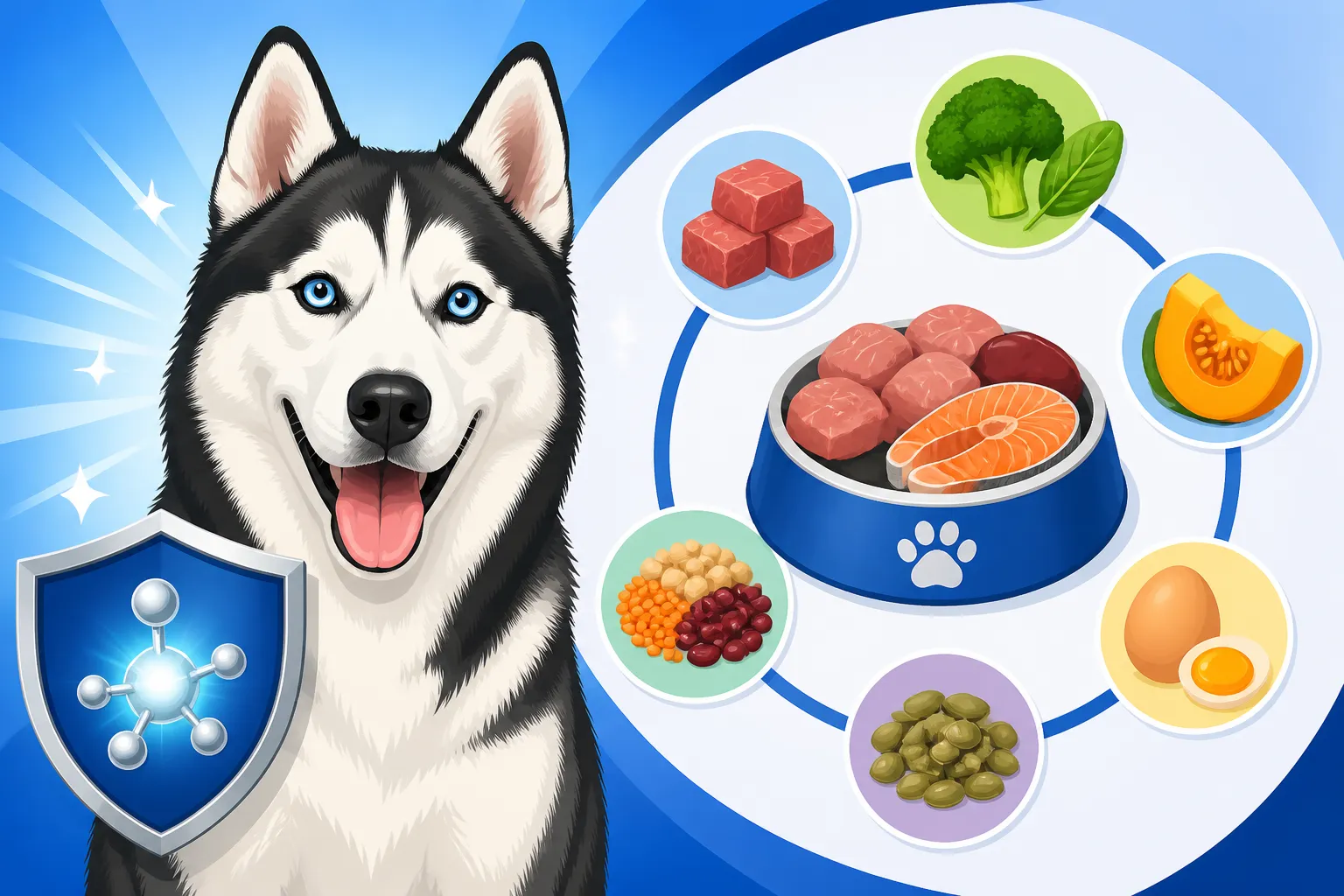
One of the cornerstones of improving nutrient absorption, including zinc, is feeding a diet rich in high-quality, highly digestible protein. Animal-based proteins are generally better sources of bioavailable zinc than plant-based ones. Look for foods where meat, poultry, or fish are the primary ingredients. Think chicken, turkey, beef, lamb, and various fish like salmon or cod. These sources not only provide ample zinc but also come with amino acids that can facilitate zinc uptake.
For example, a diet primarily based on chicken meal and rice, while common, might not be as effective as one featuring whole meats and a more diverse protein profile. Consider options that list multiple animal protein sources in the top ingredients. Some owners have found success with fresh or gently cooked diets that are formulated by veterinary nutritionists, as these can be tailored to maximize nutrient absorption. The easier the protein is for your Husky's system to break down and utilize, the more likely they are to absorb the zinc that comes with it.
Minimizing Zinc Absorption Inhibitors
This is where diet changes really shine as a proactive measure. Certain ingredients commonly found in commercial dog foods can significantly hinder zinc absorption. The main culprits are phytates and excessive calcium.
- Phytates: These compounds are found in the outer husks of grains, legumes, nuts, and seeds. They bind to minerals like zinc (and iron, calcium, magnesium), forming insoluble complexes that the body cannot absorb. While some grain-free diets might seem like a good option to avoid phytates, it’s not always a clear-cut solution, as they often substitute grains with other high-phytate ingredients like peas, lentils, or potatoes. If you're looking at grain-inclusive diets, opting for refined grains over whole grains (though generally less nutritious) might sometimes be a consideration, or focusing on thoroughly cooked and processed grains where phytate content is reduced. However, a better approach is to prioritize diets with lower overall phytate loads.
- Excessive Calcium: Too much calcium in the diet can compete with zinc for absorption pathways, effectively reducing the amount of zinc that gets into your Husky's system. This is especially important if you're supplementing with calcium for other reasons or if your Husky is eating a food very high in calcium, perhaps formulated for large breed puppies or certain life stages. It’s a delicate balance; calcium is essential, but too much can be detrimental to zinc absorption. Always check the calcium-to-phosphorus ratio in your dog's food. A general guideline is a ratio of 1.2:1 to 1.4:1.
When selecting a food, really scrutinize the ingredient list. If peas, lentils, or potatoes are among the first few ingredients, it might be worth exploring other options. While a perfectly Balanced Diet Does Not Fix Husky Zinc Loss entirely, avoiding these inhibitors can make a meaningful difference in how well your Husky uses the zinc they do consume.
Considering Zinc-Rich Food for a Siberian Husky
Beyond avoiding inhibitors, actively seeking out foods naturally higher in bioavailable zinc can also be beneficial. Red meats, organ meats (like liver), and certain fish are excellent natural sources. Oysters, for instance, are incredibly rich in zinc, but they aren't practical for daily dog feeding.
Here’s a small table outlining some food components and their general impact on zinc absorption for your Husky:
| Food Component | Zinc Content (General) | Impact on Absorption | Notes |
|---|---|---|---|
| Red Meats (Beef, Lamb) | High | Good (highly bioavailable) | Excellent natural source, often included in high-quality dog foods. |
| Poultry (Chicken, Turkey) | Moderate to High | Good (highly bioavailable) | Widely available, good base for many diets. |
| Organ Meats (Liver) | High | Good | Nutrient-dense, but feed in moderation as part of a balanced diet. |
| Fish (Salmon, Sardines) | Moderate | Good (omega-3s also beneficial for skin) | Good source, especially oily fish. |
| Eggs | Moderate | Good | Versatile and nutritious, easily digestible. |
| Grains (e.g., Corn, Soy) | Varies | Poor (high in phytates, inhibits absorption) | Can be problematic due to phytates; choose carefully or avoid in severe cases. |
| Legumes (Peas, Lentils) | Moderate | Poor (high in phytates, inhibits absorption) | Common fillers, can significantly reduce zinc uptake. |
| Dairy Products | Varies | Can inhibit due to high calcium, especially cheese | Feed in moderation; some Huskies are also lactose intolerant. |
Remember, this information is for general guidance. Always consult with your veterinarian or a veterinary nutritionist to formulate a diet specifically for your Husky’s individual needs.
The Combined Approach: Diet and Supplementation
While diet plays a crucial role, for many Siberian Huskies with clinical zinc-responsive dermatosis, diet alone is often not enough. Their unique metabolic issue usually requires direct zinc supplementation to truly manage the condition. Think of diet as creating the best possible environment for absorption, and supplementation as providing the necessary extra boost to overcome the genetic hurdle.
Understanding the Role of Zinc Supplements
If your Husky is diagnosed with zinc-responsive dermatosis, your vet will almost certainly prescribe zinc supplements. These come in various forms, such as zinc sulfate, zinc gluconate, or zinc methionine. Zinc methionine is often favored because it’s a chelated form, meaning the zinc is bound to an amino acid, which can improve its absorption and reduce gastrointestinal upset. Your vet will determine the appropriate Zinc Doses Used in Siberian Huskies based on their weight, the severity of their condition, and their response to treatment.
It’s crucial to follow your vet's dosing instructions precisely. Giving too much zinc can lead to toxicity, which can cause vomiting, diarrhea, anemia, and even liver or kidney damage. This highlights Why Too Much Zinc Hurts a Siberian Husky. Therefore, never start supplementation without veterinary guidance. For more in-depth information on different supplement types, you might want to look into Which Zinc Supplement a Siberian Husky Takes.
Long-Term Management and Veterinary Partnership
Zinc-responsive dermatosis in Siberian Huskies is typically a lifelong condition. This means that once your Husky is diagnosed and begins treatment, they will likely need Whether a Husky Needs Zinc for Life to keep their symptoms under control. Regular veterinary check-ups are essential to monitor their progress, adjust medication dosages as needed, and screen for any potential side effects.
Your vet might recommend regular blood tests to check zinc levels, liver enzymes, and red blood cell counts. These Wellness Visit Costs for a Siberian Husky are part of managing a chronic condition. It’s also important to be aware that while dietary changes can help optimize absorption, they rarely replace the need for therapeutic zinc doses. For owners managing chronic conditions, understanding your pet insurance policy with providers like Healthy Paws can provide peace of mind regarding diagnostic tests and long-term care, as these conditions often involve ongoing specialist visits and medication. Don't be shy about discussing these financial aspects with your vet or your insurance provider like Healthy Paws.
Beyond Diet: Environmental and Health Considerations
While diet and supplementation are central to managing zinc absorption in your Husky, there are a few other elements to consider that contribute to their overall skin health and well-being. Thinking holistically about their environment and other potential health issues can provide even greater relief and support.
The Impact of Environmental Stressors
Stress, whether from environmental changes, anxiety, or even over-exercise, can sometimes exacerbate skin conditions. While not directly impacting zinc absorption, a stressed Husky might chew or scratch more, irritating already sensitive skin. Ensuring your Husky has a stable, predictable routine, adequate mental stimulation, and a comfortable, stress-free living environment can indirectly support their recovery and overall skin health. For example, some Huskies might react to new household products or extreme weather conditions, so keeping an eye on their environment is always a good idea.
Distinguishing Zinc Deficiency from Other Skin Issues
It's really easy to mistake zinc-responsive dermatosis for other common skin problems, and this is a common frustration for Husky owners. Allergies, for instance, can present with similar itching, redness, and skin lesions. However, the pattern of lesions (often around the face and paws) and the lack of response to typical allergy treatments can hint that zinc is the true underlying issue. Fungal or bacterial infections can also cause similar symptoms.
This is why a proper veterinary diagnosis is critical. Your vet might perform skin scrapings, biopsies, or blood tests to rule out other conditions and confirm zinc-responsive dermatosis. Without an accurate diagnosis, you could be spending time and money on treatments that simply don't work for your Husky's specific problem. Understanding Telling Husky Zinc Dermatosis From an Allergy is crucial for effective treatment. Consulting your vet is paramount, and it's worth checking if your pet insurance, like Healthy Paws, offers coverage for specialist consultations or prescription diets if recommended for these differential diagnoses.
Monitoring for Ongoing Health
Even with proper diet adjustments and supplementation, continuous monitoring is key. Look for improvements in skin quality, a reduction in crusting, and the regrowth of healthy fur. It might take several weeks or even a couple of months to see significant changes, so patience is a virtue here. Keep a journal of your Husky's symptoms, diet changes, and any supplements given, along with photos, to share with your vet. This detailed information will be invaluable for tracking progress and making informed decisions about their care. Remember, the goal is not just to treat symptoms but to provide your Husky with the best quality of life possible, and a proactive approach to their health needs, potentially supported by a pet insurance plan from a provider like Healthy Paws, is part of that commitment.
Disclaimer
This article is intended for informational purposes only and does not constitute veterinary advice. Always consult with a qualified veterinarian or veterinary nutritionist for any health concerns or before making any changes to your pet's diet or treatment plan. Individual results may vary.