A Siberian Husky Limping After Long Runs
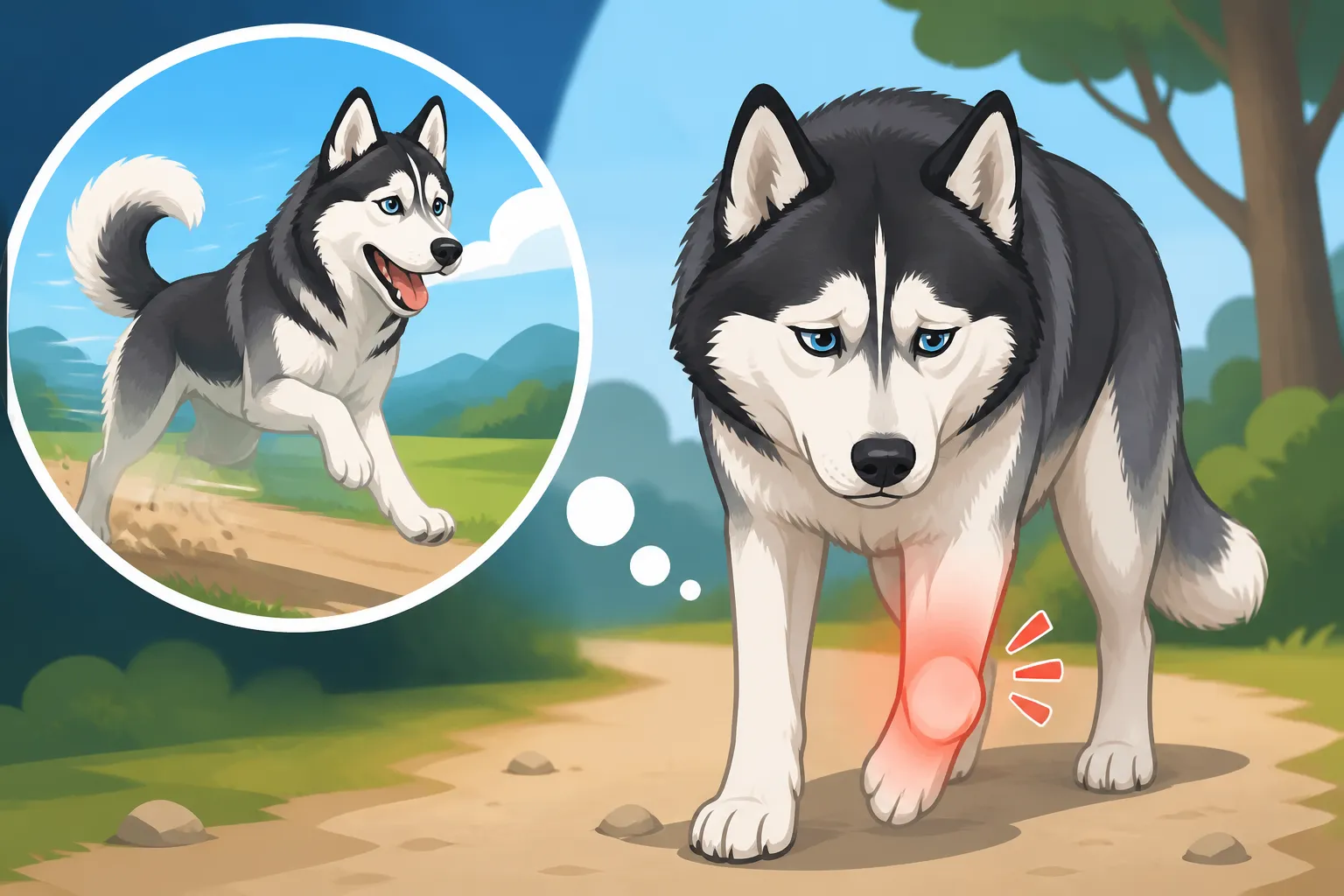
It's truly unsettling when your usually boundless Siberian Husky, a dog bred for endurance and powerful movement, suddenly comes up limping after what you thought was a fantastic run or adventure. That immediate pang of worry, the frantic checking of paws, and the mental replay of the entire activity are common reactions for any dedicated Husky owner. This guide aims to demystify why your spirited companion might be limping after their exercise and what steps you can take to help them.
Understanding the Root Cause of Post-Run Limping in Your Siberian Husky
Siberian Huskies are incredible athletes, built for stamina and pulling power. Their unique physiology makes them adept at covering long distances, but even the toughest dogs are susceptible to injuries, especially after intense physical activity. A limp, no matter how subtle, is always a signal that something isn't quite right, and it's your job to play detective.
Distinguishing Minor Aches from Serious Injury
Sometimes, a limp is just a sign of minor muscle fatigue or a small bruise, much like how we might feel after an unaccustomed sprint. Other times, it can be indicative of something far more serious that requires immediate veterinary attention. The key is careful observation and knowing what to look for beyond just the visible limp. A mild, intermittent limp that disappears after a few minutes of rest or a slight shake-out might simply be a cramp or minor soreness. However, a persistent limp, refusal to bear weight, swelling, or obvious pain should always be treated as a potentially serious issue.
It’s crucial not to dismiss a limp just because your Husky seems to "walk it off" after a bit. Their stoic nature and high pain tolerance, remnants of their working breed heritage, can often mask significant discomfort. They might push through pain longer than other breeds, making it harder for us to gauge the severity of an issue.
Age and Activity Level Play a Role
A young, growing Husky puppy (especially one still developing its bones and joints) will have different vulnerabilities than a seasoned adult working dog or an older, more sedate companion. For instance, growth plate injuries are a concern in puppies, while arthritis or degenerative joint disease becomes more common as your Husky enters their senior years. The type of activity also matters; a fast, agility-style run with sharp turns can strain different areas than a long, steady trot on a leash. Recognizing your Husky's life stage and typical activity level helps narrow down potential culprits.
Consider the recent changes in their routine. Did you introduce a new running path with different terrain? Did they have an extra-long session at the park or a particularly enthusiastic playdate? Even a subtle shift can reveal a weak point in their musculoskeletal system.
Immediate Steps When Your Husky Starts Limping
When you notice your Siberian Husky limping, the first instinct is often panic. But taking a calm, systematic approach is vital. Your immediate actions can prevent further injury and provide valuable information to your veterinarian.
Rest, Observe, and Isolate the Limp
As soon as you notice the limp, the very first thing to do is stop the activity. Don't try to "power through" it or assume they'll just work it out. Get your Husky to a safe, quiet spot and encourage them to rest. If you're on a trail, this might mean a slow, supported walk back to the car. Once settled, watch them carefully.
Try to identify which leg is affected and how they are limping. Are they toe-touching? Refusing to put any weight down? Hopping? Limping more after rest or more after continued movement? This detailed observation is incredibly important for your vet. Gently check their paws for any obvious injuries – thorns, cuts, broken nails, or trapped debris. Sometimes the solution is as simple as removing a small pebble.
Gentle Examination and Palpation
With your Husky calm, perform a gentle, systematic examination of the affected limb, from paw to hip/shoulder. Start by checking the paw pads for cuts, punctures, blisters, or foreign objects. Look between the toes. Flex and extend each toe, then move up the leg. Gently feel each joint (ankle, knee, elbow, shoulder, hip) for heat, swelling, or pain response. Compare it to the corresponding joint on the opposite, unaffected leg. Move slowly and watch your Husky's reactions. If they flinch, whine, or try to pull away, you've likely found a tender spot.
Remember, if your Husky is in significant pain or shows any aggression, stop the examination and seek professional help immediately. You don't want to risk further injury to them or yourself. Document everything you find – swelling, warmth, specific pain points – and also note what isn't there, like obvious breaks or deep lacerations. This information will be invaluable for your vet, especially if you have pet insurance like Healthy Paws, which will cover diagnostic tests.
Common Injuries and Conditions Leading to Post-Run Limping
Siberian Huskies are generally robust, but their active lifestyle and unique genetics can predispose them to certain types of injuries and conditions that manifest as limping after exercise.
Paw Pad Injuries
This is often the simplest and most common reason for a post-run limp. Think about what your Husky's paws are exposed to: sharp rocks, broken glass, hot pavement, icy surfaces, burrs, thorns, or even chemical irritants. Paw pads can get cut, punctured, bruised, or worn raw from excessive friction.
A cut or puncture wound might bleed, while a bruise might just make the paw tender. Overly long nails can also cause discomfort or even tear into the quick, leading to a noticeable limp. Keeping your Husky's nails trimmed and inspecting their paws after every outing, especially on rough terrain, is crucial. If you're running on challenging surfaces, consider Booties for Siberian Husky Paws If you spot a minor cut, clean it with an antiseptic wash and cover it. For deeper wounds or persistent bleeding, a vet visit is essential.
Muscle Strains and Sprains
Just like human athletes, Huskies can pull muscles or sprain ligaments. A strain involves muscles or tendons, while a sprain affects ligaments that connect bones at a joint. These often occur during sudden movements, quick stops, awkward landings, or overextension. A common example is a strain in the shoulder or hip area from an intense burst of speed or an unexpected twist.
The symptoms often include pain, swelling (though it might be subtle), and reluctance to use the limb. The limp might be more pronounced immediately after the incident and lessen with rest, only to reappear when activity resumes. Rest is the primary treatment for these types of injuries, along with anti-inflammatory medication prescribed by your vet. While recovering, avoid pushing your Husky to exercise, as it can worsen the injury. This is where having a reliable pet insurance plan, such as one from Healthy Paws, can make a real difference, as diagnostics and medications can add up quickly.
Cruciate Ligament Tears
This is a more serious injury, often seen in active dogs, including Siberian Huskies, though they are statistically less prone than some other large breeds. The cranial cruciate ligament (CCL), analogous to the ACL in humans, stabilizes the knee joint. A partial or complete tear of this ligament causes instability and significant pain, resulting in a sudden, often severe limp, where the dog might refuse to put weight on the leg.
Cruciate tears can happen acutely (a sudden tear during play or running) or degenerate over time, with a small tear gradually worsening. If you suspect a cruciate tear, immediate veterinary attention is necessary. Diagnosis usually involves physical examination, including the "cranial drawer" test, and sometimes X-rays. Treatment often involves surgery, which can be costly but is highly effective in restoring stability. You can learn more about Cruciate Tears in Working Siberian Huskies.
Arthritis and Joint Degeneration
While Huskies are known for good hip health, they are not immune to arthritis, especially as they age or if they've experienced previous joint injuries. Arthritis is the inflammation of a joint, leading to pain, stiffness, and reduced mobility. You might notice your Husky limping more after resting, especially first thing in the morning or after a nap, and "warming up" out of it. Cold or damp weather can exacerbate symptoms.
Arthritis can affect any joint but is often seen in hips, knees, and elbows. It can be secondary to developmental issues like hip or elbow dysplasia (though Siberian Husky Hips and Why the Rate Is Low) or a result of wear and tear over time. Managing arthritis involves a multi-modal approach, including pain medication, joint supplements (glucosamine, chondroitin, omega-3s), weight management (read more about Siberian Husky Weight and Joint Health), and controlled exercise. Recognizing Early Arthritis Signs in a Siberian Husky, and getting a diagnosis is key to starting timely management and improving their quality of life, especially as you begin Caring for a Siberian Husky Past Ten.
Other Potential Causes
- Fractures or Dislocations: While less common from a typical run, a severe impact or fall could result in a bone fracture or joint dislocation. These are typically excruciatingly painful, with obvious swelling, deformity, or refusal to bear any weight.
- Osteochondritis Dissecans (OCD): This is a developmental orthopedic disease that primarily affects rapidly growing large breed puppies. It involves a disturbance in cartilage development in joints like the shoulder, elbow, or knee. It often presents as a persistent limp in young dogs.
- Bone Cancer (Osteosarcoma): Unfortunately, bone cancer can occur in older large breed dogs and often presents as lameness that progressively worsens, sometimes with swelling in the affected limb. It's a devastating diagnosis but worth considering if a limp persists without clear cause in an older Husky.
- Spinal Issues: Sometimes a limp that appears to be in a leg is actually referred pain from a back or neck issue, such as intervertebral disc disease (IVDD). This might be accompanied by weakness, wobbliness, or changes in gait.
Here's a quick comparison of common limping causes:
| Cause | Symptoms | Immediate Action | Veterinary Action |
|---|---|---|---|
| Paw Pad Injury | Visible cut, puncture, blister, foreign object, bleeding, tenderness, licking paw | Inspect paw thoroughly, clean minor wounds, remove debris. | Deep cleaning, antibiotics, stitches for deep cuts, bandaging. |
| Muscle Strain/Sprain | Mild to moderate limp, tenderness to touch, subtle swelling, pain on movement, may improve with rest | Rest immediately, gentle palpation, cold compress. | Anti-inflammatories, pain meds, restricted activity, physical therapy. |
| Cruciate Ligament Tear | Sudden, often severe lameness, refusal to bear weight, "toe-touching" stance, knee instability | Strict rest, prevent jumping/running, keep calm. | Physical exam (cranial drawer test), X-rays, possible surgery, physical therapy. |
| Arthritis | Stiffness, limping (especially after rest), "warming out" of stiffness, reduced activity/play, creaking joints | Observe patterns, gentle heat (warm compress), soft bedding. | X-rays, pain management (NSAIDs), joint supplements, weight control, laser therapy. |
| Fracture/Dislocation | Extreme pain, refusal to bear weight, visible deformity, swelling, possible open wound, severe distress | Immobilize limb if possible, transport carefully, muzzle if necessary. | X-rays, pain control, casting/splinting, surgery. |
Preventing Limping and Supporting Your Husky's Joint Health
Prevention is always better than cure, especially when it comes to the long-term health and mobility of your active Siberian Husky. There are many steps you can take to minimize the risk of injury and support their joints throughout their life.
Proper Warm-Up and Cool-Down Routines
Imagine trying to sprint without stretching – ouch, right? Your Husky is no different. Before any strenuous activity, a proper warm-up is crucial. This doesn't need to be complicated; a 5-10 minute leash walk at a brisk pace will increase blood flow to muscles and prepare joints for more intense work. A few gentle stretches, if your Husky tolerates them (like controlled leg extensions or "bows"), can also be beneficial.
Equally important is a cool-down. After a long run or intense play, don't just crate them or let them crash on the couch. A 5-10 minute slower walk allows their heart rate to normalize, muscles to cool down gradually, and metabolic waste products to clear, reducing stiffness and soreness. Think of it as releasing the tension after a good workout.
Appropriate Exercise Regimen
While Huskies are built for endurance, "more" isn't always "better." Over-exercising a young Husky can lead to developmental orthopedic issues, as their growth plates are still open. For adult Huskies, ensuring the exercise matches their fitness level is key. Don't go from couch potato to marathon runner in a weekend. Gradually increase the duration and intensity of runs. Pay attention to their The Ages a Siberian Husky Changes Health-Wise.
Vary the terrain and type of exercise. Running on soft trails is easier on joints than repetitive pounding on pavement. Incorporate swimming, scent work, or brain games to give their bodies and minds a break while still providing enrichment. Also, be mindful of environmental factors; avoid intense exercise during the hottest parts of the day to prevent heatstroke, as Running a Siberian Husky in Summer Heat.
Nutrition and Joint Supplements
A high-quality diet that provides all essential nutrients is the foundation of overall health, including joint health. While specific joint-supportive foods are available, for most healthy Huskies, a balanced diet is sufficient. However, for older Huskies, those prone to joint issues, or working dogs, supplements can play a supportive role.
Common joint supplements include:
- Glucosamine and Chondroitin: These are building blocks for cartilage and can help slow its degradation and improve joint fluid quality.
- Omega-3 Fatty Acids (Fish Oil): These have natural anti-inflammatory properties that can help reduce joint pain and stiffness.
- MSM (Methylsulfonylmethane): Another compound known for its anti-inflammatory effects and role in connective tissue health.
Always consult your vet before adding any supplements to your Husky's diet. They can advise on appropriate dosages and whether a particular supplement is suitable for your dog's specific needs. For more comprehensive insights into their general health, remember that annual vet checks, which you can often defray the cost of with pet insurance like Healthy Paws, are critical.
Regular Vet Check-ups and Health Screening
Routine veterinary visits are essential for catching potential issues early. Your vet can assess your Husky's gait, palpate their joints, and recommend preventative measures. For breeders or those considering breeding, specific health screenings for conditions like hip and elbow dysplasia, as outlined in The Two Tests Siberian Husky CHIC Requires, are paramount to ensure healthy genetics are passed on.
For all Huskies, particularly as they mature, discuss any subtle changes in gait, reluctance to jump, or new stiffness with your vet. Early diagnosis of conditions like arthritis can lead to more effective management and a better quality of life. Don't wait until the limp is severe to seek professional advice. Proactive care, combined with good nutritional support and appropriate exercise, forms a robust defense against common causes of limping.
Maintaining a Healthy Weight
This point cannot be stressed enough: keeping your Siberian Husky at a healthy weight is one of the single most important things you can do for their joint health. Every extra pound puts additional stress on their joints, accelerating wear and tear, and exacerbating conditions like arthritis or increasing the risk of cruciate ligament injury.
It can be tempting to give in to those charming Husky eyes, but overfeeding is a disservice to their long-term health. Regularly assess your Husky's body condition score. You should be able to easily feel their ribs without seeing them, and they should have a discernible waist when viewed from above. If your Husky is overweight, work with your vet to create a safe and effective weight loss plan. This often involves adjusting food portions and increasing structured, low-impact exercise. Understanding Siberian Husky Weight and Joint Health is vital for their overall well-being.
When to Seek Veterinary Care
While some minor limps resolve with rest, it's crucial to know when to call in the professionals. Hesitating to seek veterinary care can lead to worsening an injury or prolonging your Husky's discomfort.
Signs That Warrant Immediate Veterinary Attention
Don't wait if you observe any of the following:
- Sudden, severe lameness: Your Husky is suddenly unable to put any weight on a limb.
- Obvious pain: Crying out, whimpering, flinching, or snapping when the limb is touched.
- Swelling or deformity: Any visible swelling, bruising, or an unnatural angle of the limb.
- Open wounds or profuse bleeding: Deep cuts, punctures, or bleeding that won't stop.
- Limping accompanied by other symptoms: Fever, lethargy, loss of appetite, vomiting, or diarrhea alongside the limp.
- A limp that doesn't improve with 24 hours of rest: If a mild limp persists or worsens after a day of strict rest, it's time for a vet visit.
These signs suggest a potentially serious injury that requires prompt diagnosis and treatment. Emergency veterinary care is crucial in such situations.
Preparing for Your Vet Visit
When you call your veterinarian, be prepared to provide as much detail as possible.
- When did the limping start?
- What was your Husky doing immediately before you noticed the limp?
- Which leg is affected?
- Is it constant or intermittent?
- Have you noticed any swelling, heat, or tenderness?
- Has your Husky's appetite, thirst, or bathroom habits changed?
- What medications or supplements are they currently on?
The more information you can provide, the better equipped your vet will be to narrow down the possible causes. If you have pet insurance, like a plan from Healthy Paws, make sure to inform your vet's office, as this can streamline the billing process for diagnostics and treatment. They may also be able to directly submit a claim, saving you time and upfront costs.
Taking a quick video of your Husky limping, especially if it's intermittent, can also be incredibly helpful for your vet to observe their gait in a natural setting. This detailed history, combined with a thorough physical examination and potentially diagnostic tests (X-rays, blood work), will help pinpoint the problem and get your beloved Husky back on all four paws. For conditions like chronic arthritis, exploring Pain Management for an Arthritic Siberian Husky will be an ongoing conversation with your veterinarian.
Disclaimer
The information provided in this article is for general informational purposes only and is not a substitute for professional veterinary advice. Always consult with a qualified veterinarian regarding any medical concerns or before making any decisions about your Siberian Husky's health or treatment plan.