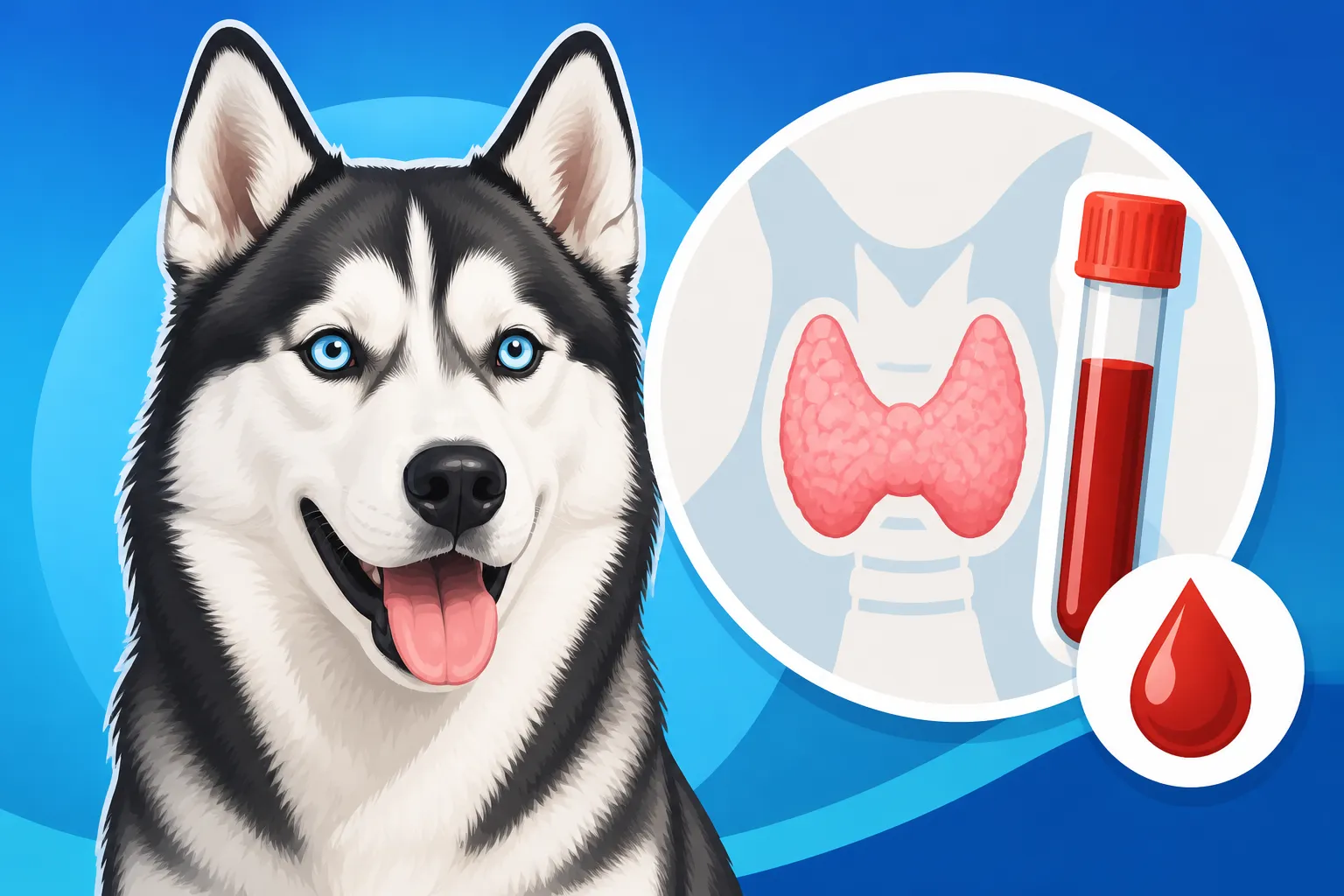
Thyroid Blood Panels for a Siberian Husky
It's incredibly frustrating when you start to notice subtle changes in your beloved Siberian Husky – a duller coat, a bit less energy, maybe even some weight gain – and you can't quite put your finger on what's going on. You might suspect something is off, but the thought of navigating complex medical tests and diagnoses can feel overwhelming. This guide is here to break down everything you need to know about thyroid blood panels for your Siberian Husky, helping you understand the process, interpret the results, and confidently advocate for your furry friend's health.
Understanding Your Siberian Husky's Thyroid Gland
The thyroid gland, a small, butterfly-shaped organ located in your husky's neck, plays a much larger role in their overall health than its size suggests. It's a powerhouse, producing hormones that regulate nearly every metabolic process in the body. When something goes awry with this gland, the ripple effect can be significant, impacting everything from their energy levels to the quality of their magnificent coat.
What the Thyroid Does for Your Husky's Body
Think of the thyroid hormones, primarily thyroxine (T4) and triiodothyronine (T3), as the body's master regulators. They control metabolism, which is how your husky converts food into energy. This impacts their heart rate, body temperature, digestion, muscle strength, skin health, and even brain function. A properly functioning thyroid ensures your husky has the energy to run and play, maintains a healthy weight, and keeps their double coat looking its best.
When thyroid hormone production slows down – a condition known as hypothyroidism – it's like the body's internal thermostat gets turned way down. Everything starts to slow. Your vibrant, energetic husky might become lethargic, gain weight despite no change in diet, or show signs of a dry, flaky, or thinning coat. This is often the first sign that alerts attentive owners to a potential problem, prompting a visit to the vet and a discussion about a Siberian Husky Thyroid and Autoimmune Disease diagnosis.
Why Huskies Can Be Prone to Thyroid Issues
Siberian Huskies, along with a few other breeds like Golden Retrievers and Doberman Pinschers, have a known predisposition to certain thyroid conditions, particularly autoimmune thyroiditis. This is where the dog's own immune system mistakenly attacks the thyroid gland, leading to its gradual destruction and decreased hormone production. It's a genetic lottery, unfortunately, and something responsible breeders screen for.
This genetic tendency means that when a husky exhibits symptoms consistent with hypothyroidism, veterinarians often move quickly to test their thyroid function. However, it's not always a straightforward diagnosis, as other factors can influence hormone levels, and huskies have a naturally lower metabolic rate compared to many other breeds. This can sometimes make their "normal" look a bit different on standard reference ranges, leading to complexities in interpretation that we'll dive into later. Understanding this breed-specific nuance is crucial to avoiding misdiagnosis.
Common Symptoms That Might Point to a Thyroid Problem
It's easy to dismiss a husky's slight slowdown as just "getting older" or "being lazy," but a constellation of symptoms should raise a red flag. Owners often report seeing a Siberian Husky Coat That Turns Dull and Thin, becoming dry, brittle, and prone to excessive shedding beyond their regular coat blows. Other tell-tale signs include:
- Lethargy and decreased activity: Your husky might be less enthusiastic about walks, sleep more, or just generally seem less engaged than usual.
- Weight gain: Despite no change in diet or exercise, they might start to pack on the pounds. This is a common and often frustrating symptom for owners who are already managing their husky's diet carefully to maintain a healthy Siberian Husky Weight and Joint Health.
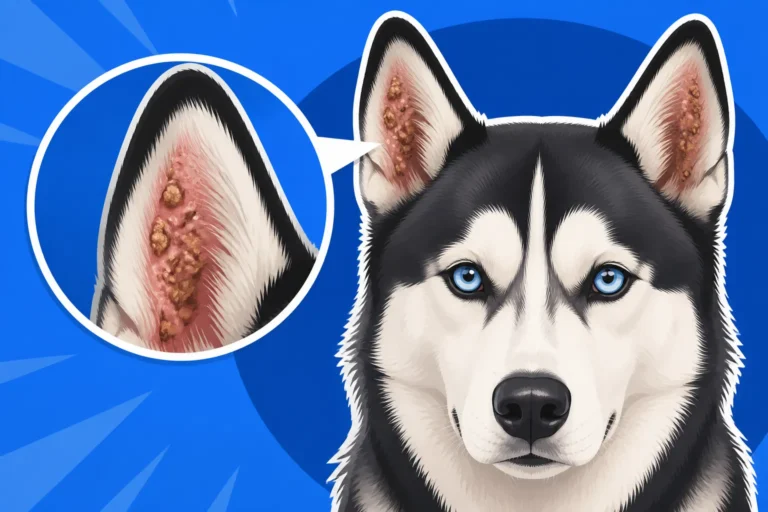
- Skin problems: Beyond the coat, you might notice dry, flaky skin, recurrent skin infections, or even hyperpigmentation (darkening of the skin), particularly in areas like the flanks.
- Cold intolerance: They might seek out warm spots more often or seem unusually sensitive to cooler temperatures, despite their thick double coat.
- Changes in temperament: Some huskies might become more irritable, anxious, or even aggressive due to feeling unwell.
- Muscle weakness or stiffness: They might have trouble getting up or down, or show a reluctance to jump.
If you're noticing a combination of these symptoms, especially if they seem to be progressing, it's definitely time to schedule an appointment with your veterinarian to discuss thyroid testing.
Navigating Thyroid Blood Panels for Diagnosis
So, you've noticed the signs, talked to your vet, and now it's time for blood work. This isn't just a simple yes-or-no test; a proper thyroid panel involves several different measurements to get a complete picture of what's happening internally. It’s important to understand what each test reveals, especially with a breed like the Siberian Husky, where a basic screening might not tell the whole story.
The Different Types of Thyroid Tests Available
When your vet draws blood for a thyroid panel, they’re typically looking at a few key markers:
- Total T4 (TT4): This is often the first test run. It measures both the bound and unbound (free) forms of thyroxine in the blood. While useful as an initial screen, it can be influenced by many non-thyroidal factors, such as certain medications (like steroids or seizure medications), other illnesses (known as "euthyroid sick syndrome"), or even recent stress.
- Free T4 (fT4): This measures only the unbound, biologically active form of T4. Because it's not bound to proteins in the blood, it's considered a more accurate indicator of the thyroid gland's function and is less affected by non-thyroidal factors than TT4. It's often recommended as a follow-up or included in a more comprehensive panel, especially for huskies.
- Total T3 (TT3) and Free T3 (fT3): Similar to T4, these measure total and free triiodothyronine. While T3 is a powerful hormone, it's often converted from T4 in peripheral tissues. Its levels are even more prone to fluctuations due to non-thyroidal illnesses and medications, making it less reliable for initial diagnosis of hypothyroidism in dogs. It's rarely used alone for diagnosis.
- Thyroglobulin Autoantibodies (TgAA): This is a crucial test for Siberian Huskies suspected of having autoimmune thyroiditis. It detects antibodies that attack the thyroid gland itself. A positive TgAA test indicates that the immune system is targeting the thyroid, confirming the autoimmune component. This is often present long before T4 levels drop significantly, making it an excellent early indicator of the disease.
For a comprehensive diagnosis, particularly in a breed predisposed to autoimmune issues, a combination of these tests is often preferred.
Why a Basic T4 Test Might Not Be Enough for a Husky
This is where the unique physiology of the Siberian Husky really comes into play. As I mentioned, huskies naturally tend to have lower baseline thyroid hormone levels compared to many other breeds. A standard "normal" range that works for a Golden Retriever might flag a perfectly healthy husky as hypothyroid if only a TT4 test is performed. This is a common pitfall that can lead to Why Husky Hypothyroidism Is Overoverdiagnosed.
Furthermore, conditions like "euthyroid sick syndrome," where an illness unrelated to the thyroid temporarily lowers thyroid hormone levels, can also confound results. A husky battling an infection or another health issue might show low T4, but their thyroid gland itself isn't the primary problem. This is why a full panel, ideally including fT4 and TgAA, is so important. It helps differentiate between true hypothyroidism, early-stage autoimmune disease, or a temporary dip due to other health stressors. Without this comprehensive approach, you might end up treating a problem that isn't truly there, or missing the real underlying cause.
What the Results of a Thyroid Panel Actually Mean
Once the results are back, your vet will look at them as a whole picture, not just individual numbers. Here’s a simplified breakdown:
| Test Abbreviation | What it Measures | Interpretation in Huskies |
|---|---|---|
| TT4 | Total Thyroxine | Often lower in healthy Huskies. Can be affected by illness, drugs. |
| fT4 | Free Thyroxine | More reliable indicator of actual thyroid function. Less affected by non-thyroidal factors. |
| TT3 | Total Triiodothyronine | Highly variable, not a primary diagnostic for hypothyroidism. |
| fT3 | Free Triiodothyronine | Less reliable than fT4 for diagnosis. |
| TgAA | Thyroglobulin Autoantibodies | Crucial for Huskies. Indicates autoimmune thyroiditis. Can be positive even if T4/fT4 are still normal in early stages. |
If both TT4 and fT4 are consistently low, and especially if TgAA is positive, it’s a strong indication of primary hypothyroidism. If only TT4 is low but fT4 is normal or borderline, and TgAA is negative, your vet might suspect euthyroid sick syndrome or a breed-specific lower normal range and may recommend retesting or further investigation into other health concerns.
It's truly a puzzle to piece together, and sometimes even the best general practitioners might recommend consulting a specialist if the results are ambiguous or don't align with your husky's clinical signs. This careful interpretation helps ensure your husky gets the right diagnosis and, more importantly, the correct treatment.
Interpreting Siberian Husky Thyroid Results and Next Steps
Getting those blood panel results back can be a nerve-wracking experience. For Siberian Husky owners, the anxiety can be compounded by the knowledge that their breed often has unique thyroid characteristics. It's not uncommon for vets to see a "low-normal" T4 and jump straight to a hypothyroidism diagnosis, only to find out later that it was just a normal husky thing. This is why a deep understanding and careful interpretation are key.
The Challenge of Overdiagnosis in Siberian Huskies
As we've touched upon, Siberian Huskies naturally run at a lower metabolic rate than many other breeds. This often translates to bloodwork showing TT4 and even fT4 levels that are on the lower end of or even slightly below standard reference ranges, even in perfectly healthy individuals. This physiological quirk can make diagnosing true hypothyroidism tricky and, unfortunately, contributes to Why Husky Hypothyroidism Is Overdiagnosed.
It’s crucial that your veterinarian is aware of this breed-specific characteristic. A good vet will not just look at a number that falls below a generic cutoff but will consider your husky's overall clinical signs, age, and other health parameters. If your husky has low thyroid values but shows no classic symptoms like weight gain, lethargy, or a poor coat, then a diagnosis of hypothyroidism might be incorrect. Over-treating a non-existent condition with thyroid medication can lead to its own set of problems, including hyperthyroidism (too much thyroid hormone), which can be detrimental to their heart and overall health. Always ask your vet if they're considering the husky's unique physiology when interpreting results.
When to Seek a Specialist for a Tricky Diagnosis
If your husky's thyroid results are ambiguous, or if their symptoms don't perfectly align with the test results, don't hesitate to ask your primary vet for a referral to a veterinary internal medicine specialist or an endocrinologist. These specialists have advanced training and experience in complex diagnostic cases, especially those involving endocrine disorders like thyroid disease. They often have access to more specialized testing or can provide a nuanced interpretation that considers all aspects of your husky's health, history, and breed-specific tendencies.
For example, a specialist might recommend a thyroid stimulating hormone (TSH) stimulation test, which is considered the gold standard for diagnosing primary hypothyroidism. This test involves giving your husky a synthetic TSH injection and then measuring their T4 levels before and after. If the thyroid gland responds by increasing T4, it suggests it's still capable of producing hormones, and the issue might not be primary hypothyroidism. While more involved and costly, such tests can provide definitive answers when initial panels are unclear, saving you from potentially unnecessary long-term medication and its associated costs. When you're dealing with potentially lifelong conditions, peace of mind and an accurate diagnosis are worth the extra step.
Managing Hypothyroidism and Monitoring Treatment
If your Siberian Husky is definitively diagnosed with hypothyroidism, the good news is that it's a very manageable condition. Treatment typically involves daily oral thyroid hormone replacement medication, usually levothyroxine. Your vet will prescribe an initial dosage, and then it's essential to monitor your husky's response closely.
You'll usually have follow-up blood tests, often 4-8 weeks after starting medication, to check their thyroid hormone levels and adjust the dosage as needed. This usually involves a peak (4-6 hours post-pill) and a trough (just before the next dose) T4 level to ensure the medication is working effectively and that they aren't being over or under-dosed. You'll also be watching for improvements in their clinical signs – more energy, a better coat, and stable weight.
It's a lifelong commitment, but one that can dramatically improve your husky's quality of life. Owners report significant positive changes once their dogs are on the correct dose. For instance, a husky whose Siberian Husky Hypothyroidism and Coat Change led to a dull, sparse coat will often see their glorious double coat return. Regular rechecks, typically every 6-12 months once stabilized, are crucial to ensure the medication continues to be effective. Keep in mind that for breeds like the Siberian Husky, managing a chronic condition can be a significant part of The Yearly Cost of Owning a Siberian Husky, so having a good pet insurance plan like those offered by Healthy Paws can be a real game-changer for covering these ongoing medication and testing costs.
Preventing and Living with Thyroid Conditions
While you can't prevent a genetic predisposition to autoimmune thyroiditis, there are steps you can take to support your husky's overall health and be proactive in managing potential thyroid issues. Living with a husky means being a vigilant advocate for their well-being, and a good offense is often the best defense.
Dietary Considerations and Supplements
When it comes to thyroid health, diet is often a topic of discussion. While a balanced, high-quality diet is fundamental for any husky's overall health, it's important to have realistic expectations about its ability to "fix" a thyroid problem, especially one with an autoimmune component. Autoimmune thyroiditis is a dysfunction of the immune system, not typically a dietary deficiency.
That being said, providing a diet rich in essential nutrients, including iodine (which is crucial for thyroid hormone production, but rarely deficient in commercial dog foods), selenium, and zinc, can support overall endocrine function. However, directly supplementing iodine, for instance, without veterinary guidance can be dangerous and potentially worsen thyroid conditions. Always consult your vet before adding any supplements to your husky's diet. While some owners explore specialized diets, the primary treatment for hypothyroidism remains medication. Focus on a high-quality, complete, and balanced dog food appropriate for your husky's life stage and activity level. If your husky does experience Weight Gain in a Hypothyroid Siberian Husky, working with your vet on a calorie-controlled diet in conjunction with medication will be key.
The Importance of Regular Vet Check-ups
This cannot be stressed enough. Regular veterinary check-ups are your best tool for early detection and proactive management of any health issues, including thyroid conditions. Many of the symptoms of hypothyroidism can be subtle at first, and a trained veterinary eye might catch them before you even realize something is seriously amiss.
During these annual visits, your vet will perform a thorough physical examination, discuss any changes you’ve noticed, and may recommend routine blood work as your husky ages. Early detection, especially for a condition like autoimmune thyroiditis where autoantibodies can appear years before T4 levels drop, can lead to earlier intervention and a better prognosis. This is part of the comprehensive Health Testing Before You Buy a Siberian Husky and continues throughout their life. As your husky gets older, The Ages a Siberian Husky Changes Health-Wise often involves an increased risk of various conditions, making these annual or even bi-annual check-ups even more critical.
Disclaimer
The information provided in this article is for educational and informational purposes only and does not constitute veterinary advice. Always consult with a qualified veterinarian for any health concerns or before making any decisions about your pet's medical care.