The Vaccines a Siberian Husky Puppy Needs First
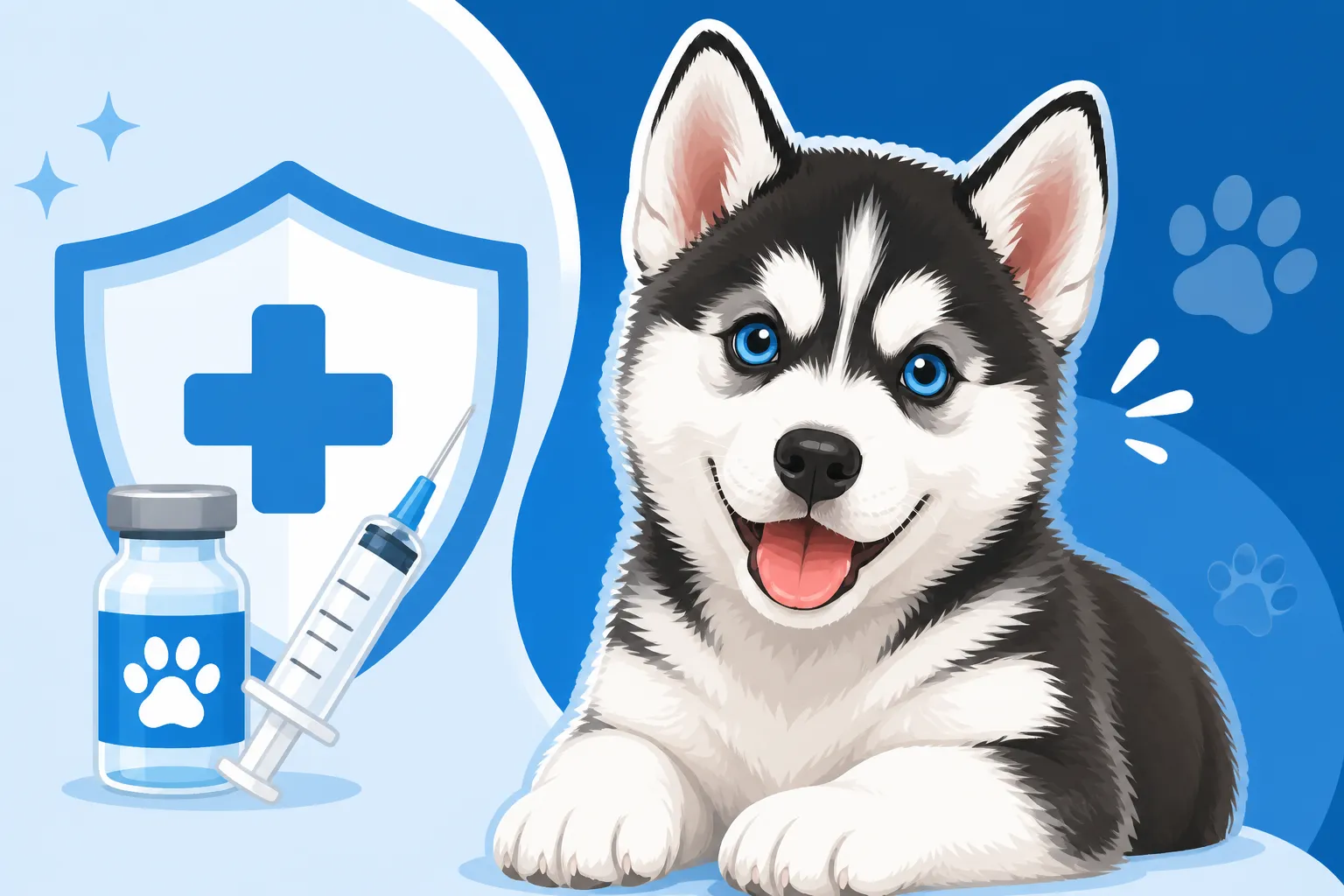
Bringing home a fluffy Siberian Husky puppy is a whirlwind of excitement, but it also comes with a significant responsibility: ensuring their health and well-being from day one. One of the most crucial steps in protecting your new companion is navigating the initial vaccination schedule, which can feel overwhelming with all the different names and timings. This guide will walk you through the essential first vaccines your Siberian Husky puppy needs, explaining why each one is so vital for their healthy start in life.
Understanding the Core Puppy Vaccination Schedule
The first few months of your Siberian Husky puppy’s life are a critical window for building their immunity against a host of dangerous diseases. You'll often hear veterinarians talk about a "series" of shots, and for good reason. Puppies receive protective antibodies from their mother's milk, but these gradually wane, leaving them vulnerable. The vaccine series is designed to pick up where maternal immunity leaves off, slowly stimulating their own immune system to create lasting protection. It's a careful dance to ensure your puppy builds robust defenses without interference from lingering maternal antibodies.
The "DHLPP" or "DA2PP" Combination Vaccine
This is often the cornerstone of your puppy's initial vaccination plan, a multi-faceted shot that protects against several common and potentially deadly diseases. You might hear it called "DHLPP" or "DA2PP," sometimes with slight variations in what it covers, but the core components are typically Distemper, Adenovirus (Hepatitis), Parvovirus, and Parainfluenza. Some versions also include Leptospirosis, which we’ll discuss further down.
Let's break down what each of these acronyms stands for and why your Husky needs protection. Distemper is a severe, often fatal viral disease that attacks the respiratory, gastrointestinal, and nervous systems. Imagine your energetic Husky puppy suddenly becoming lethargic, coughing, developing diarrhea, and, in severe cases, having seizures. It's truly heartbreaking to witness, and even survivors often suffer permanent neurological damage. Prevention is absolutely key here.
Next up is Adenovirus, which comes in two forms that this vaccine typically covers. Canine Adenovirus Type 1 (CAV-1) causes infectious canine hepatitis, a serious liver disease, while Canine Adenovirus Type 2 (CAV-2) is one of the culprits behind "kennel cough." Protecting against CAV-1 is vital for organ health, and reducing the risk of kennel cough (even if Bordetella is also given) adds another layer of respiratory protection for your chatty Husky.
Then there's Parvovirus, or "Parvo," which strikes fear into the hearts of puppy owners everywhere. This highly contagious virus attacks the intestines and bone marrow, leading to severe vomiting, bloody diarrhea, and rapid dehydration. Puppies, especially those under six months, are incredibly susceptible, and it can be fatal without intensive veterinary care. Given how easily it spreads through contaminated environments, ensuring your Husky puppy is vaccinated is non-negotiable, especially before they explore public spaces or meet other dogs.
Finally, Parainfluenza is another respiratory virus that contributes to canine infectious respiratory disease complex, commonly known as kennel cough. While not usually life-threatening on its own, it can make a puppy miserable and open the door to more severe secondary infections. This component helps keep your Husky's lungs clear and barking happily.
Rabies: The Law and Its Importance
Rabies is one of those diseases that genuinely scares everyone, and for good reason—it's almost always fatal once symptoms appear and can be transmitted to humans. Because of this severe public health risk, rabies vaccination is legally mandated in nearly every state and locality across the United States, and in many countries worldwide. This isn't just about protecting your dog; it's about protecting your community.
Typically, your Siberian Husky puppy will receive their first rabies vaccine when they are around 12-16 weeks old. This is a single shot, unlike the series for the combination vaccine, and it's usually valid for one year. After their initial booster a year later, many areas allow for a three-year rabies vaccine, which is a relief for many owners who prefer fewer injections for their adult dogs.
Missing this vaccine isn't just a health risk; it can lead to legal complications if your Husky ever bites someone or is exposed to a wild animal. Imagine the stress and potential quarantine if your unvaccinated pup is involved in such an incident. Adhering to the rabies vaccination schedule is one of the most fundamental responsibilities of dog ownership, a simple yet critical step in keeping everyone safe.
Why a Series of Shots Is Necessary
It can be frustrating when you take your tiny Siberian Husky puppy for their first set of shots, only to be told they need to come back multiple times. Many new puppy parents wonder why a single jab isn't enough to secure their pup's immunity. The answer lies in the fascinating, yet sometimes problematic, process of maternal immunity. When a puppy nurses from its mother, it ingests antibodies through the colostrum (first milk). These maternal antibodies provide crucial protection against diseases the mother is immune to.
However, these protective antibodies don't last forever. They gradually decline in the puppy's system, but the timing of this decline varies greatly from puppy to puppy and even within the same litter. If you vaccinate a puppy while it still has high levels of maternal antibodies, those antibodies can actually "neutralize" the vaccine, preventing it from stimulating the puppy's own immune response. This creates an "immunity gap" – a period when the puppy has lost its mother's protection but hasn't yet responded effectively to vaccination.
To bridge this gap and ensure the puppy develops its own strong immunity, veterinarians administer a series of vaccinations, typically every 3-4 weeks until the puppy is 16 weeks old or sometimes a bit older for larger breeds. Each shot in the series acts as a "booster," catching the puppy at a point when its maternal antibodies might finally be low enough to allow the vaccine to work effectively. It's a scientific best guess to hit that sweet spot, which is why adherence to the full schedule is so important, even if your puppy seems perfectly healthy. Until the entire series is complete, and a few weeks have passed for immunity to build, your Husky puppy is still considered vulnerable. This is why many vets recommend limiting their exposure to public places like dog parks until they're fully vaccinated.
Additional Recommended Vaccines for Siberian Huskies
While the core combination and rabies vaccines are non-negotiable, there are several other vaccines that your vet might recommend based on your Siberian Husky's lifestyle, environment, and geographical location. These aren't always universally required, but they can provide crucial protection against diseases that might be prevalent in your area or specific to how you plan to live with your adventurous Husky.
Canine Cough Bordetella
Often lumped under the general term "kennel cough," Bordetella bronchiseptica is a highly contagious bacterium that causes respiratory illness in dogs. While it's usually not life-threatening, it results in a harsh, honking cough that can make your Husky puppy (and you) quite miserable. Imagine your usually vocal Husky sounding like they're trying to clear a persistent blockage—it's not pleasant.
This vaccine is highly recommended if your Siberian Husky puppy will be spending time in environments where they're exposed to other dogs, such as doggy daycare, boarding kennels, grooming salons, training classes, or even popular dog parks. Given the social and energetic nature of many Huskies, these are common activities! There are injectable and intranasal (nasal spray) forms of the vaccine. The intranasal option often provides quicker local immunity, which can be beneficial for puppies entering social settings soon. It typically needs to be boosted annually or every six months, depending on the specific vaccine and your Husky's risk level. This extra layer of protection can prevent a lot of discomfort and potentially costly vet visits for secondary infections.
Leptospirosis Revisited
We briefly touched on Leptospirosis as a potential component of the core DHLPP vaccine. However, due to its rising prevalence in many areas and the specific risks it poses, it's often discussed as a standalone or additional recommended vaccine. Lepto, as it's commonly called, is a bacterial disease spread through the urine of infected wildlife (raccoons, deer, rodents, opossums) and can contaminate water sources, puddles, and damp soil. When your curious Siberian Husky drinks from a contaminated puddle, swims in a murky pond, or even just sniffs contaminated ground, they can pick up the bacteria.
Leptospirosis can cause severe kidney and liver damage, and it can also be transmitted to humans. Given the Husky's love for exploring, running in fields, and their natural curiosity about the world around them, this vaccine is particularly important for dogs with an outdoor lifestyle. If you live in an area with a lot of wildlife, standing water, or even urban rats, your vet will likely strongly recommend this vaccine. It's usually given as a series of two shots, 2-4 weeks apart, after the initial puppy core vaccines, and then boosted annually. Protecting your Siberian Husky from leptospirosis also adds a layer of protection for your family, highlighting the zoonotic potential of this serious disease.
Lyme Disease
For Siberian Huskies living in areas with high tick populations, the Lyme disease vaccine is another important consideration. Lyme disease is caused by a bacterium called Borrelia burgdorferi, transmitted through the bite of infected deer ticks. Symptoms in dogs can include lameness, joint pain, fever, and lethargy, and in rare, severe cases, it can lead to kidney failure.
While tick prevention is paramount (and something you should definitely discuss with your vet), the vaccine adds an extra line of defense, especially for Huskies who spend a lot of time outdoors hiking, exploring wooded areas, or running through tall grasses. If you're someone who enjoys taking your Husky on adventures, or if you simply live in a region known for Lyme disease, this vaccine could be a critical part of their preventive health plan. The initial series typically involves two doses given 2-4 weeks apart, followed by annual boosters. Remember, the vaccine helps prevent the disease, but it doesn't prevent ticks from biting, so a comprehensive tick prevention strategy is still essential. You'll want to be vigilant with checking your Husky for ticks, especially through their thick double coat.
Navigating Vaccination Protocols and Potential Concerns
Getting your Siberian Husky puppy vaccinated is a clear path to health, but it's not always a one-size-fits-all approach. There are nuances, personal choices, and important considerations that you, as a responsible owner, will want to discuss with your veterinarian. Being informed allows you to make the best decisions for your individual Husky.
| Vaccine Type | Diseases Covered | Typical Puppy Schedule | Boosters | Key Considerations for Huskies |
|---|---|---|---|---|
| Core | ||||
| DHLPP/DA2PP | Distemper, Adenovirus, Parvovirus, Parainfluenza | 3-4 doses, given every 3-4 weeks until 16 weeks of age (e.g., 8, 12, 16 weeks) | Annually, then every 3 years for adults | Crucial for all puppies; protects against highly contagious and often fatal diseases. |
| Rabies | Rabies | Single dose around 12-16 weeks of age | Annually, then every 3 years (as legally permitted) | Legally mandated; protects against a deadly, zoonotic disease. |
| Non-Core/Optional | ||||
| Bordetella (Kennel Cough) | Bordetella bronchiseptica (contributes to kennel cough) | Single dose (intranasal/oral) or 2 doses (injectable) 2-4 weeks apart, typically >8 weeks | Annually (or every 6 months for high-risk) | Recommended for social Huskies: dog parks, boarding, grooming, training classes. |
| Leptospirosis | Leptospira bacteria (kidney/liver disease) | 2 doses, 2-4 weeks apart, typically >12 weeks | Annually | Highly recommended for outdoor Huskies, especially in areas with wildlife/standing water. |
| Lyme Disease | Borrelia burgdorferi (tick-borne disease) | 2 doses, 2-4 weeks apart, typically >12 weeks | Annually | Recommended for Huskies in tick-prevalent regions or those who hike/camp. |
Working with Your Veterinarian to Tailor a Schedule
While there are general guidelines for puppy vaccinations, your Siberian Husky isn't just "any puppy." Factors like the prevalence of certain diseases in your specific geographical area, your Husky's anticipated lifestyle (are they a city apartment dog, a rural adventurer, or a show dog?), and even the health history of their parents (which you should discuss when you're looking at Reading a Siberian Husky Puppy's Health Paperwork) can influence the best vaccination protocol.
A knowledgeable veterinarian will consider all these elements. For example, if you live in a region where Leptospirosis outbreaks are common, they might emphasize that vaccine more than a vet in a dry, low-risk area. If you plan for your Siberian Husky to attend Siberian Husky Vet Visits by Life Stage or start training classes early, the Bordetella vaccine might be prioritized. Don't hesitate to ask questions and share your plans for your puppy's life. This collaborative approach ensures your Husky gets precisely the protection they need without unnecessary interventions. Reputable breeders often provide a vaccination record, so bring that to your first vet appointment to help guide the conversation.
Common Vaccine Reactions and What to Watch For
Just like in humans, vaccines can sometimes cause mild reactions in dogs, and it's essential to know what's normal and what warrants a call to the vet. For most Siberian Husky puppies, the most common reactions are minor and self-limiting. You might notice some mild soreness or swelling at the injection site, a bit of lethargy, or a slight decrease in appetite for a day or two after the shots. They might even run a low-grade fever. This is usually just their immune system kicking into gear, and it typically resolves on its own. Giving your puppy a quiet, comfortable space to rest and ensuring they have access to fresh water is often all that's needed.
However, there are more serious, though thankfully rarer, reactions to watch out for. These include persistent vomiting or diarrhea, severe facial swelling (especially around the eyes or muzzle), hives, difficulty breathing, collapse, or prolonged weakness. These are signs of an allergic reaction or a more severe systemic response and require immediate veterinary attention. If you ever have a gut feeling that something isn't right, don't hesitate to contact your vet. It's always better to be overly cautious when it comes to your puppy's health. While it can be stressful, serious reactions are uncommon, and the benefits of vaccination far outweigh these risks, especially considering the severe consequences of diseases like Parvovirus or Distemper, which sadly contribute to what Siberian Husky Lifespan and What Shortens It can be a factor.
Over-Vaccination Concerns and Titering
In recent years, some owners have become concerned about the potential for "over-vaccination" and its possible links to autoimmune diseases, though scientific evidence is often debated. While core puppy vaccines are generally universally recommended due to the high risk of disease exposure and their efficacy, once your Husky is an adult and has completed their initial series, you might hear about antibody titering.
Titering is a blood test that measures the level of antibodies your dog has against specific diseases like Distemper and Parvovirus. If the antibody levels are sufficiently high, it indicates that your dog still has protective immunity, and a booster vaccine might not be immediately necessary. This approach can be particularly appealing for owners who want to minimize the number of vaccines their adult Husky receives, or for older dogs, like those you might be Caring for a Siberian Husky Past Ten, who might have underlying health conditions.
However, titering is not a substitute for all vaccines. Rabies, for instance, is legally required regardless of titer levels due to public health concerns. Also, non-core vaccines like Bordetella or Leptospirosis usually require regular boosters because the immunity they provide tends to be shorter-lived and the diseases themselves are often continuously present in the environment. Discussing titering with your vet is a conversation for later in your Husky's life, once they're fully grown and have established their foundational immunity through the recommended puppy series. Pet insurance providers, such as Healthy Paws, typically encourage keeping up with recommended vaccinations as a fundamental part of responsible pet ownership, often a prerequisite for coverage or a way to reduce risks of preventable illnesses.
The Importance of Adhering to the Schedule
Consistency is king when it comes to puppy vaccinations. Skipping a dose in the series or delaying follow-up boosters can leave your Siberian Husky puppy vulnerable. The entire series is designed to build immunity gradually, so cutting it short means their protection won't be as robust or long-lasting. Think of it like building a wall brick by brick; missing a few bricks in the middle means the wall isn't as strong and might crumble under pressure.
Many new owners are eager to get their puppies out and socializing, which is wonderful for their development. However, premature exposure to public spaces like dog parks, pet stores, or areas with high dog traffic before the full vaccination series is complete (usually a week or two after the last shot around 16 weeks of age) puts them at significant risk. Diseases like Parvovirus are highly contagious and can persist in the environment for months, making direct contact with other dogs or indirect contact with contaminated surfaces extremely dangerous.
Your veterinarian will guide you on when it’s safe to slowly introduce your puppy to the world. Until then, focused socialization at home with fully vaccinated, healthy dogs, or in controlled, sanitized environments like puppy classes (where vaccination status is checked), is the safest bet. Remember, investing in these early vaccinations is an investment in your Siberian Husky's long, healthy, and adventurous future. Having a good pet insurance plan, like one from Healthy Paws, in place early can also help cover unexpected illnesses that might arise, even with diligent preventative care, providing peace of mind as your puppy grows.
By understanding the different vaccines, their purpose, and the recommended schedule, you’re setting your Siberian Husky up for the best possible start. It’s a small commitment now for a lifetime of health and happiness with your four-legged companion. You might also want to look into topics like The Vaccines a Siberian Husky Puppy Needs First and Leptospirosis Risk for a Siberian Husky to deepen your knowledge.
Disclaimer
The information provided in this guide is intended for general educational purposes only and should not be considered a substitute for professional veterinary advice. Every Siberian Husky is unique, and individual vaccination needs may vary based on health status, lifestyle, and geographical location. Always consult with a qualified veterinarian to determine the most appropriate vaccination schedule and health plan for your specific pet.