Running Air Conditioning for a Siberian Husky in Summer
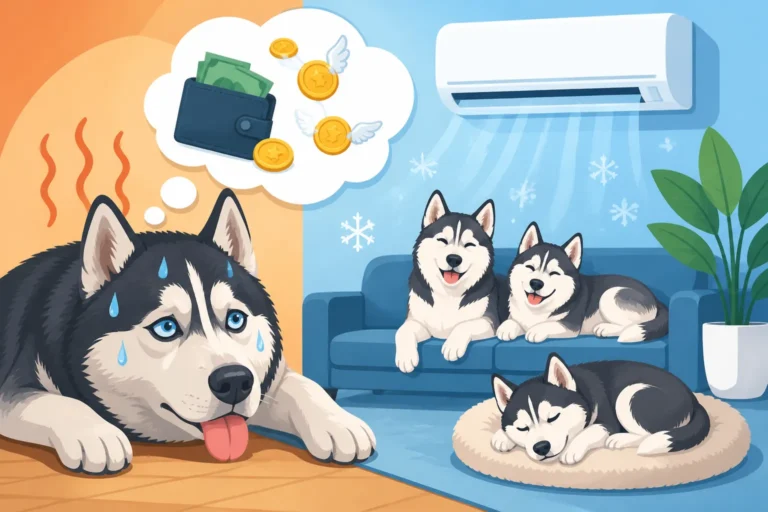
One of the biggest worries for any Siberian Husky owner, especially when summer hits, is keeping their furry friend cool and comfortable without sending your energy bill through the roof. It’s a delicate balance, trying to ensure your Arctic-bred companion isn't suffering in the heat while also being mindful of your household budget. This guide is all about navigating that challenge, helping you understand why air conditioning is so vital for your Husky and how to use it smartly, alongside other strategies, to keep them safe and happy when temperatures climb.
Understanding Why Air Conditioning is Non-Negotiable for Your Siberian Husky
Let's be real, Siberian Huskies are built for cold weather. Their origins as sled dogs in the harsh Siberian climate mean they come equipped with an incredible double coat designed to insulate against freezing temperatures, not oppressive summer heat. That thick, plush undercoat and longer, coarser guard hairs are fantastic at trapping warmth, but in the summer, they can also trap heat against their body, making them incredibly susceptible to overheating.
It’s a common misconception that their coat somehow 'adapts' to shed heat in summer. While they do blow their undercoat, leaving a thinner layer, it's still a significant insulator. This isn't like a human wearing a light jacket; it's more like wearing a down parka that just lost its hood. They are not naturally equipped to cool themselves effectively in warm, humid climates, let alone scorching hot ones. Their bodies simply aren't designed to dissipate heat efficiently when the ambient temperature is high. This is why you need to be acutely aware of The Temperature a Siberian Husky Starts Struggling At.
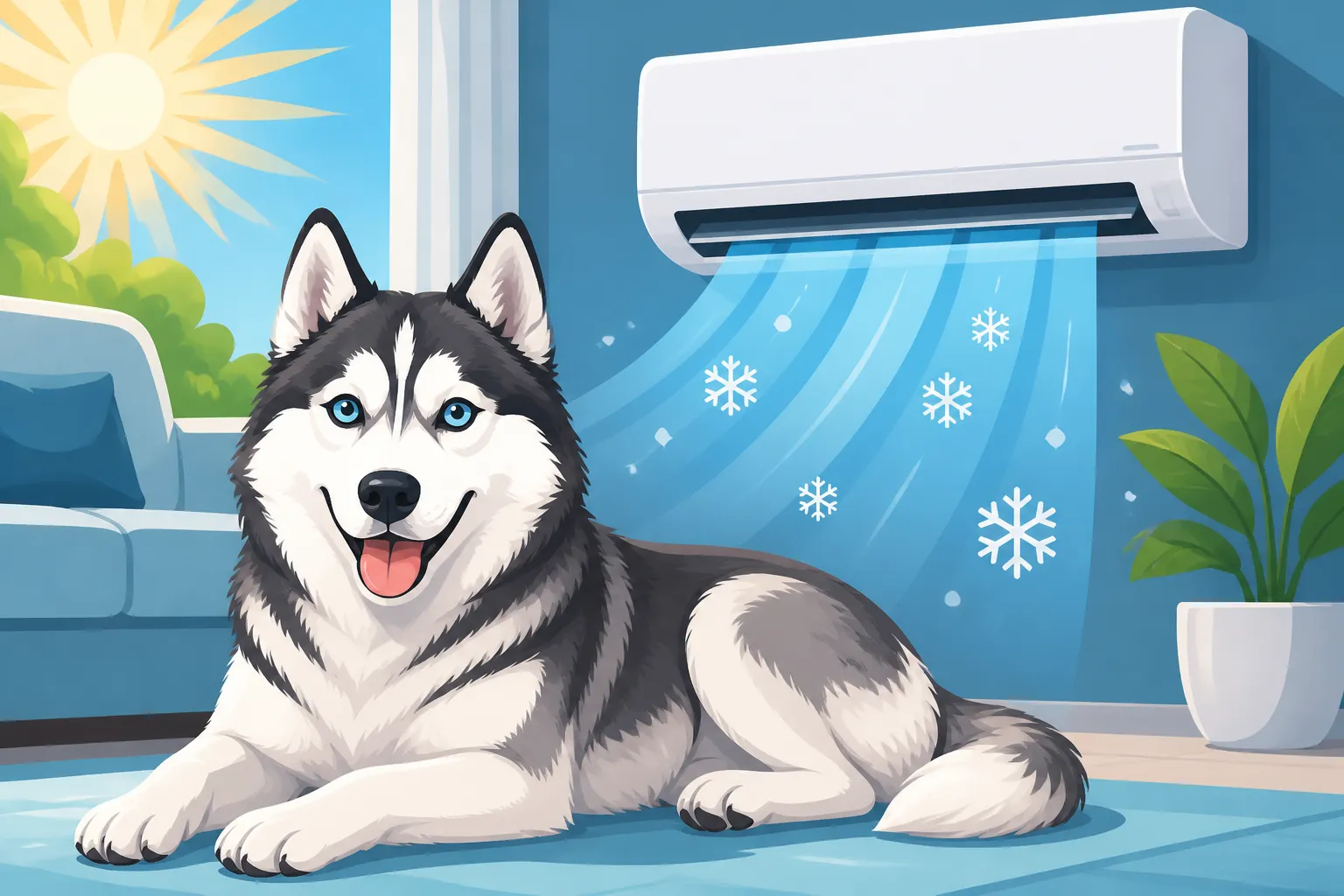
The stakes are incredibly high when it comes to a Husky and heat. Heatstroke is a very real, life-threatening emergency, and it can happen much faster than you might think. We're talking minutes, not hours, especially if they're exerting themselves or left in a warm, unventilated space. The symptoms can escalate rapidly from heavy panting and drooling to weakness, vomiting, disorientation, and even collapse. Preventing this is paramount, and air conditioning plays a central role in that prevention for most climates where summer temperatures regularly hit above 70°F (21°C).
Smart Strategies for Balancing Your Husky's Comfort and Your Energy Bill
Keeping your Husky cool doesn't mean you have to turn your home into an icebox and empty your wallet in the process. There are plenty of smart strategies to find that sweet spot between comfort and cost-efficiency. It's about being strategic and utilizing a mix of solutions.
Optimizing Your Thermostat Settings
This is often where the biggest battle is fought. You might prefer your home at 75°F (24°C) or even 78°F (26°C), but for a Husky, that can still be too warm. Ideally, you want to aim for a temperature range that keeps them comfortable, typically between 68-72°F (20-22°C) during the hottest parts of the day or when you're away from home.
One of the best ways to manage this is with a programmable thermostat. You can set it to be slightly warmer when you're not home, but still cool enough to be safe, and then drop it a few degrees before you return. This saves energy during unoccupied hours while ensuring your Husky isn't suffering. Consider setting it to a consistent temperature, rather than letting it fluctuate wildly. Frequent temperature swings can cause your AC unit to work harder and less efficiently. Remember, your Husky can't adjust the thermostat, so it's up to you to maintain a stable, comfortable environment for them. For tips on managing severe situations, read up on Cooling a Siberian Husky Down Fast.
Utilizing Smart Home Technology
Technology isn't just for people; it can be a Husky's best friend, too. Smart thermostats, like those from Ecobee or Nest, take programmability a step further. They can learn your schedule, sense when you're home or away, and even integrate with external weather forecasts to optimize cooling. Some allow you to control them remotely via an app, so if your plans change and you're going to be out longer, you can bump the AC down a few degrees for your dog.
Beyond just the thermostat, smart plugs can be incredibly useful. You can connect fans to them and schedule them to turn on at certain times, or even activate them remotely if you see the temperature climbing on a smart sensor. Ceiling fans, while not cooling the air, create a significant wind chill effect that can make a room feel several degrees cooler, which can be a huge relief for a thick-coated dog like a Husky. Combining AC with strategically placed fans can allow you to set your thermostat a little higher (e.g., 74°F instead of 70°F) and still achieve a comfortable environment for your dog.
Supplementary Cooling Aids and Tools
Air conditioning is the primary tool, but it doesn't have to be the only tool. There's a whole world of supplementary cooling aids that can help your Husky stay comfortable, reducing the burden on your AC and potentially saving you some money.
- Cooling Mats: These are fantastic. They often contain a gel that activates with pressure, absorbing heat from your dog's body. No electricity or refrigeration required! You can find a wide variety of these on sites like Chewy. They provide a cool spot for your Husky to flop down on, especially after a brief potty break outside.
- Elevated Beds: Getting your Husky off the hot floor (or carpet that retains heat) can make a big difference. Elevated beds allow air to circulate all around them, preventing heat from building up underneath.
- Frozen Treats and Ice: A large block of ice in their water bowl or a KONG toy stuffed with frozen treats can provide both mental stimulation and a way to cool down from the inside out. Just make sure they don't ingest too much ice too quickly.
- Frozen Water Bottles: A simple trick is to freeze plastic water bottles and place them in your Husky's bed or crate. They can lean against them for a cool-down effect.
- Window Coverings: Keep blinds, curtains, or shades closed during the hottest parts of the day, especially on south and west-facing windows. This prevents solar gain from heating up your home, allowing your AC to work less.
- Strategic Use of Fans: As mentioned, fans don't cool the air, but they create airflow. Pointing a fan over a bowl of ice can create a makeshift swamp cooler effect, delivering cooler air directly to your Husky's favorite resting spot.
By integrating these methods, you're not just relying on your AC to do all the heavy lifting. You're creating a multi-layered approach to cooling that is both effective and more energy-efficient.
Signs Your Husky Isn't Cool Enough (Even With AC On)
It's easy to assume that because the AC is running, your Husky must be perfectly fine. However, every dog is an individual, and some Huskies might struggle even in what you consider a comfortable temperature. Plus, AC units can be inefficient or undersized for a space, or there might be hot spots in your home. It’s crucial to know the subtle (and not-so-subtle) signs that your Husky is still too warm.
Behavioral Changes to Watch For
Your Husky communicates discomfort through their actions. If you see them actively seeking out cooler spots in the house, like lying on tile floors, trying to get into the bathtub, or constantly pressing themselves against exterior walls, it's a clear indicator they're trying to escape heat. They might also become restless, pacing, or unable to settle down, even if they're usually calm indoors. A decreased appetite or refusal to eat their regular meal, perhaps from a brand like Ollie, can also be a sign of heat discomfort, as eating can generate internal body heat.
You might also notice them being less playful or energetic than usual. While some lethargy is normal in the heat, an unusual disinterest in their favorite toys or a walk (even a short, cool one) could be a red flag. Pay attention to how they interact with their water bowl—are they drinking excessively, or conversely, not drinking at all? Both can be concerning.
Physical Indicators of Overheating
These are more serious and demand immediate attention. The most obvious sign is excessive panting. While some panting is normal for dogs, especially after activity, rapid, heavy panting that seems out of proportion to their exertion level, or panting that doesn't subside quickly, is a warning sign. Their tongue might appear very wide and flat, almost like a paddle, and they might be drooling more than usual.
Check their gums: they might be brighter red than normal, indicating increased blood flow trying to dissipate heat. Their ears and paw pads might feel unusually warm to the touch. In more severe cases, you might notice glazed eyes, stumbling, disorientation, or even vomiting and diarrhea. If you ever suspect heatstroke, contact your vet immediately. Having pet insurance, perhaps from a provider like Healthy Paws, can offer peace of mind for such emergencies. Knowing What Siberian Huskies Most Often Die Of really drives home the importance of heat safety.
| Sign of Discomfort | Normal vs. Concerning | Action to Take |
|---|---|---|
| Panting | Mild pant after play is normal; rapid, heavy, non-stop panting is concerning. | Move to cooler area, offer water, use cooling mat. If severe, contact vet. |
| Seeking Cool Spots | Occasionally lying on tile is normal; constantly trying to get into tub/fridge is concerning. | Lower AC, add fans/cooling mats, check room temperature. |
| Lethargy/Restlessness | Slower in heat is normal; unusual disinterest or inability to settle is concerning. | Monitor closely, ensure access to cool water and resting spots. |
| Excessive Drooling | Some drool is normal; heavy, thick drool is concerning. | Offer water, gently wet paws/ears, seek veterinary advice if persistent. |
| Bright Red Gums | Pink gums are normal; bright red gums are concerning. | EMERGENCY! Cool immediately, contact vet. |
| Warm Paws/Ears | Mildly warm is normal; very hot to touch is concerning. | Use cooling pads, fan, consider wiping with cool (not icy) water. |
| Vomiting/Diarrhea | Not normal. | EMERGENCY! Contact vet immediately. |
Beyond the Thermostat: Holistic Approaches to Summer Comfort
While AC is a cornerstone, a holistic approach combines climate control with smart routines and other cooling methods. It's about creating an overall environment that supports your Husky's well-being during the summer months.
Adjusting Exercise Routines
This is absolutely critical. Even with AC running indoors, outdoor exercise needs to be re-evaluated. Avoid walks or intense play during the hottest parts of the day. Early mornings (before the sun gets strong) and late evenings (after sunset) are your best bets. Even then, keep an eye on humidity and pavement temperature. If it's too hot for your bare hand, it's too hot for their paws. Consider switching from long runs to shorter, more frequent potty breaks and indoor mental stimulation. Puzzle toys, training sessions, or even a good game of hide-and-seek indoors can burn energy without risking overheating. Your Husky's high energy needs don't magically disappear in summer, but how you meet them must. Check out Running a Siberian Husky in Summer Heat for more specific guidance.
Providing Ample Hydration
It sounds obvious, but easy access to fresh, cool water is paramount. Always have multiple water bowls available indoors, and if your Husky spends any time outside (supervised, of course), ensure they have shade and water there too. Consider adding ice cubes to their water bowl to keep it cooler longer. Portable water bottles are a must for any outdoor excursions, even short ones. Some Huskies enjoy playing in a shallow kiddie pool; this can be a fun way for them to cool down and rehydrate.
Grooming Smartly (Never Shave!)
This is perhaps one of the most misunderstood aspects of Husky care in summer. While their coat does shed, it should never be shaved. Shaving a Husky actually makes them more susceptible to heatstroke and sunburn. Their double coat provides a layer of insulation against both cold and heat. It also protects their delicate skin from the sun's harmful UV rays. When you shave it, you strip away their natural protection.
Instead of shaving, focus on regular, thorough grooming to remove loose undercoat. During coat blow season (typically spring and fall, but can be year-round in some climates), daily brushing with an undercoat rake or high-velocity dryer can work wonders. This helps air circulate closer to their skin, making their natural cooling mechanisms more effective. Why You Must Never Shave a Siberian Husky elaborates on this vital point.
Planning for Power Outages
It's an unpleasant thought, but power outages happen, especially during summer storms when the grid is strained. What's your plan if the AC goes out for hours, or even days?
- Emergency Cooling Kit: Have ice packs, cooling mats, and plenty of bottled water readily available.
- Designate a "Cool Room": Identify the coolest room in your house, perhaps one with good cross-ventilation or the ability to draw air from a basement.
- Backup Power: If you live in an area prone to outages, consider a portable generator to power at least a fan or a small window AC unit for your Husky's designated safe space.
- "Cooling Center" Plan: Research local pet-friendly businesses or friends/family who might have working AC and could host your Husky in an emergency.
By combining efficient AC use with intelligent grooming, adjusted exercise, constant hydration, and a backup plan, you can ensure your Siberian Husky remains comfortable and healthy throughout the summer, protecting them from the heat and giving yourself peace of mind.
Disclaimer
This article is for general informational purposes only and does not constitute professional advice. Laws, prices and regulations vary by location and change over time. Consult a qualified professional for guidance on your specific situation.