Whether a Siberian Husky Belongs in a Hot State
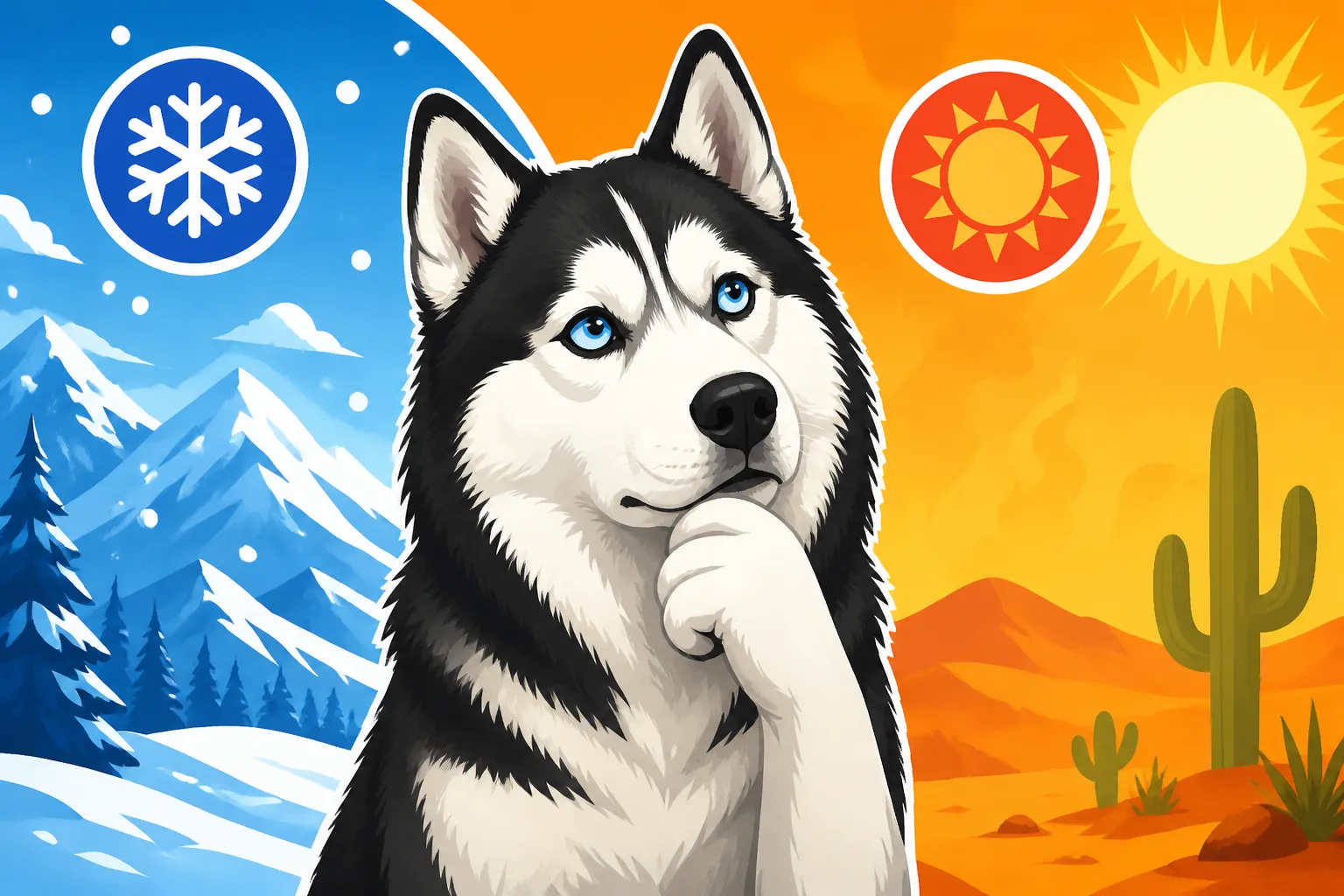
It's a question that tugs at the heartstrings of so many aspiring or current Siberian Husky owners: can these magnificent, cold-weather champions truly thrive in the scorching heat of states like Arizona, Florida, or Texas? The dream of owning a Husky often clashes head-on with the stark reality of their natural adaptations, leading to genuine concern and sometimes heartbreaking struggles. This guide is here to honestly tackle that question, diving deep into the challenges, risks, and the immense dedication required to ensure a Siberian Husky can not just survive, but live a happy, healthy life when the mercury consistently soars.
Understanding the Siberian Husky's Native Climate and Adaptations
Before we even begin to talk about air conditioning and cooling mats, we need to truly understand where the Siberian Husky comes from. These aren't just dogs; they're living, breathing masterpieces of evolution, finely tuned over centuries to excel in some of the most unforgiving cold environments on Earth.
The Husky's Natural Habitat: A World of Ice and Snow
Imagine the desolate, frozen expanses of Siberia, where temperatures routinely plummet far below freezing, and blizzards whip through the air. This is the ancestral home of the Siberian Husky, specifically bred by the semi-nomadic Chukchi people for endurance, strength, and an incredible tolerance for extreme cold. Their historical role wasn't just to pull sleds; it was to transport families, supplies, and messages across vast, icy landscapes, sometimes for days on end, sleeping out in the snow. They were integral to the survival of the Chukchi, and every aspect of their physiology reflects this heritage.
This isn't just about tolerating cold; it's about thriving in it. Their bodies are designed to conserve heat, withstand biting winds, and move efficiently over snow and ice. This deep genetic programming is what makes them so unique, but it's also what creates significant challenges when you place them in a climate that is the exact opposite of their origin. It’s important to understand that while a dog can adapt to some degree, fundamentally changing thousands of years of evolutionary purpose is a monumental task, and often, an unfair expectation to place on them.
The Double Coat: More Than Just Fluff
One of the most defining features of a Siberian Husky is their magnificent double coat. Many people mistakenly believe this thick fur is solely for warmth and thus assume it should be shaved off in hot weather. This is a critical misconception that can actually harm your Husky. The double coat consists of two distinct layers:
- The Undercoat: This is dense, soft, and woolly, designed to trap warm air close to the body, providing insulation against the cold. In a hot climate, a properly maintained undercoat also acts as an insulator against heat, preventing the sun's rays from reaching the skin directly and trapping cooler air next to the skin. It's like a thermos – it keeps hot things hot and cold things cold.
- The Guard Hairs: These are the longer, coarser outer hairs. They are water-repellent and protect the undercoat and skin from moisture, snow, and UV radiation. They also help air circulate through the undercoat, which is crucial for cooling.
When you shave a Siberian Husky, you strip away this natural protection. You leave their delicate skin exposed to harmful UV rays, increasing the risk of sunburn and even skin cancer. You also disrupt the coat's natural ability to regulate temperature, making them more susceptible to overheating, not less. The coat often grows back unevenly, can become patchy, and lose its protective qualities, sometimes leading to irreversible damage. For more on this, check out Why You Must Never Shave a Siberian Husky. Understanding What the Siberian Husky Double Coat Actually Does is crucial for responsible ownership.
Metabolism and Energy: Efficient Machines Built for Endurance
Siberian Huskies are known for their incredibly efficient metabolisms. They can run for long distances on relatively little food, converting calories into sustained energy without burning through them too quickly. This trait, while advantageous in their native environment where food might be scarce and energy demands high, also means they don't dissipate heat as readily as some other breeds through rapid metabolism. They are built for endurance in cold, not for quick, explosive bursts of energy in heat. This metabolic efficiency makes them fantastic working dogs in appropriate climates, but it also means their internal "thermostat" is set to a much lower external temperature than, say, a short-coated desert dog.
The Realities of Hot Weather for a Siberian Husky
Living in a hot state with a Siberian Husky isn't just about comfort; it's about constant vigilance to prevent serious, life-threatening health issues. The risks are real, and they can escalate quickly.
Signs of Overheating and Heatstroke: A Silent Danger
One of the biggest dangers for a Siberian Husky in hot weather is overheating, which can rapidly progress to heatstroke. Heatstroke is a medical emergency that can lead to organ failure, brain damage, and death if not addressed immediately. It's not always obvious, especially to an inexperienced owner, so knowing the subtle and overt signs is paramount.
Early signs of overheating might include:
- Excessive panting: This is how dogs cool themselves, but if it's relentless, very heavy, and labored, it's a red flag.
- Bright red gums: Healthy gums are usually pink.
- Drooling: More than usual, thick, ropy saliva.
- Increased heart rate: You might notice their chest pounding.
- Lethargy or weakness: They might seem unusually tired or struggle to move.
- Vomiting or diarrhea: These are often later signs.
As heatstroke progresses, you might see:
- Stumbling or staggering: Loss of coordination.
- Collapse.
- Seizures.
- Dull or glazed eyes.
- Dark red or purple gums.
- Unconsciousness.
If you ever suspect your Husky is overheating, you need to act fast. Get them into a cooler environment immediately – air conditioning, a fan, or shade. Offer them cool (not ice cold) water. You can wet their paws, ears, and belly with cool water, but avoid drenching their entire body or using ice, as rapid cooling can cause other complications. Always, always call your vet immediately. Many pet insurance providers, like Healthy Paws, offer plans that can help with the costs of emergency care for conditions like heatstroke, which can be substantial. It's a sobering reality that you might face, and being prepared is essential.
Risks Beyond Heatstroke: Paw Burns and Dehydration
Beyond the immediate threat of heatstroke, hot climates pose other significant risks to your Siberian Husky.
- Paw Burns: Pavement, asphalt, and even sand can reach searing temperatures in direct sunlight, easily exceeding 120°F (49°C) – hot enough to cause severe burns on paw pads within minutes. Imagine walking barefoot on a scorching sidewalk; your Husky feels the same pain. These burns are incredibly painful, difficult to heal, and can lead to infections. Always test the pavement with the back of your hand for at least seven seconds before walking your dog. If it's too hot for your hand, it's too hot for their paws. This often means limiting walks to very early mornings or late evenings. For comprehensive care, consider Siberian Husky Paw Care Through Snow and Salt, which also touches on hot weather pad protection.
- Dehydration: Huskies are generally good drinkers, but the constant heat stress in warm climates means they can become dehydrated rapidly. Ensure they have access to fresh, cool water at all times, both indoors and outdoors. If you're out and about, bring a portable water bowl and plenty of water. Electrolyte solutions (designed for dogs, not humans) can be helpful during intense activity or extreme heat exposure. Dehydration strains their kidneys and can lead to a host of other health problems.
It's a constant battle, and it means rethinking nearly every aspect of your dog's daily routine and environment.
Managing Outdoor Time: Timing is Everything
For a Siberian Husky in a hot state, "outdoor time" becomes a strategic operation, not a casual affair. Gone are the leisurely midday strolls or hours spent playing fetch in the sun.
- Early Morning & Late Evening: These are typically the only safe times for significant outdoor exercise or even just bathroom breaks. Even then, you must monitor the temperature and humidity carefully. Humidity makes it much harder for dogs to cool down through panting.
- Shade, Always Shade: If your Husky must be outside for a short period, ensure they have constant access to deep, natural shade. A dog house in the sun offers no relief; it becomes an oven.
- Cool Surfaces: Provide access to cool surfaces, like concrete in the shade or a cooling mat.
- Supervision is Non-Negotiable: You can never leave a Siberian Husky unsupervised in a hot yard, even for a few minutes. Their instincts to run or dig might put them in direct sun, and their dense coat will betray them quickly. The risks of Heat Stroke Risk in a Siberian Husky are too high.
This intense management means that if you work long hours away from home and your Husky would spend the day outside, a hot climate is simply not a suitable environment for them. It’s a sad truth but a vital one for their well-being.
Strategies for Keeping a Siberian Husky Cool in Warm Climates
If you are committed to providing a loving home for a Siberian Husky in a hot climate, it requires significant investment of both time and resources. It's not impossible, but it demands careful planning and execution.
Indoor Environment Control: Your Husky's Sanctuary
Your home becomes your Husky's primary sanctuary from the heat. Air conditioning is not a luxury; it's a necessity, and often, a powerful one.
- Air Conditioning: This is absolutely non-negotiable in truly hot climates. Your Husky needs consistent access to an air-conditioned space, ideally kept at a comfortable temperature range that prevents panting. Be prepared for higher utility bills, as you'll likely need to keep your home cooler than you might for yourself. Consider smart thermostats to maintain consistent temperatures even when you're not home.
- Fans and Cooling Mats: While not a substitute for AC, fans can help circulate air and provide a slight evaporative cooling effect. Cooling mats, which contain a gel that activates with pressure, can offer a cool spot for your Husky to lie on. These are often available from pet retailers like Chewy, which offers a wide array of cooling products specifically designed for pets.
- Limited Sunlight Indoors: Close curtains or blinds during the hottest parts of the day to keep direct sunlight from heating up your home.
- Secure and Safe: Ensure your indoor space is Husky-proofed. A bored or anxious Husky might try to escape or become destructive if left alone, especially if they are uncomfortable. Siberian Husky Destruction When Left Alone can be a serious issue, and even more so if they are feeling the strain of heat.
Grooming for Warm Climates (No Shaving!)
As discussed, shaving is out. But regular, thorough grooming is incredibly important for a Husky in a hot climate.
- Frequent Brushing and De-Shedding: Your Husky will "blow" their coat twice a year, shedding massive amounts of undercoat. During these periods, daily brushing with an undercoat rake is essential. Even outside of coat blow, regular brushing helps remove loose hair, prevents matting, and allows air to circulate properly through the double coat. A matted coat loses its insulating properties and can trap heat. Investing in a good high-velocity dryer after baths can also help blast out loose undercoat without damaging the guard hairs.
- Professional Grooming: Many owners opt for professional de-shedding services. These groomers have specialized tools and techniques to remove dead undercoat without shaving, which is particularly beneficial in hot climates. They can help thin out the undercoat, which aids in cooling, while still preserving the protective guard hairs. This can be a significant cost but is a vital part of their care.
- Bathing: Bathe your Husky as needed, but avoid over-bathing as it can strip natural oils. Ensure they are thoroughly dried, especially the undercoat, to prevent skin issues.
A well-maintained coat is their first line of defense against the elements, both hot and cold.
Hydration and Nutrition Adjustments: Fueling for the Heat
Staying hydrated and properly nourished takes on new importance in a hot environment.
- Constant Access to Fresh Water: This cannot be stressed enough. Always have multiple bowls of fresh, cool water available. Consider adding ice cubes to their water or using a water fountain to encourage drinking. In fact, some Huskies enjoy playing in kiddie pools, which can be another great way to help them cool down and stay hydrated. Water Intake for a Siberian Husky After Running becomes critical after any strenuous activity.
- Dietary Adjustments: While Siberian Huskies have efficient metabolisms, sustained heat can still impact their appetite and energy levels. Some owners find that feeding smaller, more frequent meals, or switching to a highly palatable fresh food option, can encourage eating. Brands like Ollie, which offer human-grade fresh dog food, might be an appealing option for Huskies who become pickier in the heat, ensuring they get vital nutrients and some added moisture from the food itself. Discuss any significant dietary changes with your vet to ensure it meets their specific nutritional needs, especially if they have A Siberian Husky With a Sensitive Stomach.
- Timing Meals: It's often best to feed your Husky during the cooler parts of the day, such as early morning and late evening, to avoid digestive upset from eating a large meal in the heat.
Lifestyle Adjustments and Owner Responsibilities
Ultimately, owning a Siberian Husky in a hot climate means making significant lifestyle adjustments for both you and your dog. It's about prioritizing their comfort and safety above convenience.
Exercise Modifications: Outsmarting the Sun
Your Husky still needs exercise, but how and when they get it will look very different.
- Timing is Key: As mentioned, early morning (before sunrise) and late evening (after sundown) are the only safe windows for walks, runs, or vigorous play. Even then, check the air temperature, humidity, and pavement temperature.
- Short, Frequent Outings: Instead of one long walk, consider several shorter, brisk walks.
- Indoor Activities: Mental stimulation and indoor games become crucial. Puzzle toys, training sessions, and interactive play can help burn energy without the heat risk.
- Water Activities (with caution): Many Huskies enjoy playing in shallow water or swimming. If you have access to a safe, clean body of water, this can be an excellent way to exercise and cool down. Always supervise them closely. For more on safe exercise in heat, read Running a Siberian Husky in Summer Heat.
- Harness Sports Seasonality: If you enjoy harness sports like canicross or bikejoring, understand that these will be strictly seasonal activities, likely limited to the very coldest months or requiring travel to cooler regions.
Health Monitoring and Vet Care: Proactive Prevention
Regular veterinary care and attentive monitoring are even more critical for Huskies in hot states.
- Routine Check-ups: Ensure your Husky has regular veterinary check-ups. Discuss your specific climate challenges with your vet. They can help you devise a heat-management plan tailored to your dog's individual health and age.
- Awareness of Heat-Related Conditions: Beyond acute heatstroke, chronic heat stress can exacerbate other health conditions or lead to issues like chronic dehydration or skin infections. Pay attention to any changes in appetite, energy levels, or skin/coat health. The Siberian Husky Lifespan and What Shortens It can be impacted by chronic stress from an unsuitable environment.
- Pet Insurance: Having pet insurance, such as a policy from Healthy Paws, can provide immense peace of mind. Emergencies like heatstroke or unexpected health issues stemming from environmental stress can lead to very high vet bills. Knowing you have coverage allows you to make decisions based on your Husky's well-being, rather than solely on cost. It's a proactive step many responsible owners take.
Travel and Relocation Considerations: Moving to a Warmer State
For some, the question isn't about initially getting a Husky in a hot state, but rather what to do if you relocate to one with your existing Husky.
- Serious Planning: If moving to a significantly warmer climate, understand the commitment. Can your new home accommodate constant air conditioning? Is there ample shade in the yard? Are there safe walking times?
- Acclimation Period: Dogs need time to acclimate, and for a Husky, this adaptation is limited. Don't expect them to immediately adjust to a vastly different climate.
- Consider Your Husky's Needs First: This can be a tough pill to swallow, but sometimes, an owner's best decision is to rehome their Husky to a cooler climate if they cannot genuinely provide the necessary conditions in a hot state. It's a selfless act that prioritizes the dog's welfare. This is why many Why So Many Siberian Huskies End Up in Rescue statistics include moves to warmer areas.
Challenges and Solutions for Huskies in Hot Climates
Here's a quick overview of the common hurdles and the ways dedicated owners overcome them.
| Challenge | Description | Solution |
|---|---|---|
| Heatstroke Risk | Husky's dense coat and metabolism make them prone to rapid overheating. | Strict indoor living, constant AC, never outside unsupervised, limit activity to coolest hours. |
| Paw Pad Burns | Hot pavement can severely burn paws. | Test pavement with hand; walk only on cool grass/dirt or during very cool times; use booties for short walks. |
| Dehydration | Increased fluid loss in heat. | Multiple water sources, fresh cool water constantly, add ice, portable bowls on walks. |
| Reduced Exercise | Limited safe outdoor exercise times. | Early morning/late evening walks, indoor enrichment, puzzle toys, training sessions, swimming (if safe). |
| Coat Care | Misconception that shaving helps; matting traps heat. | NO shaving; regular, thorough de-shedding (manual or professional); proper bathing/drying. |
| High Utility Bills | Constant AC usage is essential for their safety. | Budget for higher electricity costs; invest in energy-efficient systems; utilize fans and smart thermostats. |
| Social Isolation | Limited dog park or group walk opportunities during peak heat. | Arrange early/late meet-ups, focus on indoor playdates, or quiet, secure backyard time with shade. |
The Final Word: Is It Fair?
So, can a Siberian Husky belong in a hot state? The honest answer is: with an extraordinary amount of dedication, financial investment, and significant lifestyle changes from the owner, it's possible for a Husky to survive and even be relatively happy. But it’s important to ask, is merely surviving truly belonging?
It requires constant vigilance, year-round air conditioning, strict control over outdoor access, and a complete re-imagining of what a "normal" dog life looks like. For many, the effort and restrictions are overwhelming, leading to frustrated owners and unhappy, uncomfortable dogs. If you live in a hot climate and are considering a Siberian Husky, please understand that you are signing up for a massive, lifelong commitment to managing their environment. It’s not just a dog; it’s a lifestyle choice, and it demands putting your Husky's unique, cold-weather needs first, every single day. If you can honestly commit to that level of care, then perhaps, with immense effort, you can make it work.
Disclaimer
This article is for general informational purposes only and does not constitute professional advice. Laws, prices and regulations vary by location and change over time. Consult a qualified professional for guidance on your specific situation.