Animal Control Fines for a Loose Siberian Husky
Let's be honest, few things strike more fear into the heart of a Siberian Husky owner than the thought of their beloved, independent, and notoriously escape-prone companion slipping out the door or over a fence. The sheer panic of realizing your Husky is gone is gut-wrenching, but quickly followed by the crushing worry of what happens when animal control inevitably gets involved. This guide is here to walk you through the very real costs, both financial and otherwise, that come with a loose Siberian Husky, and how to safeguard against it.
The Inevitable Call: Understanding Animal Control and Your Husky
The moment you realize your Husky is missing, a cold dread washes over you. You know their reputation, you know their drive, and you know how quickly they can cover ground. It's a rite of passage for many Husky owners, but that doesn't make the consequences any less stressful.
Why Your Husky Ends Up There Beyond "Just Because"
It’s not just "bad luck" or a "naughty dog" that lands a Siberian Husky in animal control. It's deeply ingrained in their very being. Huskies were bred for endurance and independence, to cover vast distances with their teams. They have an incredibly strong The Roaming Instinct Bred Into Every Siberian Husky, a hardwired urge to explore and run. This isn't a flaw; it's a feature of the breed. Combine this with their astonishing intelligence and athleticism, and you have a dog capable of opening gates, scaling fences, and slipping even the most secure collar.
Their prey drive is also a huge factor. A squirrel, a rabbit, or a neighborhood cat can instantly override any recall training, no matter how solid you think it is. This is why even a momentary lapse in supervision can lead to an adventure for your Husky and a nightmare for you. We often think of our yards as fortresses, but a determined Siberian Husky sees them as minor challenges.
The Role of Local Animal Control
Animal control officers aren't just out to punish pet owners; their primary goal is public safety and animal welfare. When a dog is found wandering, they step in to prevent accidents, potential harm to people or other animals, and to ensure the lost pet isn't suffering. They're often the first responders for injured animals, stray reports, and even cases of neglect. While retrieving your Husky from them can feel like a reprimand, remember they are also the most likely place your dog will end up if found by a concerned citizen. They have facilities, staff, and procedures for identifying, housing, and caring for stray animals, even if it comes with fees.
First Contact: What Happens When Your Husky Is Picked Up
Once your Siberian Husky is picked up by animal control, the clock starts ticking. The first thing they'll do is check for identification: a collar with tags, and a microchip. This is why a current microchip registration is paramount. If your dog has a microchip, they'll attempt to contact you immediately. If not, the process becomes more complicated and, often, more expensive.
They'll impound your Husky, providing basic care like food, water, and shelter. There's typically a holding period, usually a few days, during which they try to reunite the dog with its owner. If your Husky has been a repeat visitor, or if it was picked up in a specific area known for leash law violations, additional actions or an earlier contact from the authorities might be expected. This waiting period can be agonizing for you, but it's essential for ensuring all efforts are made to find the owner before considering other options.
Deciphering the Cost: Fines and Fees for a Loose Siberian Husky
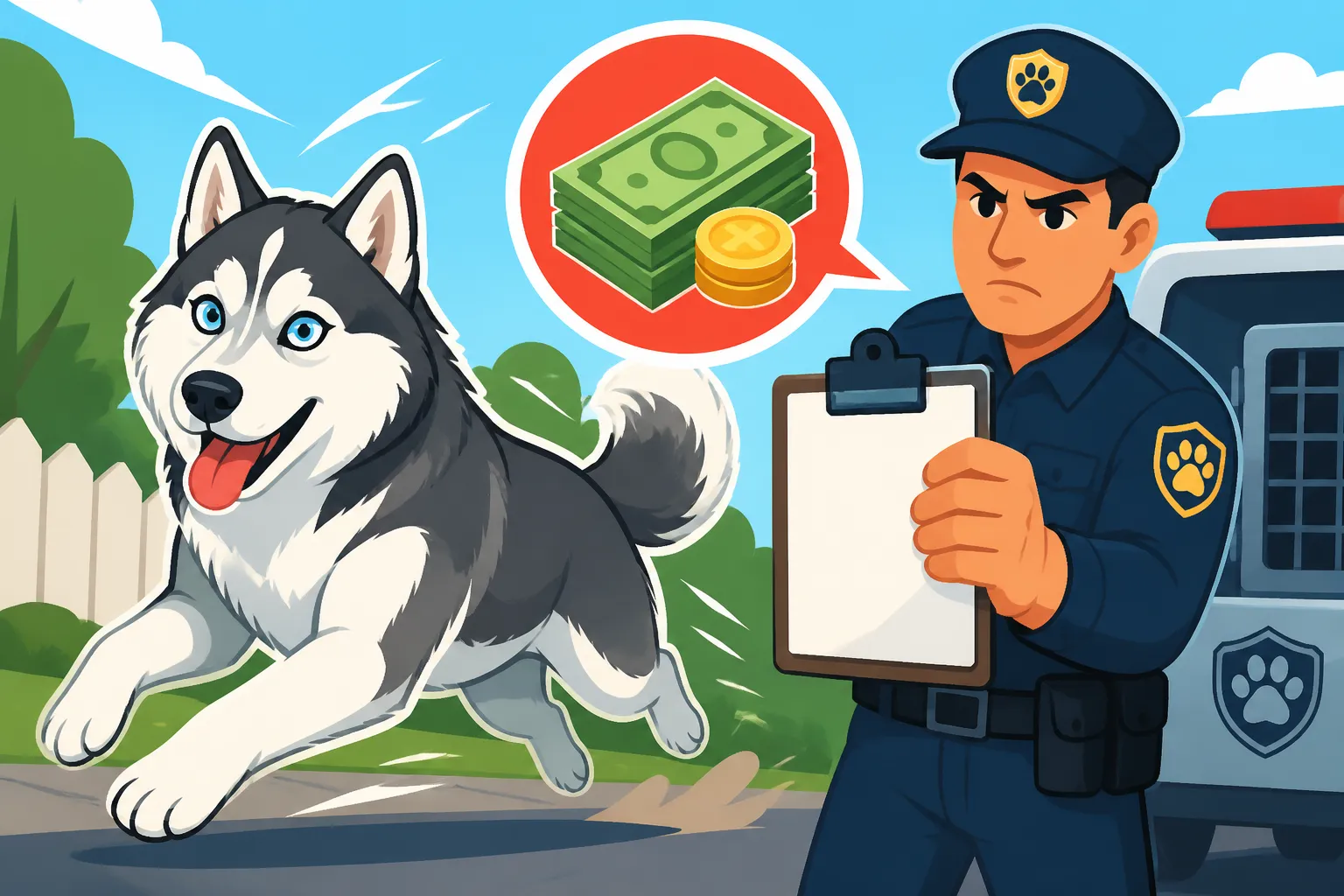
The financial hit of a loose Siberian Husky can catch many owners by surprise. It's not just a simple "fine." It's a layered cost that escalates with each incident and depends heavily on your local ordinances.
Standard Impoundment Fees and Daily Boarding
When you go to retrieve your Husky, expect to pay an initial impoundment fee. This covers the cost of the pick-up, processing, and initial care. These fees can vary significantly from one municipality to another, sometimes being a flat rate, other times depending on the time of day the animal was picked up (e.g., after-hours fees).
On top of the initial fee, you'll almost certainly incur daily boarding charges for every day your Husky stays at the facility. Think of it like a hotel stay for dogs, but one you really don't want to book. These daily rates add up quickly, making prompt retrieval crucial not only for your peace of mind but for your wallet. A few days can easily turn into a substantial bill.
| Fee Type | Description |
|---|---|
| Impoundment Fee | Initial charge for the pick-up and processing of your loose Siberian Husky. |
| Daily Boarding | Per-day fee for housing, feeding, and caring for your Husky while it's at the animal control facility. These costs accumulate rapidly. |
| Citation/Fine | Penalty for violating local ordinances, such as leash laws or nuisance laws. Can increase with repeat offenses. |
| License Penalty | Surcharge or fine if your Husky is not currently licensed or vaccinated for rabies, often required before release. |
| Vet Care Costs | Charges for any medical attention your Husky required while impounded (e.g., injury during escape, required vaccinations). |
| Microchip Fee | If your Husky wasn't chipped and the facility offers it, they might microchip before release, adding a cost. |
| Legal/Court Fees | In cases of repeat offenses, aggressive behavior, or significant damage, you might face court appearances and associated fees. |
Penalties for Repeat Offenders and Unlicensed Dogs
This is where the costs really start to climb. Most jurisdictions have escalating penalties for repeat offenders. A first-time offense might be a warning or a minimal fine, but the second or third time your Siberian Husky is picked up, the fines can become significantly higher. Some areas even double or triple the fees with each subsequent incident. It's a clear message: responsible pet ownership means keeping your dog contained.
Furthermore, if your Siberian Husky is not currently licensed or vaccinated against rabies (and many places require proof of rabies vaccination for licensing), you will likely face additional penalties. Animal control will almost certainly require you to get your dog licensed and up-to-date on its rabies shot before they'll release it. This means an extra trip to the vet, potentially unexpected vaccination costs, and the fee for the license itself, all compounding your already growing bill. It’s a harsh reminder that keeping up with these basic requirements saves you a lot of headache and money in the long run.
Additional Charges: From Citations to Damage
Beyond the impoundment and boarding, you can be slapped with specific citations for violating local ordinances. These might include "running at large," "failure to control," or "public nuisance." If your Siberian Husky caused any damage or disturbance while loose, the charges can multiply. For example, if your Husky chased livestock, damaged property, or got into an altercation with another dog, you could be held liable for those damages. Siberian Husky Prey Drive Around Small Animals means this is a very real concern, especially in areas with wildlife or other pets. Imagine the vet bills if your Husky tangles with another dog, or the cost of replacing property it damaged.
In some severe cases, if your dog is deemed to be a danger to the public, or if there's significant property damage or injury, the situation can escalate beyond simple fines to legal action. This is where pet liability insurance or homeowner's insurance might come into play, but it's far better to prevent the situation in the first place. These additional charges are a stark reminder that a loose Husky isn't just a concern for its owner; it's a community issue.
Beyond the Bill: Non-Financial Consequences for Husky Owners
While the financial burden of animal control fines can be substantial, some of the non-financial consequences can be even more impactful and heartbreaking for a Siberian Husky owner.
Reputational Damage and Community Relations
Picture this: your Siberian Husky, in its natural independent glory, decides to roam the neighborhood. Maybe it sniffs through a neighbor's trash, chases a cat up a tree, or digs up a prize-winning rose bush. While it might seem harmless to your adventurous Husky, your neighbors often don't see it that way. Repeated incidents can quickly erode goodwill in your community.
You might find neighbors are less friendly, more wary, or even actively hostile towards your dog. They might call animal control directly, rather than you, the next time they see your Husky loose. Local Facebook groups can light up with complaints, naming and shaming the "irresponsible Husky owner." This isn't just embarrassing; it can make living in your own community incredibly uncomfortable. Rebuilding that trust, once lost, is a long and arduous process, and one that often requires visible, consistent effort to prove your Husky is now securely contained.
Legal Repercussions and "Dangerous Dog" Designations
This is where things can get truly serious. If your Siberian Husky is picked up repeatedly, especially if it's involved in incidents like aggressive behavior towards people or other animals, the legal stakes rise. Depending on your local laws, your dog could be labeled a "dangerous dog" or "potentially dangerous." This designation comes with a slew of stringent requirements: special containment (like a specific type of kennel), muzzling in public, higher licensing fees, and potentially limitations on where you can live or even higher insurance premiums.
In some areas, breed-specific legislation might target Huskies, or if your dog is deemed aggressive, it could face a court hearing. This isn't just a fine; it’s a legal battle for your dog's future. The stress, the legal fees, and the emotional toll of fighting for your pet can be immense. It fundamentally changes the relationship you have with your dog, adding a constant layer of anxiety about compliance and potential further incidents.
The Heartbreak of Relinquishment or Euthanasia
This is the ultimate, most devastating consequence, and one that every Husky owner dreads. If your Siberian Husky is repeatedly picked up, if you cannot afford the escalating fines and fees, or if the dog is deemed too dangerous after multiple incidents, animal control may have the right to take permanent custody. This could lead to your beloved companion being put up for adoption, often without your consent, or, in the most tragic circumstances, euthanized.
The thought of What Losing a Siberian Husky Costs is profound, but losing them this way, through no fault of their own but due to human oversight or inability to pay, is crushing. This is a very real reason Why So Many Siberian Huskies End Up in Rescue; owners reach a breaking point, either financially or emotionally, when they can no longer contain or afford the consequences of their Husky's escape artistry. It’s a heartbreaking end to what should be a lifelong bond, and a potent reminder of the immense responsibility we take on when we welcome these intelligent, independent dogs into our lives.
Proactive Protection: Preventing Your Husky from Becoming a "Runner"
The best way to deal with animal control fines for a loose Siberian Husky is to ensure it never happens in the first place. Prevention is truly your best friend when it comes to this breed.
Secure Containment Strategies
You simply cannot underestimate a Siberian Husky's ability to escape. What might contain another breed will likely be seen as a puzzle or a minor inconvenience to a Husky. Your first line of defense is a truly secure yard. Forget anything less than a six-foot fence, and even then, understand that many Huskies can scale or jump that height with surprising agility. For true peace of mind, consider a fence that's at least six feet tall, with additional measures.
An "L-footer" or burying fence wire along the bottom edge is absolutely crucial to prevent digging. Burying Fence Wire Against a Digging Siberian Husky is a game-changer, as many Huskies are expert excavators. Coyote rollers, which are PVC pipes or similar materials installed along the top of a fence, can deter climbers. Double-gating systems, where you have two gates with space in between, provide an extra layer of security. Always ensure gate latches are complex and secure; some Huskies are clever enough to manipulate simple latches. Regularly inspect your fence for weak spots, loose boards, or areas where your Husky has been testing the boundaries. For apartments or homes without yards, secure crates are essential for containment when you're not actively supervising. You can find robust crates and strong leashes at places like Chewy, which cater to the needs of energetic breeds.
Training and Management as Your Best Defense
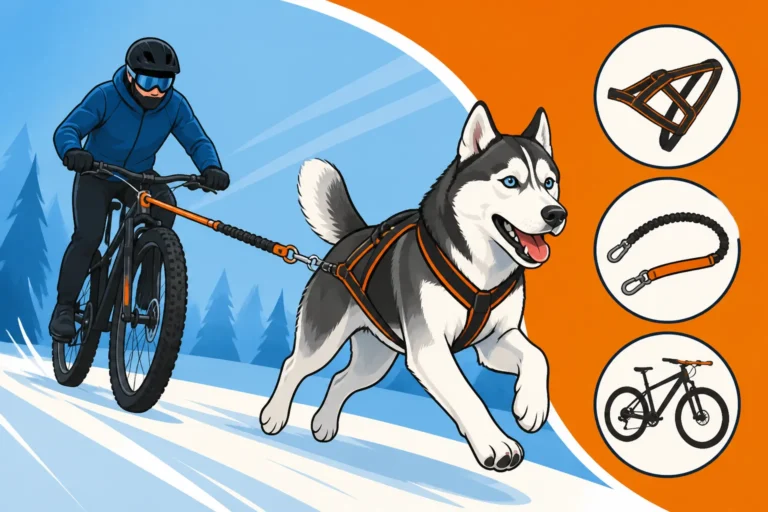
While physical containment is vital, it’s only one part of the equation. Mental stimulation and appropriate exercise are equally important. A bored or under-exercised Siberian Husky is a disaster waiting to happen, more likely to seek its own entertainment by escaping. Provide ample opportunities for vigorous exercise; these dogs need to run! Daily walks on a leash are often not enough. Consider activities like canicross, bikejoring, or even long hikes on a long line in a secure area.
Training, while challenging with an independent breed, is also key. Focus intensely on a solid Teaching a Siberian Husky to Come Back, even if you never plan to trust them off-leash. This recall could be a lifesaver if they do accidentally get out. Understand that Why a Siberian Husky Cannot Be Trusted Off Leash is a fundamental truth for the vast majority of these dogs. Teach them impulse control and work on "stay" commands. Invest in sturdy harnesses designed to prevent escapes, as Huskies are masters of slipping collars. Siberian Husky Leash Work Against a Pulling Instinct will also be critical for managing them when out and about, reducing the chance of them dragging you off after a squirrel.
Identification and Emergency Preparedness
Even with the best fences and training, accidents happen. A moment of distraction, a delivery person leaving a gate ajar, or an unexpected loud noise can lead to an escape. This is why having up-to-date identification is non-negotiable.
Your Siberian Husky should always wear a collar with current ID tags that include your phone number. More importantly, ensure they are microchipped, and that your contact information associated with the microchip is always current. Many animal control facilities offer microchipping services, but it’s best to have it done by your vet and registered immediately. A quick scan is often the fastest way to reunite a lost pet with its owner. Consider a GPS collar for an extra layer of security, especially if you live near busy roads or open land. These devices can give you real-time tracking, dramatically increasing the chances of a swift recovery.
Lastly, have an emergency plan. Know the contact number and location of your local animal control, and local shelters. Keep a recent, clear photo of your Husky readily available. Knowing what to do and who to call can shave precious hours off the search, and potentially save you from significant fines and heartache.
Disclaimer
This article is for general informational purposes only and does not constitute professional advice. Laws, prices and regulations vary by location and change over time. Consult a qualified professional for guidance on your specific situation.