Signs of Heat Trouble in a Siberian Husky
Siberian Husky heat stress indicators, including heavy panting and thick saliva, explained to protect dogs from dangerous heatstroke.
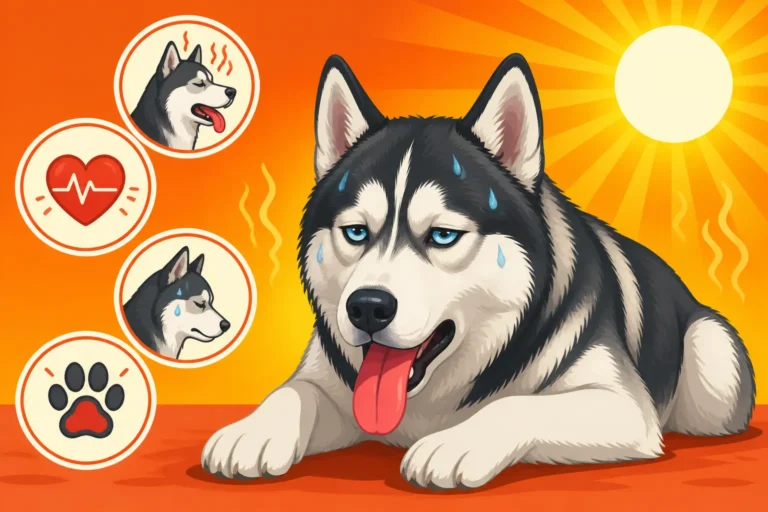
Siberian Husky heat stress indicators, including heavy panting and thick saliva, explained to protect dogs from dangerous heatstroke.

Siberian Husky diet management helps prevent weight gain from extra treats while maintaining their efficient athletic metabolism.

Raw feeding for a Siberian Husky requires balancing metabolic efficiency and nutritional needs without relying on wolf diet myths.

Siberian Huskies often need dietary supplements because their unique metabolism absorbs zinc less efficiently than other dogs.
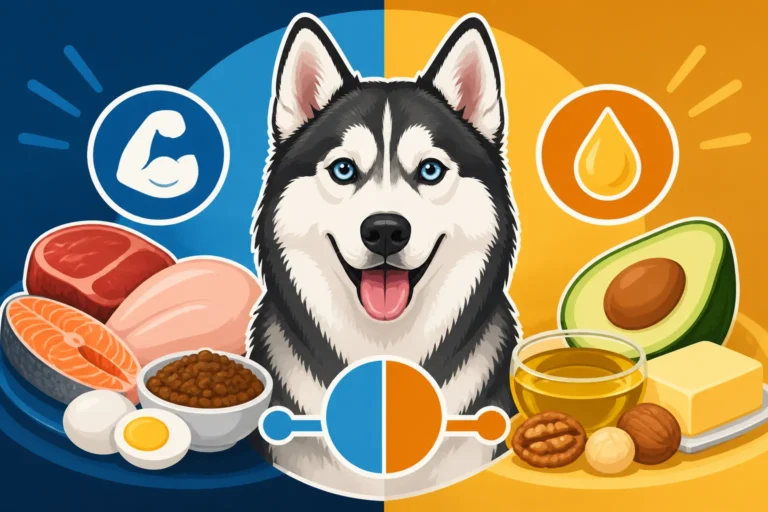
Siberian Husky protein and fat ratios explain how ancestral sled dog metabolism utilizes fat and protein for endurance energy.

Siberian Husky eating habits, high efficiency metabolism, and feast or famine instincts explain why some dogs skip meals.
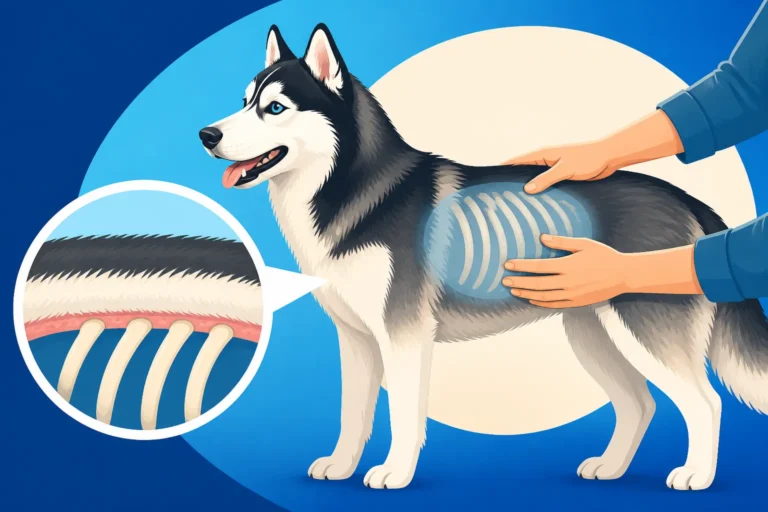
Siberian Husky weight assessment explains how to feel for ribs beneath the thick double coat to check body condition and waist tuck.
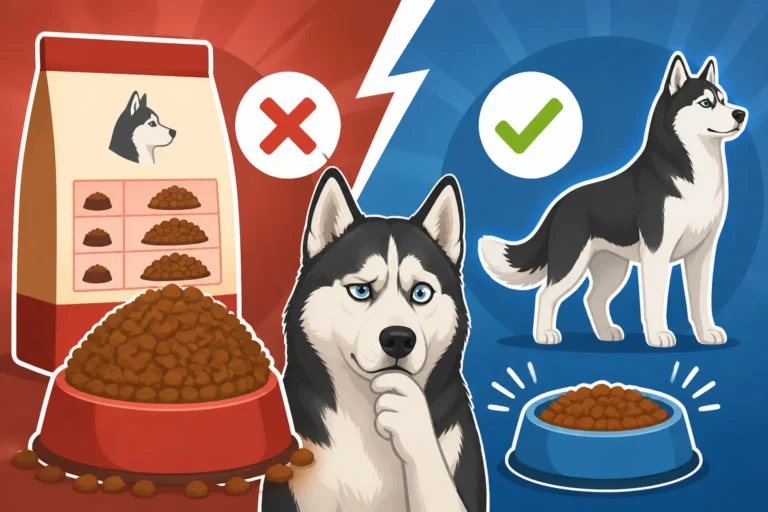
Commercial dog food feeding charts often overfeed Siberian Huskies because centuries of selective breeding created exceptionally efficient metabolism.

Adult Siberian Husky calorie targets based on activity level and metabolism help owners calculate proper daily food amounts.

Siberian Husky low odor comes from a water resistant double coat, guard hairs, and lower sebum production that starves bacteria.