Why So Many Siberian Huskies End Up in Rescue
Siberian Husky rescue numbers rise because owners underestimate their intense physical needs and independent, high energy temperaments.
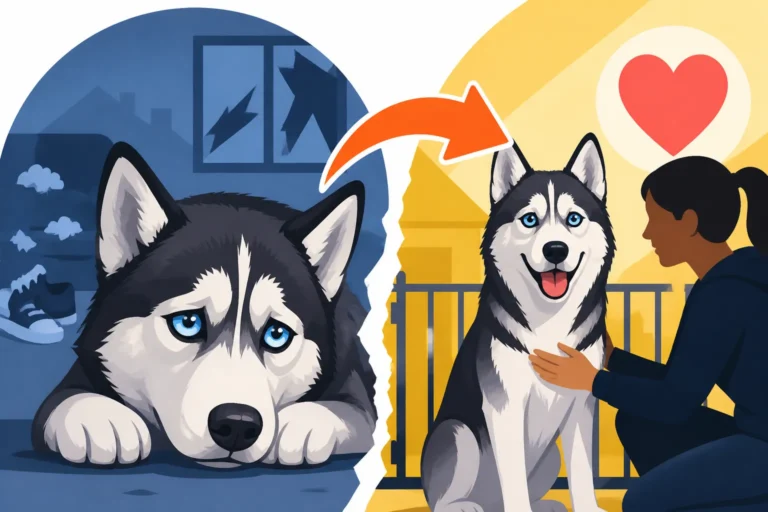
Siberian Husky rescue numbers rise because owners underestimate their intense physical needs and independent, high energy temperaments.
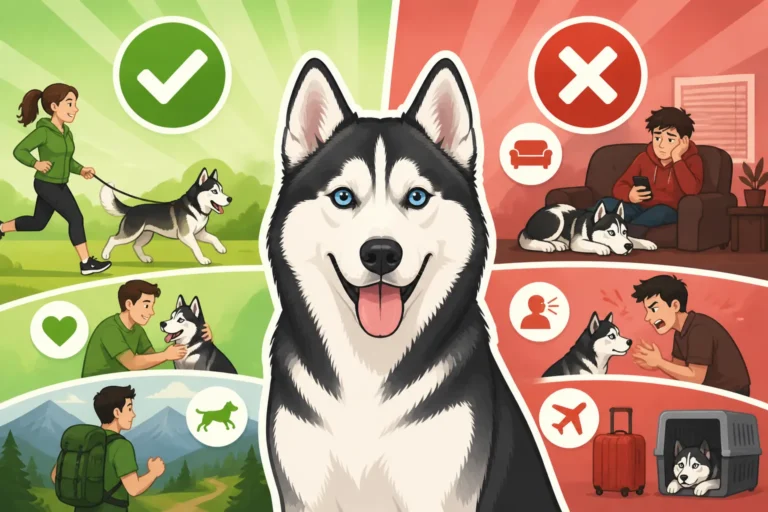
Siberian Husky ownership demands daily exercise, patience for independent behavior, and understanding of social needs.

Siberian Huskies were bred by the Chukchi people for Arctic endurance, pulling light loads across vast distances on minimal food.
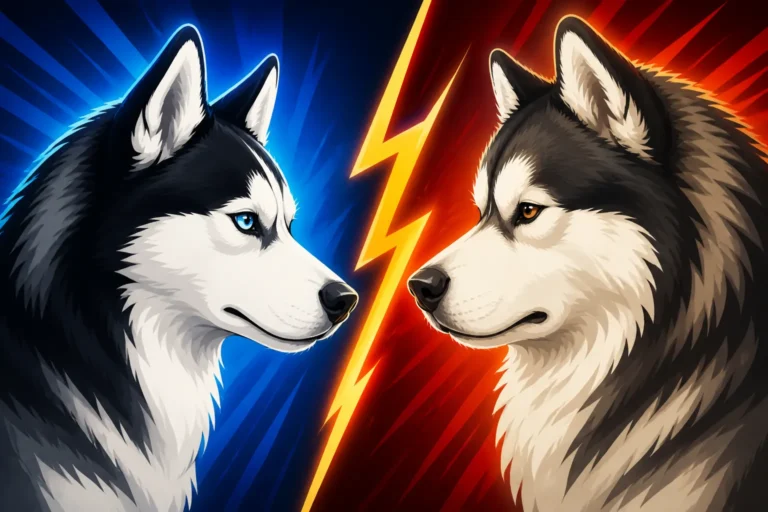
Siberian Huskies and Alaskan Malamutes differ in size, physical build, and their historical roles as Arctic sled dogs.

Siberian Husky coat colors and distinct markings explain the official palette, genetic diversity, and double coat structures of the breed.

Siberian Husky eye colors include blue, brown, amber, and green, with details on genetics and heterochromia health facts.
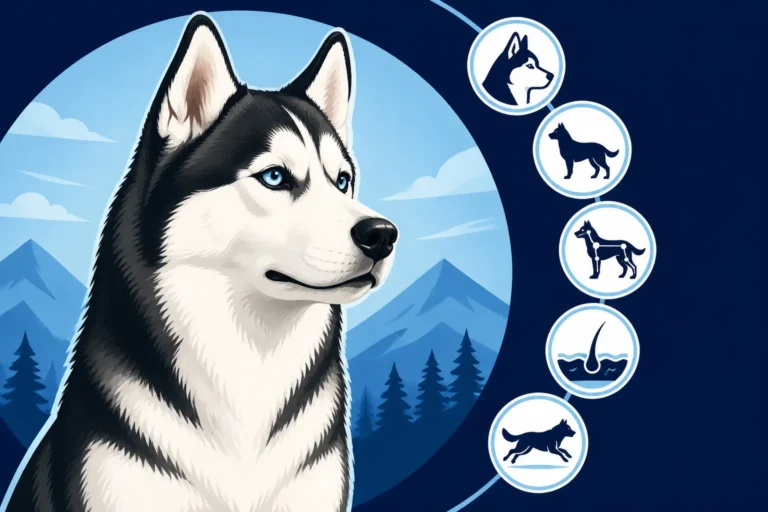
The American Kennel Club standard for the Siberian Husky explains the ideal appearance, gait, temperament, and frame.

Siberian Husky temperament traits include a friendly and gentle nature, marked independence, and an unshakeable drive.
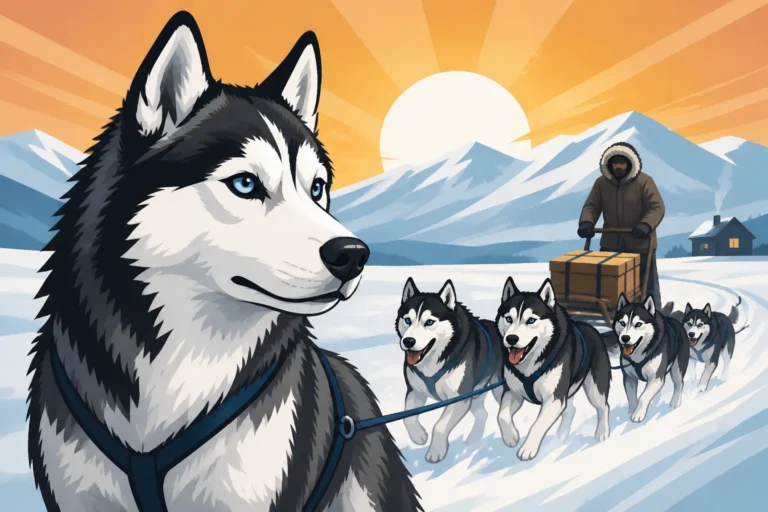
Siberian Husky sled teams braved brutal Alaskan winters during the 1925 diphtheria epidemic to deliver life-saving serum to Nome.
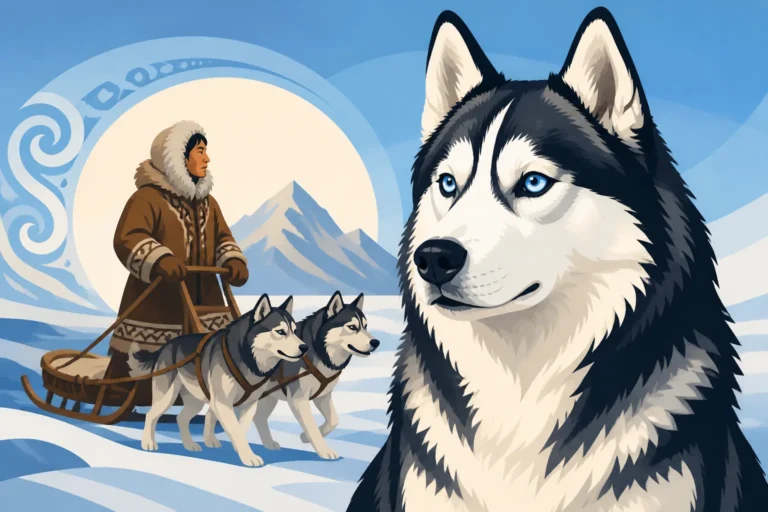
The Chukchi people of northeastern Siberia bred Siberian Huskies to survive harsh winters and transport supplies.