Siberian Husky Vet Visits by Life Stage
Siberian Husky veterinary care requirements covering puppy vaccinations, health checks, and spay or neuter timing from puppyhood to senior years.
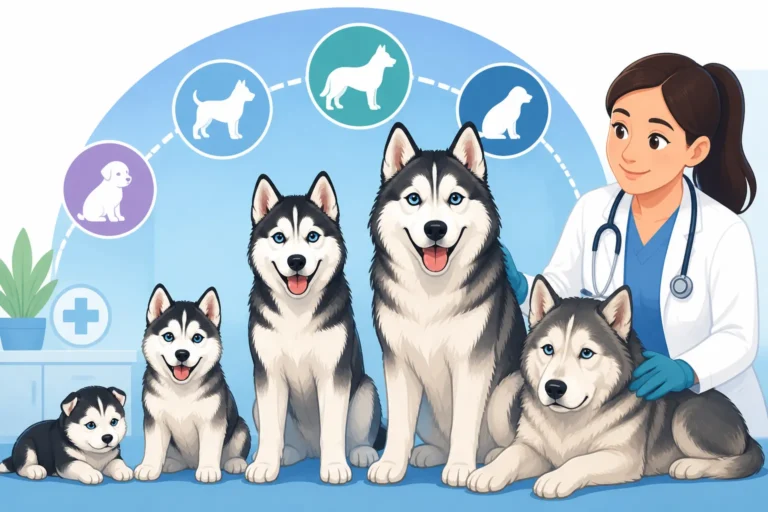
Siberian Husky veterinary care requirements covering puppy vaccinations, health checks, and spay or neuter timing from puppyhood to senior years.

Siberian Husky physical development happens from birth to twenty four months, including rapid growth and muscle maturity.

Siberian Husky health milestones from puppyhood to adulthood explain vaccinations, growth stages, teething, and early eye exams.
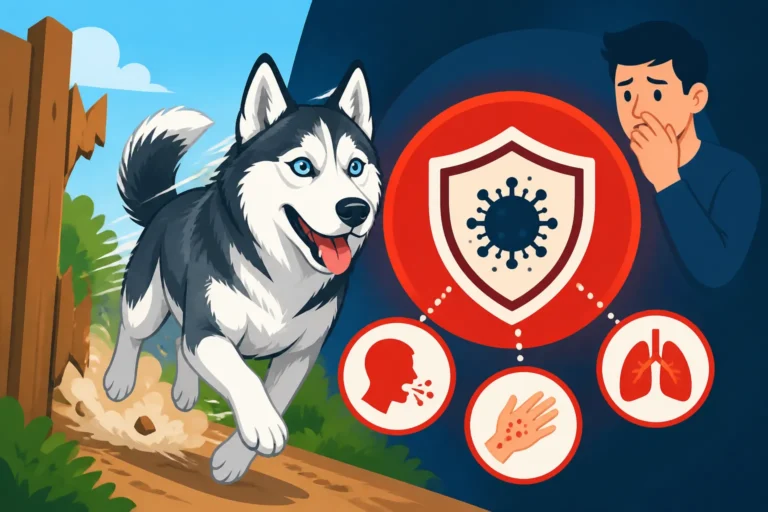
An escaped Siberian Husky faces severe health risks including traffic accidents, dog fights, wildlife confrontations, and dangerous diseases.

Siberian Husky escape risks, roaming instincts, and fence-jumping tactics explain trauma causes and prevention methods for owners.

Siberian Husky mortality rates involve trauma from roaming instincts, traffic accidents, wildlife conflicts, and major health conditions like cancer.

Siberian Husky lifespan averages twelve to fourteen years, but proper care helps some dogs reach fifteen, sixteen, or beyond.

Siberian Husky and Alaskan Malamute lifespans, compared with health profiles and lifestyle influences affecting longevity.

Siberian Husky longevity stems from resilient genetics producing low rates of hip dysplasia, cancer, and heart disease compared to other breeds.

The average Siberian Husky lifespan reaches 12 to 14 years, shaped by robust genetics and active lifestyles that maintain health.