Deciding About Surgery on an Old Siberian Husky
Surgery decisions for older Siberian Huskies require weighing age impacts, anesthesia risks, and post-operative recovery factors.
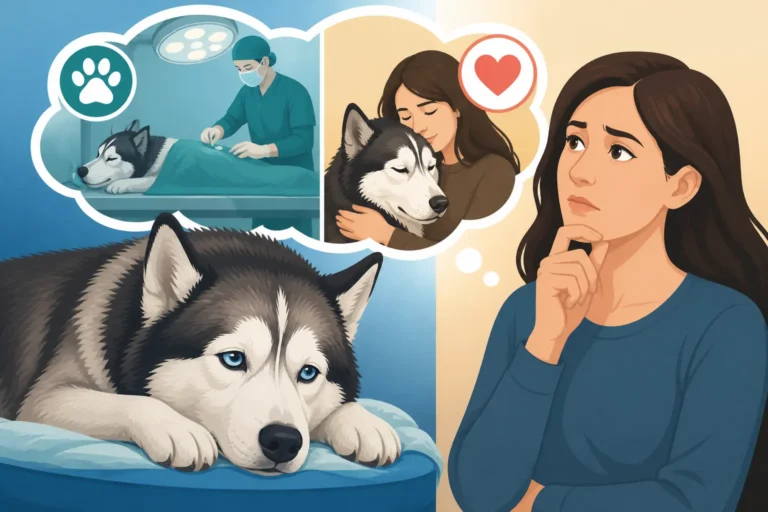
Surgery decisions for older Siberian Huskies require weighing age impacts, anesthesia risks, and post-operative recovery factors.

A Husky counts as senior in the last quarter of its estimated lifespan, and by nine its body shows physical, behavioral and health shifts owners should watch.
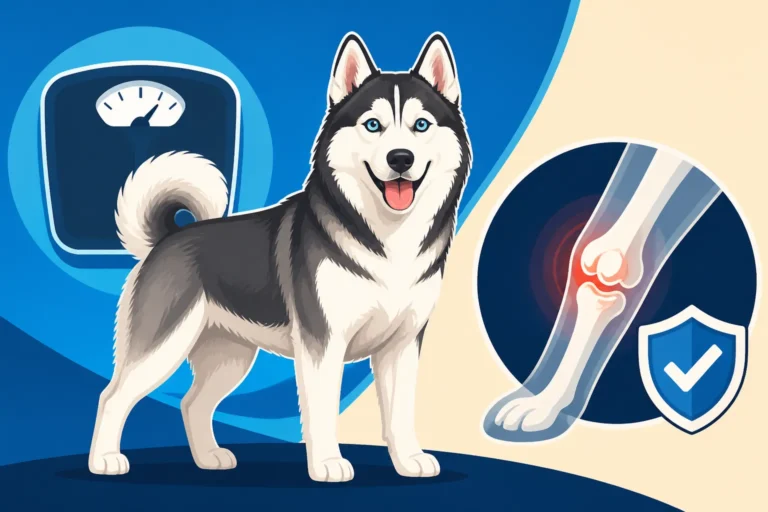
Siberian Husky weight management protects joint health by aligning feeding portions with their uniquely efficient metabolism and body condition scores.
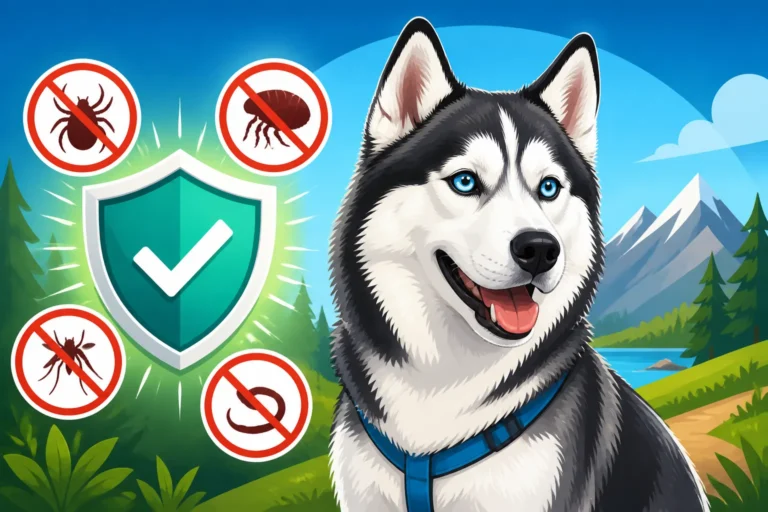
Outdoor Siberian Huskies face parasite risks from roaming, hunting wildlife, and regional climates hiding ticks and fleas.

Siberian Husky neutering affects the double coat, changing guard hairs and undercoat layers during recovery from surgery.

Siberian Husky puppy vaccination schedules protect dogs from deadly diseases like canine distemper and parvovirus infections.

Siberian Husky puppy health paperwork details veterinary exams, vaccination schedules, deworming records, and microchip documentation.

Siberian Husky CHIC certification requires specific health tests and hip dysplasia evaluations managed by the Orthopedic Foundation for Animals.
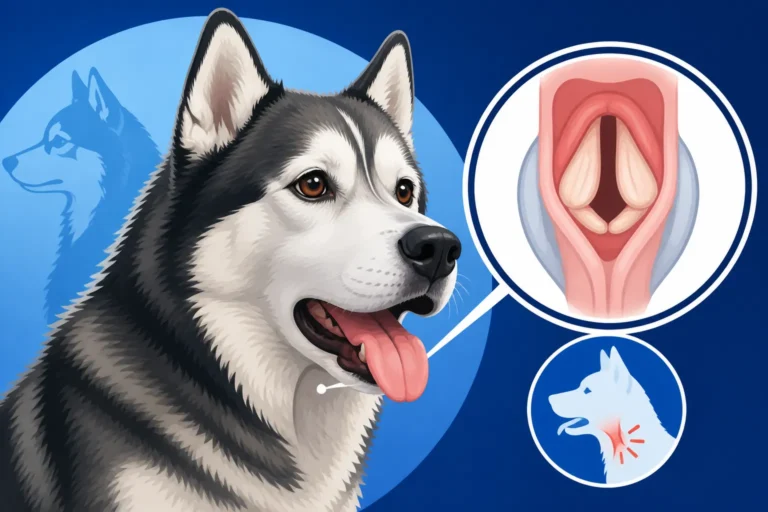
Laryngeal paralysis in senior Siberian Huskies causes labored breathing when nerve damage prevents the larynx from opening properly.
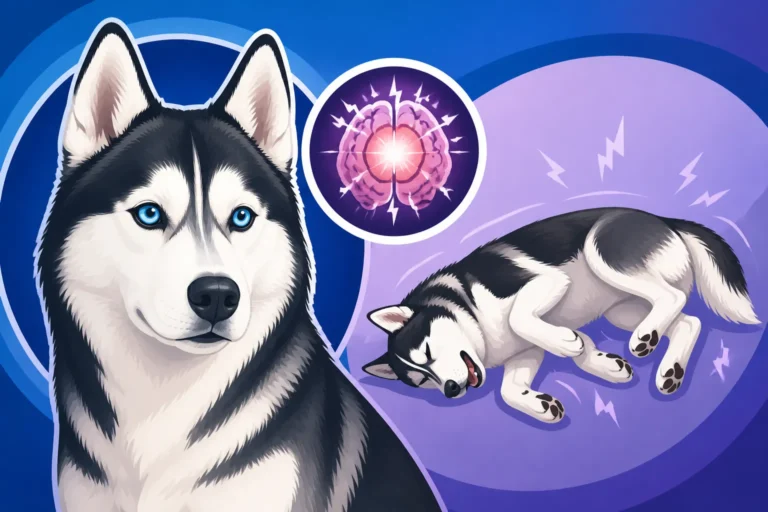
Siberian Husky seizures and idiopathic epilepsy are explained, detailing symptoms, genetic risks, diagnosis methods, and treatment options.