A Siberian Husky That Pulls Toward Other Dogs
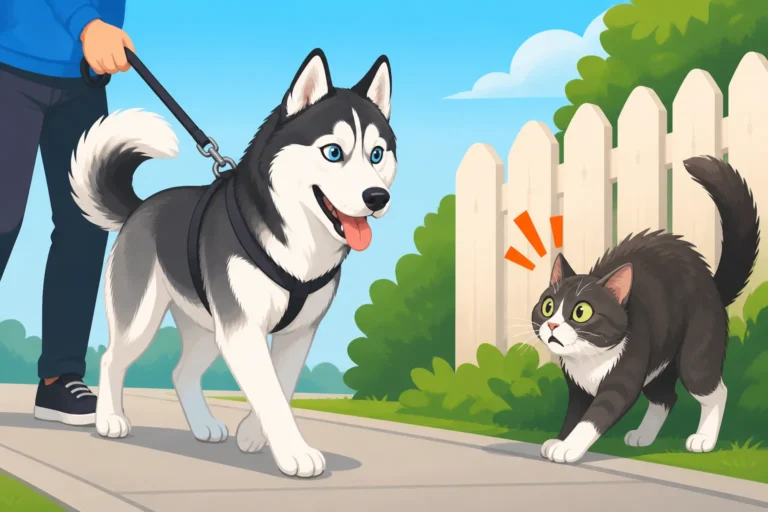
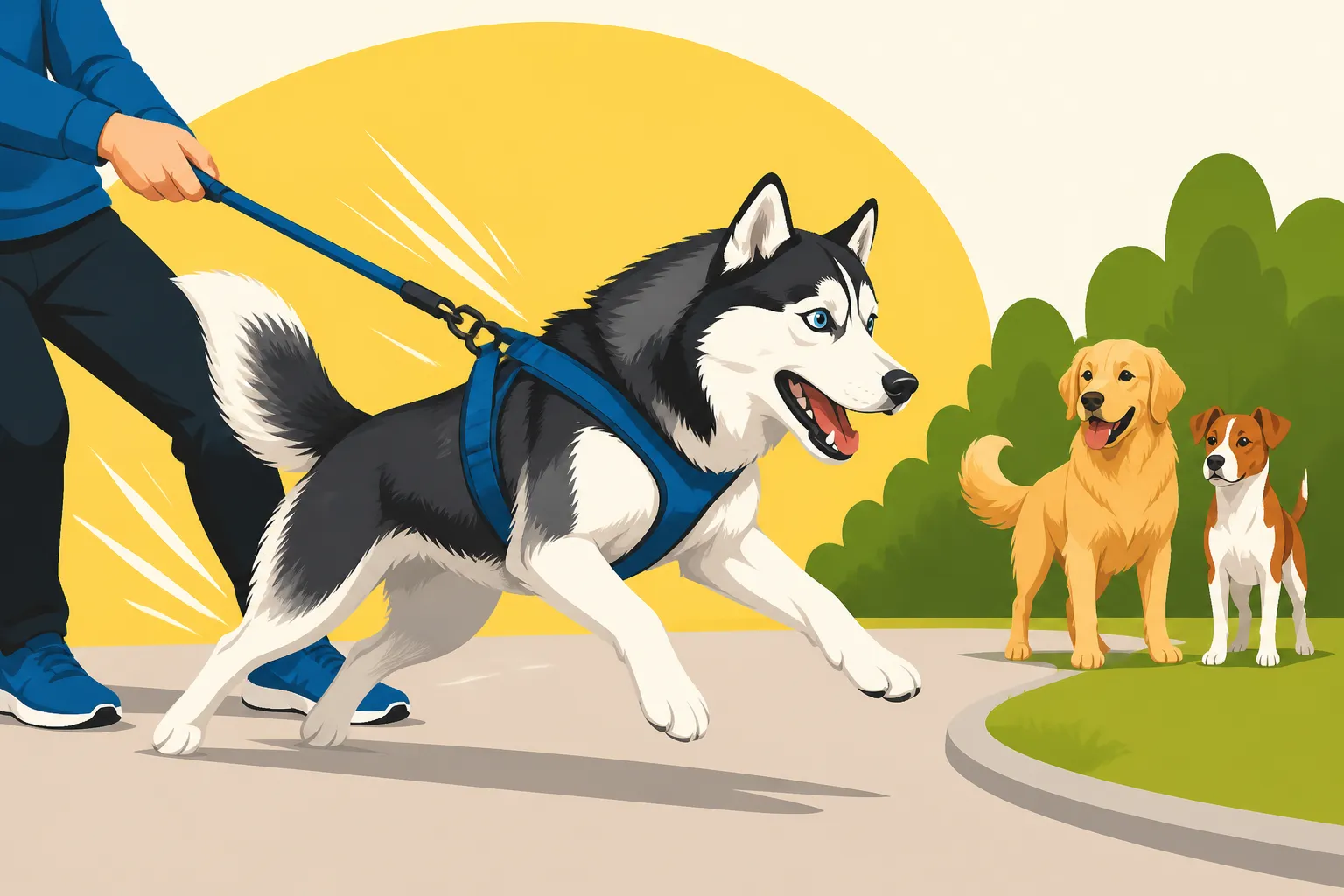
It's incredibly frustrating, and let's be honest, often downright embarrassing, when your beautiful Siberian Husky suddenly transforms into a freight train at the sight of another dog on leash. That sudden lunge, the frantic pulling, the noise – it can make you dread every single walk. This guide is here to help you understand why your Husky behaves this way and, more importantly, equip you with practical strategies to manage and eventually reduce this intense pulling towards other dogs.
The Instinct Behind the Pull: Why Your Siberian Husky Becomes a Leash Rocket
Siberian Huskies are magnificent, powerful dogs, bred for endurance and pulling. Their instincts are deeply ingrained, and understanding these is the first step toward managing their behavior. It’s not just about "being stubborn"; there's often a complex mix of genetics, unmet needs, and learned behavior at play.
Hardwired Drive and Energy Levels
Let's face it, your Husky wasn't bred to stroll politely on a city sidewalk. They were bred to cover vast distances, pulling a sled with a team of other Huskies, often with a specific job in mind. This means they have an immense amount of energy and a natural inclination to pull. When they see another dog, that energy can suddenly surge, especially if they associate other dogs with excitement, play, or even frustration. It’s like their internal switch flips, and their brain says, "Go! Engage!"
Think about it: a Husky seeing another dog might translate in their mind to "another member of the pack" (potential playmate), "something to chase" (prey drive), or "competition" (resource guarding, even if it's just attention). This innate drive to move, combined with their breed's typical independence, means they can be incredibly difficult to redirect once they've fixated. You’ll find more insights into their unique mindset in Training an Independent Siberian Husky.
Lack of Early Socialization or Negative Experiences
A common misconception is that "socialization" means letting your puppy play with every dog they meet. While positive interactions are crucial, true socialization is about teaching your Husky to be neutral and calm in the presence of other dogs, not necessarily to interact with every single one. If a Husky puppy missed out on varied, positive experiences with well-behaved adult dogs and different environments during their critical development window (roughly 8-16 weeks), they might grow up to be anxious, overly excited, or even fearful when encountering new dogs.
Alternatively, a single bad experience, like being jumped on by an overly boisterous dog or getting into a scuffle, can quickly teach a Husky that other dogs are a threat or something to be wary of. This can manifest as reactivity – the pulling, barking, lunging – as a way to create distance or preemptively scare off the perceived threat. It's their way of saying, "Stay away!" before anything negative can happen.
Leash Frustration and Barrier Reactivity
Another significant factor is leash frustration, often called barrier reactivity. Your Husky sees another dog, and their instinct is to go, investigate, play, or challenge. But then, you hold them back with the leash. This creates a barrier, and the frustration of being unable to act on their impulse builds up. This bottled-up energy often explodes into pulling, lunging, and vocalizations. It's a classic case of wanting what you can't have, exacerbated by the physical restraint.
Imagine being excited to greet a friend, but someone holds you back and tells you not to move. Eventually, you'd probably get frustrated and maybe even a little angry. It's similar for our Huskies. The leash, intended for safety and control, can sometimes become a trigger for this explosive behavior.
Deciphering the Drama: Excitement vs. Reactivity
It's crucial to distinguish between a Husky that's overly excited to say hello and one that's genuinely reactive due to fear, anxiety, or frustration. While both can result in pulling, lunging, and barking, the underlying emotion dictates your training approach.
The Overly Excited Greeter
This Husky typically has loose, wiggly body language before the lunge. Their tail might be wagging broadly, their ears are often forward and relaxed, and their mouth might be open in a "panting smile" or "happy pant." They might let out high-pitched yips or a series of happy barks, but the tone is usually joyful, not aggressive. When they lunge, it's typically an attempt to close the distance and initiate play or a greeting.
They aren't trying to scare the other dog away; they're trying to get to the other dog. This behavior often stems from insufficient impulse control training and a strong desire to interact. For these Huskies, the problem is often that they haven't learned polite greetings or that not every dog is available for play. You'll often see this type of exuberance in younger Huskies.
The Reactive, Fearful, or Frustrated Husky
A truly reactive Husky often exhibits more rigid body language. Their tail might be stiff, either tucked or held high and stiffly wagging. Their ears might be pinned back or constantly swiveling. You might see lip-licking, yawning (stress signals), or a furrowed brow. Their vocalizations might be deeper barks, growls, or the famous Husky "scream" or "talk" that sounds more like an argument.
When they lunge, it's often with a stiff posture, hair raised along their spine (piloerection), and they might snap or try to avoid eye contact once closer. This isn't about wanting to play; it's about managing an uncomfortable situation. They could be genuinely fearful, trying to create distance, or deeply frustrated by the leash's restraint. Their focus is almost entirely on the other dog, and they're very difficult to distract. Siberian Husky Leash Work Against a Pulling Instinct further explores how their inherent pulling can complicate things.
Strategic Leash Management: Tools and Techniques
Managing a Husky that pulls towards other dogs requires a multi-faceted approach, combining the right equipment with consistent, positive reinforcement training.
Essential Gear for Better Control
Trying to manage a powerful pulling Husky with a flat collar alone is a recipe for disaster (and potentially injury to their neck). The right tools can make a world of difference.
- Front-Clip Harnesses: These are often a game-changer for many Husky owners. Instead of the leash clipping on the back, it clips on the chest. When your Husky pulls, the leash redirects their momentum to the side, gently turning them towards you rather than allowing them to lean into the pull. This provides much more leverage and discourages pulling without causing pain. Brands like Easy Walk or Freedom Harness are popular and widely available on platforms like Amazon.
- Head Halters (Halti, Gentle Leader): For some Huskies, a head halter offers even more control. It works similarly to a horse's halter, guiding the dog's head, and where the head goes, the body follows. These can take some getting used to for your Husky, and positive association is key – lots of treats when it goes on and while they wear it. Always introduce gradually.
- A Sturdy Leash: A 6-foot nylon or leather leash with a comfortable handle is ideal. Avoid retractable leashes entirely, as they offer no control and can teach your dog that pulling extends their reach.
Comparison of Popular Leash Control Tools
| Tool Type | How it Works | Pros | Cons | Ideal For |
|---|---|---|---|---|
| Flat Collar | Leash attaches to a ring around the neck. | Simple, standard. | No real control against pulling; can cause neck injury; easy to slip out of. | Well-trained dogs, ID tags only. |
| Martingale Collar | Tightens slightly under tension to prevent slipping. | Prevents escape, gentle tightening. | Still allows pulling pressure on neck; not ideal for strong, sustained pullers. | Escape artists, dogs with narrow heads (like Huskies) who might back out of flat collars. |
| Front-Clip Harness | Leash attaches to clip on dog's chest. | Redirects pulling power, turns dog towards handler, no neck pressure. | Some dogs may still pull or rub in armpit area (ensure proper fit). | Most pulling Huskies; good initial control. |
| Head Halter | Fits over muzzle and behind ears, like a horse halter. | Excellent control over head direction; very effective for strong pullers. | Can be uncomfortable or confusing for dogs initially; requires positive introduction; some dislike it. | Strong, persistent pullers; highly reactive dogs needing maximum control. |
Training Techniques for Success
Consistent training is the cornerstone of managing this behavior. This isn't a quick fix, but with patience and dedication, you can see significant improvement.
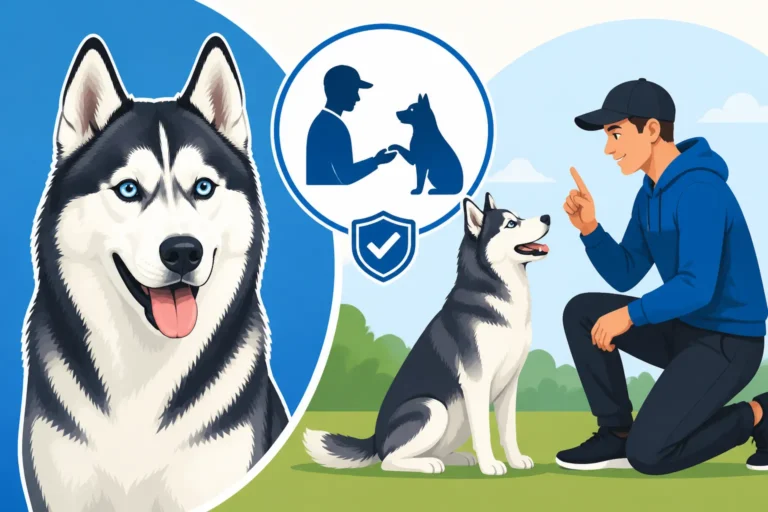
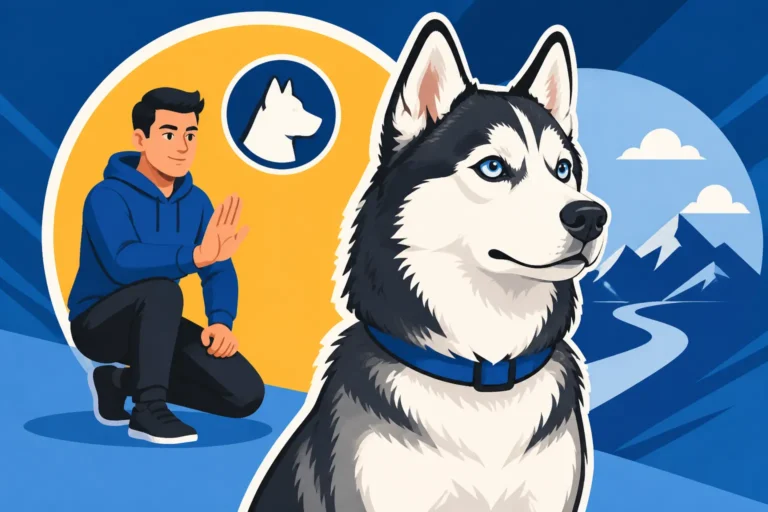
- "Look at Me" or Eye Contact Drills: Start in a low-distraction environment. Hold a high-value treat near your nose. When your Husky looks at you, mark the behavior (a verbal "yes!" or a clicker) and reward. Gradually increase the duration of eye contact and introduce minor distractions. The goal is to build a strong association: "When I look at my human, good things happen, even if there's a distraction." This builds focus and a reliable way to get their attention before they fixate on another dog. You can start this training through online programs like BAXTER & Bella, which emphasize positive reinforcement and foundational skills.
- Engage-Disengage Game (for reactivity): This is fantastic for reactive Huskies. The idea is to change your Husky's emotional response to other dogs from negative (fear, frustration) to positive.
- Find a distance where your Husky notices another dog but doesn't react (their threshold).
- As soon as they see the other dog (engage), immediately give them a high-value treat (disengage them from the dog and redirect to you).
- Repeat. See dog, treat. See dog, treat.
- The goal is for them to eventually see another dog and look at you expectantly for the treat, changing their emotional response from "oh no!" or "GAAH!" to "oh, treat!" This takes time and many repetitions.
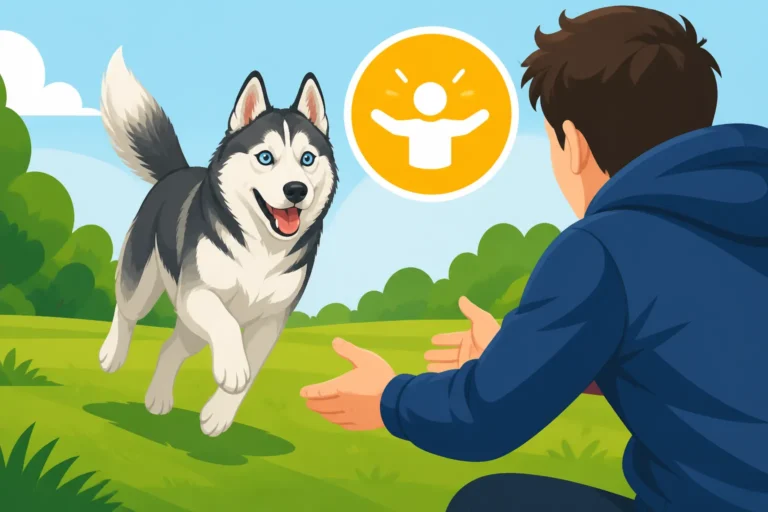
- U-Turns and Direction Changes: Before your Husky can react or lunge, if you notice them starting to fixate, immediately turn and walk in the opposite direction. As you turn, cheerfully say "Let's go!" or "This way!" and reward them for following your lead. This teaches them that ignoring the distraction and staying with you leads to good things, and it physically moves them away from the trigger. It also prevents them from practicing the unwanted behavior (pulling towards the other dog). Consistency is key, and you'll find Teaching a Siberian Husky to Come Back has good advice on building reliability.
- Desensitization and Counter-Conditioning: This involves gradually exposing your Husky to other dogs in a controlled, non-threatening way, while simultaneously creating a positive association. This is often best done with the help of a professional trainer.
- Start at a significant distance where your Husky is completely calm.
- As another dog passes, reward your Husky with treats or praise.
- Slowly, over many sessions and days/weeks, decrease the distance, always ensuring your Husky remains below their reaction threshold. If they start to react, you've moved too close, too fast – increase the distance again.
- The goal is to teach them that other dogs predict good things, not stress or frustration.
Building Better Leash Manners and Focus
Beyond directly addressing the pulling, focusing on general obedience and impulse control will drastically improve your walks.
Prioritizing Loose Leash Walking
Even when no other dogs are present, practice loose leash walking in various environments. Reward your Husky every single time the leash is slack. If the leash tightens, stop dead in your tracks. Only move forward when the leash goes slack again. This is a powerful, clear consequence: pulling gets you nowhere. Walking politely gets you forward momentum.
Consider incorporating short, fun training sessions into every walk. Stop, ask for a "sit" or "stay," reward, and then continue. This keeps your Husky engaged with you rather than constantly scanning for potential distractions. Learning to enjoy walks together, without constant tension, is a huge win. Siberian Husky Leash Work Against a Pulling Instinct covers this in more detail.
Increasing Exercise and Mental Stimulation
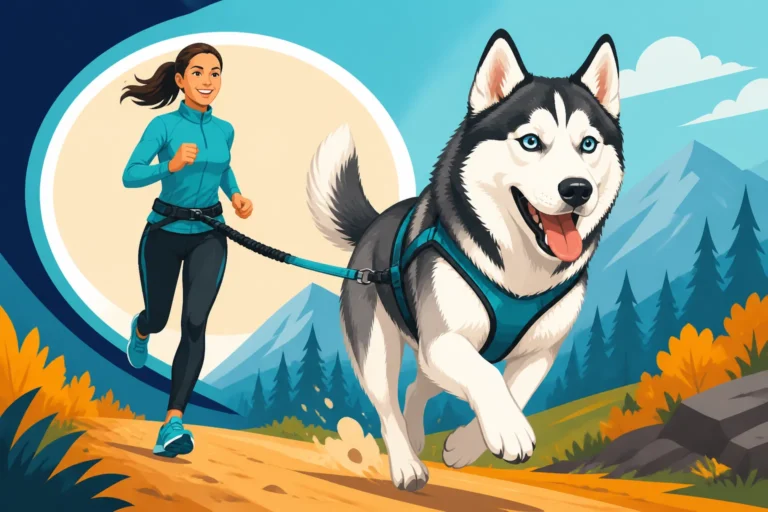
A bored or under-exercised Husky is a Husky with pent-up energy, and that energy is far more likely to explode on leash at the sight of another dog. Ensure your Husky gets plenty of appropriate physical exercise before walks where you might encounter other dogs. This doesn't just mean a quick stroll around the block. Think about fast-paced runs, fetch in a secure area, or even dog sports like canicross if you're up for it.
Beyond physical activity, mental stimulation is vital for this intelligent breed. Puzzle toys, scent work, and consistent training sessions can tire their minds as much as their bodies. A Husky whose brain is tired is often a calmer Husky on leash. A long-line can be incredibly useful for safe, extended exercise in a park where you might occasionally see other dogs from a distance; you can find robust options on Amazon. Just be sure to practice first in an empty field.
Consistency and Patience: The Husky Mantra
Let's be real: training a Siberian Husky is rarely a straight line. There will be good days and bad days. The key is unwavering consistency from everyone in the household. If one person allows pulling and another doesn't, your Husky will get mixed signals and progress will be slow.
Be patient with your Husky and with yourself. This behavior didn't develop overnight, and it won't disappear overnight. Celebrate small victories – a shorter lunge, a quicker recovery, a moment of eye contact in a distracting environment. Remember, you're working against deeply ingrained instincts, but with the right tools, techniques, and a whole lot of love and understanding, you can teach your Siberian Husky to navigate the world of other dogs with more grace and less drama.
Disclaimer
This article is for general informational purposes only and does not constitute professional advice. Laws, prices and regulations vary by location and change over time. Consult a qualified professional for guidance on your specific situation.