Teaching a Siberian Husky Gee and Haw
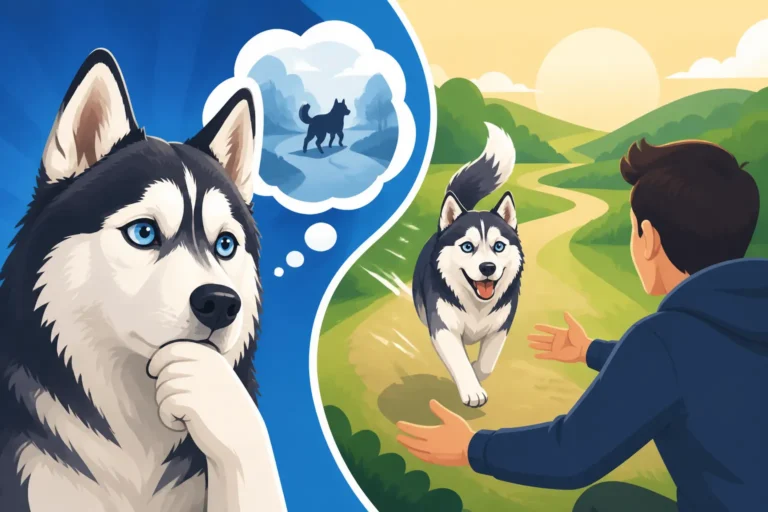
It's incredibly frustrating when you're trying to communicate with your Siberian Husky, especially when you need them to go a specific way, and they just look at you like you're speaking another language. Traditional "heel" and "come" often feel like a suggestion rather than a command for these independent spirits, and that goes double for directional cues. This guide is all about helping you teach your husky those vital "Gee" (right) and "Haw" (left) commands, bridging the gap between their natural instincts and your need for clear direction.
Understanding "Gee" and "Haw" in the Husky World
Let's be honest, when most people think about dog training, they picture a Labrador dutifully sitting or a Border Collie herding sheep. But a Siberian Husky? They're often out there doing their own thing, sniffing that tantalizing scent or deciding they know the best path. That's why cues like "Gee" and "Haw" feel so different. They come from a world where dogs were partners, not just pets, making decisions on the trail with their human.
What These Cues Actually Mean for a Husky
"Gee" and "Haw" aren't just fancy words for "right" and "left"; they're deeply rooted in the working history of sled dogs. Imagine a team of huskies pulling a sled through a blizzard in Alaska. The musher isn't beside them with a leash, physically tugging them. Instead, they're relying on these verbal cues to navigate treacherous terrain, avoid obstacles, and keep the team moving efficiently. "Gee" means go right, and "Haw" means go left. These aren't just turns; they're commands that demand a shift in momentum, direction, and focus from a dog bred to cover miles.
For your pet husky, even if they're not pulling a sled, these cues tap into that ancestral intelligence. It's about engaging their mind in a way that aligns with their historical purpose. Instead of just a casual stroll, you're giving them a "job" – navigating a path with you. This can be incredibly fulfilling for a breed that thrives on purpose and partnership. It's a cooperative language, a dance you learn together, rather than a forceful instruction.
Why Traditional Obedience Won't Cut It Here
If you've ever tried to force a Siberian Husky to do something they don't want to do, you know it's a losing battle. Their independence isn't "stubbornness" in the negative sense; it's a testament to their breeding as problem-solvers who often had to make split-second decisions on their own. This means that a lot of traditional obedience methods, which rely heavily on compliance and pleasing the owner, simply won't resonate with a husky. They're more likely to shut down, wander off, or offer a sassy husky "woo-woo" in response.
"Gee" and "Haw" training requires a different approach. It's less about dominance and more about gentle guidance, clear communication, and creating an environment where your husky chooses to cooperate because it's rewarding. They need to understand the "why" behind the command, even if the "why" is simply "because this leads to a super tasty treat!" or "this means we get to keep moving and explore!" This breed needs to feel like they're part of a team, not just a soldier following orders. Without this shift in mindset, you'll likely find yourself getting frustrated while your husky continues to call the shots.
Laying the Groundwork: Prerequisites for Success
Before you even think about shouting "Gee!" at your husky during your next walk, there's some vital groundwork to cover. Think of it like building a house: you wouldn't start with the roof, right? You need a solid foundation, and with a Siberian Husky, that foundation is built on trust, understanding, and the right tools for the job. Skipping these steps often leads to frustration for both you and your furry companion, making the process much harder than it needs to be.
Building a Strong Foundation of Trust and Connection
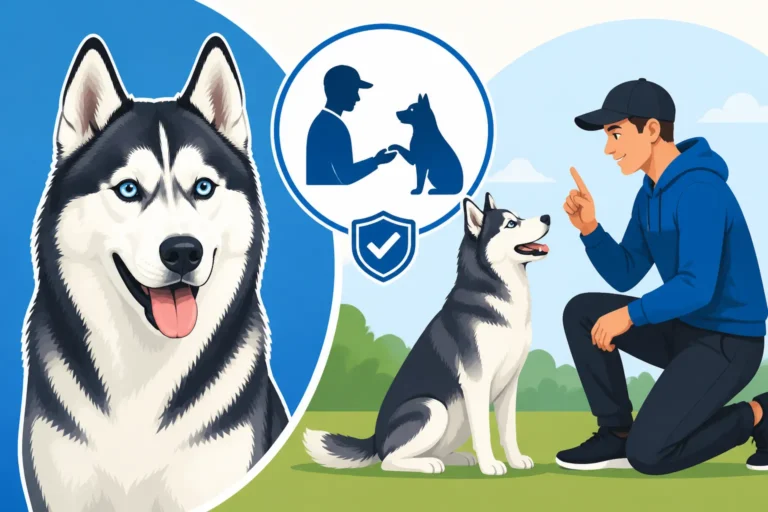
Huskies are incredibly intelligent, but they're also fiercely independent. They're not going to perform for you just because you asked; they need to believe in your leadership and enjoy the process. This means your relationship needs to be strong and built on positive experiences. If your husky already sees you as a fun, fair, and consistent leader, they'll be much more receptive to learning new cues. Spending quality time together, engaging in activities they love, and consistent positive reinforcement for good behavior are all crucial.
You can't expect a husky to respond to complex directional cues if they haven't learned to pay attention to you in general. Practice basic focus exercises in a variety of environments. Make training a game, full of praise and high-value rewards. Remember, the goal isn't just compliance, but cooperation. When you're working with your husky, keep sessions short, fun, and always end on a positive note. This builds their enthusiasm for learning with you, which is essential for a breed that values its autonomy. For more on this, check out Training an Independent Siberian Husky.
Essential Equipment for Directional Training
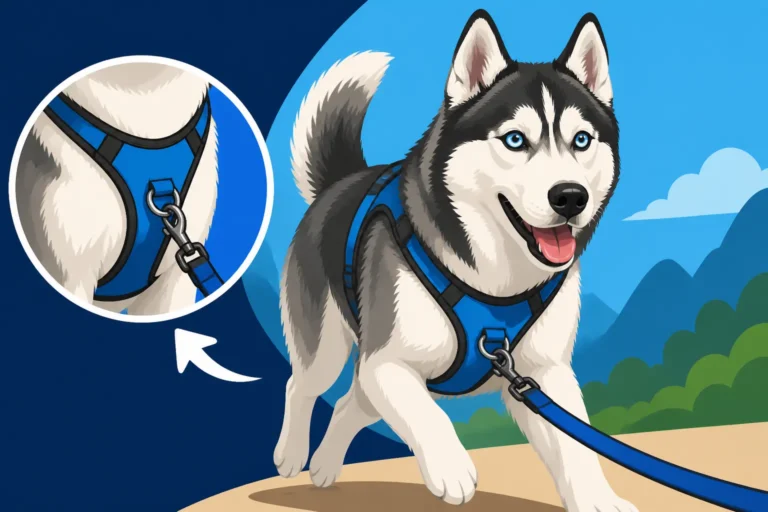
Forget the choke chains or prong collars; those tools are counterproductive for a husky and will damage your relationship. For directional cues, especially if you plan to incorporate them into activities like canicross or bikejoring, a proper pulling harness is key. This is different from a regular walking harness, as it's designed to distribute pressure evenly across their chest and shoulders, allowing them to pull comfortably and efficiently. A well-fitting harness prevents injury and clearly signals to your husky that it's "work time."
You'll also need a sturdy long line or a Thirty Feet or Fifty on a Siberian Husky Line. This allows you to practice directional cues with a sense of freedom, mimicking the feel of working ahead of you, while still maintaining control and safety. Look for durable, weather-resistant lines that are easy to grip. You can find excellent options for harnesses and long lines on platforms like Amazon, which offer a wide variety of styles and sizes. Just be sure to measure your husky carefully to ensure a perfect fit. Remember, the right gear is an investment in your training success and your husky's comfort.
Step-by-Step: Teaching Gee and Haw
Alright, now that we've covered the crucial groundwork, it's time to dive into the actual training. Teaching "Gee" and "Haw" isn't an overnight process, especially with a clever Siberian Husky. It requires patience, consistency, and a little bit of creativity to keep them engaged. Think of it as a conversation where you're introducing new words to their vocabulary, slowly building their understanding through repetition and positive association.
Introducing the Cues with Lures and Movement
Start in a quiet, low-distraction environment, like your backyard or a calm indoor space. You won't even need the harness for the very first steps. The idea here is to make the connection between the verbal cue, a physical turn, and a reward.
- Start with Luring: Hold a high-value treat (something your husky absolutely adores) near your husky's nose.
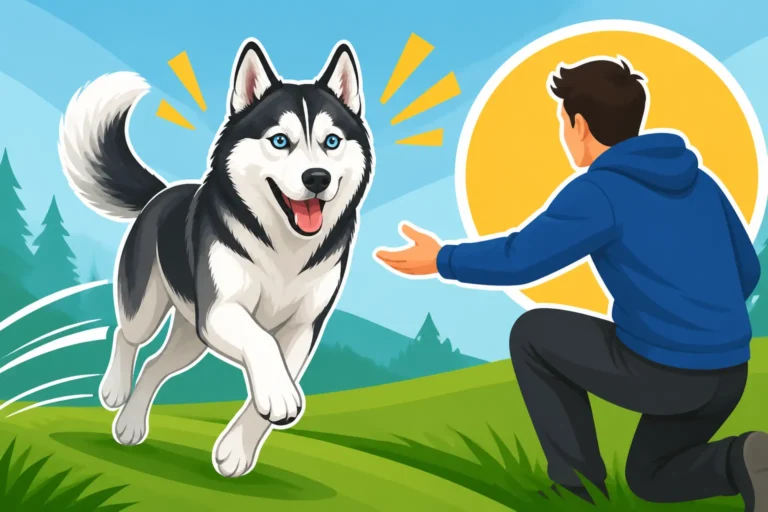
- Initiate the Turn: Say "Gee!" (for right turn) or "Haw!" (for left turn) clearly and enthusiastically. Immediately, use the treat to lure your husky into a wide, sweeping turn in the desired direction. Use your body language to guide them, stepping into the turn yourself.
- Reward: The instant their nose points in the new direction or they complete the turn, give them the treat and lavish them with praise ("Good Gee!").
- Repeat: Do this several times in one direction, then switch to the other. Keep sessions very short – just a few minutes at a time – to maintain their interest. You want to practice a few successful repetitions, not exhaust their attention span. The goal is for them to associate the sound of "Gee" or "Haw" with the physical act of turning and the fantastic reward that follows.
This phase is about building a strong positive association. Don't worry if it's not perfect yet; consistency is your best friend.
Progressing to the Harness and Line
Once your husky reliably understands the concept of turning with a lure and verbal cue, it's time to introduce the working harness and a long line. This is where you start to simulate the "work" environment of pulling or guiding.
- Gear Up: Put on their pulling harness and attach a long line. Head to a slightly more open, but still relatively controlled, outdoor space, like a large, fenced field or an empty park.
- Start Moving: Begin walking casually with your husky on the long line. Let them walk slightly ahead of you, getting comfortable with the feel of the harness and line.
- Cue and Guide: When you want them to turn, say the cue ("Gee!" or "Haw!"). Immediately, use a slight, gentle tug on the long line in the direction you want them to go, while simultaneously stepping into the turn yourself. Your body language remains a crucial guide.
- Reward Heavily: As soon as they commit to the turn, mark it with a verbal "Yes!" or a clicker, and then deliver that high-value reward. The reward should happen during or immediately after the turn, reinforcing the action.
- Fade the Lure: Gradually, you'll start to fade the treat lure, relying more on the verbal cue, the subtle line pressure, and your body language. Eventually, the verbal cue alone should initiate the turn, with the line only used for gentle reinforcement if needed. This stage truly starts Teaching a Siberian Husky to Pull in Harness.
Remember to keep the energy positive and the rewards plentiful. If your husky seems confused or disengaged, go back to simpler steps or shorten the session.
Integrating into Real-World Walks and Activities
This is where all your hard work pays off! Once your husky is confidently responding to "Gee" and "Haw" in controlled environments, you can start incorporating these cues into your regular adventures.
- Neighborhood Walks: On leash walks, use "Gee" and "Haw" at street corners or when navigating around obstacles. Start with easier, less distracting turns. If you're struggling with general leash manners, check out Siberian Husky Leash Work Against a Pulling Instinct first.
- Harness Sports: If you're interested in activities like Canicross and Bikejoring With a Siberian Husky, these cues are absolutely invaluable. Practice them regularly during these sports. The momentum and purpose of pulling make the cues even more meaningful for your husky. It's truly Giving a Siberian Husky a Job in Harness.
- Consistency is Key: Everyone in the household needs to use the same cues and methods. Inconsistency will only confuse your husky. Practice regularly, even if it's just a few turns during a potty break. The more these cues become part of your husky's routine, the more reliable they'll become.
Remember that a Siberian Husky's independent nature means "perfect" isn't always the goal. "Reliable enough for the activity" is often more realistic. Celebrate every small success, and don't get discouraged by setbacks.
Common Challenges and Troubleshooting
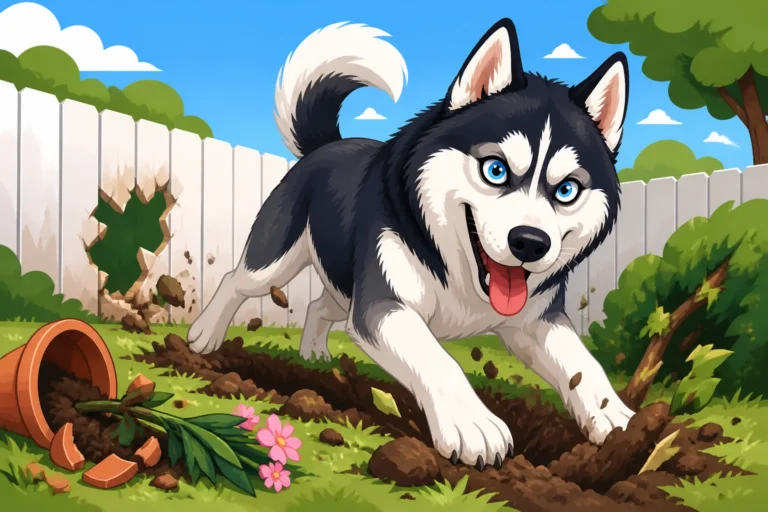
Working with a Siberian Husky means you'll encounter some unique challenges, especially with directional cues. Their independent spirit, high prey drive, and cleverness can make training feel like a two-steps-forward, one-step-back dance. But don't despair! Understanding these common hurdles and having strategies to overcome them will make all the difference.
The Husky Who Ignores You Entirely
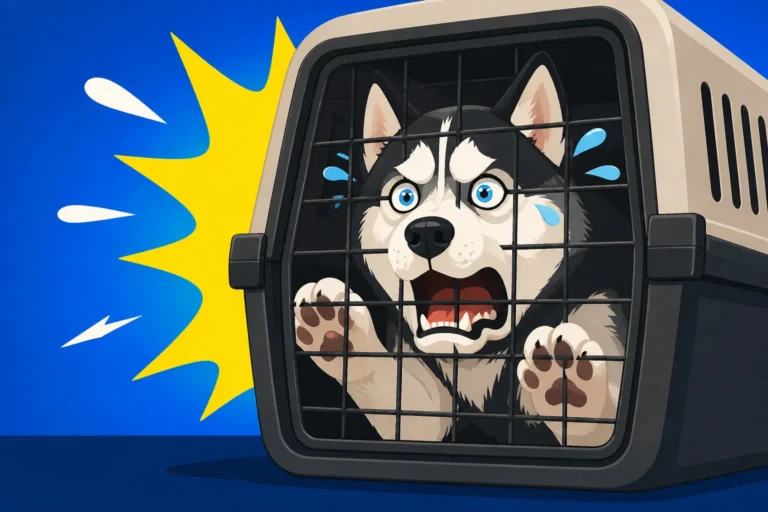
Ah, the classic husky deaf ear! We've all been there. You say "Gee!" and your husky just keeps plowing forward, nose to the ground, utterly convinced that whatever they're doing is far more important. This usually boils down to a few things:
- Low Motivation: Is your reward truly high-value? For a husky, a dry kibble might not cut it when there's a fascinating smell to investigate. Experiment with different treats – cheese, hot dogs, chicken. Sometimes, a favorite toy or a quick game of tug can be a better reward. Read Food Rewards a Siberian Husky Will Work For for ideas.
- Over-Cued: Are you saying the cue too many times without action? Huskies learn quickly that "Gee, gee, GEE!" means "I can ignore this until you're practically yelling." Say the cue once, then guide immediately.
- Distractions: Are you asking too much in a distracting environment? Go back to a quieter space where you're the most interesting thing around.
- Long Sessions: Huskies have short attention spans for repetitive tasks. Keep training sessions brief and fun, ending before they get bored. You want them always wanting more. For strategies to keep them engaged, look at Keeping a Siberian Husky Interested in Training.
Remember, getting frustrated never helps. If your husky isn't responding, take a break, re-evaluate your approach, and come back to it with a fresh perspective.
Distractions and the Husky's Prey Drive
This is a big one for Siberian Huskies. Their inherent prey drive means a squirrel darting across the path or a distant deer can instantly override any command you've given. "Haw!" can quickly become "OHMYGOSH-A-SQUIRREL!" This isn't defiance; it's instinct.
- Start Simple: Always begin training in areas with minimal distractions. Once your husky is reliable in a quiet space, gradually introduce more environmental stimuli.
- High-Value Rewards in Distraction: When you start adding distractions, make your rewards even higher value. You need to out-compete the squirrel!
- Build an Emergency Stop: Sometimes, despite your best efforts, your husky will fixate. Having An Emergency Stop Cue for a Siberian Husky can be a lifesaver. This cue should be practiced separately and only used in true emergencies to interrupt unwanted behavior.
- Proximity: The closer you are to a distraction, the harder it will be for your husky to focus. Try to anticipate and increase distance if possible. Work on engagement exercises before you even encounter a potential trigger. Make you the most exciting thing in the environment.
It’s a constant battle with prey drive, but consistent practice and careful management of the environment can help your husky learn to make the right choice more often than not.
When "Gee" Becomes "Let's Go!" – Maintaining Precision
Sometimes, in our eagerness, we inadvertently dilute our cues. "Gee" might start to mean "let's speed up" or "just go forward" rather than a specific right turn. This happens when the cue isn't consistently tied to the precise action.
- Clear, Distinct Cues: Ensure "Gee" and "Haw" are the only words you use for right and left turns. Avoid using similar-sounding words or adding extra phrases. The cues your husky needs in harness should be unambiguous.
- Don't Over-Cue: Only say the cue once. If your husky doesn't respond, gently guide them into the turn, and then praise and reward. Repeating the cue without action teaches them that they don't have to respond immediately.
- Practice Both Ways: Don't favor one direction. If you find yourself always turning right on walks, make a conscious effort to find opportunities for left turns to keep both "Gee" and "Haw" sharp and balanced.
- Reinforce the Specific Action: Make sure your reward specifically follows the turn, not just forward motion. The moment they shift their weight and head in the correct direction, that's when the "good boy!" and the treat should appear. This precision helps maintain the integrity of each command.
It takes dedication, but with patience and a positive approach, your Siberian Husky can learn to navigate with you like the incredible partners they were bred to be.
| Training Phase | Goal | Environment | Equipment | Key Tip |
|---|---|---|---|---|
| Foundation | Build trust, focus, basic attention | Home, quiet yard | High-value treats, clicker | Make you the most interesting thing. |
| Introducing Cues | Associate "Gee/Haw" with right/left turn | Quiet indoor/outdoor space | High-value treats, body language | Lure gently, reward instantly. |
| Harness & Line | Transfer cues to a working context | Open, controlled outdoor area | Pulling harness, long line, treats | Use gentle line pressure with the cue. |
| Real-World Ops | Apply cues during walks, activities | Varied (parks, trails, neighborhood) | Harness, leash/long line, treats | Start low-distraction, build gradually. |
| Troubleshooting | Address ignoring, distractions, precision loss | Varies based on issue | Higher-value rewards, specific tools | Re-evaluate, simplify, increase reward. |
Disclaimer
This article is for general informational purposes only and does not constitute professional advice. Laws, prices and regulations vary by location and change over time. Consult a qualified professional for guidance on your specific situation.