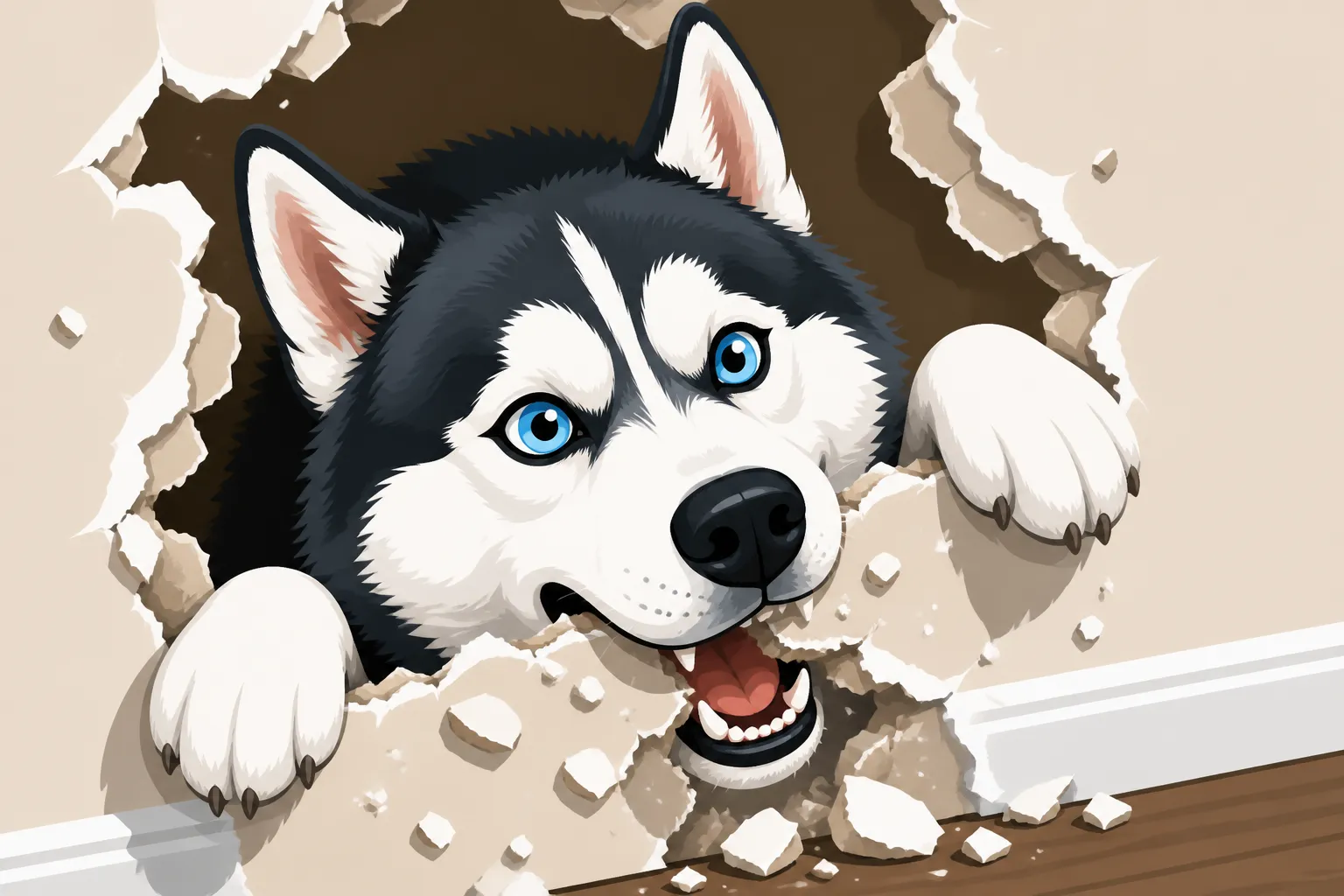
A Siberian Husky Chewing Through Drywall
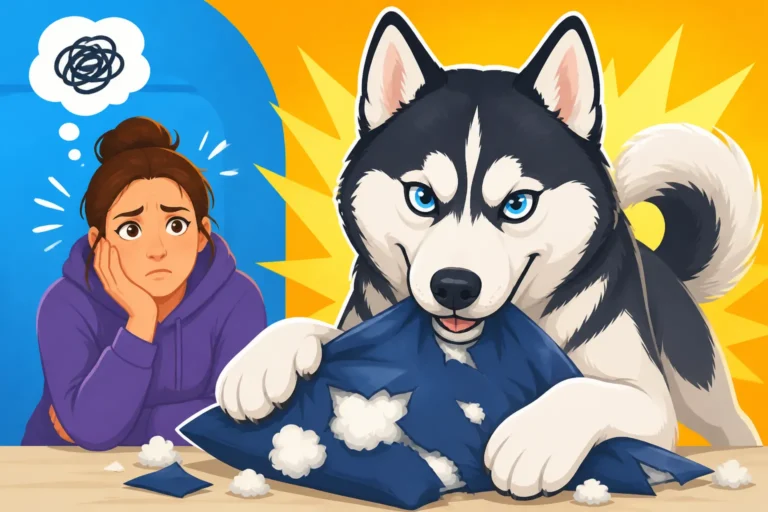
There's nothing quite like walking into your home only to find that your beloved Siberian Husky has decided a section of your drywall was a fascinating new chew toy. That sickening crunch and the dusty, crumbled aftermath can instantly turn your day sour, leaving you wondering why on earth your seemingly well-behaved dog suddenly turned into a demolition expert. This guide is here to help you unravel the mystery behind your Husky's drywall destruction, understand the common culprits, and equip you with actionable strategies to prevent future home renovations by paw and jaw.
Understanding Why Your Siberian Husky Is Chewing Drywall
When your Siberian Husky starts tearing into your walls, it's easy to feel frustrated and even a little angry. But before you get too upset, remember that this isn't usually an act of defiance or spite. Destructive chewing, especially of unusual items like drywall, almost always points to an underlying need or issue that your Husky is trying to communicate. They aren't trying to be naughty; they're trying to solve a problem in the only way they know how.
The Root Causes of Destructive Chewing
Let's dig into some of the most common reasons a Siberian Husky might decide your wall is the perfect chew toy. Identifying the why is the crucial first step to finding the how to stop it.
Boredom and Lack of Mental Stimulation
Siberian Huskies are incredibly intelligent dogs, bred for centuries to work long, challenging hours. They thrive on having a "job," even if that job is just figuring out a puzzle or learning a new trick. If a Husky isn't getting enough mental exercise, their brilliant minds can quickly turn to mischief. They get bored, plain and simple.
Imagine yourself stuck in a room with nothing to do, day in and day out. You'd likely start finding ways to entertain yourself, even if it meant picking at wallpaper or disassembling a chair leg. Your Husky is no different. A bored Husky will invent their own entertainment, and unfortunately, that often involves destructive behaviors like chewing. They might start with a small piece of trim, or perhaps they're drawn to the texture of the drywall, realizing it offers a satisfying, crumbling resistance that engages their powerful jaws. This isn't just about physical exercise; it's about stimulating their clever brains.
Separation Anxiety and Stress
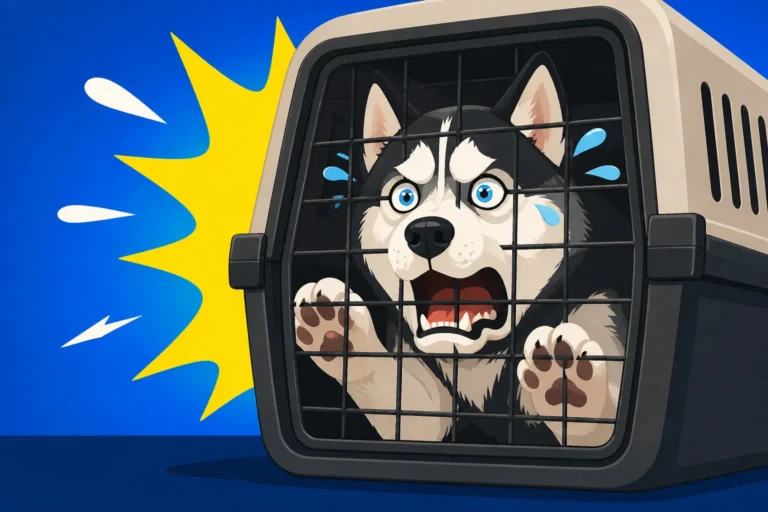
Another significant driver of destructive behavior, including chewing through drywall, can be separation anxiety or general stress. Huskies are highly social animals, and while they can be independent in their work, they form strong bonds with their human families. Being left alone for extended periods can be incredibly distressing for some individuals.
When a Husky is anxious, they might engage in a range of behaviors: pacing, whining, excessive barking (or howling, more typically for a Husky!), house-soiling, and yes, destructive chewing. The act of chewing can be a self-soothing mechanism, helping to release pent-up nervous energy. They might target entry points, like doors or windows, in an attempt to get closer to you, or they might simply choose a quiet corner of the house to channel their distress into destruction. It's a heartbreaking situation for both dog and owner, and it's essential to recognize that this isn't a behavior they can simply "turn off."
Lack of Appropriate Outlets for Chewing
All dogs, especially those with powerful jaws like a Siberian Husky, have an innate need to chew. Chewing helps clean teeth, strengthens jaw muscles, and provides mental satisfaction. If your Husky doesn't have a variety of enticing, durable, and safe chew toys readily available, they'll seek out alternatives. And sometimes, those alternatives include your home.
It's common for owners to provide a few toys, but Huskies can be picky or quickly lose interest if the toys aren't stimulating enough. A flimsy plush toy might be fun for a few minutes, but it won't satisfy that deep-seated urge to really work their jaws. When suitable outlets are scarce, anything becomes fair game – furniture, shoes, and yes, even the very fabric of your house. They're not being malicious; they're simply fulfilling a natural instinct with the materials at hand.
Puppy Teething and Exploration
If your drywall-chewing culprit is a young Siberian Husky puppy, teething is a very likely cause. Just like human babies, puppies experience discomfort as their adult teeth emerge. Chewing helps to alleviate this pain and discomfort, providing pressure on their gums. During this phase, puppies also explore the world with their mouths, trying to understand textures, tastes, and how things respond to their jaws.
A puppy might chew drywall simply because it's there and offers an interesting texture and a satisfying "crumble." While an adult Husky's destructive chewing usually points to a deeper behavioral issue, a puppy's chewing is often developmental. However, it's still crucial to redirect this behavior immediately and consistently to prevent it from becoming a deeply ingrained habit that carries into adulthood. Providing plenty of appropriate puppy-safe chew toys is paramount during this exploratory stage.
How a Husky's Instincts Contribute
Beyond the general reasons for chewing, specific traits inherent to the Siberian Husky breed can amplify these tendencies, making them particularly prone to destructive behaviors like drywall demolition. Their unique genetic makeup, rooted in centuries of working alongside humans in harsh environments, plays a significant role.
Prey Drive and Digging Instincts
Siberian Huskies possess a strong prey drive, a primal instinct to chase, catch, and "dispatch" small animals. While drywall isn't exactly a rabbit, the act of tearing and shredding can tap into this instinct. The satisfaction of dismantling something, of making it yield to their strength, can be highly reinforcing. They might not be hunting, but they are certainly engaging their innate drive to break things apart.
Coupled with this is their profound digging instinct. Huskies were bred to dig dens in the snow for shelter, and this trait is deeply ingrained. Digging at a wall might feel like an extension of this natural behavior, especially if they perceive a slight crack or imperfection as an opening to "excavate." The texture of drywall, easily broken apart, can simulate the loose earth or snow they instinctually want to move. This combination of shredding and digging can lead to surprising amounts of damage in a short time.
Need for "Work"
The history of the Siberian Husky is one of relentless work, pulling sleds over vast, frozen landscapes. This breed isn't just physically capable; they are mentally wired to have a purpose, to expend energy, and to solve problems. When a pet Husky in a modern home doesn't have a clear "job" or sufficient outlets for their prodigious energy and intellect, they will create their own.
A bored Husky views the world as a giant playground waiting to be explored and rearranged. For them, chewing through drywall isn't an act of vandalism; it's a project. It's a challenge. It's something to do. The tougher the challenge, the more satisfying it can be. This deeply embedded need for engagement, when unmet, often manifests as destructive behavior. Understanding this genetic predisposition is key to providing them with fulfilling activities that channel their energy into positive endeavors, rather than expensive repairs.
Preventing Drywall Chewing Before It Starts (or Stops)
The best way to deal with a Siberian Husky chewing drywall is to prevent it from happening in the first place, or to stop the behavior before it becomes a deeply entrenched habit. This requires a multi-faceted approach that addresses their physical, mental, and instinctual needs. You're essentially teaching them what is acceptable to chew and providing so many better options that your walls lose their appeal.
Exercising Body and Mind
A tired Husky is a good Husky, but it's not just about physical exhaustion. True contentment for a Siberian Husky comes from a balance of physical exertion and mental engagement. Neglecting either one is an open invitation for boredom-fueled destruction.
Physical Exercise
Siberian Huskies are built for endurance. A simple walk around the block twice a day is often nowhere near enough to truly satisfy their physical needs. They need to run, to pull, to explore. Think about what they were bred to do: pull a sled for miles in freezing temperatures. That's a lot of energy!
Aim for at least 1-2 hours of vigorous exercise daily. This could involve long, brisk runs (be mindful of the heat – Running a Siberian Husky in Summer Heat is a real concern), bikejoring, canicross, or even just intense fetch sessions in a secure area. If you're a runner, a Husky makes an excellent companion, but remember, they thrive on covering ground. Consistent, high-energy exercise helps burn off the physical restlessness that can translate into destructive behavior indoors. You want them to be pleasantly tired, not bouncing off the walls. For more ideas, explore How Much Exercise a Siberian Husky Really Needs.
Mental Stimulation
Even if your Husky runs a marathon every day, if their mind isn't challenged, they'll still find ways to entertain themselves destructively. Mental exercise is just as important as physical. Huskies are problem-solvers, and they crave intellectual engagement.
Incorporate regular training sessions, even short ones, throughout the day. Teach new tricks, practice obedience commands, or engage in scent work games around the house. Puzzle feeders are an absolute godsend for Huskies, turning mealtime into a brain game. Look for durable, multi-stage puzzles that require your Husky to think and manipulate to get their food. These can keep them occupied and mentally satisfied for much longer than a simple bowl. You can find a vast array of options on platforms like Amazon, offering different difficulty levels. Don't underestimate the power of a good Puzzle Feeders a Siberian Husky Cannot Beat.
Providing Appropriate Chewing Opportunities
Since chewing is a natural and necessary behavior for dogs, your job isn't to stop chewing entirely, but to redirect it to acceptable items. This means providing a constant supply of high-value, durable, and safe chew toys that can stand up to a Husky's powerful jaws.
High-Value Chews
Not all chew toys are created equal, especially for a strong chewer like a Husky. You need toys that are enticing, durable, and safe. Rawhides can be a choking hazard and difficult to digest, so many owners opt for alternatives. Consider options like:
- Hard rubber toys: Brands like Kong offer extremely tough rubber toys that can be stuffed with treats, providing both a chewing outlet and mental stimulation.
- Nylon chews: These come in various shapes and sizes and are designed to be long-lasting. Always supervise to ensure your Husky isn't breaking off large chunks.
- Natural chews: Items like deer antlers (ethically sourced), water buffalo horns, or yak cheese chews can be excellent, long-lasting options, but always choose appropriate sizes and monitor for splintering or choking hazards.
- Edible dental chews: These can help with dental hygiene while satisfying the urge to chew, but ensure they are digestible and don't contribute too many extra calories.
The key is to find what your Husky truly loves and provide a variety. Don't be afraid to experiment, and remember to always supervise new chews, especially initially, to ensure they are safe for your individual dog.
Rotating Toys
Even the most exciting chew toy can become boring if it's always available. To keep your Husky interested and engaged, rotate their chew toys. Have a collection of 5-7 favorite, durable chews, but only offer 2-3 at a time. Put the others away for a few days or a week, then swap them out.
When a "new" toy appears, it often sparks renewed interest, making it more appealing than the dusty old one that's been under the couch for a month. This strategy leverages their novelty-seeking nature, ensuring that their appropriate chewing outlets remain exciting and competitive with the forbidden allure of your drywall. You might find a great selection of these on Amazon to build up your rotation.
Creating a Safe and Enriched Environment
Beyond just exercise and chews, the environment your Husky lives in plays a massive role in preventing destructive behaviors. This means being proactive about removing temptations and ensuring they have a secure, designated space where they feel safe and where you can trust them not to redecorate.
Crate Training
A sturdy, appropriately-sized crate is an invaluable tool for any Husky owner, especially during puppyhood and for managing adult destructive chewing. When introduced positively, a crate becomes your Husky's den – a safe, secure place where they can relax and where you know they won't be getting into trouble when unsupervised.
When you can't actively supervise your Husky, especially when leaving the house, a crate prevents access to tempting items like drywall. It eliminates the opportunity for them to develop bad habits. Remember, Huskies are notorious escape artists, so investing in a heavy-duty, secure crate is crucial. Avoid flimsy wire crates if your Husky has shown any inclination to bend bars. For more specific advice, check out Choosing a Crate a Siberian Husky Cannot Bend. A positive crate training experience involves making the crate a comfortable, rewarding place with soft bedding and stuffed Kongs, never a place for punishment.
"Husky-Proofing" Your Home
Think like a Husky. What parts of your home might be most tempting? Corners, low walls, areas behind furniture, or spots where previous damage has occurred are prime targets. Husky-proofing your home means removing temptations and blocking access to areas where they might cause damage.
This can involve using baby gates or exercise pens to restrict access to certain rooms or areas when you can't directly supervise. If there's a specific wall section that's been targeted, you might need to temporarily cover it with a piece of plywood or sturdy plastic sheeting until the chewing behavior is under control. Ensure all electrical cords are hidden or secured. Consider bitter-tasting sprays on problem areas, though success varies greatly from dog to dog – some Huskies seem to enjoy the taste! The goal is to set your Husky up for success by making it impossible or unappealing for them to chew what they shouldn't.
What to Do When You Catch Your Husky in the Act (and After)
Catching your Siberian Husky in the act of chewing drywall can be startling. Your immediate reaction might be to yell or punish, but it's important to respond effectively to truly stop the behavior. How you react in the moment, and how you manage the aftermath, will influence your Husky's understanding and future actions.
Interrupting and Redirecting Behavior
The key to stopping unwanted behavior is to interrupt it without creating fear or anxiety, and then immediately redirecting your Husky to an acceptable alternative. This helps them understand what they should be doing instead.
The "Catch Them Red-Handed" Moment
If you catch your Husky chewing drywall, make a sharp, startling noise – a loud "AH-AH!" or a clap – to get their attention without scaring them. Avoid yelling their name or rushing towards them in an aggressive manner, as this can make them associate your presence with punishment, rather than the act of chewing. The goal is to interrupt, not to instill fear.
Once you have their attention, immediately call them to you and reward them with praise and a high-value treat for coming. Then, without delay, offer them one of their appropriate chew toys. Engage them with it, perhaps by holding it for them for a moment or wiggling it to make it more appealing. When they start chewing the toy, praise them calmly and kindly. This teaches them, "That wall is not for chewing, but this amazing toy is, and you get rewarded for chewing it!" Consistency is paramount here.
Using Management Tools
For those times when you can't be actively supervising, management tools are your best friend. Huskies are masters of finding trouble when left to their own devices, so limiting their opportunities for mischief is crucial.
This means consistently using their crate when you leave the house or when you're busy and can't keep a watchful eye. If they're in a common living area with you but still prone to getting into trouble, consider keeping them on a long line (a lightweight leash, 10-20 feet long) attached to your belt or a piece of furniture. This allows you to quickly and gently interrupt any unwanted behavior before it escalates, without having to chase them down. Baby gates can also be used to block access to specific rooms or areas of the house that have been targeted, such as a laundry room or a less-used hallway. The less opportunity they have to practice the bad behavior, the easier it is to extinguish.
Addressing the Aftermath and Repairing Damage
Finding a hole in your wall is disheartening, but how you handle it immediately after the discovery can be critical for both your Husky's health and your home's integrity. Don't just patch it up and hope for the best; there are a few important steps to consider.
Damage Assessment
First and foremost, assess the damage and, more importantly, consider what your Husky might have ingested. Drywall itself isn't highly toxic, but depending on how much was eaten, it could cause stomach upset or, in large quantities, an intestinal blockage. Also, consider what else might be behind that drywall: wires, insulation, lead paint (in older homes), or even mold. Ingesting any of these could be serious.
If you suspect your Husky ate a significant amount or if they show any signs of distress (vomiting, lethargy, loss of appetite), contact your veterinarian immediately. They can advise whether observation at home or an immediate visit is necessary. Even if your Husky seems fine, make a mental note of the extent of the damage to monitor for future recurrence.
Temporary Fixes and Long-Term Solutions
Once you've ensured your Husky is safe, you need to address the hole in the wall. Leaving it exposed is an open invitation for them to revisit their "project." For immediate remediation, you can cover the damaged area with a sturdy piece of plywood, a heavy-duty plastic sheet, or even a large piece of furniture. The goal is to make the area inaccessible and unappealing.
For long-term repair, you'll need to patch the drywall. After patching, consider applying a chew-deterrent spray to the area (many are available on Amazon). While not foolproof, these bitter sprays can sometimes make the wall less appealing. More critically, you must address the root cause of the chewing, as discussed earlier. Without tackling the underlying boredom, anxiety, or lack of appropriate outlets, your Husky is likely to find another spot to start chewing, rendering your repairs futile.
Seeking Professional Help
Sometimes, despite your best efforts, the destructive chewing continues, or you realize the problem is deeper than just boredom. In these cases, it's not a sign of failure but a wise decision to enlist the help of professionals.
When to Call a Trainer or Behaviorist
If your Husky's drywall chewing is persistent, severe, accompanied by other concerning behaviors (like excessive vocalization, pacing, or house-soiling when left alone), or if you suspect genuine separation anxiety, it's time to call in the experts. A certified professional dog trainer or a veterinary behaviorist can help you diagnose the specific issue and develop a tailored behavior modification plan.
They can assess your Husky's individual situation, observe their behavior, and teach you techniques to manage and change the unwanted chewing. They can guide you through desensitization and counter-conditioning protocols for anxiety, or help you refine your training and enrichment strategies. Resources like online training platforms, such as BAXTER & Bella, can also provide structured guidance and support from the comfort of your home, offering expert advice on managing challenging Husky behaviors. They often have programs specifically designed to address destructive chewing and separation distress.
Veterinary Consultation
In cases of severe anxiety or other health concerns, a visit to your veterinarian is also highly recommended. Your vet can rule out any underlying medical conditions that might be contributing to the behavior, such as dental pain or gastrointestinal issues.
If separation anxiety is diagnosed and is severe enough to warrant it, your vet may discuss medication options. While medication is never a standalone solution, it can be a valuable tool when used in conjunction with a comprehensive behavior modification plan, helping to reduce your Husky's anxiety levels enough for them to be receptive to training. They can also offer advice on supplements or dietary changes that might support overall calm.
Long-Term Strategies for a Well-Adjusted Husky
Stopping the immediate drywall chewing is just one piece of the puzzle. The true victory lies in cultivating a well-adjusted, happy Siberian Husky who doesn't need to chew your house down. This involves consistent effort, understanding their breed-specific needs, and fostering a strong, positive relationship built on trust and clear communication.
Consistency in Training and Routine
Siberian Huskies, despite their independent nature, thrive on consistency and predictability. A stable environment helps them feel secure and reduces anxiety, which can often be a trigger for destructive behaviors.
Predictable Schedules
Establish a consistent daily routine for your Husky. This includes regular feeding times, designated potty breaks, and, most importantly, scheduled exercise and training sessions. When your Husky knows what to expect and when, it reduces uncertainty and stress. For instance, if they know their morning run is always at 7 AM, and their evening puzzle toy comes out at 5 PM, they are less likely to get restless and find their own (destructive) entertainment during the downtime.
A predictable schedule also helps manage their energy levels. By ensuring their physical and mental needs are consistently met, you minimize the periods of boredom or anxiety that lead to problem behaviors. This structure provides a sense of security and control for your Husky, allowing them to relax and enjoy their time with you.
Positive Reinforcement
Siberian Huskies are incredibly intelligent, but they are also known for their independent and sometimes "stubborn" streak. Force-based training methods often backfire, leading to resentment, shutdown, or increased resistance. The most effective approach for a Husky is positive reinforcement.
This means rewarding desired behaviors with high-value treats, praise, or their favorite toy. When your Husky chooses to chew on their appropriate toy instead of the drywall, lavish them with praise. When they sit quietly instead of pacing anxiously, reward them. The idea is to make good choices incredibly rewarding, so they are more likely to repeat them. Positive reinforcement builds trust and strengthens your bond, turning training into a fun collaboration rather than a power struggle. It teaches them what you want them to do, rather than just punishing what you don't want.
Socialization and Companionship
Siberian Huskies are pack animals, and they crave companionship and social interaction. Being isolated or lacking appropriate social outlets can contribute to stress and destructive behaviors.
Doggy Daycare or Pet Sitters
If you work long hours or have a busy schedule that frequently leaves your Husky alone for extended periods, consider doggy daycare a few times a week or hiring a reliable pet sitter to break up their day. Doggy daycare provides not only physical exercise but also crucial mental stimulation and socialization with other dogs and people. This can be a lifesaver for an energetic and social breed like the Husky, preventing the buildup of boredom and loneliness that often leads to destructive chewing.
A pet sitter can come to your home for a midday walk, playtime, or even a short training session, providing a much-needed break from solitude. This investment in their well-being can dramatically reduce the likelihood of coming home to a new hole in your wall.
Considering a Second Husky (with extreme caution)
Sometimes, owners wonder if getting a second Husky will solve the first one's problems with loneliness or destructive chewing. While it's true that some Huskies thrive with a canine companion, this is a decision that requires extreme caution and a deep understanding of your current dog's personality and your own capacity.
Bringing a second dog into the home is a huge commitment and doesn't always guarantee a solution to the first dog's issues. In fact, it can sometimes exacerbate problems if the second dog learns the bad habits of the first, or if you simply double your trouble. If your current Husky has severe separation anxiety, another dog might not alleviate it, as their anxiety is often focused on your absence. Before considering a second dog, ensure you have successfully managed your first Husky's destructive behaviors, that you can afford the doubled expenses, and that you have the time and energy to properly train and exercise two high-energy dogs. For more on this, you might find Whether a Second Husky Settles the First One insightful.
| Chewing Outlet Type | Pros | Cons | Best For |
|---|---|---|---|
| Hard Rubber Toys | Durable, safe, can be stuffed with treats | Some dogs lose interest if not filled | Mental stimulation, moderate chewers |
| Nylon Chews | Very durable, long-lasting | Can be too hard for some dogs, sharp edges if chewed down | Power chewers, dental health |
| Natural Chews | Highly engaging, satisfying | Can be expensive, risk of splintering/choking (monitor closely) | High-value treat, strong chewers |
| Puzzle Feeders | Mental stimulation, slows eating | Can be destroyed if not robust, requires refilling | Boredom prevention, fast eaters, all ages |
| Bully Sticks | Edible, highly palatable, digestible | Can be consumed quickly, sometimes messy, strong odor | Short-term reward, moderate chewers |
Disclaimer
This article is for general informational purposes only and does not constitute professional advice. Laws, prices and regulations vary by location and change over time. Consult a qualified professional for guidance on your specific situation.