The Month a Siberian Husky Starts Testing You
That sweet, cuddly Siberian Husky puppy you brought home often transforms into something of an independent, boundary-pushing teenager right before your eyes, leaving many owners scratching their heads and wondering what happened to their well-behaved little fluffball. This shift, often felt as if your Husky is deliberately "testing" you, is a completely normal, albeit challenging, developmental phase that requires patience, consistency, and a deep understanding of the breed's unique nature to navigate successfully. This guide will walk you through when to expect this adolescent period, what behaviors might emerge, and practical strategies to help you and your Husky emerge on the other side with your bond intact, stronger than ever.
Unpacking the "Testing" Phase: When Your Husky Becomes a Teenager
The term "testing you" can feel incredibly personal, making it sound like your Husky is intentionally trying to frustrate you or assert dominance. While it certainly feels that way in the moment, it's more accurate to view this period as your Husky's natural progression into adolescence. Just like human teenagers, adolescent Huskies are experiencing a surge of hormones, a growing sense of independence, and a desire to explore the world on their own terms. They're not being malicious; they're simply being Huskies, pushing boundaries to figure out where they truly lie and what they can get away with. This developmental stage is crucial for their maturity, even if it tests every ounce of your patience.
Typically, this "testing" phase begins somewhere between six months and one year of age, though some Huskies might start showing signs a little earlier or later. It's a broad window because every dog is an individual, and environmental factors, diet, and even genetics can influence the onset and intensity of this period. For many owners, it feels like they wake up one morning, and their once-responsive puppy has developed selective hearing, an uncanny ability to find trouble, and a sudden disinterest in all the rules they thought were established. It's a time when everything you thought you had trained might seem to crumble, and it’s undeniably frustrating to feel like you're starting from scratch.
This adolescent period can last for quite a while, often extending until your Husky is around two years old, sometimes even a bit longer for particularly spirited individuals. During this time, their physical energy is at its peak, and their mental curiosity knows no bounds. This combination can be a recipe for mischief if not properly channeled. Understanding that this phase is temporary and a vital part of their development can help you frame your reactions more constructively. It’s not a personal affront; it’s just a Husky growing up. Think of it as a crucial period for you to solidify your role as a consistent, fair, and trustworthy leader, not through force, but through clear communication and positive reinforcement. It's during this time that your dedication to Training an Independent Siberian Husky truly pays off.
Decoding Common Adolescent Husky Behaviors
When your Siberian Husky hits this adolescent stride, you'll likely encounter a range of behaviors that might seem to come out of nowhere, or suddenly intensify from minor puppy quirks. One of the most common and exasperating is the sudden onset of "selective hearing." Your Husky, who once rocketed to you at the sound of their name, might now glance in your direction, sniff the air, and then continue their exploration as if you're merely background noise. This can be incredibly disheartening, especially if you've been working diligently on recall. This isn't necessarily a sign of a failed training program, but rather a strong manifestation of their innate independence and their powerful urge to roam and explore. They're weighing the perceived reward of coming back to you against the immediate thrill of whatever caught their attention. You might feel like you need a secret weapon just to get them to acknowledge you, let alone obey a command.
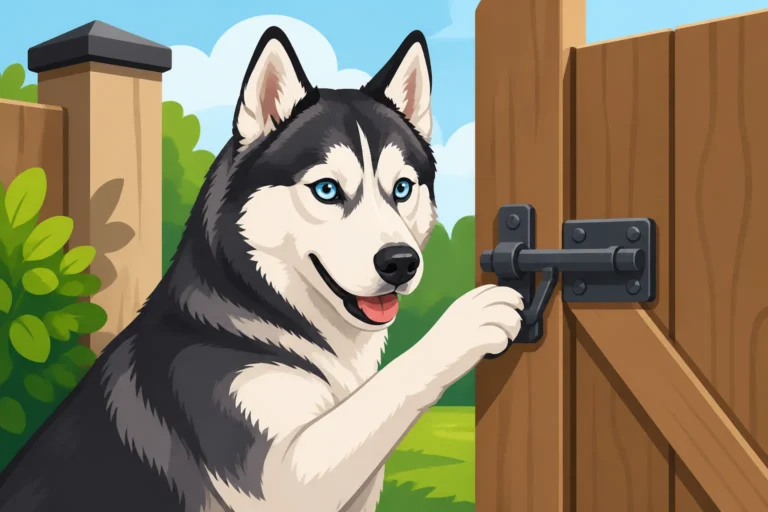
Another significant behavioral challenge that frequently surfaces during this time is an increased tendency to push boundaries, particularly regarding escape attempts. Your previously secure yard might suddenly seem like a playground of opportunities. Huskies are intelligent, problem-solving dogs with an incredible talent for finding weak spots. They might start digging under fences with renewed vigor, testing gate latches, or even attempting to scale fences they once ignored. Stopping a Siberian Husky From Escaping the Yard becomes a full-time job for many owners during this stage. This isn't just about defiance; it's about their inherent drive to cover ground and explore. Their ancestral instincts kick in, urging them to run and investigate, and a fenced yard, no matter how large, can feel restrictive to a young, energetic Husky. It's a stark reminder of their heritage and why a truly secure containment is non-negotiable for the breed.
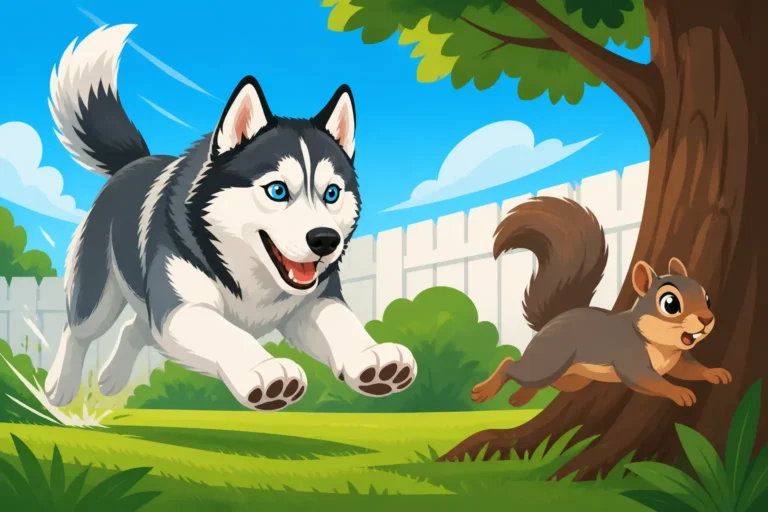
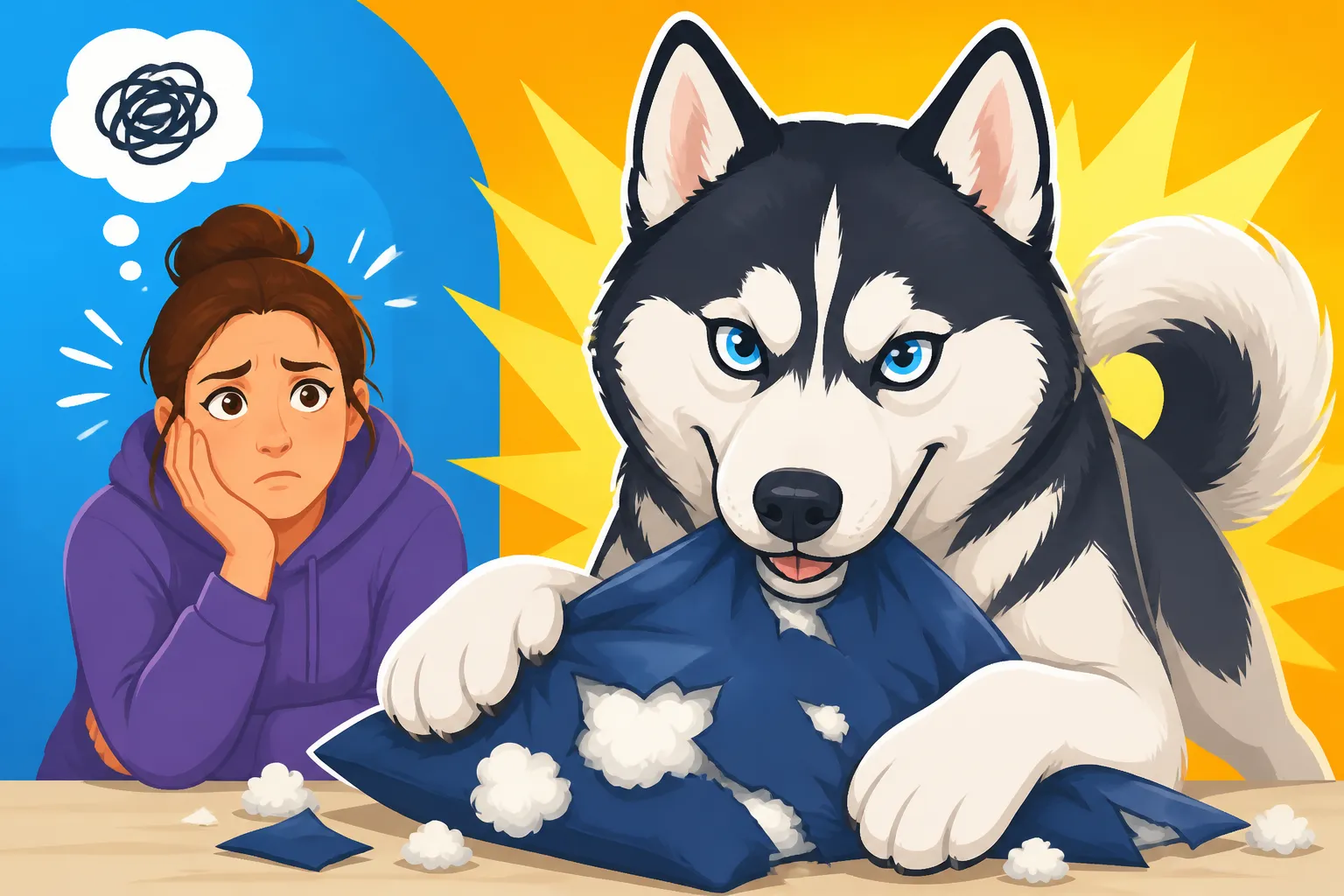
Furthermore, heightened prey drive is often observed in adolescent Huskies. That cute little squirrel in the backyard or the neighbor's cat might suddenly become an irresistible target, even if they seemed to coexist peacefully before. Their hunting instincts mature, making small, fast-moving objects incredibly appealing. This can lead to dangerous situations, especially if they manage to get loose. Managing Siberian Husky Prey Drive Around Small Animals becomes critical, requiring constant vigilance and careful management of their environment. You might also notice an increase in destructive chewing or digging, particularly if they're not getting enough mental and physical stimulation. A bored adolescent Husky is a creative—and often destructive—one, turning your furniture or garden into their next project. Their energy levels are peaking, and without appropriate outlets, they will find their own, often to your detriment.
| Husky Adolescent Behavior | Owner's Frustration | Effective Owner Response |
|---|---|---|
| Selective Hearing/Ignoring Cues | "They know 'come,' they just choose not to!" | Re-engage with high-value treats; practice in low-distraction areas. |
| Pushing Boundaries/Counter Surfing | "They never did this as a puppy!" | Reinforce 'leave it'; clear counters; consistent redirection. |
| Increased Escape Attempts | "They've become Houdini overnight!" | Secure yard checks; double latch gates; long line training. |
| Heightened Prey Drive | "Suddenly, every squirrel is a target." | Focus on impulse control; strict leash management; structured play. |
| Destructive Chewing/Digging | "My house is falling apart!" | More mental/physical exercise; appropriate chew toys; supervised yard time. |
Navigating the Challenges: Consistent Training and Management Strategies
Dealing with an adolescent Siberian Husky requires a multi-pronged approach rooted in unwavering consistency and a deep well of patience. The key is to remember that while their behavior might be "testing," it's also a cry for clearer boundaries and more engaging activities. The training you put in during puppyhood isn't lost; it just needs to be reinforced and adapted for their growing independence. This is not the time to give up on training; it's the time to double down. Revisit basic commands in varied environments, starting with low-distraction settings and gradually increasing the challenge. High-value treats become your best friend – think bits of cooked chicken, cheese, or specialized training treats they rarely get otherwise. These powerful motivators can often cut through the "selective hearing" phase and remind them that listening to you brings excellent rewards. Many owners find online resources, like those offered by BAXTER & Bella, incredibly helpful for structured programs that can be followed at home, providing a consistent framework during this tumultuous time.
Beyond formal training sessions, managing their environment is absolutely crucial. This means meticulously securing your yard, checking fences for weak spots, burying wire along the bottom to deter digging, and ensuring gates have multiple, Husky-proof latches. For those dogs with an exceptional talent for climbing, consider coyote rollers or other fence toppers. Never underestimate a Husky's ability to clear a six-foot Siberian Husky fence if they are motivated. When you can't actively supervise them outdoors, a secure kennel run might be a safer option than an unsupervised yard. Indoors, prevention is key: put away anything they shouldn't chew, provide plenty of appropriate chew toys, and rotate them to keep interest high. Durable toys, often found on platforms like Amazon, are essential investments.
Physical and mental exercise are non-negotiable during this phase. An under-exercised adolescent Husky is almost guaranteed to be a destructive, unruly one. This breed needs more than a casual stroll around the block. They thrive on activities like long jogs, hiking, canicross, bikejoring, or even structured play sessions in a secure area. How Much Exercise a Siberian Husky Really Needs is often far more than new owners anticipate. Mental stimulation is equally important: puzzle toys, scent work, and learning new tricks can tire their minds and reduce boredom-driven mischief. Engaging their brains helps to channel that boundless energy into productive activities, making them less likely to invent their own, less desirable forms of entertainment. Remember, Why Force Training Fails on a Siberian Husky is because they are independent thinkers; positive reinforcement builds a stronger bond and encourages cooperation.
Maintaining Your Sanity (and Your Bond) Through Adolescence
It's easy to feel overwhelmed and frustrated when your beloved Siberian Husky suddenly seems to forget everything you've taught them and develops a rebellious streak. It's important to remember that this phase is temporary, and your Husky isn't deliberately trying to make your life difficult. They're simply maturing, and their innate Husky traits—independence, intelligence, and a strong drive to explore—are becoming more pronounced. Giving in to frustration or resorting to punishment can severely damage the bond you've worked so hard to build. Instead, focus on being a calm, consistent, and patient guide. Your reactions during this period will shape their adult behavior, reinforcing either trust and cooperation or fear and avoidance.
One of the most effective ways to navigate this period is to set your Husky up for success. This means managing their environment to prevent undesirable behaviors, rather than constantly correcting them after the fact. For instance, if you know they're prone to counter-surfing, ensure your counters are clear. If escape is an issue, a long line can be a fantastic training tool for practicing recall in a safe, open space without the risk of them bolting. You can find excellent quality long lines on Amazon. Don't take their "testing" personally, and try to maintain a sense of humor. This difficult phase will pass, and the consistent effort you put in now will pay dividends for years to come. Think about building a strong foundation for Keeping a Siberian Husky Recall Alive Into Adulthood.
Finally, don't hesitate to seek support if you feel truly overwhelmed. This could mean consulting with a professional dog trainer specializing in Nordic breeds or an animal behaviorist. They can provide tailored advice and help you implement effective strategies. Sometimes, just having an objective third party observe your Husky and offer guidance can make a world of difference. Connect with other Siberian Husky owners; sharing experiences can provide validation and practical tips. The adolescent phase is a challenging marathon, not a sprint, but with patience, consistency, and a strong dose of love, you and your Husky will get through it together, emerging with an even deeper, more resilient bond. Remember that What New Siberian Husky Owners Underestimate is often the sheer amount of management and consistency required, especially during these formative years.
Disclaimer
This article is for general informational purposes only and does not constitute professional advice. Laws, prices and regulations vary by location and change over time. Consult a qualified professional for guidance on your specific situation.