Same-Sex Siberian Husky Pairs
Bringing two Siberian Huskies together, especially those of the same sex, can sometimes feel like stepping into a beautifully chaotic, fur-covered experiment. Many hopeful owners wonder if adding another Husky, particularly one of the same gender, will bring companionship or competition. The reality is, while some same-sex pairings thrive, others face significant challenges that require deep understanding, proactive management, and sometimes professional intervention, and this guide will walk you through what to expect and how to foster a harmonious home.
Understanding Siberian Husky Social Dynamics
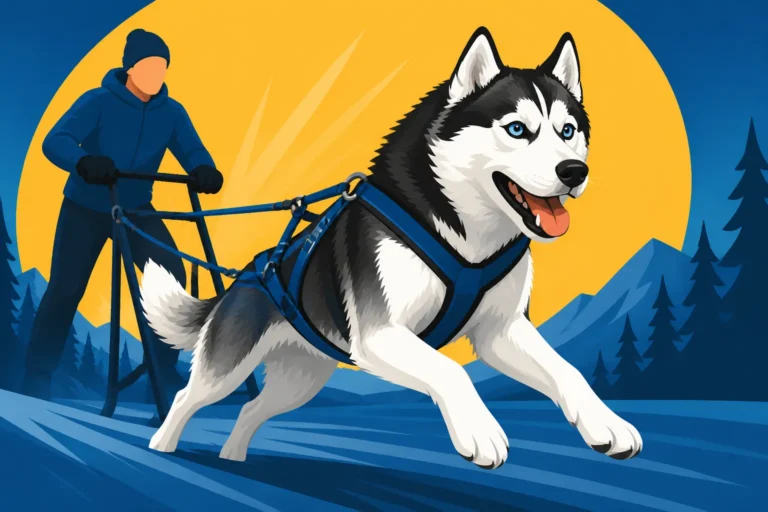
Siberian Huskies are known for their strong pack instincts, a trait deeply rooted in their history as working sled dogs. They thrive on companionship and often enjoy the presence of other dogs. However, "pack instinct" doesn't always translate to peaceful cohabitation, especially when you introduce the complexities of same-sex dynamics. It’s not simply about having another dog; it’s about how their individual personalities, energy levels, and inherent breed traits interact within your home environment.
The Instinct for Pack Order
Think of a natural wolf pack or even a well-established sled dog team. There's usually a clear hierarchy, often subtly enforced rather than overtly aggressive. With Huskies, this instinct for order can manifest as a constant testing of boundaries, particularly between same-sex individuals. They might constantly try to assert their place, which can look like playful roughhousing to an untrained eye but can quickly escalate into genuine conflict if not managed. It's less about dominance in the old-school sense, and more about who gets priority for resources, who leads on a walk, or who gets attention from you.
This isn't necessarily a bad thing, but it means you, as the human leader, need to be exceptionally clear and consistent in your expectations. If you aren't, your Huskies will try to figure it out for themselves, and that often involves squabbles. They aren't trying to be "bad" dogs; they're simply following an ancient blueprint for social structure. Understanding Siberian Husky Temperament and What the Standard Says can offer valuable insight into these underlying drives.
Individual Personalities and Temperament
Beyond the general breed traits, each Siberian Husky is an individual with their own unique personality. Some are naturally more laid-back and agreeable, while others are bold, pushy, or even anxious. When you combine two same-sex Huskies, these individual temperaments can either complement each other beautifully or clash spectacularly. For instance, pairing two highly assertive female Huskies without careful introduction and management is often a recipe for disaster. Conversely, a confident, secure Husky paired with a more submissive one might work out, but you always need to watch for the confident one bullying the other.
It’s crucial to observe your existing Husky's personality traits before even considering bringing a second one home. Is your Husky confident or timid? Does she tolerate other dogs well, or does she tend to be reactive? Does he guard toys or food? Knowing these nuances will help you make a more informed decision about what kind of companion might be a good fit, or if a same-sex pairing is even viable for your household. This is where rescue groups and ethical breeders excel, as they often have a good sense of their dogs' social dynamics. Many owners are curious Whether a Second Husky Settles the First One, and the answer heavily depends on these individual personality matches.
Common Challenges with Same-Sex Husky Pairs
While the idea of two beautiful, energetic Huskies romping through the snow is idyllic, the reality of managing same-sex pairs can be far more demanding than many new owners anticipate. There are specific dynamics that tend to play out, often rooted in the breed's ancestral instincts and strong personalities. It's not always easy, and sometimes it can even be dangerous if not handled correctly.
Female-Female Dynamics: The "Spicy" Side
It might surprise some, but female-female Husky pairings often present the most significant challenges, sometimes even more so than male-male pairs. Many dog behaviorists will tell you that female-female aggression can be intensely serious, often characterized by silent, sudden escalations rather than ritualized posturing. When two female Huskies decide they don't like each other, or if they constantly jockey for position, the fights can be fierce, leading to significant injuries. This isn't just a "tussle"; it can be a full-blown, no-holds-barred fight to establish supremacy.
The underlying tension might simmer for months or even years, only to explode over a seemingly minor trigger like a dropped treat, a favored sleeping spot, or even your attention. Unlike males, who might posture and growl a lot before a fight, females can go from zero to sixty in a flash. This makes prevention and careful management absolutely critical, as once a serious fight has occurred, it can be incredibly difficult, if not impossible, to fully repair the relationship and safely keep both dogs in the same household.
Male-Male Dynamics: More Than Just Play-Fighting
While male Huskies can certainly have their own conflicts, especially if both are intact, the dynamics tend to be different from females. Intact male-male aggression is often driven by hormonal influences and territorial instincts, leading to more obvious displays of posturing, growling, and sometimes resource guarding. However, once neutered, many male Huskies can live together quite harmoniously, often forming strong bonds. The key here is "many" – not "all."
Even neutered males can still have spats, particularly during adolescence when they're still figuring things out, or if one is particularly dominant or insecure. Their fights, while still dangerous, sometimes have more "show" to them, with more barking and wrestling before serious injury occurs, giving you a slightly larger window to intervene than with females. However, this is by no means a guarantee, and if you have two very strong-willed male Huskies, particularly if they are close in age and maturity, conflict is still a real possibility. You'll need to be observant of their body language and quick to diffuse any rising tension.
Resource Guarding and Conflict Triggers
Resource guarding is a major source of conflict in any multi-dog household, but it can be especially pronounced and dangerous in same-sex Husky pairs. This isn't just about food bowls; it can extend to toys, beds, favored sleeping spots, human attention, specific people, or even access to certain areas of the house or yard. One Husky might quietly claim a particular chew toy, and if the other approaches, a snarl, a snap, or a full-blown fight can erupt. Resource guarding for a Siberian Husky that guards food from another dog is a common and serious issue that demands immediate and consistent intervention.
Identifying and managing these triggers is paramount. If you know your Huskies fight over rawhides, then rawhides should only be given when they are separated. If one Husky guards your attention, ensure you're giving equal, separate attention to both. Understanding their individual triggers allows you to create an environment where these conflicts are minimized. This is a constant management task, not a one-time fix. Leaving a prized chew toy on the living room floor while you step out for an errand is an invitation for trouble if you have a history of resource guarding between your dogs.
Strategies for Successful Same-Sex Pairings
Successfully integrating and maintaining harmony in a same-sex Siberian Husky household is absolutely possible, but it rarely happens by accident. It requires intentional choices, consistent training, and proactive management. You are the architect of their peace, and it’s a role that demands dedication and a deep understanding of your dogs.
Careful Selection and Introduction
The foundation of a successful same-sex pairing begins long before the dogs ever meet. If you're considering a second Husky, especially of the same sex, careful selection is non-negotiable. Look for temperament pairings that complement rather than clash. Often, a significant age difference (e.g., an adult and a puppy) can help, as the younger dog naturally respects the elder, and they mature through different life stages. Avoid bringing in another assertive, high-energy Husky if your current one is already displaying strong leadership tendencies or insecurity. Look for a dog with a history of getting along well with other dogs of the same sex.
When it comes to introductions, take it slow. Never just throw two Huskies together in a yard and hope for the best. Start with neutral territory, like a park, on separate leashes. Allow them to greet briefly, observing all body language. Look for relaxed postures, loose tails, and play bows. Any stiffness, direct stares, growling, or excessive barking should be a red flag. Keep initial meetings short and positive. Gradual integration into your home might involve keeping them separated by a baby gate, rotating access to common areas, and supervised interactions in short bursts. Don't rush it; a solid, positive first impression goes a long way.
Management: Preventing Conflicts Before They Start
Management is the ongoing, daily commitment to preventing conflicts. This is not about training them not to fight, but about setting up their environment so that the opportunities for conflict simply don't arise. Think of it as defensive driving for your dog household.
- Separate Resources: This is key. Feed dogs separately, ideally in their crates or in different rooms. Provide chews and high-value toys only when dogs are separated. If one dog guards certain items, remove those items when the dogs are together. Using designated feeding areas eliminates competition.
- Supervised Play: Always supervise play sessions, especially roughhousing. Intervene if play escalates, or if one dog consistently bullies the other. A short "time-out" can help.
- Defined Spaces: Crates are invaluable for same-sex Husky pairs. Each dog should have their own crate, a safe space where they can retreat and be free from interaction. This is especially useful for meal times, when you leave the house, or when you need a break from monitoring. Many Huskies require sturdy crates; you might even need to consider Crating a Siberian Husky That Bends the Bars for escape artists.
- Equal Attention: Be mindful of how you distribute attention. Ensure both dogs feel equally loved and valued, avoiding favoritism that can lead to jealousy and resentment. This means separate cuddle times, separate training sessions, and ensuring both get your ear scratches.
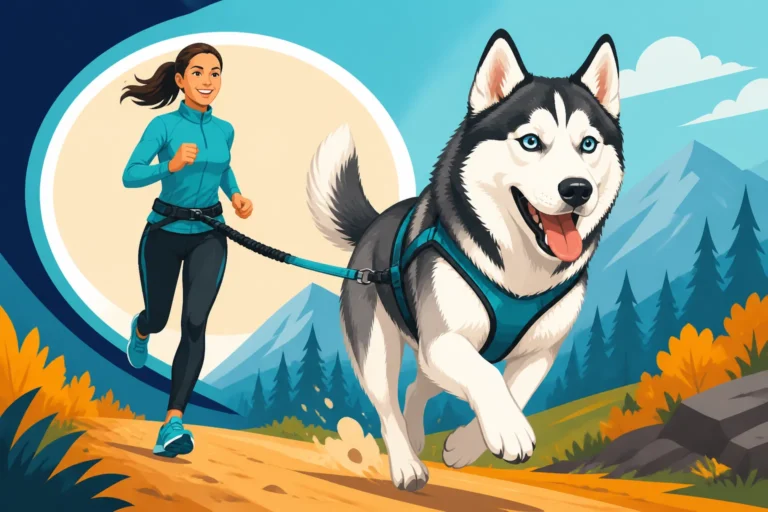
- Exercise: A tired Husky is often a good Husky. Ensure both dogs are getting adequate, individual exercise to burn off energy. This can help reduce pent-up frustration that might otherwise manifest as conflict. Long Lines and Recall Gear for a Siberian Husky can be incredibly useful for safe, extended exercise in open spaces.
For daily training and maintaining peace, resources like BAXTER & Bella can be incredibly helpful for structured routines and positive reinforcement strategies. They offer guidance that can be adapted to multi-dog homes, focusing on building strong foundations. For physical enrichment and brain games, checking out puzzle feeders on Amazon can provide individual, engaging activities that reduce idle time and potential boredom-induced Siberian Husky Destruction When Left Alone.
Training and Reinforcing Positive Behavior
Training isn't just for puppies; it's an ongoing process that reinforces good manners and strengthens your bond with each dog. In a same-sex pair, consistent training is even more important because it establishes you as the clear, fair leader and gives the dogs a framework for how to behave.
- Individual Training Sessions: Even if you train them together, dedicate time for individual training sessions. This strengthens your bond with each Husky, gives them one-on-one attention, and allows you to work on specific behaviors without the distraction or influence of the other dog.
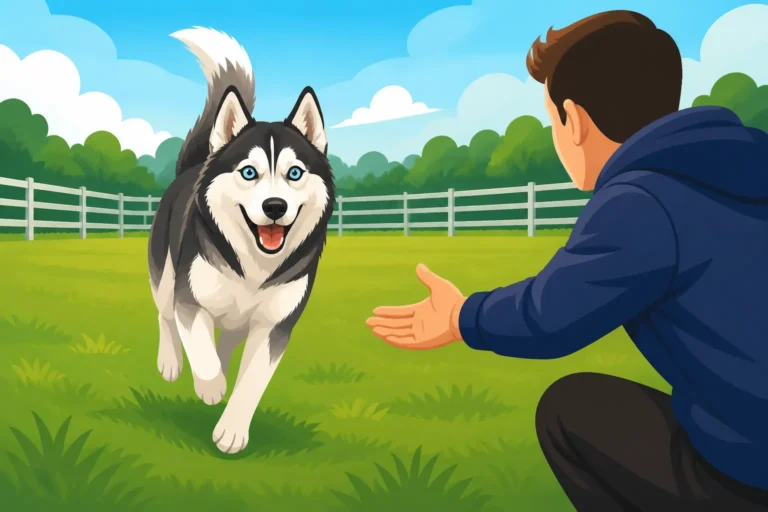
- Recall and Interruption Cues: A solid recall is crucial, not just for safety on walks but also for breaking up potential conflicts at home. Teach a strong "leave it" or "break" cue that can instantly interrupt escalating tension. Food Rewards a Siberian Husky Will Work For are often highly motivating for this independent breed.
- Boundary Training: Teach dogs to respect boundaries, such as staying on their beds when told or waiting at a doorway. This can help manage access to resources and prevent rushing that might spark conflict.
- Socialization Refreshers: Even if your Huskies are adults, continue to provide positive, controlled socialization experiences with other dogs. This reinforces good manners and keeps them comfortable in various social settings. Siberian Huskies With Other Dogs explains why this is so important.
Remember that Huskies are independent thinkers, and Training an Independent Siberian Husky takes patience and consistency. They will test boundaries, and your job is to respond predictably and fairly every single time.
When Professional Intervention is Needed
Sometimes, despite your best efforts, the dynamic between same-sex Huskies becomes unmanageable or unsafe. If you're experiencing frequent fights, severe resource guarding, or constant underlying tension that makes you anxious in your own home, it's time to call in the professionals.
A certified professional dog trainer or a veterinary behaviorist can observe your dogs' interactions, identify specific triggers, and develop a tailored behavior modification plan. They can teach you advanced management techniques, help you understand subtle body language cues, and guide you through structured desensitization and counter-conditioning protocols. It's an investment, but the safety and peace of mind it brings are invaluable. In some rare cases, it might become clear that rehoming one of the dogs to a more suitable environment is the safest and most responsible decision for everyone involved. Don't view this as a failure, but rather as prioritizing the well-being of all animals involved. Remember, severe fights can lead to serious injuries and considerable vet bills, let alone the emotional toll on you and your dogs. While it's heartbreaking, sometimes Howling in a Siberian Husky Household or other stress signals can indicate an environment that isn't working for everyone.
Same-Sex Husky Dynamics: A Quick Comparison
To help visualize some of the differences often seen in same-sex Siberian Husky pairings, here's a brief overview:
| Feature | Female-Female Pairings | Male-Male Pairings (especially neutered) |
|---|---|---|
| Typical Aggression | Often sudden, silent, and intense. Can be very serious. | Can be more ritualized (growling, posturing) but still serious if unchecked. Less common in neutered pairs. |
| Triggers | Resource guarding (food, toys, space, attention), perceived threats to status, jealousy. | Resource guarding, territoriality, hormonal influence (intact), competition for females (intact). |
| Severity of Fights | Can escalate quickly to severe injury, sometimes without warning. | Can be rough and cause injury, but sometimes with more warning signs. Less likely to be lethal if dogs are neutered. |
| Underlying Tension | Can simmer for long periods, leading to unpredictable outbursts. | Might be more direct and overt, or, conversely, very harmonious if personalities match. |
| Reconciliation | Very difficult after a serious fight; often requires permanent separation. | Easier after minor spats, especially if neither dog is heavily invested in "winning." |
| Management Focus | Strict resource management, vigilance, separate spaces. | Exercise, clear boundaries, consistent training, neutering (if applicable). |
Conclusion
Bringing two same-sex Siberian Huskies into your life is a significant commitment that comes with its own unique set of challenges and rewards. While the thought of a pair of these magnificent dogs can be incredibly appealing, it's vital to approach such a decision with open eyes, understanding that careful selection, proactive management, and consistent training are not optional, but essential. By focusing on individual temperaments, implementing smart environmental management, and being prepared to seek professional help if needed, you can absolutely create a loving, peaceful home for your beautiful, spirited Huskies.
Disclaimer
This article is for general informational purposes only and does not constitute professional advice. Laws, prices and regulations vary by location and change over time. Consult a qualified professional for guidance on your specific situation.