Reading a Siberian Husky’s Ribs Under the Coat
One of the trickiest things about owning a Siberian Husky is knowing if they're at a healthy weight, isn't it? Their glorious, fluffy double coat can make a perfectly svelte dog look robust, and a slightly chubby one seem downright portly. This guide is all about helping you cut through the visual deception of that magnificent fur and truly understand your Husky's body condition by learning how to properly feel for their ribs.
The Challenge of Assessing a Husky's Weight Visually
Let's be honest, staring at your Husky, especially after a good brushing session where they look sleek and trim, or conversely, after they've puffed up their coat in a cooler breeze, can be incredibly misleading. Unlike short-haired breeds where you can often see a defined waist and the subtle outline of ribs, the Siberian Husky's thick, luxurious double coat is designed to insulate and protect, and in doing so, it hides a multitude of body shapes. This makes visual assessment a real head-scratcher for even experienced owners.
Why the Double Coat Deceives Owners
That plush undercoat, combined with the longer, coarser guard hairs, creates a natural padding that effectively obscures the true contours of your Husky's body. During a "coat blow" — their massive seasonal shed — you might suddenly notice your Husky looks much thinner than you thought, simply because all that insulating fluff is gone. Conversely, when their coat is thick and full, perhaps in the winter or after a growth spurt, they can appear much heavier than they actually are. It’s not uncommon for well-meaning friends or even some veterinary professionals unfamiliar with the breed to misinterpret a Husky's weight just by looking.
This visual camouflage means relying solely on sight can lead to overfeeding or underfeeding without you even realizing it. Imagine trying to tell the shape of a tree by looking at its leaves in full summer bloom – it’s almost impossible to see the underlying branches and trunk. Your Husky’s coat acts much the same way, a beautiful but deceptive layer. You might think your dog is perfectly fine, only to discover through a proper hands-on check that they're either carrying too much weight, or surprisingly, are a little too lean for optimal health.
Beyond the "Fluff" – What You Can't See
What you can't see beneath the fluff includes critical indicators like the definition of their waist, the prominence of their hip bones, and most importantly for this discussion, the ease with which you can feel their ribs. A healthy Siberian Husky should have a noticeable tuck-up at their waist when viewed from the side, and a relatively defined waist when viewed from above, but these features can be completely swallowed by a thick coat. Without getting your hands on your Husky, you’re essentially guessing at their condition, and guessing is never the best strategy when it comes to their long-term health.
This isn't just about aesthetics; it's about their overall well-being and longevity. An ideal weight helps prevent a host of health issues, from joint problems to organ strain. Relying on visual cues alone can leave you unaware of subtle changes in their body condition, changes that could signal an underlying health issue or indicate that their diet needs adjusting. That's why moving beyond mere sight and developing a tactile understanding of your Husky’s body is so incredibly important. It gives you an objective measure, rather than one distorted by fur.
The Hands-On Approach: Feeling for Ribs
Since our eyes can play tricks on us with a Siberian Husky's magnificent coat, our hands become our best tools for assessing their true body condition. This isn't about giving them a quick pat; it's about a deliberate, systematic feel. It takes a little practice to differentiate between a healthy rib outline and ribs that are either too prominent or too hidden under a layer of fat, but once you get the hang of it, it becomes an invaluable part of your regular health check.
The "Rib Test" Explained for Huskies
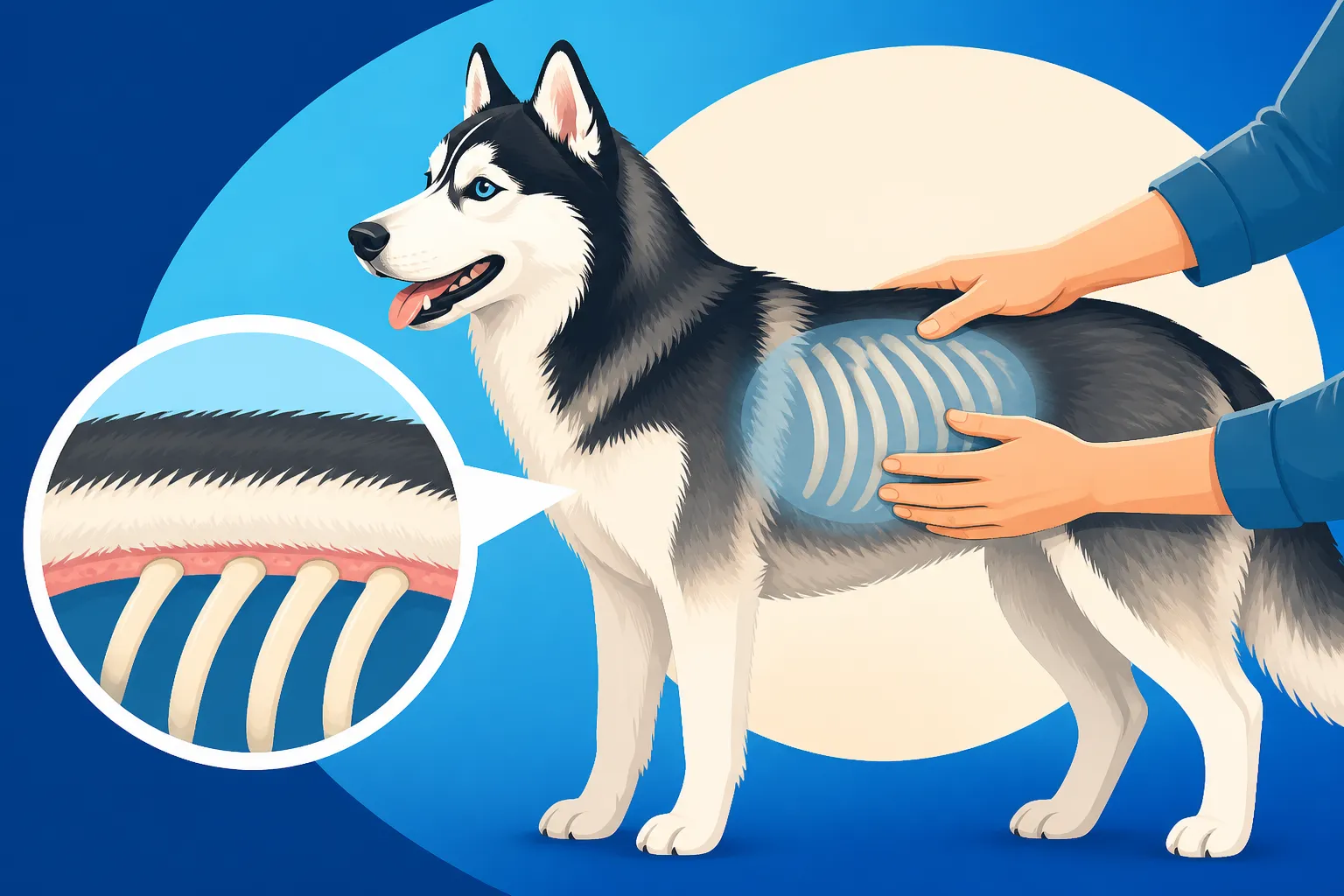
To perform the "rib test," start by gently placing the flats of your fingers and palm on your Husky's side, just behind their front leg. Slowly move your hand backward along their rib cage, applying a light but firm pressure. You're not trying to dig into them, just enough to feel through the fur and the underlying muscle and fat. The goal is to feel the individual ribs. Think of it like feeling for the keys on a piano through a soft blanket – you want to be able to distinguish each "key" without having to press too hard.
The key is consistency. Perform this test regularly, perhaps once a week, so you get to know what your individual Husky's healthy ribs feel like. This allows you to spot subtle changes quickly. If you have a particularly dense-coated Husky, you might need to part the fur slightly or apply a tiny bit more pressure, but never to the point of discomfort for your dog. A good quality undercoat rake, easily found on Amazon, can help thin out loose fur, making it easier to perform this check. Don't just check one side; move to the other side of their rib cage as well, just in case there's any asymmetry, though this is rare in a healthy dog.
What Healthy Ribs Should Feel Like
When your Siberian Husky is at a healthy, ideal weight, you should be able to feel their ribs quite easily with that gentle pressure, almost like running your hand over a washboard covered by a thin, soft blanket. You shouldn't see their ribs visually without pressure, nor should they feel sharp or protrude prominently. There should be a very thin layer of fat covering them, just enough to make them feel smooth rather than bony.
It’s a delicate balance: you can feel them distinctly, count them even, but they aren't sticking out. Imagine running your fingers along the back of your hand – you can feel your knuckles and bones quite well, but they aren't sticking out sharply through the skin. That's roughly the tactile sensation you're aiming for. If your Husky has a lot of muscle, especially if they are a working dog, their ribs might feel slightly less prominent due to the muscle mass over them, but you should still be able to feel them with relative ease. This ideal feeling indicates that your Husky is carrying just the right amount of body fat to support their health without overburdening their joints or organs.
Interpreting the Rib Test: Too Thin, Just Right, or Too Heavy?
Once you've gotten the hang of feeling for your Husky's ribs, the next step is to interpret what your hands are telling you. This is where you connect the tactile sensation to a Body Condition Score (BCS), even if you're not formally assigning a number. Understanding the nuances will help you make informed decisions about your Husky’s diet and exercise regimen. Remember, small adjustments early on can prevent bigger health problems down the road.
When Your Husky's Ribs Are Too Prominent
If, when you run your hands along your Husky's sides, you can see their ribs easily just by looking (without pressing down), or if they feel very sharp and distinct with almost no discernible fat layer, your Husky is likely too thin. This sensation is often described as feeling like the knuckles on the back of your hand, very angular and exposed. You might also notice their hip bones and spine are very prominent, perhaps even visible from a distance, and there’s a severe abdominal tuck where their belly seems almost hollowed out.
Being too thin can be a serious issue for a Siberian Husky. While they are known for their efficient metabolism, which means they might eat Feeding a Siberian Husky on 60 Percent of the Label of what other breeds their size consume, they still need adequate calories and nutrients. If your Husky is too lean, it could indicate insufficient food intake, too much exercise without proper caloric support, or even an underlying health condition such as parasites, thyroid issues, or malabsorption. A consistently underweight Husky may lack energy, have a dull coat, and be more susceptible to illness. If you suspect your Husky is too thin, it’s always best to consult your vet to rule out any medical causes.
The Ideal Body Condition Score for a Siberian Husky
The gold standard for assessing a dog's weight is the Body Condition Score (BCS), typically on a 1-5 or 1-9 scale. For a Siberian Husky, an ideal BCS often correlates to being able to easily feel the ribs with gentle pressure, but not see them. As we discussed, there should be a thin padding of fat, making them feel smooth, not sharp. From above, you should see a discernible waist – an hourglass shape, if you will – where the abdomen tucks up slightly from the rib cage. From the side, the abdominal tuck should be present, not excessively deep, but definitely not straight or bulging.
This ideal condition ensures your Husky has enough energy reserves, strong muscles, and healthy joints without carrying excess weight. It's the sweet spot where their body is functioning optimally. Regular checks are crucial, as a Husky’s metabolism can fluctuate with age, activity level, and even the seasons. Keeping your Husky in this ideal range is one of the best things you can do for their long-term Siberian Husky Lifespan and What Shortens It.
Feeling for Ribs When Your Husky is Overweight
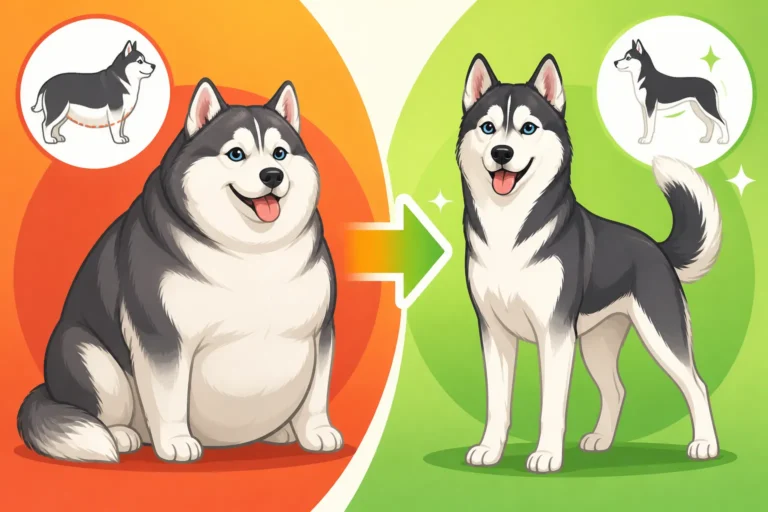
On the flip side, if you have to press firmly, or even dig your fingers in, to feel your Husky's ribs, and even then, they feel cushioned and indistinct, your Husky is likely carrying too much weight. This would feel more like trying to find bones through a thick, plush mattress. You might not be able to count individual ribs at all, or they might feel like broad, flat areas rather than distinct ridges.
Visually, an overweight Husky might have no discernible waist, appearing more like a cylinder or even bulging outwards at the sides. Their abdominal tuck might be gone, with their belly appearing straight or even sagging. Extra fat deposits might be noticeable over their hips and at the base of their tail. It's easy to dismiss a little extra weight as "fluffiness" in a Husky, but this can lead to serious health issues, which we'll delve into shortly. If your Husky's ribs are difficult to feel, it's a clear signal that it's time to re-evaluate their diet and exercise routine.
Here’s a quick summary to help you visualize what you’re feeling for:
| Body Condition | Ribs Feel Like… | Visual Cues (Despite Fur) | General Health Implications |
|---|---|---|---|
| Too Thin | Easily visible, sharp, no fat padding. | Hip bones, spine prominent; severe abdominal tuck. | Low energy, poor immunity, muscle loss, organ strain. |
| Ideal | Easily felt with gentle pressure, smooth, thin fat. | Discernible waist, slight abdominal tuck from the side. | Optimal energy, healthy joints, good overall vitality. |
| Overweight | Difficult to feel, cushioned, indistinct. | No waist, straight/bulging abdomen; fat over hips/tail base. | Joint stress, heart disease, diabetes, reduced lifespan. |
The Health Implications of Body Condition
Maintaining an ideal body condition isn't just about how your Siberian Husky looks; it's about safeguarding their health and ensuring they lead a long, active, and comfortable life. Both being underweight and overweight come with their own set of serious health risks that can significantly impact their quality of life. As responsible owners, understanding these implications drives us to be diligent in monitoring their weight.
Risks of Being Underweight for a Siberian Husky
While Huskies are naturally lean and efficient, being truly underweight can be detrimental. A dog that is too thin lacks adequate fat reserves, which are crucial for energy, insulation, and the absorption of fat-soluble vitamins. This can lead to a compromised immune system, making them more susceptible to illnesses and infections. They might also struggle with maintaining body temperature, especially in colder climates, despite their double coat. Furthermore, an underweight Husky will often have reduced muscle mass, leading to weakness, fatigue, and a diminished capacity for the activities they love.
Long-term leanness can also affect their organ function. For instance, chronic undernourishment can strain the heart and kidneys over time. If your Husky is constantly struggling to keep weight on, even with appropriate feeding, it could signal underlying issues such as malabsorption, chronic digestive problems, or even parasites that are stealing nutrients. It’s crucial to get a veterinary check-up if you find your Husky is consistently too thin, to rule out any medical conditions that might require intervention. Increasing their food intake or switching to a higher-calorie diet, perhaps from a reputable brand found on Chewy, should only be done after ruling out health problems.
The Dangers of an Overweight Siberian Husky
Far more common than being underweight, and arguably more dangerous in the long run for many pet dogs, is being overweight. Even a few extra pounds on a Siberian Husky can place immense strain on their joints, especially their hips and elbows. While Siberian Huskies are generally known for their relatively good hips compared to some other large breeds, excess weight will undeniably exacerbate any existing predisposition to conditions like arthritis or hip dysplasia, making it much harder for them to move comfortably. Siberian Husky Weight and Joint Health is a real concern.
Beyond joint problems, obesity in dogs is linked to a laundry list of serious health issues. These include an increased risk of heart disease, diabetes, certain types of cancer, respiratory problems, and even issues during anesthesia should they ever need surgery. Their famous double coat can make them overheat more easily if they're carrying extra insulation in the form of fat. An overweight Husky will have reduced stamina, be less enthusiastic about exercise, and generally experience a lower quality of life. They might also be more prone to Siberian Husky Dental Disease by Age Five as excess weight can sometimes correlate with poorer overall health. Addressing weight gain early is paramount for their longevity and happiness.
Adjusting Diet and Exercise Based on Rib Feel
Once you've assessed your Siberian Husky's body condition by feeling their ribs, the next logical step is to make appropriate adjustments to their diet and exercise routine. This is where you, as their dedicated owner, can directly influence their health and well-being. Remember, these changes should always be gradual and monitored closely.
Feeding Strategies for a Husky Needing to Gain Weight
If your Husky's ribs feel too prominent and you've ruled out underlying medical conditions with your vet, the goal is to safely and gradually help them put on a bit of healthy weight. This isn't about simply doubling their food overnight, which could cause digestive upset. Instead, consider these strategies:
- Increase Caloric Density: Instead of just increasing the volume of their current food, look for a food with higher caloric density or a slightly higher fat content. Many reputable brands offer "active" or "performance" formulas that are richer in calories. You might find a great selection of high-quality foods, or even a digital pet scale to help you monitor progress, on sites like Chewy.
- Add Small, Extra Meals: Instead of two large meals, you could offer three smaller meals throughout the day. This can be easier on their digestive system and ensure a steady caloric intake.
- Introduce Healthy Toppers: A tablespoon of plain canned pumpkin (not pie filling!), unseasoned cooked meat, or a quality fish oil supplement can add calories and palatability without drastically changing their primary diet. Always introduce new foods slowly to avoid upsetting their stomach.
- Monitor Progress: Use your hands to check their ribs weekly. You should feel a gradual change. Also, weigh your Husky weekly if possible. A good quality digital pet scale, often available on Amazon, can be an invaluable tool for precise monitoring.
Remember, the goal is healthy weight gain, building muscle and a thin fat layer, not just adding bulk.
Managing Portions for an Overweight Siberian Husky
If your Husky's ribs are difficult to feel, it’s time to dial back their caloric intake and focus on safe weight loss. This is often more challenging than gaining weight, especially with a dog that loves their food, but it’s crucial for their health.
- Reduce Portions Gradually: Don't drastically cut their food. Start by reducing their current meal by 10-15% and monitor for a couple of weeks. If you're looking for more precise, portion-controlled meals tailored to your Husky's needs, services like Ollie could be a good fit, as they often provide exact meal sizes based on your dog's ideal weight.
- Switch to a Weight Management Formula: Many dog food brands offer "light" or "weight management" formulas that are lower in calories and fat but still provide essential nutrients. This allows you to feed a satisfying volume without overdoing the calories.
- Measure Accurately: This is non-negotiable! Weighing a Siberian Husky's Ration Instead of Scooping is far more accurate than using a cup. A kitchen scale will be your best friend. A slight overfill of a cup twice a day can easily add up to hundreds of extra calories over a week.
- Limit Treats: Treats are often calorie bombs. Cut back significantly or switch to low-calorie options like plain green beans, baby carrots, or small pieces of apple (no seeds!). Remember Treat Spending Through Siberian Husky Training needs to be factored into their daily caloric intake.
- Increase Fiber: Foods higher in fiber can help your Husky feel fuller with fewer calories. Your vet can recommend suitable options.
- Avoid Free Feeding: Free feeding makes it impossible to track caloric intake. Stick to scheduled meals. For more on this, you might read Whether a Siberian Husky Will Overeat.
- Regular Monitoring: Just like with weight gain, weekly rib checks and weighing your Husky are vital. It’s a marathon, not a sprint, and slow, steady weight loss (around 1-2% of their body weight per week) is the healthiest approach. For a deeper dive into managing an overweight Husky, check out Slimming an Overweight Siberian Husky.
Exercise Considerations for Body Condition
Diet goes hand-in-hand with exercise when it comes to managing weight. Siberian Huskies are built for endurance and thrive on activity.
- For Underweight Huskies: While you want them to gain weight, don't stop their exercise. Continue with moderate, regular activity to build healthy muscle mass, but ensure they are receiving adequate calories to fuel these efforts and recover. Over-exercising an underweight Husky can make it harder for them to gain weight and could lead to muscle loss.
- For Overweight Huskies: Exercise is crucial for burning calories and building lean muscle. Start slowly and gradually increase the duration and intensity of their walks, runs, or play sessions. If your Husky is very overweight, impact activities like jumping or long, strenuous runs might be too hard on their joints initially. Focus on swimming (if they like it), brisk walks, or short, frequent play sessions. Remember, How Much Exercise a Siberian Husky Really Needs is significant, but it must be appropriate for their current fitness level.
- Consult Your Vet: Before starting any new strenuous exercise regimen with an overweight Husky, especially if they are older or have known health issues, always consult your veterinarian. They can help you devise a safe and effective plan.
Consistency in both diet and exercise, tailored to your Husky's specific needs, is the key to achieving and maintaining an ideal body condition.
When to Consult Your Veterinarian
While feeling your Siberian Husky's ribs is an excellent tool for at-home monitoring, it doesn't replace the expertise of a professional. There are times when a change in body condition, or even difficulty in achieving an ideal weight, warrants a trip to the vet. They can provide a more thorough assessment, diagnose underlying issues, and offer tailored advice that is specific to your individual dog.
Persistent Weight Issues Despite Adjustments
If you've been diligently trying to adjust your Husky's diet and exercise based on their rib feel, yet they are consistently too thin or stubbornly holding onto extra weight, it's time to bring in the professionals. For an underweight Husky, especially if they are eating a calorically appropriate diet but still feel too bony, there could be underlying health problems. This might include parasites, malabsorption disorders, inflammatory bowel disease, or even conditions like hyperthyroidism (though hypothyroidism is more common in Huskies, sometimes leading to weight gain).
Similarly, if your Husky isn't losing weight despite a carefully controlled, reduced-calorie diet and increased exercise, your vet can investigate. They might check for metabolic issues, such as a sluggish thyroid, or other hormonal imbalances that can make weight loss incredibly difficult. Sometimes, a vet-prescribed prescription diet specifically formulated for weight loss is needed to kickstart the process. They can also offer guidance on Calories a Fifty-Pound Siberian Husky Needs Daily or Why a Siberian Husky Eats Less Than a Labrador, specific to your dog's activity level and individual metabolism. Don't feel discouraged if you need this help; weight management can be complex, and your vet is your best partner.
Sudden Weight Changes Without Cause
Any sudden or unexplained change in your Siberian Husky's weight or body condition, whether it's rapid loss or quick gain, should always prompt a veterinary visit. This is especially true if there have been no significant changes in their diet or exercise routine. A rapid drop in weight, for instance, could be a symptom of a serious illness like kidney disease, cancer (though Cancer Types Seen in Siberian Huskies are varied and not always linked to sudden weight loss), or severe dental pain making it difficult to eat.
Conversely, a sudden, unexplained weight gain could point to hormonal imbalances, fluid retention (which can indicate heart or kidney problems), or other metabolic disorders. Even if your Husky seems otherwise healthy and energetic, a drastic change in their body condition is a red flag that something internal might be amiss. Early detection of many diseases often leads to better prognoses and more effective treatment. Your vet can perform diagnostic tests, such as blood work or urinalysis, to get to the root of the problem and ensure your beloved Husky gets the care they need.
Disclaimer
This article is for general informational purposes only and does not constitute professional advice. Laws, prices and regulations vary by location and change over time. Consult a qualified professional for guidance on your specific situation.