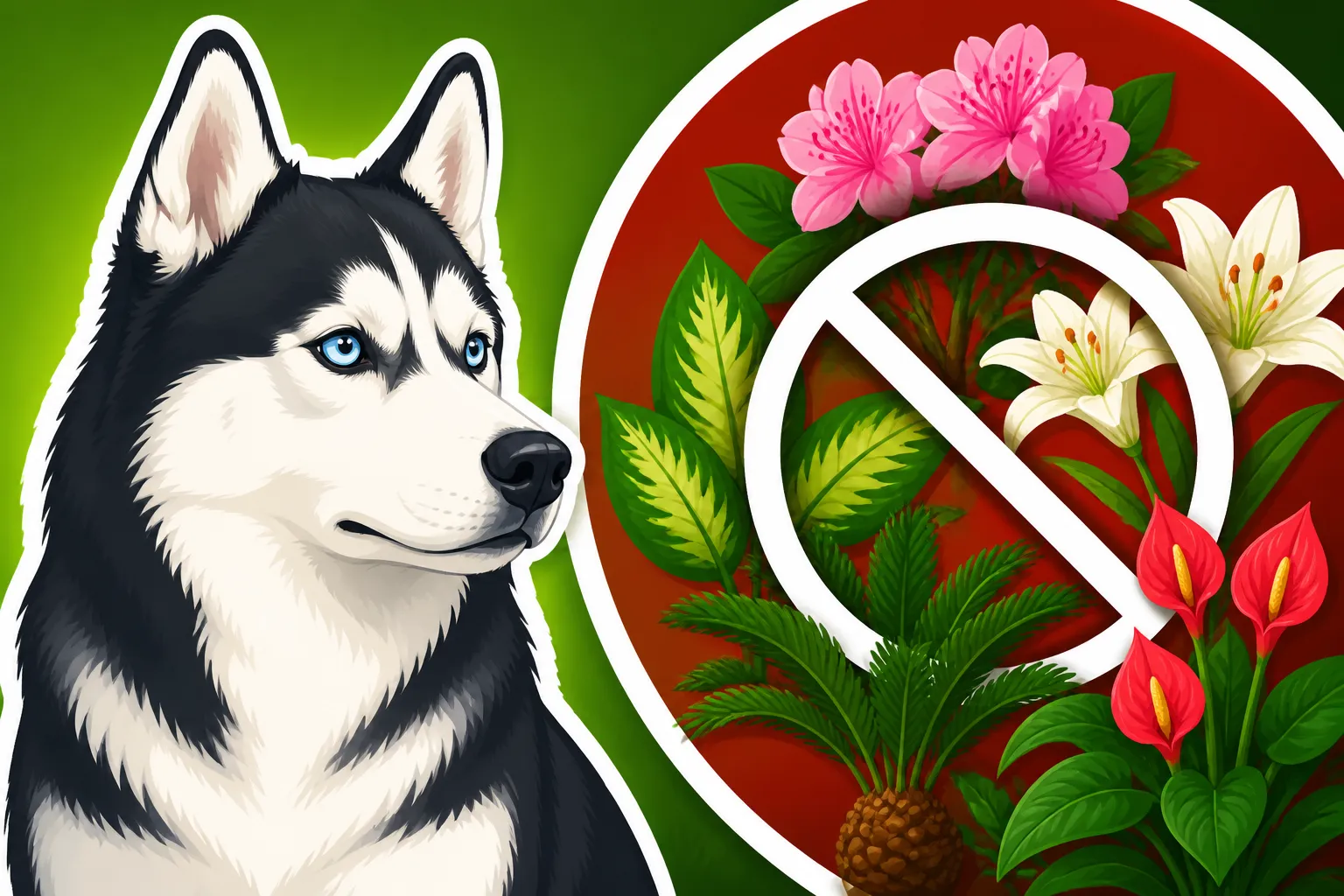
Yard Plants Dangerous to a Siberian Husky
As Siberian Husky owners, we pour so much love into creating a safe, enriching home for our adventurous companions. Yet, one hidden danger often lurks right in our backyards: the plants. It's frustrating to want a beautiful landscape and also keep your curious, sometimes mischievous, husky from ingesting something truly harmful. This comprehensive guide will walk you through common yard plants that pose a risk to your Siberian Husky, helping you identify them, understand the dangers, and create a safer outdoor environment.
The Hidden Dangers in Your Garden and Yard
You spend so much time making sure your husky has a secure fence and plenty of toys, but sometimes the biggest threats are the ones growing quietly right under your nose. Our huskies are naturally curious and often have a penchant for exploring with their mouths, which can lead them straight to a toxic plant. It's not always malicious destruction; sometimes it's just sheer boredom or a natural instinct to chew, especially if they are feeling a bit antsy and unsupervised. Understanding this inherent curiosity is the first step to mitigating the risks that your yard might pose.
Why Huskies Are Prone to Plant Poisoning
Siberian Huskies are known for their boundless energy, intelligence, and often, a streak of independence that can sometimes manifest as mischievous behavior. This combination makes them particularly susceptible to plant poisoning. They are diggers, chewers, and explorers by nature, constantly investigating their environment. A plant that might be ignored by a less active or curious breed could become a fascinating new texture or taste for a husky, leading them to munch on leaves, flowers, or even roots.
Think about it: a husky left alone for too long, especially if they haven't had enough exercise, might turn to landscaping for entertainment. A young husky, still teething, might find the texture of a plant stem satisfying. Even adult huskies, known for their strong prey drive, might get overly excited chasing a squirrel and accidentally grab a mouthful of something dangerous along the way. It’s not that they’re intentionally trying to harm themselves, but their natural instincts and high energy levels can put them in risky situations with toxic foliage. If you find your husky turning your flowerbeds into a chew toy, it might be a sign they need more engagement, as discussed in Siberian Husky Destruction When Left Alone.
Common Toxic Landscape Plants
Many popular ornamental plants, beautiful as they may be to us, harbor potent toxins for dogs. Identifying these in your yard is crucial for your husky's safety.
Rhododendrons and Azaleas: These stunning flowering shrubs are part of the Rhododendron genus and contain grayanotoxins. Even a small amount ingested can cause severe vomiting, diarrhea, weakness, cardiac issues, and central nervous system depression. Symptoms can appear within a few hours, and require immediate veterinary attention. They're very common in many yards, especially those seeking vibrant spring color.
Sago Palm: This popular houseplant and outdoor ornamental in warmer climates is extremely toxic. Every part of the sago palm is poisonous, but the seeds (nuts) are particularly dangerous, containing cycasin, which can cause severe liver failure. Ingestion can lead to vomiting, diarrhea, weakness, seizures, and liver damage, often irreversible. If you live in an area where sago palms grow outdoors, this is one to be exceptionally cautious about.
Oleander: Often used in hedges and decorative plantings, especially in southern regions, oleander is another plant where all parts are highly toxic. It contains cardiac glycosides that can disrupt heart function, leading to symptoms like excessive drooling, vomiting, diarrhea, ataxia (wobbly gait), tremors, and potentially fatal cardiac arrhythmias. This is a severe emergency if ingested.
Lilies (True Lilies): While famously deadly to cats, true lilies (such as Easter lily, tiger lily, Asiatic lily) can cause significant gastrointestinal upset in dogs, including vomiting, diarrhea, and abdominal pain. While not typically fatal for dogs like they are for felines, they're still best avoided. However, other "lilies" like Lily of the Valley are highly cardiotoxic and are extremely dangerous to dogs. It's essential to know the specific type of lily you have.
Autumn Crocus: Not to be confused with spring crocus (which causes mild GI upset), the autumn crocus is far more dangerous. It contains colchicine, a highly toxic alkaloid that can cause severe vomiting, bloody diarrhea, bone marrow suppression, liver and kidney damage, and respiratory failure. Symptoms can be delayed, making diagnosis difficult.
Foxglove: Recognizable by its tall spikes of bell-shaped flowers, foxglove contains digitoxin and other cardiac glycosides, similar to oleander. Ingesting any part of this plant can lead to serious heart problems, vomiting, diarrhea, weakness, and collapse. This is another one that demands immediate veterinary intervention if you suspect your husky has eaten it.
Bulb Plants (Daffodils, Tulips, Hyacinths): While the flowers and leaves can cause mild stomach upset, the bulbs of these popular spring flowers are the most concentrated source of toxins. Ingesting daffodil bulbs can cause severe vomiting, diarrhea, abdominal pain, and even cardiac arrhythmias or respiratory distress. Tulip and hyacinth bulbs can also cause intense irritation to the mouth and esophagus, excessive drooling, and vomiting. If your husky is a digger, these buried treasures are a serious hazard.
Castor Bean: This plant is grown for its ornamental qualities and the oil extracted from its seeds, but the seeds contain ricin, one of the most potent naturally occurring toxins. Even a small amount of chewed seeds can be lethal, causing severe abdominal pain, vomiting (often bloody), diarrhea, tremors, seizures, and kidney failure. This is an absolute no-go for any pet owner.
Marijuana: With the increasing legalization of cannabis, many homes now have marijuana plants. While not a typical "poison" in the traditional sense, ingesting cannabis can cause dogs to become lethargic, uncoordinated, disoriented, and experience slowed heart rate, low blood pressure, or even seizures in severe cases. It's an accidental ingestion that's becoming more common.
Toxic Trees, Shrubs, and Weeds You Might Overlook
Beyond the obvious garden plants, your yard and surrounding areas can hide dangers in larger forms like trees and smaller, unassuming weeds. Huskies, with their propensity to explore every nook and cranny, won't discriminate based on size when it comes to sampling something new. This is why a thorough understanding of all potential plant hazards is so important for their safety.
Trees and Shrubs with Hidden Hazards
It’s easy to focus on ground-level plants, but don't forget the trees and larger shrubs that make up the backbone of your landscape. Their leaves, bark, or fruits can pose a significant risk.
Cherry, Apricot, Peach, and Plum (Stone Fruits): While the ripe fruit flesh is generally safe in moderation, the pits, leaves, and stems of these fruit trees contain cyanide precursors. If chewed or ingested, especially the wilted leaves or crushed pits, they can release cyanide. Symptoms can include dilated pupils, difficulty breathing, bright red gums, and shock. If you have these trees, ensure fallen fruit is picked up promptly, and your husky cannot access wilting branches.
Oak Trees (Acorns and Leaves): Many people don't realize that oak trees, specifically their leaves and acorns, can be toxic to dogs, especially in large quantities. They contain tannins, which can cause gastrointestinal upset (vomiting, diarrhea), but in more severe cases, can lead to kidney damage and liver failure. Young, budding leaves and green acorns are particularly concentrated with these toxins. If you have an oak tree, be mindful during spring and autumn, and consider gathering fallen acorns.
Black Walnut Trees: The nuts and hulls of black walnut trees can be toxic, but the primary concern for dogs is often related to moldy hulls. If your husky ingests black walnut hulls that have become moldy (especially with Penicillium molds), it can lead to neurological symptoms like tremors and seizures. The wood itself, if ingested, can also cause issues. If you have a black walnut tree, clear fallen nuts and hulls regularly.
Yew: This evergreen shrub is often used in landscaping for its dense, dark foliage. However, all parts of the yew plant (leaves, bark, berries, and seeds) contain taxine alkaloids, which are highly toxic and can cause sudden death due to acute cardiac failure. Symptoms can include trembling, coordination problems, difficulty breathing, and collapse. There is no antidote, making this an extremely dangerous plant to have in a husky's reach.
Wild Weeds and Foraging Risks
Sometimes, the dangers aren't even plants you deliberately put in your yard, but rather wild weeds or fungi that sprout up. Huskies, especially those who love to dig and investigate, might find these unexpected additions quite interesting.
Poison Ivy and Poison Oak: While humans often suffer intensely from contact with these plants, dogs are generally more resistant due to their fur acting as a protective barrier. However, contact can still cause skin irritation, redness, or blistering, especially in areas with less fur or if they repeatedly rub against it. If your husky encounters these, they can also transfer the oils to you. It's best to remove them from your yard, not just for your husky but for yourself!
Mushrooms: This category is incredibly broad, ranging from perfectly harmless to deadly poisonous. Identifying wild mushrooms is extremely difficult, even for experts. Many toxic mushrooms can cause severe gastrointestinal distress, liver failure, kidney failure, or neurological problems. The rule of thumb for any mushroom you find in your yard is simple: assume it's poisonous and remove it immediately. If you suspect your husky has eaten a mushroom, contact your vet or an animal poison control center with a sample of the mushroom if possible.
Larkspur, Nightshade, and Jimsonweed: These are just a few examples of common weeds or wild plants that can appear in fields or overgrown areas around your home. Larkspur can cause digestive upset, muscle weakness, and respiratory paralysis. Various types of nightshade (e.g., deadly nightshade, bittersweet nightshade) contain solanine and other toxic alkaloids, leading to gastrointestinal issues, neurological signs, and heart problems. Jimsonweed, a large weed with distinctive spiky seed pods, contains tropane alkaloids that can cause disorientation, dilated pupils, dry mouth, rapid heartbeat, and convulsions. These plants can easily be overlooked, yet pose serious threats. A husky who tends to get bored and explore the perimeter of the yard or beyond might find these. Preventing escapes and maintaining a secure yard, as discussed in Stopping a Siberian Husky From Escaping the Yard, helps reduce this risk.
Protecting Your Husky: Prevention and Emergency Steps
Knowing which plants are dangerous is only half the battle. The other, arguably more important half, is actively preventing your Siberian Husky from encountering them and knowing what to do if an accident happens. Huskies are resourceful, as many owners can attest to if they've had a husky dig up a carefully planted rose bush or chew through a sprinkler head, as detailed in A Siberian Husky That Wrecks the Yard. Therefore, a proactive approach is key to their safety.
Creating a Safe Outdoor Space
Your yard should be a haven, not a hazard zone. Thoughtful planning and regular maintenance can make a huge difference.
Plant Selection and Placement: When planning new landscaping, consciously choose pet-safe plants. There are many beautiful, non-toxic alternatives for almost every popular poisonous plant. For instance, instead of sago palm, you might opt for a dwarf banana tree or a spider plant (if bringing indoors). Instead of lilies, consider petunias or snapdragons. If you absolutely must have a toxic plant, place it in an area your husky can never access, such as a raised, fully enclosed planter, or behind a secure fence that your husky can't dig under or jump over. Even better, consider a completely separate, dog-free garden area.
Physical Barriers and Supervision: A robust fence is paramount for a Siberian Husky, not just to keep them in, but to keep them away from potentially dangerous areas, both inside and outside your property. If there are toxic plants in a neighbor's yard, your fence prevents your husky from accessing them. For plants within your own yard, consider adding smaller decorative fences or barriers around specific beds. Most importantly, never leave your husky unsupervised in the yard for extended periods, especially if you have known toxic plants. A bored or lonely husky might just decide to investigate that forbidden flowerbed. Regular supervision is truly the best defense, particularly when they are young and still learning boundaries, as even an adult dog needs oversight, as discussed in Supervising a Siberian Husky in an Unfenced Yard.
Regular Yard Checks: Make it a habit to do a quick sweep of your yard every day or every few days. Look for fallen leaves, berries, or fruits from trees that might be toxic. Immediately remove any wild mushrooms that sprout after rain. If you have nut trees, gather up fallen nuts. Keeping your yard tidy reduces opportunities for your husky to find and ingest something they shouldn't. This vigilance is a small price to pay for your beloved husky's health and safety.
What to Do in Case of Suspected Poisoning
Despite your best efforts, accidents can happen. Recognizing the signs of poisoning and knowing how to react quickly can be life-saving.
Symptoms to Watch For: The symptoms of plant poisoning can vary widely depending on the plant and the amount ingested, but some common signs include:
- Gastrointestinal issues: Vomiting (with or without blood), diarrhea (with or without blood), excessive drooling, loss of appetite, abdominal pain.
- Neurological signs: Weakness, lethargy, disorientation, tremors, seizures, uncoordinated movements (ataxia). If your husky starts experiencing seizures, it's an extreme emergency, and you can learn more about recognizing them in Siberian Husky Seizures and Idiopathic Epilepsy.
- Cardiac issues: Rapid or slow heart rate, difficulty breathing, collapse.
- Skin irritation: Redness, swelling, or blistering around the mouth or on the skin if the plant caused contact irritation.
Immediate Action: If you suspect your husky has eaten a toxic plant, time is of the essence.
- Call Your Veterinarian Immediately: This is your first and most critical step. Do not wait. Explain what happened, what plant you suspect was ingested, and any symptoms your husky is showing. Your vet will advise you on the best course of action. You can also call a pet poison control hotline (like ASPCA Animal Poison Control or Pet Poison Helpline) which may have specific expertise on plant toxins.
- Do NOT Induce Vomiting Without Professional Advice: While inducing vomiting might seem like a good idea, it can sometimes do more harm than good, especially if the plant is caustic or if your husky is already showing severe symptoms. Only induce vomiting if instructed to do so by a vet or poison control expert.
- Gather Information and a Sample: If possible and safe to do so, collect a sample of the plant your husky ate (leaves, flowers, berries, bark). Take a picture if you can. This will greatly help the veterinary team identify the plant and tailor the treatment. Note down when the ingestion occurred and what symptoms you've observed. The more information you can provide, the better the outcome. Keeping up with regular vet visits, as covered in Siberian Husky Vet Visits by Life Stage, also means your vet will have your husky's baseline health information readily available.
When dealing with emergencies, having some basic supplies ready can be helpful, though for poisoning, professional medical intervention is non-negotiable. You can often find pet first aid kits or specific tools to help collect samples from retailers like Chewy or Amazon, but remember these are supplemental to expert veterinary care for serious toxic ingestions.
Researching and Understanding Plant Toxicity
Becoming a well-informed husky owner extends beyond the common knowledge. The more you understand about plant toxicity, the better equipped you'll be to prevent accidents and act swiftly if one occurs. This journey of knowledge is ongoing, and utilizing reliable resources is key to keeping your adventurous husky safe.
Utilizing Reliable Resources
Don't rely solely on memory or anecdotal evidence when it comes to plant safety. There are excellent, professional resources available to help you identify toxic plants and understand the risks.
Online Databases and Hotlines: Organizations like the ASPCA (American Society for the Prevention of Cruelty to Animals) and the Pet Poison Helpline maintain extensive, searchable databases of toxic and non-toxic plants. These resources are invaluable. They often list plants by common and scientific names, describe the toxic components, and detail the symptoms of ingestion. In an emergency, their hotlines are staffed by veterinary toxicologists who can provide immediate, life-saving advice, often before you can even get to your vet. These services do typically have a consultation fee, but it is well worth the peace of mind and expert guidance they provide during a crisis. Remember that the information about Foods That Poison a Siberian Husky extends beyond just human foods to the natural world around them.
Consulting Local Experts: Your local veterinarian is a fantastic resource. They are familiar with common toxic plants in your region and can advise you on creating a safe environment. Additionally, don't hesitate to ask staff at local garden centers or nurseries. Many reputable nurseries are knowledgeable about pet-safe gardening and can recommend beautiful, non-toxic alternatives for your landscape. When you’re at a nursery, specifically ask, "Is this plant safe for dogs?" or "Do you have a pet-friendly section?" This can save you a lot of research time.
Books and Guides: There are also many excellent books and guides on pet-safe gardening. A good book can be a handy reference to keep on your shelf, especially for identifying plants that might be new to you or for planning a completely dog-friendly yard. While many resources are available online, a physical guide can be incredibly useful when you're out in the garden. Even if your husky has a carefully balanced diet from a brand like Ollie, it only covers what you put in their bowl; what they find in the yard is another matter entirely. This is why being proactive with research and plant identification is so important.
| Plant Name | Toxic Part(s) | Common Symptoms of Ingestion | Severity |
|---|---|---|---|
| Azalea/Rhododendron | All parts | Vomiting, diarrhea, weakness, cardiac issues, tremors | High |
| Sago Palm | All parts, especially seeds | Vomiting, diarrhea, seizures, liver failure (fatal) | Extremely High |
| Oleander | All parts | Vomiting, diarrhea, abnormal heart function, collapse | Extremely High |
| True Lilies | All parts | Vomiting, diarrhea, kidney failure (cats), GI upset (dogs) | Moderate to High |
| Autumn Crocus | All parts | Vomiting, bloody diarrhea, bone marrow suppression, organ damage | Extremely High |
| Foxglove | All parts | Cardiac irregularities, vomiting, diarrhea, collapse | Extremely High |
| Daffodil/Tulip/Hyacinth | Bulbs (most toxic), flowers, leaves | Vomiting, diarrhea, oral irritation, cardiac issues | Moderate to High |
| Castor Bean | Seeds (most toxic) | Severe vomiting, bloody diarrhea, tremors, seizures, organ failure | Extremely High |
| Oak Tree | Acorns, young leaves | Vomiting, diarrhea, kidney damage | Moderate |
| Yew | All parts | Tremors, difficulty breathing, sudden death (cardiac arrest) | Extremely High |
| Mushrooms (Wild) | All parts | Highly variable: GI upset, neurological, liver/kidney failure, death | Variable (assume extremely high) |
| Cherry/Peach/Plum | Pits, wilting leaves | Difficulty breathing, bright red gums, shock (cyanide poisoning) | High |
Creating a safe outdoor environment for your Siberian Husky is an ongoing commitment. It means being vigilant about what you plant, regularly checking your yard for hazards, and knowing exactly what steps to take if your curious companion happens to ingest something dangerous. With the right knowledge and proactive measures, you can ensure your yard remains a place of joy and exercise, not a source of hidden threats.
Disclaimer
This article is for general informational purposes only and does not constitute professional advice. Laws, prices and regulations vary by location and change over time. Consult a qualified professional for guidance on your specific situation.