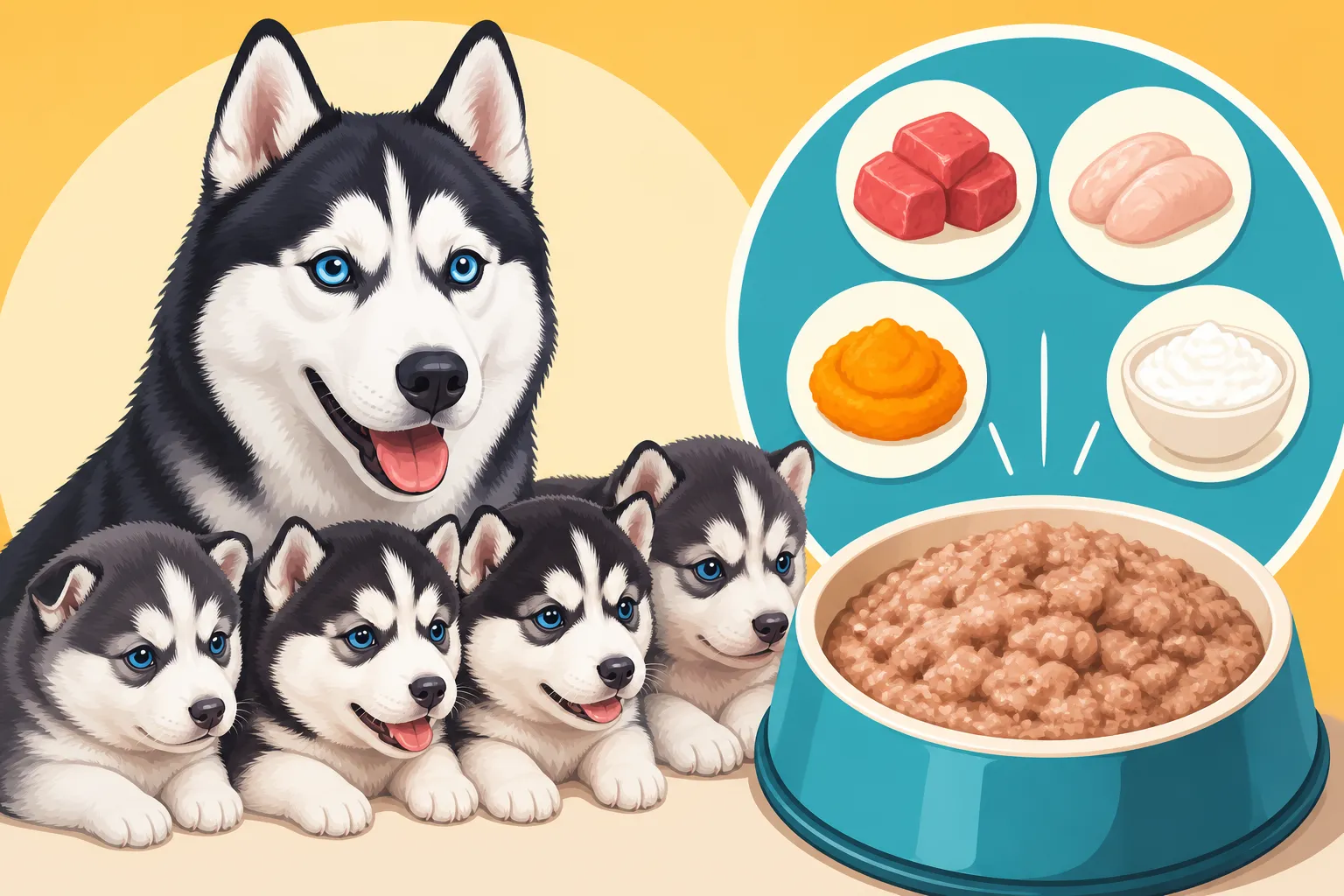
What a Siberian Husky Litter Eats After Four Weeks
Watching a litter of four-week-old Siberian Husky puppies tumble and play is one of life's purest joys, but then you realize they're growing fast, and mom's milk just isn't cutting it anymore. Suddenly, you're faced with the daunting question of what to feed these tiny, energetic fluff balls as they transition to solid food. This guide is here to walk you through the crucial steps of introducing solids, what options are best, and how to manage the delightful chaos of weaning a husky litter.
The Crucial Transition: When Weaning Begins for Siberian Husky Puppies
Weaning isn't a single event; it's a gradual process, and for Siberian Huskies, who develop quickly, it starts surprisingly early. You might be surprised at how soon those adorable little furballs are ready to explore tastes beyond their mother's milk. It’s a delicate balance of providing nutrition while respecting the natural bond with their mom.
Reading the Signs: When Puppies are Ready for Solids
Around three to four weeks of age, your husky puppies will start sending you clear signals that they're ready for more than just milk. One of the most obvious signs is their newfound curiosity about whatever mom is eating. They’ll watch her intently, perhaps even try to sneak a lick or two from her bowl if she’s not paying attention. It's truly fascinating to observe this innate drive to mimic and explore.
Another tell-tale sign is their emerging set of tiny, needle-sharp teeth. While these aren't quite ready for chewing hard kibble, they certainly make nursing less comfortable for the mother. You might notice the mother dog starting to get restless during nursing sessions or even trying to move away from her demanding pups more frequently. This natural progression is her subtle way of indicating that it's time for the pups to begin seeking other food sources. These early weeks are part of The Health Milestones of a Siberian Husky Year by Year, and observing these changes is key to a smooth transition.
Beyond the teeth, observe their general demeanor. Are they more active, playful, and exploring their surroundings with greater independence? This increased energy demands more fuel than milk alone can provide. While milk is still a primary source of hydration and nutrition at this stage, the puppies' rapidly developing bodies are craving more substantial sustenance to support their growth spurts and endless bouts of wrestling with littermates.
Why Four Weeks is a Key Milestone
Four weeks marks a significant turning point in a Siberian Husky puppy's life. At this age, the mother's milk, while still beneficial, is no longer sufficient to meet all the nutritional demands of a rapidly growing, active litter. Imagine trying to fuel a small, furry, high-energy athlete on just liquids! The puppies' individual growth rates mean that some might be more eager than others, but generally, the entire litter will be ready to begin their solid food journey.
This isn't just about nutrition; it's also about development. Their tiny digestive systems are maturing, becoming better equipped to process solid foods. Introducing solids at this stage helps their systems gradually adapt, preventing potential upsets later on. It also teaches them vital motor skills, like lapping and chewing, which are crucial for independent feeding.
Furthermore, weaning contributes to their social development. Learning to eat together from a communal dish, albeit a messy one, helps establish pack dynamics and good manners around food. While they'll still rely on their mother for comfort and occasional snacks, this stage pushes them towards greater independence, setting the foundation for them to thrive as they grow older. It's all part of preparing them for a life of exploration and robust health.
What to Offer: The First Solid Foods for Husky Puppies
When you first introduce solid food, it needs to be an appealing, easily digestible consistency that won't overwhelm their tiny tummies. Think of it as baby food for puppies – soft, mushy, and packed with nutrients. This initial stage is more about familiarization than full nutritional replacement, though it quickly becomes a significant part of their diet.
Crafting the "Gruel" – The Starter Meal
The very first solid food for husky puppies is often referred to as "gruel." This isn't just any mush; it's specifically designed to ease their transition. You'll want to start with a high-quality puppy kibble – look for formulas specifically designed for large breeds or all breeds, as they'll have the right balance of nutrients for fast-growing dogs like Siberians. Brands that focus on high-quality ingredients can be a good choice, and you can find a wide variety of options through online retailers like Chewy or your local pet store. Some owners might even consider nutrient-dense options from specialized brands like Ollie, which, while often fresh-cooked, can sometimes be adapted for gruel if thoroughly pureed and mixed.
To make the gruel, take a small amount of this high-quality kibble and blend it with warm water or a veterinarian-approved puppy milk replacer until it reaches a consistency similar to a thick milkshake or thin oatmeal. The key is to make it smooth enough for them to lap easily without choking, but thick enough that they can distinguish it from just water. Avoid using regular cow's milk, as many puppies are lactose intolerant, which can lead to upset stomachs and diarrhea. Gently warm the mixture – never hot, just comfortably warm – to make it more enticing and easier to digest.
Start by offering this gruel in a shallow, wide dish, allowing multiple puppies to access it simultaneously. Don't be surprised if they walk through it, play with it, and generally make a glorious mess! This is all part of the learning experience. Place the dish in a designated area that is easy to clean. You might even need to gently guide a hesitant puppy to the dish, perhaps dabbing a tiny bit on their nose to encourage them to lick and taste. The first few times, they might eat very little, but consistency is key.
Portion Sizes and Frequency
When you're first introducing gruel to your four-week-old husky litter, thinking about specific portion sizes can feel a bit overwhelming, especially since each puppy will have its own appetite and learning curve. The best approach is to start small and offer frequently. Initially, a tablespoon or two per puppy, presented three to four times a day, is a good baseline. Remember, their primary nutrition is still coming from their mother at this point, so these are just supplementary meals to get them used to the idea of solid food.
As the days progress and you observe the puppies’ increasing interest and consumption, you can gradually increase the quantity. Watch for how quickly they clean the dish – if they're still eagerly licking the bowl dry, you can offer a little more at the next feeding. It's far better to offer slightly too little and have them still keen, rather than overwhelm them with too much food which might lead to waste or digestive upset. This gradual increase helps their tiny digestive systems adapt without being overloaded.
Frequency is also key. Multiple small meals throughout the day mimic their natural nursing patterns and ensure a steady supply of new nutrients as they reduce their dependence on their mother. As they get closer to five or six weeks, you might find yourself increasing meal sizes and potentially reducing the frequency slightly, but always keep a watchful eye on their individual needs. Some puppies will be chow hounds, while others take a more delicate approach, which is completely normal.
The Importance of a High-Quality Puppy Formula
Choosing the right puppy formula is paramount for a rapidly developing breed like the Siberian Husky. Their growth plates are forming, their bones are strengthening, and their brains are rapidly developing – all of which require a precisely balanced diet. A high-quality puppy formula will provide the necessary protein, fat, vitamins, and minerals to support this intense growth without overdoing it. Protein is crucial for muscle development, while fats provide concentrated energy for their boundless puppy antics.
Look for formulas that explicitly state they are for "puppies" or "all life stages," especially from reputable brands. These foods are fortified with essential nutrients like DHA for brain and eye development, and have appropriate calcium-to-phosphorus ratios to support bone growth without risking skeletal issues. Generic adult dog food simply won't cut it for these little ones, as it lacks the caloric density and specific micronutrients needed for such a rapid growth phase. You can typically find a wide selection of high-quality puppy foods through large online retailers like Amazon or specialty pet stores, giving you plenty of options to research and compare.
It's also important to avoid overly rich foods or unproven "grain-free" diets without specific veterinary guidance. While some dogs might benefit from particular dietary restrictions later in life, a growing puppy needs a wide array of nutrients, and grain-inclusive diets often provide a well-rounded profile. Stick to tried-and-true, veterinarian-recommended brands that have undergone feeding trials to ensure they meet the nutritional needs of puppies. Remember, these early weeks of proper nutrition lay the groundwork for a lifetime of health and vitality for your husky. Protecting a Siberian Husky Puppy's Growth Plates is critical, and good nutrition is a huge part of that.
Managing the Weaning Process and Common Challenges
Weaning a litter of Siberian Huskies is undeniably a messy, but incredibly rewarding, experience. Anticipating the challenges and having a plan in place will make the process smoother for both you and the puppies. From cleaning up gruel-covered pups to encouraging picky eaters, it’s all part of the journey.
Messy Mealtimes and Hygiene
Let's be real: feeding a litter of four-week-old husky puppies is not for the faint of heart, or for those who prefer pristine floors. It will be messy. Puppies will inevitably walk through the gruel, get it on their faces, their paws, and often, each other. They're still learning coordination, and their primary instinct is to explore with all their senses, including their feet! This messy exploration is a normal and necessary part of their development, helping them build confidence and learn about different textures.
To manage the chaos, designate a feeding area that is easy to clean. This might be a whelping box lined with washable towels or newspaper, or a separate puppy pen with a non-porous floor that can be easily disinfected. Shallow, wide, heavy bowls are your best friends here – they're harder for puppies to tip over and allow multiple pups to eat side-by-side without too much crowding. After each meal, be prepared for a quick clean-up routine.
Immediately after feeding, gently wipe down each puppy with a warm, damp cloth, paying special attention to their faces, paws, and hindquarters to prevent irritation or dried-on food. Changing out soiled bedding or paper is also crucial to maintain a hygienic environment. Good hygiene during weaning not only keeps the puppies comfortable but also helps prevent the growth of bacteria and potential skin issues.
Encouraging Reluctant Eaters
Not every husky puppy will dive headfirst into their gruel with immediate enthusiasm. Some might be a bit more hesitant, preferring the comfort and familiarity of their mother's milk. This is completely normal, and it's your cue to become a gentle encourager rather than a forceful feeder. Remember, A Siberian Husky Puppy That Refuses Meals can be a concern, but often just needs a little coaxing.
One trick is to dab a tiny bit of the gruel directly onto a hesitant puppy's nose or gums. Their natural instinct to lick themselves clean will introduce them to the taste, often sparking their interest. You can also try gently guiding them to the bowl and placing their nose near the food, letting them explore at their own pace. Sometimes, simply letting them watch their more enthusiastic littermates eat is all the encouragement they need; peer pressure works wonders even in puppies!
Never try to force-feed a puppy, as this can create a negative association with food and make the weaning process even harder. If a puppy consistently refuses to eat for several meals, seems lethargic, or shows any signs of illness, it's always best to consult your veterinarian. They can rule out any underlying health issues and offer tailored advice. Patience and positive reinforcement are your best tools in helping every puppy embrace their new diet.
Gradual Transition to Dry Kibble
The journey from gruel to solid kibble is another step that requires patience and a gradual approach. Around five to six weeks, once the puppies are confidently lapping up their gruel, you can start modifying its consistency. This is where you begin preparing them for the adult diet they’ll eventually eat.
Start by gradually reducing the amount of water or milk replacer you mix into the kibble. Instead of a thick milkshake, aim for a consistency that's more like a very wet oatmeal, with individual kibble pieces still soft but discernible. Over the next week or two, continue to decrease the liquid, allowing the kibble to be increasingly firmer. This helps them transition from lapping to a more active chewing motion, strengthening their jaws and preparing their digestive systems for less processed food.
By seven to eight weeks of age, your husky puppies should be mostly, if not entirely, transitioned to dry kibble, softened just enough to be palatable and easy to chew. Always monitor their stool consistency during this period – any sudden changes in diet can lead to soft stools or diarrhea. If you notice persistent issues, slow down the transition or consult your vet. This careful progression ensures their digestive health and sets them up for success as they move into their new homes ready for solid food.
| Age (Weeks) | Food Consistency | Feeding Frequency | Notes |
|---|---|---|---|
| 3-4 | Thick gruel (blended kibble + liquid) | 3-4 times/day | Introduce slowly, watch for interest, very messy! |
| 4-5 | Thicker gruel (less liquid) | 3-4 times/day | Puppies actively lapping, still messy, cleaning after meals vital |
| 5-6 | Softened kibble (moistened, not mushy) | 3 times/day | Chewing encouraged, monitor stool, reducing liquid gradually |
| 6-7 | Lightly moistened kibble | 3 times/day | Nearly dry, good chewing, full transition almost complete |
| 7-8+ | Dry kibble with water available | 2-3 times/day | Ready for new homes with established eating habits, good hydration |
What to Avoid and Key Considerations
While the focus is often on what to feed, knowing what to avoid is equally critical, especially with rapidly growing and curious husky puppies. Their systems are still delicate, and what might be fine for an adult dog could be dangerous for a young pup.
Foods That Are Off-Limits for Young Husky Puppies
It’s tempting to share bits of your own food with those adorable, pleading puppy eyes, but resist the urge! Many human foods are toxic or simply unhealthy for dogs, and especially for young, developing puppies. Obvious no-nos include chocolate, grapes and raisins, onions, garlic, and anything containing xylitol (an artificial sweetener often found in gum and sugar-free products). Even seemingly innocuous items like avocados, macadamia nuts, or excessive amounts of salt can cause problems. Keep all human treats firmly out of puppy reach.
Raw diets are another area of caution for very young puppies. While some adult dogs thrive on raw food, a four-week-old puppy's immune and digestive systems are still developing. Introducing raw meat at this stage carries a higher risk of bacterial contamination (like Salmonella) and nutritional imbalances that could have serious long-term consequences for their growth. Unless you are an experienced breeder working directly with a veterinary nutritionist, stick to high-quality, commercially prepared puppy foods. High-Fat Food Costs for a Working Siberian Husky might apply later, but not this early.
Finally, avoid large, hard chews or toys that could pose a choking hazard or damage developing teeth. Their tiny teeth are sharp but fragile, and tough items could lead to dental fractures or impaction. Opt for puppy-specific chew toys or soft, digestible treats suitable for their age. Remember, these early dietary habits can influence their health for years to come. For more on what to avoid, consider researching Foods That Poison a Siberian Husky.
The Role of the Mother Dog During Weaning
Even as you introduce solid foods, the mother dog's role remains incredibly important, though it shifts. She is still providing essential nutrients through her milk, though in decreasing amounts, and more importantly, she continues to provide comfort, discipline, and crucial social lessons to her litter. Think of her as the ultimate teacher, guiding them through this significant life change.
The mother dog will naturally begin to control nursing sessions, often limiting the puppies' access or standing up to prevent them from nursing for too long. This is her way of encouraging them to explore solid food and gradually become more independent. She'll teach them bite inhibition, how to interact respectfully, and even how to clean themselves. These are invaluable lessons that no human can fully replicate, shaping their future behavior and making House Training a Siberian Husky Puppy much easier down the line.
It's vital to ensure the mother dog has her own space to retreat from her demanding pups, especially after they've started growing teeth. Provide her with a comfortable, quiet area where she can rest and eat her own food undisturbed. Ensure she maintains her own weight and health during this demanding period, as she's putting a lot of energy into raising her litter. Continuing to feed her a high-quality, calorie-dense diet, such as a good puppy or performance formula, will help her recover her condition.
Monitoring Health and Growth
Closely monitoring your husky puppies' health and growth is non-negotiable during the weaning process. Rapid growth is a hallmark of this age, and you want to ensure every puppy is thriving. Regular weight checks are an absolute must; weigh each puppy daily or every other day to ensure they are steadily gaining weight. Significant weight loss or a plateau in weight gain can be an early indicator of a problem, and for insights into what to expect, check out The Weight a Siberian Husky Hits at Six Months.
Beyond the numbers, observe their overall demeanor. Are they active, playful, and alert? Do they engage with their littermates and respond to your presence? Healthy puppies should have bright eyes, clean noses, and soft, pliable skin. Pay attention to their energy levels – a sudden drop could signal an issue.
Equally important is monitoring their waste. Keep an eye on their stool consistency and frequency. Stools should be well-formed but soft. Diarrhea or very hard stools could indicate a dietary problem, dehydration, or an underlying health concern. Any persistent digestive upset, lethargy, or refusal to eat should warrant an immediate call to your veterinarian. Regular vet check-ups are also crucial to ensure they are hitting all their developmental milestones and staying on track with their Vaccinating a Siberian Husky Puppy on Schedule. This meticulous attention to detail ensures that each husky pup receives the best possible start in life.
Disclaimer
This article is for general informational purposes only and does not constitute professional advice. Laws, prices and regulations vary by location and change over time. Consult a qualified professional for guidance on your specific situation.