Whether Siberian Huskies Get Ear Infections
It's an utterly frustrating moment when you notice your beloved Siberian Husky shaking their head, pawing at an ear, or perhaps even rubbing it along the carpet. Immediately, your mind jumps to the dreaded "ear infection," and visions of expensive vet visits and painful treatments dance in your head. While ear infections are certainly a common canine ailment, and Huskies are no exception to the possibility, it’s also true that they tend to be less prone to the chronic, yeasty ear issues that plague some other breeds. Understanding why, knowing what to look for, and learning the best ways to keep those signature upright ears healthy can save you a lot of worry and your Husky a lot of discomfort. This guide will walk you through everything you need to know about ear health in your Siberian Husky, from prevention to what to do if trouble strikes.
Are Siberian Huskies Prone to Ear Infections?
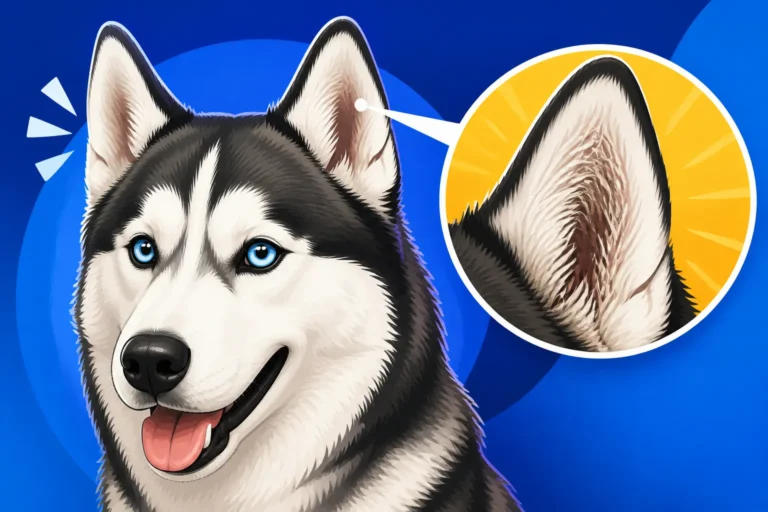
When you compare them to floppy-eared breeds like Basset Hounds or Cocker Spaniels, Siberian Huskies generally have a lower incidence of routine ear infections. This isn't just a lucky break; it's largely due to their erect ear carriage. Those beautiful, triangular ears stand proudly upright, allowing for excellent air circulation. This airflow helps to keep the ear canal dry and cool, creating a less inviting environment for yeast and bacteria to flourish. Breeds with long, pendulous ears often trap moisture and warmth, making them a breeding ground for pathogens.
However, "less prone" doesn't mean "immune." A Siberian Husky can absolutely develop an ear infection, particularly if underlying issues compromise their natural defenses. Think of it like this: a house with good ventilation is less likely to get mold, but if there's a leaky pipe or a massive flood, mold can still take hold. For your Husky, those leaky pipes could be allergies, swimming too much without proper drying, or even an irritating foreign body. It's a nuanced picture, and a diligent owner knows that while they might not face weekly ear cleanings like some other breeds, vigilance is still key.
Why Husky Ear Anatomy Helps (Mostly)
The classic Siberian Husky ear is a marvel of adaptation for cold climates. Beyond just standing up, the ear canal itself tends to be relatively open, allowing debris and moisture to escape more readily than in breeds with tight, convoluted canals. The thick fur that covers the outer ear and often the inner pinna also provides insulation, but critically, it doesn't typically block the opening of the canal in a way that creates a moist, stagnant environment. This structural advantage is a primary reason why many Husky owners go years without ever seeing an ear infection.
It's also worth noting that genetically, Siberian Huskies aren't predisposed to the same inflammatory skin conditions that can manifest as chronic ear issues in certain other breeds. For example, some breeds are notoriously prone to environmental allergies or food sensitivities that lead to widespread skin inflammation, with the ears often being one of the first and most severely affected areas. While Huskies can certainly have allergies, it's not typically their Achilles' heel in the same way, meaning that generalized skin inflammation is less likely to cascade into a persistent ear infection problem for the breed as a whole. This relative hardiness contributes significantly to their generally good ear health.
When Even a Husky's Ears Can Get Into Trouble
Despite their anatomical advantages, there are scenarios where even the most resilient Husky's ears can fall victim to irritation or infection. One common culprit is water. If your Husky loves to swim, or perhaps you've given them a bath and didn't thoroughly dry their ears, trapped moisture can create that ideal breeding ground for bacteria and yeast. Think of a hot, humid day after a dip in the lake—the ears might be dry on the outside, but moisture can linger deep within the canal. Another major factor is allergies. Whether it's to pollen, dust mites, or a particular food ingredient, allergies often manifest as itchy skin, and the ears are a prime target. An itchy ear gets scratched, which can break the delicate skin lining and allow opportunistic infections to set in.
Sometimes, it's simpler, yet just as frustrating: a foreign body. A tiny grass awn, a seed, or even a piece of dirt can become lodged deep in the ear canal, causing immense irritation and often leading to infection if not removed promptly. Owners of active, outdoor Huskies know how easily burrs and foxtails can attach themselves. These small invaders can be surprisingly painful and can cause your Husky to frantically shake their head or paw at their ear. Rarely, a Husky might develop a hematoma, a collection of blood under the skin of the ear flap, usually caused by vigorous head shaking duemto an underlying irritation like an infection or mites. These usually require veterinary intervention to drain and heal properly.
Common Ear Issues That Affect Siberian Huskies
While bacterial or yeast infections can happen, they aren't usually the first or most frequent ear complaint for Siberian Huskies. Instead, you might encounter issues like ear mites, especially in younger dogs or those with exposure to other animals. These microscopic pests cause intense itching, often leading to a dark, crumbly discharge that resembles coffee grounds. Another common issue is irritation from environmental factors, such as dust, sand, or strong winds, particularly if your Husky spends a lot of time outside or accompanies you on adventures. This irritation might not be an infection, but it can lead to scratching and inflammation, which then opens the door for secondary problems.
You also have to consider allergies, which we touched on briefly. While not as universally problematic for Huskies as for some breeds, an individual Husky can certainly develop them. If you notice your Husky is suddenly scratching at their ears, developing red skin around the ear opening, or exhibiting overall itchiness that coincides with certain seasons or diet changes, allergies should be on your radar. Unlike some breeds where allergies often lead straight to chronic yeast infections, a Husky might just have very itchy, red ears without the classic yeasty smell, at least initially. Recognizing these subtle differences is key to effective management and knowing when it's time to visit the vet.
Ear Mites and Other Parasites
Ear mites (Otodectes cynotis) are tiny, spider-like parasites that live on the surface of the ear canal lining, feeding on skin debris and earwax. They are incredibly irritating and are highly contagious among pets. If your Siberian Husky is scratching intensely at their ears, shaking their head, and you notice a dark, waxy, crumbly discharge that looks a bit like coffee grounds, ear mites are a strong possibility. These are especially common in puppies or Huskies who have been in contact with other animals (like at a shelter or dog park). While uncomfortable, they are generally straightforward to treat with veterinary-prescribed ear drops or systemic medications. Parasite Prevention for an Outdoor Siberian Husky is crucial, and routine checks can help catch these issues early.
Another, less common, parasite that can cause ear issues is ticks. If your Husky spends a lot of time hiking or in wooded areas, a tick can easily attach itself inside or around the ear flap. While a single tick usually just causes localized irritation, if it goes unnoticed and feeds for a while, it can cause inflammation and discomfort. Always include a thorough ear check as part of your post-adventure routine, especially during peak tick season. If you find a tick, remove it carefully with tweezers, gripping as close to the skin as possible and pulling straight out.
Allergies and Skin Sensitivities
As mentioned, allergies are a significant cause of ear irritation in dogs, and Siberian Huskies are no exception. These can be environmental allergies (atopy), food allergies, or even contact allergies to something your Husky's ears come into contact with, though the latter is less common. Environmental allergies often show up as seasonal itching, with ears, paws, and flanks being common targets. Food allergies, on the other hand, can cause year-round itching and inflammation, sometimes leading to recurrent ear infections. If your Husky has chronically red, itchy ears, even if there's no obvious discharge, allergies should definitely be discussed with your vet.
Identifying the specific allergen can be a long process. It might involve elimination diets if food is suspected, or allergy testing (skin tests or blood tests) for environmental triggers. Managing allergies often involves a multi-pronged approach, including medication to control itching and inflammation, regular ear cleaning with vet-approved solutions, and sometimes changes to diet or environment. You can find a range of hypoallergenic foods and ear cleaning solutions on platforms like Chewy or Amazon, but always consult your vet before introducing new treatments or making significant dietary changes. A veterinarian will have specific product recommendations tailored to your Husky's individual needs.
Spotting the Signs of Ear Trouble in Your Husky
Your Siberian Husky might be a master of stoicism, but when their ears are bothering them, they usually give some pretty clear signals. The tricky part is knowing what those signals mean. Often, the earliest signs are behavioral: increased head shaking, pawing at one or both ears, or rubbing their head against furniture or the ground. They might also carry their head tilted slightly to one side, especially if only one ear is affected. Sometimes, it's just a subtle change in their usual demeanor—maybe they're a little more irritable or less keen on having their head petted.
As the problem progresses, you'll start to see more obvious physical signs. This is where a quick, regular visual inspection becomes invaluable. Don't be shy about lifting that ear flap and taking a peek inside. You're looking for anything that seems "off" compared to a healthy, clean ear. Catching these signs early is crucial for preventing a minor irritation from escalating into a full-blown, painful infection that requires more intensive treatment.
Visual and Olfactory Clues
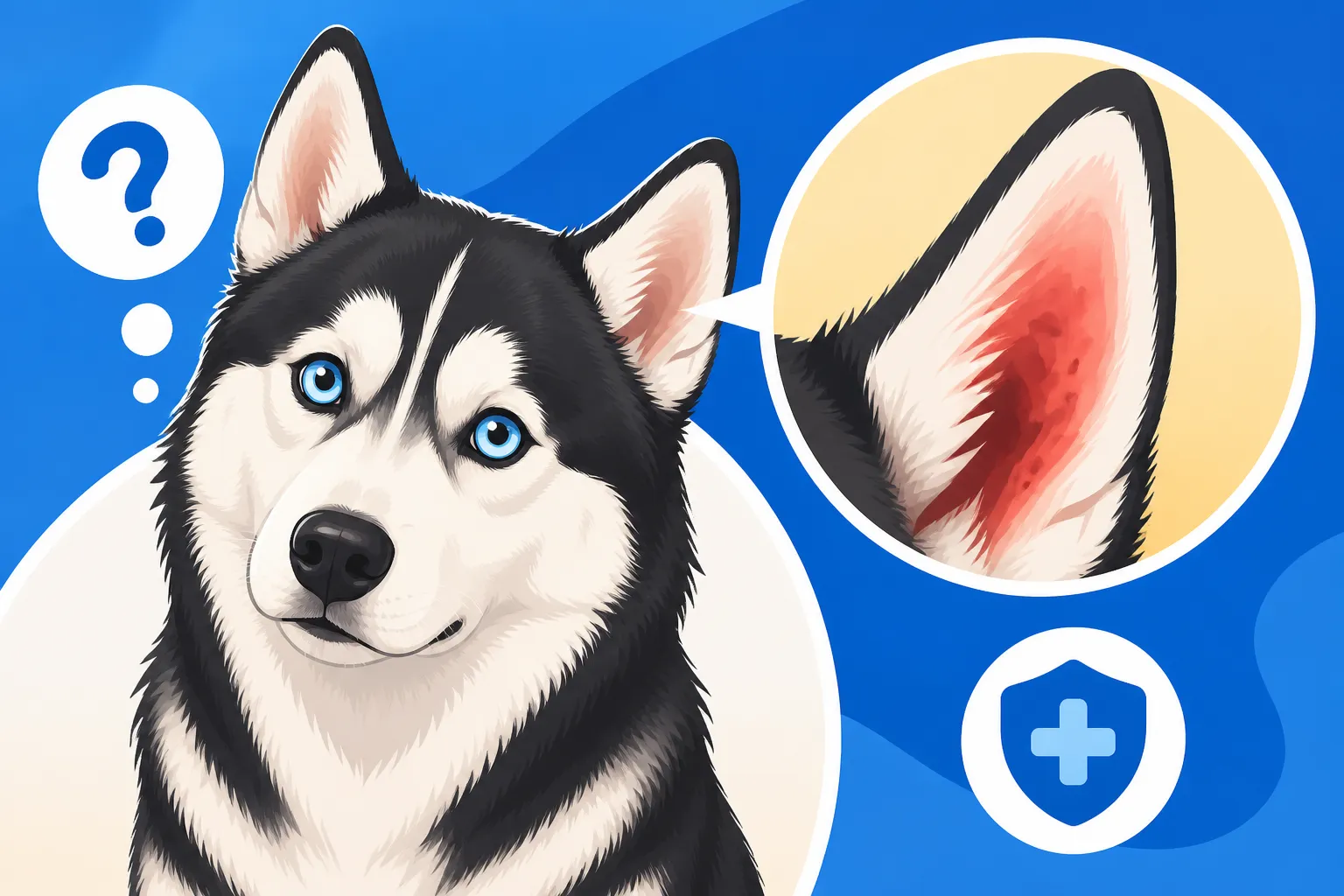
When you're doing your regular checks, there are specific things to look for and smell for in your Husky's ears. A healthy Husky ear canal should be clean, pale pink, and mostly free of discharge. You might see a small amount of light brown earwax, which is normal. Signs of trouble include:
- Redness or Swelling: The skin inside the ear flap and visible parts of the ear canal looking inflamed or puffy.
- Discharge: This can vary. It might be dark brown and waxy (often indicative of ear mites or yeast), yellow or greenish and pus-like (usually bacterial), or even bloody if there's been severe scratching or trauma.
- Crusting or Scabs: Often from intense scratching or secondary skin infections.
- Strong Odor: A distinct, often sweet and yeasty smell, or a foul, pungent odor. This is a dead giveaway that something is amiss, even if you don't see much discharge.
- Hair Loss: Around the ear, on the ear flap, or even on the side of the face from constant scratching.
If you notice any of these, it's definitely time to schedule a vet visit. Your vet will have the tools to look deeper into the ear canal, beyond what you can see, and collect samples for analysis. Siberian Husky Eye Pain and Sudden Squinting can sometimes be confused with head shaking due to ear issues, so observing closely is important.
Behavioral Changes to Watch For
Beyond the physical signs, your Siberian Husky will often communicate their discomfort through changes in their behavior. Pay attention if your Husky starts:
- Excessive Head Shaking: This is one of the most common and obvious signs. They might shake their head much more frequently or with more intensity than usual.
- Constant Scratching or Pawing: Your Husky might use a hind paw to scratch directly at the ear, or repeatedly rub their head and ear against the floor, furniture, or your leg.
- Head Tilting: Carrying their head noticeably tilted to one side, especially if only one ear is bothering them.
- Whining or Crying: If the pain is significant, they might vocalize their discomfort, particularly when the affected ear is touched.
- Reluctance to Be Touched: They might flinch, pull away, or even snap if you try to examine or touch their ear, indicating pain.
- Changes in Appetite or Energy: In more severe cases, or if they're in significant pain, your Husky might show a decreased appetite or seem lethargic.
- Poor Balance or Walking in Circles: In rare, severe cases where the inner ear is affected, a Husky might exhibit signs of dizziness, imbalance, or disorientation. This is a serious symptom requiring immediate veterinary attention.
Observing these cues, especially when combined with any visual or olfactory clues, gives you a clear indication that your Husky needs professional help. Being observant is the first step in ensuring their health and comfort.
Preventative Care and When to Seek Veterinary Help
The best defense against ear problems in your Siberian Husky is proactive, consistent preventative care. This doesn't mean obsessive cleaning; in fact, over-cleaning a healthy ear can do more harm than good by disrupting its natural balance. Instead, it means regular, gentle inspection and targeted cleaning only when necessary. Knowing your Husky's ears when they're healthy allows you to quickly spot changes when they're not. Establishing a routine for ear checks can become a positive bonding experience, rather than a dreaded chore.
However, despite your best efforts, sometimes problems still arise. It's crucial to know when home care is sufficient and when it's time to pick up the phone and call your veterinarian. Delaying professional intervention can lead to more severe infections, increased pain for your Husky, and more complicated—and expensive—treatments down the line.
Routine Ear Care for Your Husky
Regularly checking your Husky's ears should be part of your overall grooming routine, perhaps weekly or bi-weekly. It takes just a minute or two and can save a lot of trouble. Gently lift the ear flap and visually inspect the inside of the ear. Look for redness, discharge, or any unpleasant odors. You can also lightly feel the base of the ear—if it feels hot to the touch compared to the surrounding skin, that could indicate inflammation.
If the ears appear clean and don't smell, you usually don't need to do anything. If you notice a bit of normal, light brown earwax, you can gently wipe the outer part of the ear canal with a soft cotton ball or gauze pad moistened with a vet-approved ear cleaning solution. Never use cotton swabs deep inside the ear canal, as you risk pushing debris further in or damaging delicate structures.
For Huskies who love to swim or get frequent baths, thoroughly drying their ears afterwards is critical. You can use a soft towel to gently blot the visible parts of the ear. Some owners even use a small amount of veterinary drying solution (available from Chewy or Amazon) after water exposure, particularly for Huskies prone to moisture-related issues. Cleaning a Siberian Husky's Erect Ears can be a simple part of your routine.
| Ear Issue | Common Symptoms | Prevention/Home Care | When to See Vet |
|---|---|---|---|
| Normal Wax/Dirt | Minimal light brown wax, no odor/redness | Gentle wipe with cotton ball if visible | N/A |
| Ear Mites | Intense itching, head shaking, dark "coffee ground" discharge, strong odor | Regular checks, parasite prevention | Immediately for diagnosis and specific treatment |
| Bacterial/Yeast Infection | Redness, swelling, yellow/green discharge (bacterial), dark waxy discharge (yeast), strong foul/yeasty odor, pain | Thorough drying after swimming, allergy management, avoid over-cleaning | Immediately for diagnosis, prescription medication |
| Allergies | Chronic itching, redness, often bilateral, sometimes secondary infection | Identify and avoid allergens, vet-prescribed antihistamines/steroids | If itching is persistent, for diagnosis and management plan |
| Foreign Body | Sudden intense pawing, head shaking (often unilateral), pain, discharge | Avoid long grass/burrs, check ears after outdoor activity | Immediately, requires professional removal |
| Aural Hematoma | Swelling of the ear flap, "squishy" feel, usually after vigorous head shaking | Address underlying ear irritation/infection promptly | Immediately, often requires surgical intervention |
When to Consult Your Veterinarian
There are definite signs that indicate your Husky needs more than just a home cleaning. If you observe any of the following, it's time to contact your vet:
- Persistent Head Shaking or Scratching: If these behaviors continue for more than a day or two, even if you don't see obvious discharge.
- Redness, Swelling, or Strong Odor: These are classic signs of inflammation or infection that require medical attention.
- Any Form of Discharge: Especially if it's pus-like, bloody, or very dark and crumbly.
- Pain or Sensitivity: If your Husky cries, flinches, or resists when you touch their ear.
- Visible Foreign Object: If you can see something lodged in the ear canal, do not try to remove it yourself, as you might push it deeper or damage the ear.
- Head Tilt or Balance Issues: These could indicate a more serious inner ear infection or neurological problem.
Your vet will conduct a thorough examination, often using an otoscope to look deep into the ear canal. They might take a swab of any discharge to look at under a microscope (cytology) to identify bacteria, yeast, or mites. This is essential because different types of infections require different medications. What works for yeast won't work for bacteria, and vice versa. Over-the-counter treatments are rarely effective for true infections and can sometimes mask symptoms or make diagnosis harder. For more general health checks, remember Siberian Husky Vet Visits by Life Stage are vital.
Treatment Options and Long-Term Management
Once your veterinarian diagnoses the specific issue, they will prescribe appropriate treatment. For bacterial or yeast infections, this typically involves prescription ear drops or ointments that contain antibiotics, antifungals, or a combination, often with anti-inflammatory agents. Oral medications (antibiotics or anti-inflammatories) might also be necessary for severe cases. It's crucial to follow your vet's instructions precisely and complete the entire course of medication, even if your Husky's ears seem better after a few days. Stopping early is a common reason for recurrence.
For ear mites, specific antiparasitic ear drops or sometimes a spot-on treatment will be prescribed. If allergies are the root cause, management might involve a combination of approaches: identifying and avoiding triggers, antihistamines, steroids (oral or topical), or even specialized diets. Brands like Ollie, which focus on fresh, limited-ingredient diets, might be discussed with your vet for food sensitivities, alongside more traditional veterinary diets found on sites like Chewy. Regular follow-up appointments are often needed to ensure the infection has completely cleared and to establish a long-term preventative plan. For chronic cases, sometimes it’s worth asking about What a Siberian Husky Breeder Should Hand Over in terms of family health history to get a better picture of predispositions.
Ultimately, while Siberian Huskies enjoy a generally lower risk of chronic ear infections compared to some breeds, they are not immune. By being observant, practicing routine preventative care, and knowing when to seek professional veterinary help, you can keep your Husky's ears healthy and them happy.
Disclaimer
This article is for general informational purposes only and does not constitute professional advice. Laws, prices and regulations vary by location and change over time. Consult a qualified professional for guidance on your specific situation.