The 1926 Siberian Husky Tour of American Cities
For many of us who love the spirited Siberian Husky, the story of Balto and the 1925 Serum Run to Nome is iconic, a tale of heroism etched into history. But what often gets overlooked is what happened next – the surge of public interest that led to a remarkable cross-country tour, bringing these incredible dogs face-to-face with an eager American public. This guide delves into that pivotal 1926 tour, exploring how it catapulted the Siberian Husky from a little-known working dog to a national sensation, forever shaping the breed's journey in the United States.
The Aftermath of the Serum Run: From Alaskan Heroes to National Celebrities
The winter of 1925 was an extraordinary time for the remote town of Nome, Alaska, and for the sled dogs who made history. A diphtheria epidemic threatened the children of Nome, and the only way to get life-saving antitoxin serum to them was by an epic relay across hundreds of miles of unforgiving Alaskan wilderness. This harrowing journey, known as the "Great Race of Mercy," captured the imagination of the entire world. While many dog teams participated, it was the final leg led by Balto, and the incredible endurance of Leonhard Seppala's team, particularly the lead dog Togo, that became legendary.
The Public's Fascination with the Nome Dogs
The sheer bravery and resilience displayed by these dogs resonated deeply with a public yearning for stories of triumph against adversity. Newspapers across the nation, from the bustling streets of New York to the quiet towns of the Midwest, carried daily updates on the Serum Run. Radio broadcasts brought the harsh realities of the trail into living rooms, making the mushers and their canine companions household names. It wasn't just a local Alaskan story; it was an American saga, showcasing the indomitable spirit of both man and dog. The public was captivated, creating a genuine hunger to learn more about these extraordinary animals. We had seen their heroism, now people wanted to see the heroes themselves.
The focus initially landed heavily on Balto, the lead dog of the final team, who famously arrived in Nome. A statue of Balto was quickly erected in New York City's Central Park, cementing his image in the public consciousness. However, those intimately familiar with the run knew the true extent of the challenge and the incredible miles covered by other teams, especially Seppala’s. His lead dog, Togo, had run the longest and most treacherous leg, a fact recognized within mushing circles but often overshadowed by Balto's dramatic finish in the wider media narrative. The depth of The Diphtheria Outbreak That Sent Huskies to Nome meant every dog and musher was a hero, but some became more famous than others.
Why a Tour? Capitalizing on Heroism and Breed Interest
With such intense public interest, it was only a matter of time before someone saw the potential to bring these canine celebrities to the masses. The idea for a national tour wasn't just about showing off famous dogs; it was a clever entrepreneurial venture. Suddenly, the Siberian Husky, a breed largely unknown outside of Alaskan mushing circles and the specific Chukchi Origins of the Siberian Husky, was thrust into the spotlight. This was an opportunity to educate the public about the breed's unique capabilities, its gentle nature, and its striking appearance.
The tour aimed to solidify the Siberian Husky's heroic image, provide entertainment, and perhaps, more subtly, introduce the breed to potential fanciers and owners. It was a chance for people to see these "wonder dogs" up close, not just in newspaper photographs. The tour organizers understood that seeing these majestic animals in person, observing their calm demeanor alongside their powerful build, would leave a far greater impression than any newsreel ever could. It was an unprecedented marketing campaign for a dog breed, leveraging genuine admiration into a national phenomenon.
Touring the Nation: The Spectacle and the Dogs Behind It
The 1926 tour was an ambitious undertaking, bringing a piece of the Alaskan frontier to major American cities. It wasn't just a brief appearance; it was a series of meticulously planned events designed to showcase the Siberian Husky and the incredible story of the Serum Run.
Madison Square Garden and Beyond: The Initial Hype
The tour officially kicked off in New York City, with the dogs making a grand entrance at Madison Square Garden. Imagine the scene: a packed arena, the buzz of anticipation, and then, the sight of these beautiful, strong dogs, many of whom had literally saved lives, led into the spotlight. It was a spectacle unlike anything most city dwellers had ever witnessed. People flocked to see Leonhard Seppala and His Siberian Huskies and the star of his team, Togo, the Siberian Husky Who Ran 264 Miles. It was a chance to put a face (and paws!) to the names they’d read about in headlines for months.
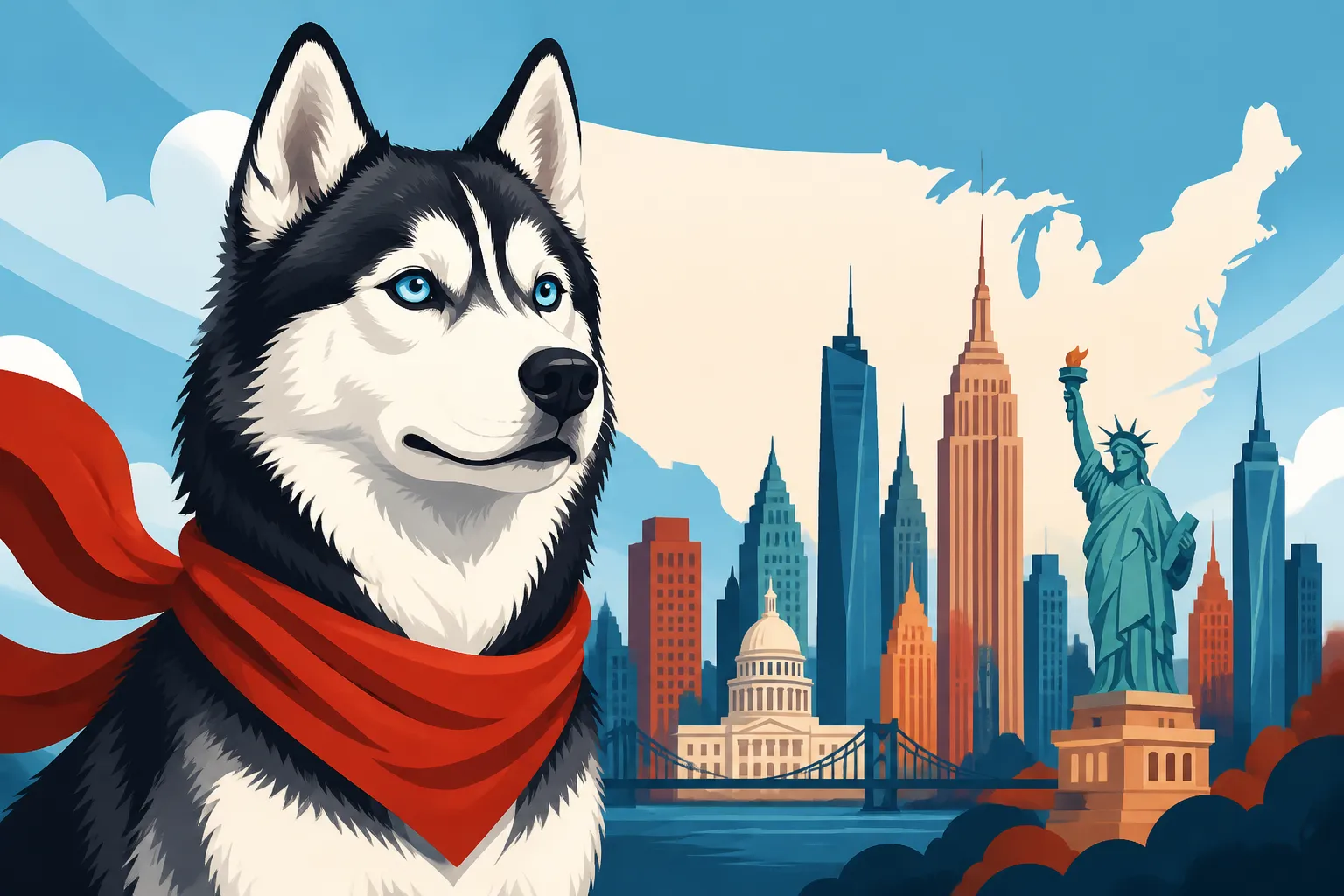
From New York, the tour moved to other major cities like Boston, Washington D.C., and beyond, drawing massive crowds at every stop. The initial hype in the bustling metropolis of New York City set the tone for the entire tour, demonstrating a nationwide eagerness to connect with these symbols of resilience. Each city welcomed the team with enthusiasm, creating a memorable experience for both the audience and the handlers. The logistical challenge of transporting a team of sled dogs across the country in the 1920s was significant, but the reward of public adoration made it all worthwhile.
What the Audiences Experienced: Demonstrations and Education
At each stop, the public wasn't just observing; they were educated and entertained. Leonhard Seppala himself, the legendary musher, was often present, offering firsthand accounts of the Serum Run and insights into the Siberian Husky's capabilities. The demonstrations were a highlight. While snow wasn't always available, the dogs would often pull a sled on wheels, showcasing their incredible strength and coordination as a team. This was a revelation for many, who had only ever seen domestic dogs, not powerful working breeds performing in unison.
Beyond the physical demonstrations, there were educational talks about the breed's history, their unique adaptations to cold climates, and their temperament. People learned that these were not just powerful sled dogs but intelligent, gentle animals. These sessions helped demystify the breed, moving them from exotic, distant heroes to animals that, with the right care, could be part of a family. The tour provided a rare glimpse into the world of mushing and the incredible bond between a musher and their dogs, fostering a deeper appreciation for the Siberian Husky. Modern dog owners understand the importance of good nutrition for active breeds, and brands like Chewy make it easier to find specialized diets that cater to their energy needs.
Here's a quick look at the public's perception shift during this era:
| Feature/Aspect | Pre-Tour Public Perception (Largely) | Post-Tour Public Perception (Emerging) |
|---|---|---|
| Breed Knowledge | Obscure, "Alaskan Sled Dogs" | Siberian Husky, distinct breed |
| Primary Role | Exclusively working/sledding | Heroic, adaptable, potential pet |
| Temperament | Untamed, wild | Gentle, intelligent, friendly |
| Origin | Generic Arctic | Specific Chukchi origins |
| Accessibility | Remote, inaccessible | Visible, aspirational |
Leonhard Seppala: The Man and His Mushing Team on Display
Leonhard Seppala was undoubtedly the human star of the show. He was not just a musher; he was a living legend, revered for his skill and bravery during the Serum Run. His presence lent authenticity and gravitas to the tour. People were eager to hear his stories, to see the man who had guided Togo, the Siberian Husky Who Ran 264 Miles through blizzard conditions. His calm demeanor and evident bond with his dogs further highlighted the breed's intelligence and trainability.
The tour showcased not just the individual dogs, but the concept of a well-trained mushing team. It was a testament to years of dedicated training and partnership between humans and canines. This wasn't merely a display of powerful animals; it was a demonstration of the results of profound mutual respect and understanding. Seppala's team demonstrated the quintessential What a Siberian Husky Was Bred to Do in a way that truly resonated with the public.
The Tour's Lasting Impact: Shaping the Siberian Husky's Future in America
The 1926 tour was far more than a fleeting moment of celebrity; it laid the groundwork for the Siberian Husky's enduring presence in American homes and hearts. It sparked a wave of interest that had long-term consequences for the breed.
Cementing the Siberian Husky's Place in American Pedigrees
Before the tour, the term "Siberian Husky" was primarily known within a niche community of mushers and Arctic enthusiasts. The general public often lumped all sled dogs into a generic "Alaskan" category. The tour changed that. By showcasing the distinct characteristics, appearance, and gentle Siberian Husky Temperament and What the Standard Says, it helped solidify the breed's unique identity. This direct exposure paved the way for the breed to be formally recognized by major kennel clubs.
Indeed, it wasn't long after this wave of national recognition that the American Kennel Club officially recognized the Siberian Husky as a distinct breed. AKC Recognition of the Siberian Husky in 1930 was a direct consequence of the visibility and popularity gained during and after the Serum Run and the subsequent tour. This formal recognition was crucial, establishing breed standards and paving the way for organized breeding programs in the Lower 48, moving the breed beyond its working roots into the realm of show dogs and companions.
The Breed's Transition: From Workhorse to Family Companion
One of the most significant shifts brought about by the tour was the re-imagination of the Siberian Husky's role. While their primary purpose in Alaska was as efficient sled dogs, their amiable nature and stunning looks showcased during the tour made people consider them as pets. This was a substantial transition, moving them from pure working animals to cherished companions. However, this transition wasn't without its challenges, as many new owners underestimated the breed's high energy levels and specific needs.
Suddenly, people wanted a piece of the heroic "Nome dogs" for their own homes. This growing desire sparked interest in breeders and created a demand that had not existed previously. Pet supply retailers like Chewy now offer a vast selection of products tailored to the needs of active breeds like Siberian Huskies, making it easier for owners to provide appropriate exercise, nutrition, and mental stimulation. The tour essentially kick-started the Siberian Husky's journey into becoming one of America's most recognizable and beloved breeds.
The Double-Edged Sword: Increased Popularity and Responsible Ownership
While the tour undeniably boosted the Siberian Husky's profile, it also brought a potential pitfall: increased popularity without a full understanding of the breed's unique demands. Many were drawn to their striking looks and heroic image, without grasping their immense need for exercise, their strong prey drive, or their infamous escape artistry. This often led to heartbreaking situations where well-meaning owners were simply unprepared for the reality of living with such an active and independent breed.
This mismatch between expectation and reality would, over decades, contribute to the unfortunate statistic of many Siberian Huskies ending up in shelters. Why So Many Siberian Huskies End Up in Rescue is a stark reminder that while publicity can elevate a breed, it also places a greater responsibility on potential owners to educate themselves thoroughly. The tour certainly ignited a passion for the breed, but it also highlighted the critical importance of responsible ownership. Modern resources, including extensive guides on platforms like Chewy, aim to help educate potential owners on everything from proper nutrition to mental enrichment, striving to bridge this knowledge gap.
Key Figures and Their Role in the Tour's Success
No historical event of this magnitude happens without dedicated individuals and their vision. The 1926 Siberian Husky tour was no exception, propelled by the courage of the mushers and the foresight of those who saw its potential.
Leonhard Seppala: The Musher and His Connection to the Dogs
Leonhard Seppala was more than just a musher; he was an icon of the North, a master of his craft, and a man deeply connected to his dogs. His presence on the tour was instrumental. He brought authenticity and a profound understanding of the breed that no other person could. He wasn't just presenting dogs; he was presenting his life's work and his companions, who had just performed an unparalleled feat of heroism.
His bond with dogs like Togo was palpable, demonstrating the intelligence and loyalty that Siberian Huskies possess. This personal connection helped break down stereotypes of "wild" dogs, showing the public that these powerful animals were also capable of deep affection and partnership. Seppala’s stories, his quiet authority, and the evident love for his dogs captivated audiences and instilled a genuine respect for the Siberian Husky breed. His direct involvement truly made the tour a success, cementing the heroic image of his team in the minds of thousands.
Other Individuals Who Made It Happen
While Seppala and his dogs were the stars, a host of other individuals worked tirelessly behind the scenes to make the tour a reality. Promoters, publicists, and logistical experts were crucial in orchestrating the cross-country journey, arranging venues, and managing the immense public interest. These were the unsung heroes of the tour, ensuring that the dogs were well-cared for, that travel arrangements were seamless, and that each event ran smoothly.
The success of the tour was a collaborative effort, a blend of heroic performance, savvy promotion, and meticulous planning. It took a village, so to speak, to bring the spirit of the Alaskan frontier to the American heartland. Their efforts not only entertained thousands but also left an indelible mark on the history of the Siberian Husky, transforming it from a regional working dog into a globally recognized and admired breed.
Disclaimer
This article is for general informational purposes only and does not constitute professional advice. Laws, prices and regulations vary by location and change over time. Consult a qualified professional for guidance on your specific situation.