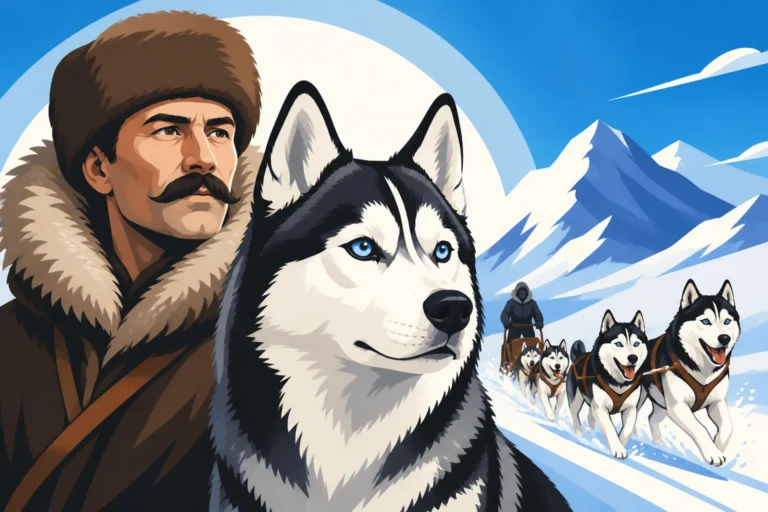
Where Siberian Huskies Rank in AKC Popularity
Many people assume that Siberian Huskies, with their striking looks and undeniable charm, must be consistently ranked at the very top of popular dog breeds. However, the reality of their position in the AKC's annual popularity list often comes as a surprise, revealing a fascinating story about what truly drives breed recognition and responsible ownership. This guide will explore where Siberian Huskies typically stand in the AKC rankings and what those numbers really tell us about this incredible breed.
Understanding AKC Popularity Rankings
When we talk about a breed's popularity in the context of the American Kennel Club (AKC), we're specifically referring to the number of individual dogs of that breed registered with the AKC each year. These rankings are a snapshot, reflecting trends in breeding and ownership, but they don't always paint the full picture of a breed's suitability for every family.
What the Numbers Mean (and Don't Mean)
The AKC registration numbers primarily track purebred dogs whose parents are also AKC-registered. This means they are a solid indicator of how many people are acquiring puppies from breeders who prioritize official lineage and potentially show or sport participation. A high ranking suggests a strong demand from this segment of the dog-owning public, often fueled by the breed's visual appeal, perceived temperament, or recent media exposure.
However, these numbers don't tell us about the vast number of mixed-breed dogs, or purebreds without AKC papers, or dogs adopted from rescues and shelters. So, while the Siberian Husky might appear at a certain spot on the list, their true presence in households across the country, especially those adopting from breed-specific rescues, is likely much higher than the AKC ranking alone would suggest. It's also important to remember that these numbers don't reflect how well a breed fits into modern lifestyles, only how many people are drawn to them. For example, a breed might be incredibly popular but also notoriously difficult for the average owner, leading to high surrender rates later on. This is a common narrative we see with breeds like the Husky.
The Role of Media and Trends
It's no secret that popular culture has a massive impact on dog breed trends. Think about movies, television shows, or even viral social media content featuring a particular breed – suddenly, everyone wants one! This "Game of Thrones" effect, as it's often called, notoriously contributed to a surge in Siberian Husky popularity. Their wolf-like appearance made them the perfect stand-ins for direwolves, leading countless fans to seek out their own, often without fully understanding the breed's demanding needs.
This kind of media exposure can dramatically boost a breed's perceived popularity, driving up demand from breeders and sometimes, sadly, from less scrupulous backyard breeders looking to cash in. While the initial appeal is understandable – who can resist those piercing eyes and majestic coats? – the practicalities of living with a high-energy, vocal, and often mischievous breed like the Siberian Husky are frequently overlooked. This leads to a cycle where temporary spikes in popularity eventually lead to increased numbers in shelters and rescues, underscoring the difference between fleeting trends and sustainable, responsible ownership. If you're considering a Husky, make sure you're looking beyond the latest trends and understanding their specific needs, like why they need an indestructible fence to prevent escapes, as discussed in Stopping a Siberian Husky From Escaping the Yard.
Siberian Husky's Consistent Appeal in the Rankings
Despite the fluctuations caused by trends, the Siberian Husky has maintained a relatively consistent and respectable position within the AKC's top breeds for many years. They are rarely outside the top 20, and often hover around the top 10 or 15, which is a testament to their enduring appeal and the dedicated breeders who continue to champion the breed.
Historical Perspective
The Siberian Husky first gained widespread recognition in North America thanks to their incredible performance in the 1925 Serum Run to Nome, a heroic effort to deliver diphtheria antitoxin across Alaska. This event, featuring legendary mushers like Leonhard Seppala and his lead dog Togo, etched the Siberian Husky into the public's imagination as a courageous, resilient, and intelligent working dog. You can learn more about this incredible history in The 1925 Serum Run to Nome.
After this, the breed's popularity steadily grew, leading to their official AKC recognition in 1930. Their unique combination of beauty, athleticism, and a somewhat primitive charm has kept them in the public eye. They're not just pretty faces; they're dogs with a rich heritage of working alongside humans in some of the harshest conditions on Earth. This historical foundation, coupled with their striking appearance, ensures they remain a breed of interest to many.
Why They Remain a Top Choice
What is it about the Siberian Husky that keeps them in the top tier of AKC-registered breeds? It's a blend of factors that contribute to their charm, even for those who might not fully grasp the commitment involved.
- Distinctive Looks: Let's be honest, those piercing blue or bi-colored eyes, the thick double coat, and their wolf-like appearance are simply captivating. They stand out in a crowd and draw admiring glances wherever they go. This visual appeal is a huge draw for many potential owners.
- Energetic and Playful Nature: Huskies are often described as having a zest for life. They are typically playful, curious, and enjoy being active. For individuals or families looking for an adventure companion, their high energy levels and love for outdoor activities can be very appealing. However, this energy needs proper outlets, and without it, they can become destructive, as explored in Siberian Husky Destruction When Left Alone.
- Vocal Communication: Huskies are known for their unique vocalizations, from the famous "woo-woo" talking to howling. While this might be a challenge for some, many owners find it endearing and a core part of the Husky personality. They express themselves much more audibly than many other breeds, which can be quite entertaining.
- Intelligence and Independence: While they are independent thinkers, Huskies are also intelligent. They can learn commands and tricks, though their independent streak means they might choose whether or not to obey, which contributes to their "stubborn" reputation. This intelligence, combined with their strong will, means training is a consistent, engaging process, as discussed in Training an Independent Siberian Husky. They’re not dogs that live to please; they’re partners who weigh the benefits of cooperation.
These qualities collectively contribute to their consistent presence in the AKC popularity rankings, attracting new families year after year.
The Reality Behind the Rankings: What Owners Need to Know
While it's great to see Siberian Huskies consistently ranked among popular breeds, it's crucial for prospective owners to look beyond the numbers and truly understand what life with a Husky entails. Popularity doesn't equate to universal suitability, and for a breed like the Husky, compatibility is key to a happy home.
High Energy and Exercise Needs
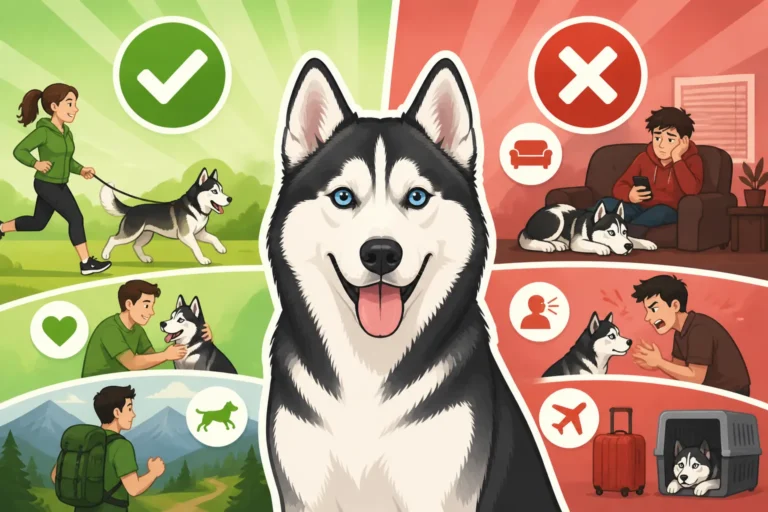
One of the biggest misconceptions about Huskies is that their beauty means they are content to be lounge dogs. Nothing could be further from the truth! These dogs were bred to run for miles, pulling sleds through harsh conditions. This means they have incredibly high exercise requirements. A casual walk around the block simply won't cut it. They need vigorous activity, often several hours a day, whether it's long runs, bikejoring, or extensive play sessions. If they don't get this outlet, that pent-up energy often manifests as destructive behavior, excessive vocalization, or attempts to escape. Many people find their local pet supply stores, like Chewy, are excellent resources for durable toys and training aids designed for high-energy breeds.
Consider this: a happy Husky is a tired Husky. This isn't just a cute saying; it's a fundamental truth of owning one. If you're not prepared for daily, dedicated exercise, a Husky might not be the right fit, no matter how much you love their look. Their efficient metabolism, discussed in Feeding a Siberian Husky on 60 Percent of the Label, means they need less food than you'd expect for their activity level, but the activity level itself is non-negotiable.
Grooming Demands
That gorgeous double coat is another hallmark of the breed, but it comes with significant grooming responsibilities. Huskies "blow" their coats twice a year, sometimes more, shedding an incredible amount of undercoat. During these periods, you'll be brushing daily, and even outside of coat blows, regular grooming is essential to keep their skin healthy and prevent matting. For serious Husky owners, investing in high-quality grooming tools, perhaps found on Chewy's extensive selection, including undercoat rakes and high-velocity dryers, is a must.
Shaving a Husky, which some owners mistakenly do to "keep them cool," is actually detrimental and can permanently damage their coat, compromising its ability to regulate temperature. Their double coat provides insulation against both cold and heat. Expect to find Husky hair everywhere, all the time. If you're not prepared for a constant battle against dog hair, a Husky might add more stress than joy to your life. For a deeper dive into managing their coat, check out Siberian Husky Coat Blow and the Six Weeks It Lasts.
Training Challenges and Prey Drive
Siberian Huskies are intelligent, but they are also notoriously independent and can be "stubborn" from a human perspective. They are not typically eager to please in the same way a retriever might be. This means training requires consistency, patience, positive reinforcement, and a strong understanding of their unique motivations. They have a strong Siberian Husky Prey Drive Around Small Animals, a trait inherent to their ancestral purpose, which means they cannot be trusted off-leash in unfenced areas and may pose a danger to smaller pets or wildlife.
Their roaming instinct is also incredibly strong. A common frustration for owners is their Husky's tendency to bolt through open doors or scale fences. Because of this, Why a Siberian Husky Cannot Be Trusted Off Leash is an essential read for anyone considering the breed. Investing in professional training or spending significant time on recall work, often with the help of long lines or secure training fields, is usually necessary. Their desire to explore and chase trumps almost any command if not properly managed and trained from a young age.
Vulnerability to Rescue and Shelter Systems
Sadly, the allure of the Siberian Husky's looks often overshadows the reality of their demanding needs, leading to a significant number of Huskies ending up in rescues and shelters. This is why you often find articles like Why So Many Siberian Huskies End Up in Rescue. When an owner isn't prepared for the exercise, grooming, training, or escape artist tendencies, the dog inevitably suffers, and the family often makes the difficult decision to surrender them.
While their AKC popularity ranking reflects their desirability, it also highlights the urgent need for responsible ownership education. It’s a bittersweet reality: a high ranking means more people are drawn to the breed, but it also means more opportunities for ill-informed decisions that impact the dogs themselves. Rescues often work tirelessly to rehabilitate and rehome these magnificent animals, offering a second chance to those whose previous owners weren't ready for the commitment.
The Table: Popularity Perception vs. Ownership Reality
To help prospective owners truly grasp the difference between how popular a breed might seem and what owning one actually entails, here's a comparison focused on the Siberian Husky:
| Aspect | Perception (Often Leads to Popularity) | Reality (Owner Experience) |
|---|---|---|
| Appearance | Wolf-like, majestic, beautiful eyes, unique coat | Heavy shedding, coat blows, needs regular grooming, can get snowballs between toes |
| Energy Level | Looks active, good for hikes and runs | Needs 1-2 hours of intense exercise daily, can be destructive if bored, constant drive to run |
| Trainability | Intelligent, capable of learning | Independent, "stubborn," strong prey drive, needs consistent positive reinforcement, questionable off-leash reliability |
| Vocalization | "Talking" and howling is cute | Can be loud, frequent howling/talking, may annoy neighbors, not a quiet breed |
| Bonding | Friendly, family dog | Affectionate but independent, bonds with family but not usually a "velcro dog," may be aloof with strangers |
| Escape Tendencies | Happy yard dog with a fence | Expert escape artists (dig, climb, jump, open gates), requires secure, high fencing (e.g., The Six-Foot Fence a Siberian Husky Needs) |
| Suitability for All | Everyone wants one! | Best for active, experienced owners who understand primitive breeds and have a secure environment |
This table illustrates that while certain traits contribute to the Siberian Husky's high popularity ranking, they also present significant challenges that not every owner is equipped to handle.
What AKC Ranking Means for the Future Siberian Husky Owner
For those considering bringing a Siberian Husky into their lives, the breed's consistent AKC popularity means a few things, both positive and potentially cautionary.
Access to Breed Information and Responsible Breeders
Firstly, a popular breed typically means there's a wealth of information available about them. You can find numerous resources, clubs, and experienced owners willing to share insights. It also means there are usually more AKC-registered breeders, increasing your chances of finding a reputable one who adheres to the breed standard and conducts proper health testing. Always ask about health testing results and parental history, crucial steps outlined in Health Testing Before You Buy a Siberian Husky. A good breeder will prioritize the health and temperament of their puppies, and be transparent about their practices.
However, popularity can also attract "backyard breeders" or puppy mills looking to profit from demand without regard for health, temperament, or ethical breeding practices. It's vital to do your due diligence and choose a breeder carefully, ensuring they are focused on the well-being of the dogs rather than just quick sales. Don't be swayed by low prices or immediate availability; a responsible breeder will often have a waiting list.
Availability of Supplies and Services
Being a popular breed generally means that pet supply stores, both brick-and-mortar and online retailers like Chewy, are well-stocked with products designed for Siberian Huskies. You'll easily find food tailored for active breeds, durable toys that can withstand their chewing, and a variety of grooming tools. This widespread availability makes it easier for owners to meet their Husky's specific needs without a lengthy search.
Furthermore, vets and trainers are more likely to have experience with popular breeds. While you should always seek out professionals with experience in Nordic breeds, the sheer number of Huskies means many vets will be familiar with common breed-specific health concerns like Siberian Husky Eye Disease and the Annual Exam or Zinc-Responsive Dermatosis in the Siberian Husky, and trainers will understand their unique behavioral quirks.
The Importance of Education Over Emotion
Ultimately, where the Siberian Husky ranks in AKC popularity serves as a double-edged sword. It highlights their widespread appeal and the beautiful qualities that draw people to them. But it also acts as a quiet alarm bell, reminding us that popularity doesn't equal easy ownership. The true measure of a breed isn't how many people want one, but how many people are truly prepared to provide them with the life they deserve.
When you're ready to commit to a Siberian Husky, you're not just getting a dog; you're inviting a powerful, intelligent, and highly active companion with a strong will and a distinct voice into your home. Their popularity on the AKC list is a conversation starter, but your decision to bring one home should be based on a deep understanding of Who Should and Should Not Own a Siberian Husky and a realistic assessment of your lifestyle and capabilities.
Disclaimer
This article is for general informational purposes only and does not constitute professional advice. Laws, prices and regulations vary by location and change over time. Consult a qualified professional for guidance on your specific situation.