Laryngeal Paralysis in an Older Siberian Husky
It's incredibly distressing when your once vibrant Siberian Husky, who used to bound through snowdrifts with endless energy, starts struggling with something as fundamental as breathing. You notice a change, a raspy sound, a labored inhale, and your heart sinks with worry. This guide is here to demystify laryngeal paralysis, a condition that often affects our beloved senior Huskies, helping you understand what it is, how to spot it, and the paths you can take to bring your furry family member some much-needed relief and a better quality of life.
Understanding Laryngeal Paralysis in Senior Siberian Huskies
Laryngeal paralysis can feel like a really scary diagnosis, especially when it affects an older dog. It's not something most people are familiar with until it touches their own cherished companion. For us Husky owners, seeing our energetic, vocal dogs suddenly struggle to breathe or make strange noises is particularly alarming.
What Exactly is Laryngeal Paralysis?
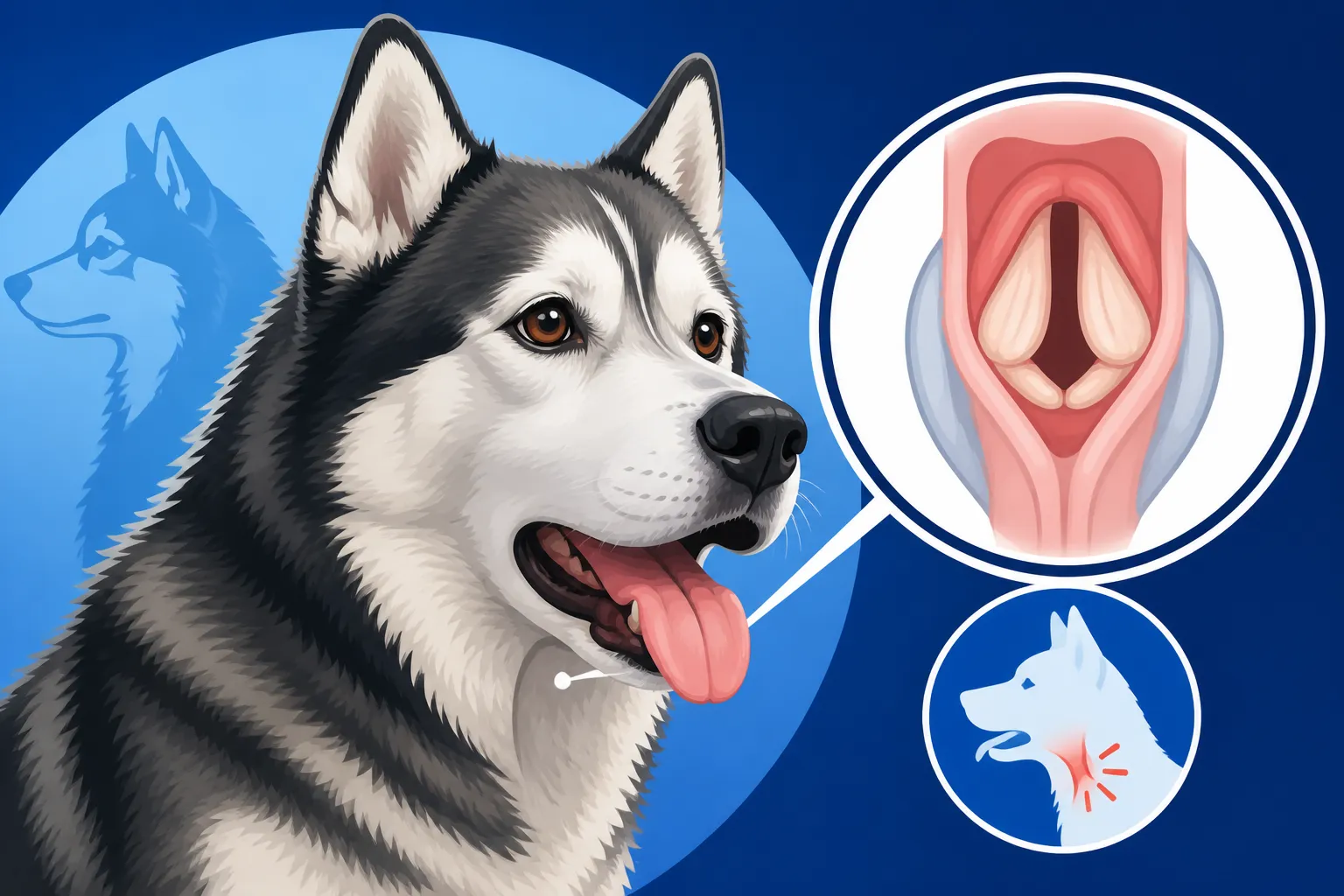
At its core, laryngeal paralysis is a condition where the larynx, or voice box, doesn't function properly. Think of the larynx as a doorway to your dog's windpipe. Inside this doorway are two small cartilages, called arytenoid cartilages, that are supposed to open wide when your Husky breathes in, allowing air to rush freely into the lungs. When laryngeal paralysis strikes, the nerves that control these cartilages become weak or damaged, and the cartilages fail to open adequately. Instead of swinging open, they might flop inward or remain partially closed, obstructing the airway.
This partial obstruction makes every breath a struggle, like trying to breathe through a pinched straw. The air movement becomes turbulent, creating the characteristic "stridor" or harsh breathing sound many owners first notice. It's a progressive disease, meaning it usually gets worse over time, slowly constricting the airway and increasing the effort required for your Husky to get enough oxygen.
Why Older Huskies Are More Susceptible
While laryngeal paralysis can occur in younger dogs due to trauma or other underlying issues, it's far more commonly seen as a geriatric onset condition, particularly in larger, older breeds. For Siberian Huskies, who are generally hardy and known for their impressive Siberian Husky Lifespan and What Shortens It, hitting their senior years often brings new health considerations. As our Huskies age, their bodies, including their nervous systems, naturally undergo changes.
The nerves responsible for moving the laryngeal cartilages can start to degenerate, a condition often referred to as Geriatric Onset Laryngeal Paralysis Polyneuropathy (GOLPP). This isn't just a laryngeal issue; it's often a sign of a more generalized neurological decline that can affect other nerves throughout the body, though the laryngeal symptoms are often the most immediately obvious and life-threatening. You might start noticing other subtle changes too, like weakness in the hind legs or difficulty navigating stairs, which can be part of this broader syndrome. Understanding that this can be part of What Changes in a Siberian Husky After Nine can help you recognize the bigger picture.
The Silent Onset and Gradual Progression
One of the most frustrating aspects of laryngeal paralysis is how insidiously it can begin. It rarely announces itself with a sudden, dramatic crisis. Instead, it creeps up slowly, often starting with subtle changes you might attribute to your Husky just "getting old" or being out of shape. You might notice a slight change in the sound of their panting after a vigorous run, or maybe they seem a little less enthusiastic about their usual playtime.
Over months, or even years, these subtle signs become more pronounced. The breathing noises get louder, especially during exercise, excitement, or in warmer weather. Your Husky might start to gag or cough more frequently, particularly when eating or drinking. It’s a slow, disheartening decline that can leave you feeling helpless, wondering if you missed something earlier on. This gradual nature makes it tough to pinpoint exactly when the problem started, but recognizing these early, subtle shifts is key to early intervention.
Recognizing the Early Signs and Symptoms
Catching laryngeal paralysis early can significantly impact your Husky's quality of life and the effectiveness of treatment. It's about being tuned into your dog's unique quirks and noticing when those subtle changes become something more concerning. For a breed as active and vocal as the Siberian Husky, any deviation from their normal boisterousness warrants attention.
Changes in Breathing and Respiratory Noise
This is often the first and most noticeable symptom that raises red flags for owners. Your Husky, who once breathed silently or with a quiet pant, might start producing new sounds. The most common is a loud, harsh, raspy sound, especially when inhaling. This is called stridor, and it's caused by the turbulent airflow through the partially obstructed larynx. It’s often worse when your Husky is excited, exercising, or if they’re getting warm. Imagine your dog having to really pull the air into their lungs, and you'll understand the effort involved.
You might also notice increased panting, even when they haven't been particularly active. Their breathing could become more shallow and rapid as they try to compensate for the reduced airflow. In more advanced cases, you might even see their chest and abdomen working extra hard to breathe, sucking in and out more dramatically than usual. It’s a clear sign that they are struggling to get enough oxygen, which is incredibly worrying for any pet parent. If you're hearing what sounds like Noisy Breathing in an Older Siberian Husky, it's time for a vet visit.
Coughing, Gagging, and Difficulty Swallowing
Beyond the breathing noises, many Huskies with laryngeal paralysis will exhibit issues related to their throat and swallowing reflexes. The larynx is also involved in protecting the airway during swallowing, preventing food or water from going down the "wrong pipe." When the laryngeal cartilages don't close properly, this protective mechanism is compromised.
You might observe your Husky coughing excessively, particularly after eating or drinking. Sometimes it looks like they're trying to clear their throat, or they might gag or choke on their food. This is due to tiny bits of food or water accidentally entering the trachea (windpipe) instead of the esophagus. Over time, this can lead to aspiration pneumonia, a serious lung infection caused by inhaled foreign material. It’s crucial to monitor these symptoms closely, as they indicate a risk of further complications.
Impact on Exercise Tolerance and Heat Sensitivity
Siberian Huskies are born athletes, bred for endurance and pulling power in cold climates. When laryngeal paralysis sets in, one of the most heartbreaking changes is watching their exercise tolerance plummet. Your Husky might become winded much faster on walks that used to be a breeze, or they might simply refuse to go as far or as fast. They might lag behind, stop frequently, or need much longer to recover after even mild exertion. This decline in activity can be an early indicator that something more serious than just "getting old" is at play.
Furthermore, Huskies with laryngeal paralysis are incredibly susceptible to heatstroke. Because they can't move air efficiently, they struggle to cool themselves down effectively through panting. Even on moderately warm days, or after short bursts of excitement, they can quickly overheat. This can rapidly escalate into a life-threatening emergency, characterized by extreme panting, bright red gums, collapse, and disorientation. Being aware of Heat Stroke Risk in a Siberian Husky is paramount, especially for senior dogs with compromised airways. Keeping them cool and limiting strenuous activity, particularly during warmer parts of the day, becomes a top priority.
The Diagnostic Process: Getting a Clear Picture
When you suspect your Siberian Husky might have laryngeal paralysis, the diagnostic journey can feel a bit daunting. It involves careful observation, a thorough physical exam, and often a specialized procedure to confirm the diagnosis. Remember, getting an accurate diagnosis is the first crucial step toward effective management and improving your Husky’s comfort.
Initial Vet Examination and Auscultation
Your first stop will naturally be your trusted veterinarian. They'll start with a comprehensive physical examination, which includes listening to your Husky's chest and throat with a stethoscope—a process called auscultation. They’ll be listening for those distinctive stridor sounds, particularly as your dog breathes in. They might also check your dog's gum color, listen to their heart, and assess their overall body condition.
During this initial visit, your vet will also ask you a lot of questions about what you've observed at home: when the symptoms started, what makes them better or worse, how often your Husky coughs or gags, and their general activity levels. It’s incredibly helpful to come prepared with notes or even short video clips of your Husky exhibiting the symptoms, as they might not show them as dramatically in the stressful vet environment. This initial consultation helps your vet determine if further, more specific diagnostic steps are needed.
The Sedated Laryngeal Exam: The Gold Standard
To definitively diagnose laryngeal paralysis, your vet will likely recommend a sedated laryngeal examination. This procedure is considered the "gold standard." It involves administering a light sedative to your Husky – enough to make them relaxed but still able to breathe on their own and maintain their laryngeal reflexes. While under light sedation, the vet will use a laryngoscope (a small scope with a light) to visualize the larynx directly.
The goal is to observe the movement of those arytenoid cartilages as your Husky breathes. In a normal dog, these cartilages will rapidly and widely open with each inhale. In a Husky with laryngeal paralysis, they will fail to abduct (open) properly, or they might even move paradoxically, collapsing inward. This direct visualization confirms the diagnosis and helps the vet assess the severity of the paralysis. This procedure, while routine, does carry some Anesthesia Risk in a Senior Siberian Husky, so your vet will carefully consider your dog's overall health before proceeding.
Ruling Out Other Respiratory Conditions
It's really important to remember that not every cough or noisy breath points to laryngeal paralysis. Many other conditions can cause similar symptoms, and your vet will want to rule these out to ensure an accurate diagnosis and appropriate treatment. For example, heart disease can cause coughing and exercise intolerance, as can chronic bronchitis or tracheal collapse. For our deep-chested Huskies, it’s always important to consider the heart, even though they aren't typically predisposed to the same cardiac issues as some other large breeds.
Your vet might recommend additional diagnostics such as chest X-rays to check the lungs and heart, or blood work to assess overall health, screen for infections, or evaluate thyroid function (as thyroid issues can sometimes be linked to generalized neuropathies). In some cases, a full neurological workup might be suggested, especially if signs of GOLPP (Geriatric Onset Laryngeal Paralysis Polyneuropathy) are suspected. This thorough approach ensures that the true underlying cause of your Husky's symptoms is identified, leading to the most effective care plan.
Managing Laryngeal Paralysis: Medical vs. Surgical Approaches
Once your Siberian Husky has been diagnosed with laryngeal paralysis, you'll be faced with decisions about how to best manage the condition. These options typically fall into two main categories: conservative medical management or surgical intervention. Each path has its own considerations, benefits, and potential drawbacks, and the best choice will depend on your Husky's individual symptoms, overall health, and your family's circumstances.
Conservative Management: Keeping Your Husky Comfortable
For Huskies with mild symptoms, or those who are not good candidates for surgery due to age or other health issues, conservative management can be a viable option. The primary goals here are to minimize respiratory distress, prevent aspiration pneumonia, and improve overall comfort. This approach often involves a combination of lifestyle adjustments and, sometimes, medication.
Key elements of conservative management include:
- Weight Management: Keeping your Husky at a healthy weight is crucial, as excess weight puts more strain on their respiratory system. For tips on how to achieve this, you might explore resources on Siberian Husky Weight and Joint Health.
- Activity Restriction: Limiting strenuous exercise and avoiding activities that lead to excessive panting is essential. Short, slow walks, especially during cooler parts of the day, are preferable.
- Heat Avoidance: As previously mentioned, avoiding heat stress is critical. Keep your Husky in air-conditioned environments during hot weather, provide plenty of fresh water, and avoid walks during peak heat.
- Harness Use: Switching from a neck collar to a well-fitting chest harness can reduce pressure on the trachea and larynx, making breathing slightly easier.
- Elevated Feeding: Feeding your Husky from an elevated bowl can help gravity assist in guiding food down the esophagus, reducing the risk of aspiration. Feeding smaller, meatballs-sized portions, or even a gruel consistency, might also be recommended.
- Medication: While there are no drugs that can cure laryngeal paralysis, your vet might prescribe anti-inflammatory medications to reduce swelling in the larynx, or sedatives to help calm an anxious or panicked Husky during a breathing crisis. Antibiotics would be used if aspiration pneumonia develops.
Conservative management aims to keep your Husky as comfortable as possible for as long as possible, focusing on maintaining their quality of life. This often means very careful monitoring and being prepared for potential emergencies.
Surgical Intervention: The "Tie-Back" Procedure
For many Huskies, especially those with moderate to severe laryngeal paralysis that significantly impacts their breathing and quality of life, surgery offers the most effective long-term solution. The most common and successful surgical procedure is called a unilateral arytenoid lateralization, often referred to as a "laryngeal tie-back" or simply "tie-back surgery."
During this surgery, a veterinary surgeon permanently sutures one of the arytenoid cartilages open. This effectively creates a wider, fixed opening for air to pass through, significantly improving airflow into the lungs. By opening just one side, the risk of aspiration is minimized compared to opening both sides, while still providing substantial relief. While the thought of Tie-Back Surgery for a Siberian Husky can be intimidating, the improvement in breathing is often dramatic and immediate. Many owners report seeing their dog breathe easily for the first time in months or even years post-surgery. Surgical costs can be substantial, so discussing coverage with providers like Healthy Paws pet insurance beforehand might be a wise step for many owners.
Post-Operative Care and Potential Complications
Choosing surgery is a big decision, and it comes with a recovery period and potential complications that you need to be aware of. Immediately after surgery, your Husky will need careful monitoring, often in a specialized veterinary facility, to ensure smooth recovery and prevent post-operative swelling or complications.
Key aspects of post-operative care include:
- Strict Rest: Your Husky will need to be kept quiet and calm for several weeks to allow healing. This means leash walks only, no running, jumping, or rough play.
- Feeding Modifications: Elevated feeding and a specific diet (often soft, meatball-sized portions) will be crucial for life to minimize the risk of aspiration.
- Monitoring for Aspiration Pneumonia: Even with a unilateral tie-back, there is still a lifelong risk of aspiration pneumonia, as the protective function of the larynx is altered. You'll need to watch for signs like coughing, fever, lethargy, or decreased appetite and seek vet attention immediately if you notice them.
- Voice Changes: Don't be surprised if your Husky's famous "woos" and howls sound a little different or even become quieter after surgery. This is a common and expected outcome due to the altered structure of the larynx.
While the tie-back surgery significantly improves breathing, it doesn't cure the underlying neurological disease (GOLPP), if present. Therefore, you might still need to manage other aspects of your Husky's health, such as hind limb weakness, as they age. However, the ability to breathe freely often vastly improves their overall comfort and quality of life.
Living with Laryngeal Paralysis: Adjustments for Quality of Life
Receiving a diagnosis of laryngeal paralysis for your older Siberian Husky is a game-changer, but it doesn't mean the end of a fulfilling life together. It means a shift in perspective and a commitment to making necessary adjustments to ensure your beloved companion remains comfortable and happy. It's about adapting their world to their new reality, allowing them to thrive even with this challenge.
Environmental Modifications and Activity Limitations
Adjusting your Husky's environment and daily routine is paramount to managing laryngeal paralysis, whether through conservative means or post-surgery. The goal is to minimize stressors on their respiratory system and keep them safe. First and foremost, temperature control is vital. Huskies are built for cold, and heat is their enemy with this condition. Ensure your home is air-conditioned during warmer months, and consider cooling mats or fans as supplements. Avoid outdoor activities during the hottest parts of the day completely.
Activity limitations are another critical component. Your once tireless explorer may now need shorter, calmer walks. Forget those long runs or demanding hikes. Focus on mental enrichment through puzzle toys or gentle sniffing walks rather than intense physical exertion. It’s a hard pill to swallow for a breed that lives for activity, but pushing them too hard can quickly lead to a crisis. Discussing these changes with your vet and considering what's best for Caring for a Siberian Husky Past Ten is a thoughtful approach.
Feeding Strategies to Prevent Aspiration
One of the biggest concerns for Huskies with laryngeal paralysis is the risk of aspiration pneumonia, where food or water enters the lungs. This risk is lifelong, even after surgery. Therefore, modifying how and what your Husky eats and drinks is non-negotiable. Using elevated food and water bowls is a must; this helps gravity guide food down the esophagus more efficiently.
Consider the consistency of their food. Many vets recommend feeding a soft, wet food diet, often formed into small "meatball" sized portions that your Husky can easily swallow in one gulp, rather than having to chew and manipulate loose kibble. Some owners even add a little water to kibble to create a gruel-like consistency. Slow feeders can also be helpful to prevent them from gulping too quickly. For drinking, some dogs do better with thickened water, though this needs to be discussed with your vet. Always observe your Husky closely during and after meals for any coughing or gagging, as these are immediate red flags. This commitment to careful feeding can prevent life-threatening complications.
Emergency Preparedness and Recognizing Crises
Even with the best management, a Husky with laryngeal paralysis can experience a breathing crisis. Being prepared and knowing how to respond quickly can be life-saving. You should have an emergency plan in place, which includes knowing the fastest route to your veterinary emergency clinic, their contact information, and perhaps having a sedative prescribed by your vet on hand to administer if your Husky becomes extremely distressed and struggles to breathe. It's also a good idea to know if your pet insurance, such as Healthy Paws, has a direct pay option for emergency visits.
Recognize the signs of a crisis: exaggerated, open-mouthed panting, gasping for air, a blue or purple tint to their gums and tongue (cyanosis), severe anxiety, and collapse. If you see these signs, act immediately. Keep your Husky calm and cool – wrap them in a cool, wet towel, offer ice chips, and transport them to the vet as quickly and safely as possible. Avoid panicking yourself, as your stress can further agitate your dog. This might sound scary, but knowing what to do empowers you to provide the best care for your Husky in those critical moments, ensuring they have the best possible chance during an emergency. For additional information on navigating such difficult decisions, consider resources like Deciding About Surgery on an Old Siberian Husky.
| Feature | Conservative Management | Surgical Intervention (Tie-Back) |
|---|---|---|
| Airway Relief | Indirect, aims to reduce effort | Direct, physically widens airway |
| Cost | Generally lower (meds, lifestyle changes) | Higher (surgery, anesthesia, post-op care) |
| Recovery Time | None directly from procedure; ongoing adjustments | Several weeks of strict rest |
| Risk of Aspiration | Moderate to High (due to progressive nature) | Moderate to High (lifelong risk, but improved breathing) |
| Improved Exercise | Limited improvement, focus on comfort | Significant improvement in breathing, better exercise tolerance |
| Heat Tolerance | Still very low, critical to avoid heat | Improved, but still requires careful management |
| Long-Term Management | Daily vigilance, managing symptoms, potential medication | Lifelong feeding modifications, monitoring for aspiration |
| Life Expectancy | Can be extended if managed well, but progressive | Often significantly extended with improved breathing |
| Insurance Coverage | Vet visits, diagnostics, meds. Check policy for pre-existing conditions. Healthy Paws may cover future related issues if enrolled prior. | Surgery cost, post-op care. Pre-existing condition clauses apply. |
Disclaimer
The information provided in this guide is intended for general knowledge and informational purposes only, and does not constitute medical advice. Always consult with a qualified veterinary professional for any health concerns or before making any decisions about your Siberian Husky's medical care.